
Selecting the right kinesiology tape for knee support in Singapore requires balancing adhesive strength against skin sensitivity, especially under hot and humid tropical conditions. While several global brands are widely distributed across local sports clinics and retail outlets, no single brand serves as a universal solution for every athlete. The most trusted option is always the one that matches your specific sport, sweat level, and skin tolerance. Kinesiology tape is designed to mimic the elasticity of human skin, providing external stability and proprioceptive feedback without restricting your natural range of motion. However, its effectiveness relies heavily on proper application technique and selecting the correct material composition for your environment. Before purchasing, athletes must evaluate how different tape profiles perform during high-intensity movement and prolonged exposure to moisture.
Core Comparison Criteria for Knee Kinesio Tapes
Evaluating kinesiology tapes requires an understanding of their core physical properties, starting with the adhesive formulation. Most high-quality tapes utilize a heat-activated acrylic adhesive that is applied in a wave-like pattern to allow the skin to breathe. Standard acrylic adhesives provide a strong, reliable hold for general use but can occasionally cause irritation if left on sensitive skin for extended periods. In contrast, medical-grade hypoallergenic adhesives are formulated without common sensitizing agents, making them far gentler on the skin while still maintaining sufficient tack. For athletes prone to contact dermatitis or those with eczema, verifying that a tape uses a hypoallergenic, latex-free adhesive is a critical first step.
The material composition of the tape directly dictates its elasticity, recoil strength, and durability. Traditional cotton-blend tapes offer a soft, comfortable feel and stretch up to 130% to 140% of their original length, closely matching the natural elasticity of human skin. This moderate stretch is highly effective for general joint tracking, light pain relief, and lymphatic drainage. On the other hand, synthetic-blend tapes—typically made from a combination of nylon and spandex—provide a much stronger elastic recoil. This high-recoil property delivers more pronounced proprioceptive feedback to the knee joint, helping athletes maintain proper alignment during high-impact movements like squatting, jumping, or running.
Products mentioned in this guide
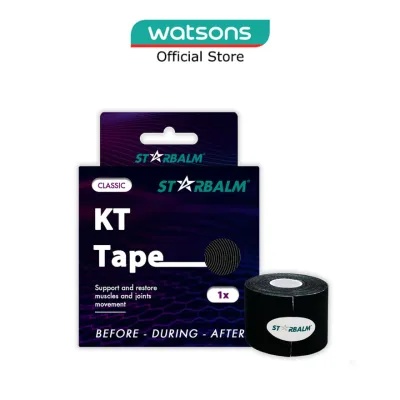
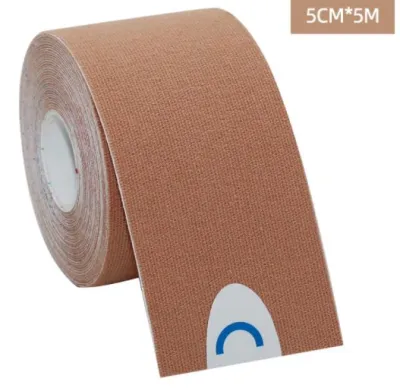
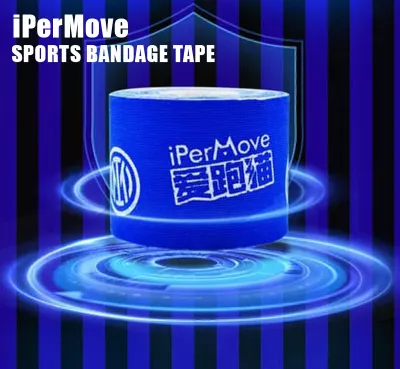
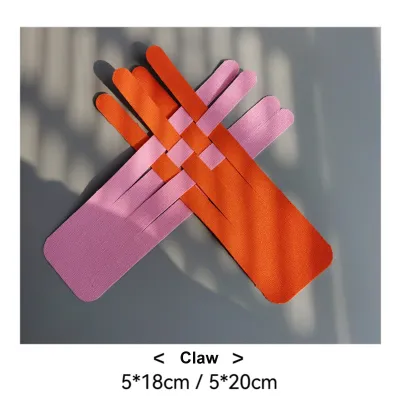
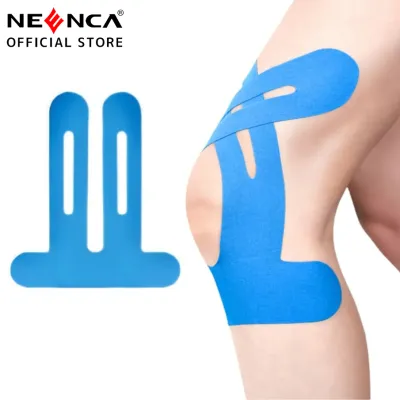
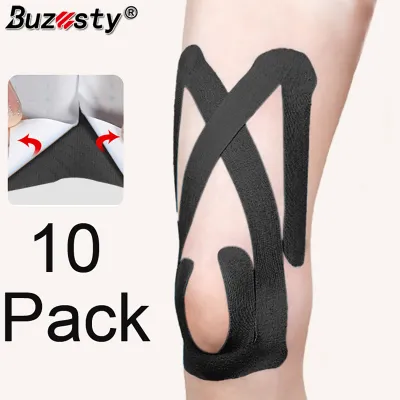
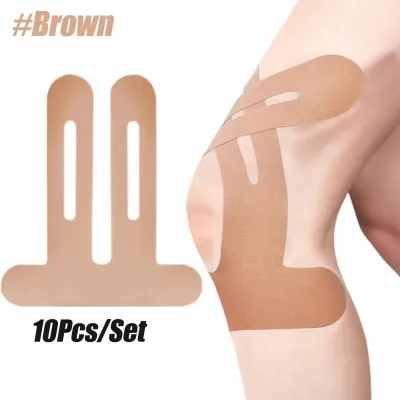
Prices are valid at publication and may change. Please refer to the product page for the latest price.
Breathability and moisture management are equally vital, particularly when tape is applied to a major joint like the knee that moves constantly. The weave pattern of the fabric determines how quickly sweat can escape from beneath the tape. High-quality tapes feature a porous, open-weave structure that facilitates rapid moisture evaporation, keeping the underlying skin dry and intact. If sweat becomes trapped under a non-porous tape, it can lead to skin maceration, where the skin softens and breaks down, causing pain and increasing the risk of infection. Therefore, examining the weave density and porosity of a tape is essential for ensuring long-term comfort and performance.
Matching Tape Features to Your Athletic Environment
Singapore’s tropical climate, characterized by high relative humidity and year-round warmth, demands specific tape characteristics to prevent premature peeling. When training outdoors at places like MacRitchie Reservoir or running along the East Coast, standard cotton tapes can quickly become saturated with sweat, losing their adhesive bond and sagging. For these high-sweat environments, synthetic fabrics are highly recommended because they are hydrophobic, meaning they repel water and dry rapidly. Selecting a tape with a specialized water-resistant coating ensures that the adhesive remains intact even during intense cardiovascular workouts or open-water swimming sessions.

High-friction and contact sports, such as football, rugby, or basketball, subject the knee joint to rapid multi-directional changes and physical contact. These dynamic movements create significant shear forces along the edges of the tape, which can cause it to roll up or peel away from the skin. To counter this, athletes should look for tapes with a tighter, more durable weave and reinforced edges that resist fraying. Additionally, the application technique plays a major role in durability; rounding the corners of each tape strip with scissors before application dramatically reduces the likelihood of the edges catching on clothing or equipment.
The intended duration of wear is another critical factor when matching tape features to your routine. Some athletes require a tape that can withstand three to five days of continuous wear, surviving daily showers and multiple training sessions without losing its supportive qualities. This requires a high-tack, synthetic tape designed for multi-day application. However, if your goal is simply to secure the knee joint for a single race or a weekend match, a standard cotton tape with a moderate adhesive is a safer choice. Using an ultra-high-tack tape for short-duration wear can make removal difficult and painful, potentially stripping the top layers of skin if the adhesive has not had time to naturally degrade.
Verifying Quality and Avoiding Counterfeits
The growing popularity of kinesiology taping has led to an influx of counterfeit and low-quality imitation products in the market. These substandard tapes often utilize cheap, industrial-grade adhesives that can cause severe chemical burns, allergic reactions, or skin tearing. To ensure you are purchasing a safe and effective product, inspect the physical packaging for official markers. Authentic brands typically display clear batch codes, manufacturing dates, and holographic security seals on the box. Additionally, the backing paper of the tape should feature clean, evenly spaced grid lines and high-quality, smudge-free printing of the brand’s logo.
Sourcing your tape from reputable sellers is the most effective way to avoid counterfeit goods. While online marketplaces offer convenience, purchasing from unverified third-party sellers carries a high risk of receiving expired or fake products. Prioritize official brand flagship stores, authorized local distributors, or established sports pharmacies and medical supply shops in Singapore. If you observe a seller offering premium kinesiology tape at a price that seems too good to be true, it is highly likely a counterfeit or a batch that has been stored in poor conditions, which degrades the adhesive quality.
Regardless of the brand’s reputation, conducting a localized patch test is an indispensable safety measure before full knee application. Cut a small, two-inch strip of the tape and apply it to a clean, dry area of skin with low friction, such as your inner forearm or upper thigh. Leave the patch on for 24 hours while monitoring for any signs of redness, itching, burning, or swelling. If any adverse reaction occurs, remove the tape immediately and wash the area with mild soap and water. This simple precaution prevents the painful experience of managing a widespread allergic reaction across the entire knee joint.
Decision Framework: Which Tape Profile Fits You?
To streamline your selection process, you can categorize your athletic needs into distinct tape profiles. If your primary activities involve swimming, triathlons, or long-distance running in humid conditions, you should choose a high-tack, synthetic-blend profile. This option provides the maximum water resistance, rapid drying, and strong elastic recoil necessary to support the knee joint through hours of repetitive movement. It is also the ideal choice if you require the tape to remain securely in place for multiple days.
Conversely, if you have sensitive skin, are prone to allergies, or only require temporary joint support for light gym sessions or yoga, a gentle, cotton-based, low-allergen profile is highly recommended. This profile prioritizes skin comfort and ease of removal, reducing the risk of mechanical irritation. It is also highly suitable for younger athletes or those undergoing physical therapy where the tape is changed frequently.
Before applying any tape, always verify your physical readiness and skin condition. If you are managing an active knee injury, remember that kinesiology tape is a supportive tool and cannot replace professional medical diagnosis or rehabilitation exercises; consult a physiotherapist to ensure you are using the correct taping pattern. Furthermore, assess the hair density around your knee joint. Applying tape over dense hair significantly reduces adhesive contact with the skin, compromising the tape’s effectiveness and causing substantial pain during removal. Trimming or shaving the area 24 hours prior to application ensures optimal adhesion and a much more comfortable removal process.
Frequently Asked Questions (FAQ)
Can I reuse the same piece of kinesiology tape after a workout?
No, kinesiology tape is strictly designed for single-use application and cannot be reused. Once the tape is peeled off the skin, the adhesive backing undergoes irreversible mechanical and chemical degradation, losing its ability to bond securely. Attempting to reapply a used strip will result in poor adhesion, rendering the tape useless for joint support or proprioceptive feedback. Additionally, used tape accumulates sweat, body oils, dead skin cells, and environmental bacteria during exercise. Reapplying this contaminated material to your skin poses a significant hygiene risk and can lead to bacterial infections or severe skin irritation.
How long should I leave the tape on my knee before removing it?
Most manufacturers recommend leaving kinesiology tape on your knee for a maximum of three to five days, provided your skin remains comfortable and free of irritation. If you experience any itching, burning, or redness under the tape, you must remove it immediately. To prevent epidermal stripping, never rip the tape off quickly like a plaster. Instead, saturate the tape with baby oil, mineral oil, or olive oil and let it sit for ten minutes to dissolve the adhesive. Gently peel the tape back slowly, keeping it close to the skin and pulling in the direction of hair growth while pressing down on the skin behind the peel.
Does the color of the kinesiology tape affect its performance?
No, the color of kinesiology tape is purely aesthetic and has no impact on its physical properties, elasticity, or adhesive strength. All color variations within a specific product line are manufactured using the exact same fabric weave and adhesive formulation. While some athletes experience a psychological benefit or a boost in confidence from wearing their favorite colors, the therapeutic and mechanical support remains identical. The only minor physical difference is that darker colors, such as black, may absorb slightly more heat when exposed to direct sunlight during outdoor sports, which can marginally increase the adhesive’s bond to the skin.
Community discussion
Share your experience or ask a question. Comments are reviewed before publication.