
Kite flying in Singapore is a vibrant outdoor activity that brings families, hobbyists, and sightseers to scenic spots like Marina Barrage, East Coast Park, and West Coast Park. When shopping for a new kite, you will likely encounter Layam alongside various other local and international brands. Deciding which brand deserves a spot in your beach bag requires looking past colorful graphics and focusing on structural engineering, material quality, and flight stability.
Evaluating Layam kites against other popular brands in Singapore depends heavily on your flying experience, local wind conditions, and budget. Since specific models, inventory, and prices fluctuate, this guide provides a core verification framework. It helps you objectively compare materials, design features, and accessory value to make an informed purchasing decision for your next outdoor session. By understanding what makes a kite fly reliably in our unique tropical climate, you can avoid the frustration of a model that refuses to launch or breaks on its first hard landing.
Key Dimensions for Comparing Kite Brands
To make an objective comparison between Layam and alternative brands, you must first understand the technical specifications that dictate a kite’s performance. The frame, or spar system, serves as the skeleton of the kite. Manufacturers typically use either fiberglass or carbon fiber for these structural rods. Fiberglass is highly flexible, durable, and relatively heavy, making it an excellent choice for beginners because it can withstand high-impact crashes without shattering. Carbon fiber, on the other hand, is exceptionally lightweight and rigid, allowing kites to launch in incredibly light breezes, though it is more brittle and carries a higher price tag. When comparing brands, check the product specifications to see which material is used for the frame.
Products mentioned in this guide
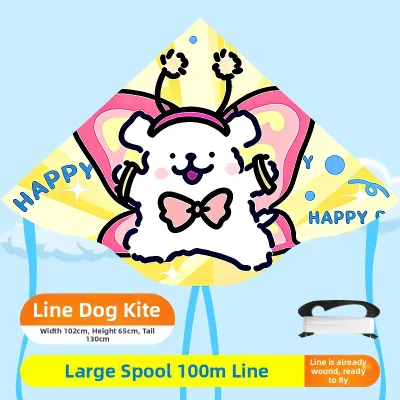
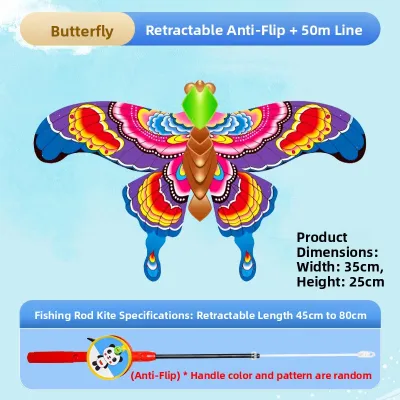
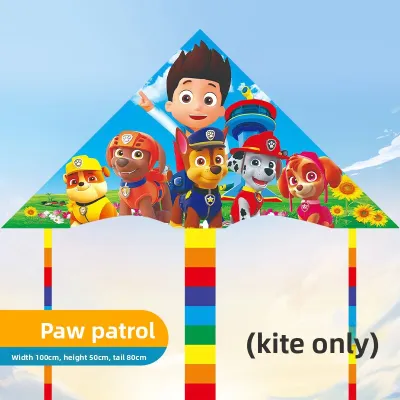
Prices are valid at publication and may change. Please refer to the product page for the latest price.
The sail fabric is another critical component that determines longevity and flight efficiency. Look for ripstop nylon or polyester specifications on the product label to assess tear resistance and UV durability. Ripstop fabrics are woven with a reinforcing grid pattern that prevents small punctures from turning into catastrophic tears. In Singapore’s tropical climate, high UV exposure can degrade cheap plastics and untreated fabrics rapidly, while high humidity can add weight to moisture-absorbing materials. Polyester generally resists stretching and moisture absorption better than nylon, helping the kite maintain its aerodynamic shape even on humid coastal afternoons.
Wind range ratings are the final key dimension to verify before purchasing. Every kite design is optimized for a specific range of wind speeds, usually measured in kilometers per hour or knots. Singapore’s coastal areas, such as East Coast Park, frequently experience steady sea breezes ranging from 10 to 20 kilometers per hour, which are ideal for a wide variety of kites. Inland locations, however, often suffer from light, turbulent, or obstructed wind. Comparing the manufacturer’s stated optimal wind speeds ensures you select a kite that matches your typical flying spots, preventing the disappointment of a heavy kite that sinks in light inland air or a delicate kite that collapses in strong coastal gusts.
Evaluating Layam Kites: Build and Flight Characteristics
When inspecting a Layam kite or comparing it to another brand, the aerodynamic design is the first indicator of how the kite will behave in the air. Common shapes include deltas, diamonds, and parafoils, each offering distinct flight characteristics. Delta kites, with their triangular shape and wide wingspan, are renowned for their stability and ease of relaunch, making them highly suitable for beginners. Diamond kites offer a classic aesthetic but often require a long tail to remain stable in shifting winds. Parafoils, which lack rigid spars entirely, rely on the wind to inflate their pockets; they are incredibly portable and virtually indestructible during crashes, though they require steady, consistent wind to stay aloft.

The assembly mechanism is a practical detail that can make or break your outdoor experience. At busy locations like Marina Barrage, you want a kite that assembles quickly without requiring tools or complex instructions. Check the ease of connecting spars to the center connectors and attaching the bridle line. High-quality brands often feature pre-attached bridles with simple loop-to-loop connections and color-coded spar tips. If a Layam model features a complicated assembly process with loose parts, it may lead to lost components in the sand or grass, cutting your flying session short.
Visual and structural details provide immediate clues about a kite’s manufacturing standards. Inspect the stitching quality along the seams; double-stitching and reinforced nose pockets are essential for preventing the spars from poking through the fabric during high-tension flights or sudden nose-dives. Look at the stress points where the horizontal and vertical spars intersect, as these areas experience the greatest force. A well-designed keel or a long, stabilizing tail helps distribute wind pressure evenly, providing the balance needed to handle the sudden gusts common during Singapore’s monsoon transition periods.
Assessing Price and Overall Value
Evaluating the cost-effectiveness of Layam compared to other brands requires looking beyond the initial price tag to see what is actually included in the package. Many budget-friendly kites are sold as complete kits, which include the kite sail, frame, a plastic winder, flying line, and a basic carrying bag. Verify if the listed price of the kite you are considering includes these essential accessories. A kite that appears cheaper initially but requires you to purchase a separate high-quality line and winder can quickly become more expensive than a premium, all-inclusive package.
Tier positioning helps you understand where a brand fits within the wider market. Budget-friendly brands typically target beginners and casual flyers, offering simple single-line setups with fiberglass frames that keep retail prices accessible, often ranging from S$15 to S$40. Premium hobbyist brands focus on advanced materials like carbon fiber, high-grade ripstop fabrics, and dual-line stunt configurations designed for trick flying, which can easily cost upwards of S$100. By reviewing the specifications across Layam’s product lineup, you can determine whether they offer the technical features justified by their price point or if they are positioned as entry-level recreational toys.
The availability of replacement parts is a crucial factor in long-term value that many buyers overlook. Even the most durable kites can suffer damage from tree branches, power lines, or hard collisions with the ground. Check whether the manufacturer or local authorized retailers offer spare spars, connectors, sails, or bridles. If a brand does not support replacement parts, a single broken rod could render the entire kite useless. Brands that use standard spar diameters allow you to easily source generic fiberglass or carbon rods from local hobby shops, ensuring your investment lasts for multiple seasons.
Decision Framework: Choosing the Right Kite for Your Needs
To make your final decision, align the characteristics of Layam and competing brands with your specific flying conditions, skill level, and safety requirements.
Choose Layam if you prioritize their specific design aesthetics, find that their stated wind range matches the typical conditions of your favorite flying spots, and the included accessories meet your immediate needs without requiring extra purchases. They are often highly suitable for casual weekend flyers who want a straightforward, visually appealing kite for relaxed sessions at the beach.
Choose alternative brands if you require specialized dual-line stunt kites for active maneuverability, need ultra-lightweight carbon frames to fly in exceptionally low-wind inland parks, or prefer dedicated local hobby-shop support with a wide range of technical upgrades and replacement parts. Serious hobbyists who want to progress to trick flying or traction kiting will generally benefit from brands that specialize exclusively in high-performance sport kites.
Verify first if you are buying for young children, as safety should always be the primary concern. Look for kites with safe, blunt rod ends, lightweight frames that won’t cause injury if they fall, and manageable line lengths that prevent tangles. Furthermore, before launching any kite in Singapore, you must verify local aviation and park regulations. The Civil Aviation Authority of Singapore (CAAS) enforces strict height limits—typically restricting kite flying to below 60 meters (200 feet) above mean sea level—and prohibits kite flying entirely within state-regulated no-fly zones near airports and military airbases. Always check the CAAS airspace map and respect local park signage to ensure a safe and legal flying experience.
Frequently Asked Questions (FAQ)
Are Layam kites suitable for beginners flying at East Coast Park?
Yes, provided you select a beginner-friendly model from their lineup. When flying at a popular and often crowded location like East Coast Park, look for single-line delta or diamond shapes. These designs offer inherent aerodynamic stability, making them much easier to launch and control in steady coastal breezes. Always check the manufacturer’s recommended age, skill level, and wind limits on the packaging before heading out, and maintain a safe distance from other park users, trees, and pathways to prevent accidents.
Where can I reliably buy Layam kites and other popular brands?
To ensure you receive genuine products with safe, durable materials, purchase your kites directly from official brand websites, authorized outdoor toy retailers, or established local hobby shops in Singapore. Be cautious when browsing unverified sellers on online marketplaces or ecommerce platforms. Counterfeit or sub-standard kites often use fragile plastics, poorly balanced frames, and weak flying lines that can snap easily under tension, posing a safety hazard to yourself and others in public spaces.
Community discussion
Share your experience or ask a question. Comments are reviewed before publication.