
Selecting the right goalkeeper gloves can feel overwhelming given the sheer variety of options on the market. The landscape includes global athletic giants alongside specialized, goalkeeper-first brands and rising independent labels. Each brand markets its proprietary latex formulas with complex technical terms, promising unbeatable grip and everlasting durability. However, the physical reality of goalkeeper equipment involves a fundamental compromise: the stickier and softer the latex, the faster it degrades. This article cuts through the marketing noise to compare how different brands and glove constructions perform across grip, physical lifespan, and overall value, helping you make an informed decision tailored to your specific playing environment.
Quick Answer: Finding the Best Balance for Your Playstyle
To find the right goalkeeper gloves, you must first accept that grip and durability exist on opposite ends of a spectrum. High-performance match gloves utilize soft, porous natural latex that clings to the ball but tears easily when in contact with hard or abrasive surfaces. Conversely, budget-friendly training gloves use denser, synthetic-blend latex that resists wear but offers significantly less grip, especially when wet.
Your choice should be guided by your primary playing conditions. Choose brands specializing in soft contact foam if you play on pristine natural grass and prioritize grip; choose brands offering durable hybrid cuts if you frequently play on abrasive artificial turf. In Singapore, where community pitches are predominantly synthetic turf, choosing a highly delicate match latex for daily training will result in rapid wear and premature tearing.
Products mentioned in this guide
![Nike Jr. Older Kids Match Goalkeeper Soccer Gloves - Black [HQ0258-010]](https://img.lazcdn.com/g/ff/kf/S34cb299f074f4e31933f9a5d49507fc5E.jpg_400x400q80.jpg_.webp)

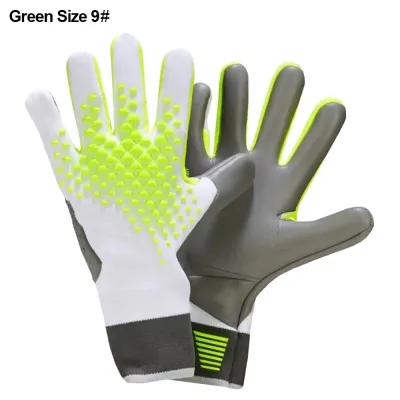
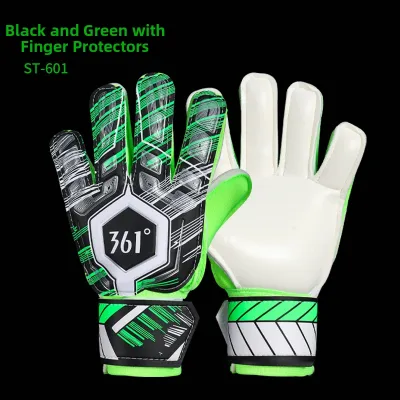
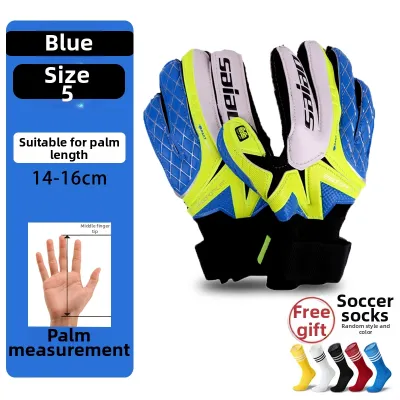
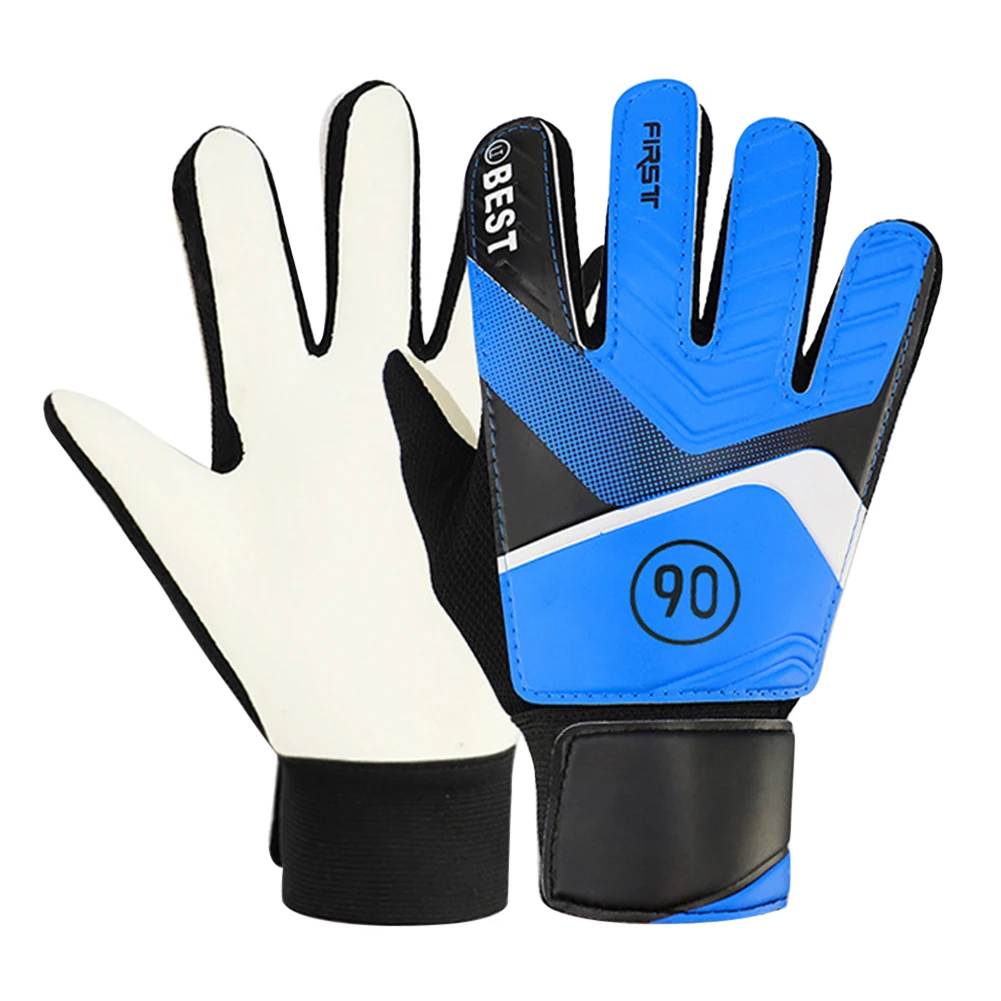
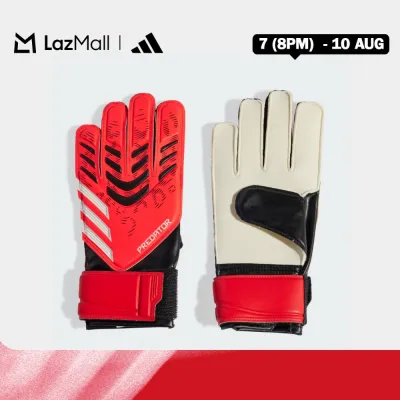
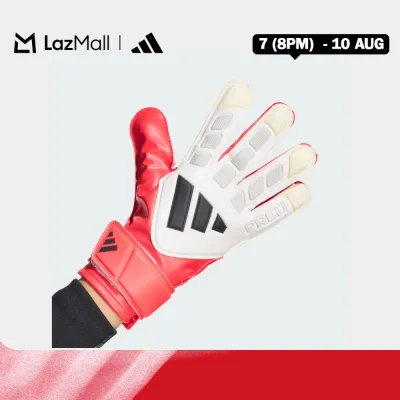
Prices are valid at publication and may change. Please refer to the product page for the latest price.
Local weather also plays a critical role in your decision. In hot, highly humid climates with frequent tropical downpours, standard dry-weather latex can quickly become slick and slippery. Goalkeepers in these regions should prioritize brands that explicitly treat their foams for wet-weather use, as these specialized formulas rely on open-pore structures to maintain friction even when saturated.
Ultimately, there is no single best brand for every goalkeeper. The optimal glove is a highly personal choice that depends on your primary pitch surface, skill level, budget, and how diligently you maintain your gear after each session.
Evaluating Goalkeeper Gloves Grip Technologies and Foam Types
At the heart of every goalkeeper glove is the latex palm. Understanding the material science behind different foam categories is essential for evaluating brand claims. The highest tier of grip is typically found in contact latex. This material is manufactured with a protective plastic film that preserves its adhesive additives until its first use. Contact latex offers immediate, professional-grade stickiness in dry conditions, but its open-pore structure makes it highly delicate and susceptible to rapid abrasion.

For players seeking a balance, standard soft or gigagrip latex serves as a reliable middle ground. These foams do not have the extreme immediate tackiness of contact latex, but they offer consistent, reliable grip over a much longer lifespan. They are also more forgiving if your hand-handling technique is still developing, as minor scrapes will not ruin the entire palm instantly.
When playing in wet or highly humid environments, standard latex can suffer from aquaplaning, where a thin layer of water sits between the glove and the ball, destroying friction. To combat this, specialized wet-weather foams utilize unique chemical additives and more porous structures. These pores act like miniature sponges, absorbing surface moisture and channeling it away from the contact zone to preserve grip.
To verify grip claims on a product label rather than relying on promotional text, check the foam thickness. Most match gloves feature a 4mm latex palm paired with a 3mm or 4mm foam backing. This total cushioning provides excellent shock absorption for hard shots but reduces your tactile feel of the ball. If you prefer a closer connection to the ball, look for a 3mm latex palm, though you must accept that this offers less impact protection on hard ground.
Additionally, look for physical textures on the palm. Some brands emboss the latex with pre-set crease lines or dimples. This structuring does not necessarily make the latex stickier, but it allows the glove to flex naturally with your hand, preventing the latex from bunching up and reducing the surface area in contact with the ball. Rather than searching for a single grippiest brand, focus on matching these physical specifications to your typical match-day weather and personal preference for ball feel.
Assessing Durability, Palm Cuts, and Lifespan
The physical lifespan of a goalkeeper glove is heavily influenced by its palm cut and overall construction. The four most common cuts are flat, roll finger, negative, and hybrid. A flat palm cut is the most traditional, featuring external stitching and a looser fit. Because the seams are exposed on the outside, they are highly vulnerable to friction, but the loose fit reduces tension on the latex itself, making it a highly durable option for training.
Roll finger cuts wrap the latex entirely around each finger, providing the maximum possible latex-to-ball surface area. However, this design places significant stress on the seams at the base of the middle fingers. If you frequently use your hands to push off abrasive artificial turf, these seams are often the first to split.
Negative cuts feature internal stitching, creating a snug, second-skin fit that is highly popular among modern professional goalkeepers. While this offers superb ball control and prevents the fingers from twisting, the internal seams place constant tension on the latex. If the glove is even slightly too small, this tension can cause the latex to tear along the fingertips or side gussets much faster than other cuts.
Hybrid cuts combine the best elements of multiple designs, often featuring roll fingers on the outer fingers for maximum catching surface, and negative or flat cuts on the middle fingers for a snug fit. Many modern brands utilize hybrid cuts to reinforce high-wear areas while maintaining a responsive feel.
Beyond the cut, look for structural durability features. A latex wrap over the thumb or the outer edge of the hand provides extra grip and protects the textile body of the glove from tearing during dives. Reinforced punching zones on the backhand—often made of silicone, rubber, or dense latex—not only protect your knuckles when clearing crosses but also absorb the abrasive impact of the ground. Internal finger protection systems, commonly called finger spines, can prevent hyperextension, but they also stiffen the glove, which can alter your catching technique and put additional mechanical stress on the seams.
To maximize the lifespan of any glove, proper maintenance is mandatory. After every session, wash your gloves in lukewarm water to remove dirt, sweat, and turf crumbs. Sweat contains salts and acids that dry out natural latex, causing it to crack and crumble. Gently squeeze out excess water without wringing or twisting the gloves, as this can tear the seams. Always air-dry them naturally, away from direct tropical sunlight, heaters, or air conditioning units, which can prematurely age the latex.
Value Tiers: Matching Price Points to Performance Needs
Goalkeeper gloves generally fall into three distinct value tiers, each serving different performance and budget needs. Entry-level or training gloves typically range from S$30 to S$60. These gloves utilize highly durable, synthetic-blend latex that resists abrasion on hard surfaces but offers limited grip, especially in wet conditions. They are ideal for recreational kickabouts, training drills, or younger players who are still learning basic catching techniques.
Mid-range or amateur match gloves generally cost between S$70 and S$130. In this tier, you will find high-quality natural latex, such as supersoft or gigagrip, which offers a substantial upgrade in grip and shock absorption. The backhands are often made of breathable mesh or basic neoprene, providing a comfortable, secure fit. For the vast majority of amateur and competitive recreational players, this tier offers the best price-to-performance ratio, balancing reliable grip with decent physical durability.
Elite or professional-grade gloves range from S$140 to over S$250. These models feature premium, unprocessed contact or wet-weather latex, advanced lightweight backhands (such as engineered knit or high-grade neoprene), and highly customized wrist entry systems. While these gloves provide the absolute best grip and impact protection, their soft latex wears down rapidly.
To evaluate value, consider your cost per use. If you play twice a week on abrasive artificial turf, an elite S$200 match glove might show severe wear within a month, resulting in an incredibly high cost per match. In contrast, a durable S$90 mid-range glove might last three to four months under the same conditions, offering far better long-term value.
To ensure you are getting genuine performance and warranty support, always purchase your gloves through authorized sporting goods retailers or official brand stores. Be cautious of unverified third-party sellers on online marketplaces, as counterfeit gloves often use cheap industrial rubber instead of genuine natural latex, which offers virtually zero grip on a soccer ball.
Final Decision Framework: Choose Based on Your Conditions
When selecting your next pair of goalkeeper gloves, your decision should align with your primary playing surface, local weather, and budget. If you play mostly on dry, abrasive artificial turf, look for a brand that offers a hybrid cut with a reinforced palm and durable latex. If you play competitive matches on wet natural grass, prioritize negative-cut gloves featuring premium contact or wet-weather latex.
To assist in your final evaluation, use the following verification checklist before making your purchase:
| Feature | What to Look For | Why It Matters |
|---|---|---|
| Foam Type | Contact, Aqua, or Durable/Turf latex | Determines the baseline grip level and environmental suitability of the palm. |
| Palm Cut | Negative, Roll Finger, Flat, or Hybrid | Affects the snugness of the fit, ball feel, and seam durability on abrasive surfaces. |
| Backhand Material | Neoprene, Knit, or Embossed Latex | Controls the breathability, flexibility, and overall weight of the glove. |
| Intended Surface | Hard Ground/Turf vs. Natural Grass | Ensures the latex density matches the abrasiveness of your primary pitch. |
Remember that brand prestige and cosmetic designs should always remain secondary to fit and personal comfort. A glove with elite specifications will not perform well if it slips on your hand or restricts your natural movement. Pay close attention to the wrist closure system; traditional elastic bandages offer a highly adjustable, locked-in feel, while modern strapless designs rely on highly compressive knit materials for a seamless, lightweight fit. Test different styles to find the combination that gives you the confidence to command your penalty area.
Frequently Asked Questions (FAQ)
How do I break in new goalkeeper gloves before a match?
To prepare a new pair of gloves for match play, you should perform a pre-wash. Lightly rinse the palms under lukewarm water to wash away any chemical preservatives left over from the manufacturing process, which can make the latex feel slick. Gently squeeze out the excess water and let them air-dry until they are slightly damp. This process activates the natural properties of the latex, ensuring optimal grip for your first session. Avoid using harsh detergents, boiling water, or excessive scrubbing, as these will permanently damage the delicate foam.
Can I use the same gloves for training and official matches?
While it is possible to use one pair for everything, rotating your gloves is highly recommended to preserve elite performance. Repetitive training drills—such as diving practice and ball distribution—subject your gloves to intense wear and tear. By using a dedicated, highly durable training glove for these drills, you can save your premium, high-grip match gloves exclusively for game days. This rotation significantly extends the lifespan of your match gloves, ensuring you have maximum grip when it matters most.
Community discussion
Share your experience or ask a question. Comments are reviewed before publication.