
Selecting a lightweight yoga mat requires balancing portability with physical performance. A true lightweight yoga mat typically falls into one of two categories: ultra-thin travel mats under 1.5 millimeters in thickness that weigh less than 1 kilogram, or standard-sized mats scaled down to a 3-millimeter thickness that weigh between 1 and 1.5 kilograms. Finding the ideal mat is not about identifying a single, universally superior brand; instead, it is a process of managing the inevitable physical trade-offs between cushioning (thickness), carrying ease (weight), and traction (grip).
Your primary practice style and environment dictate which side of these trade-offs you should prioritize. For instance, dynamic, high-sweat practices like Hot Yoga or Vinyasa demand high-traction grip, which often requires denser, heavier materials like natural rubber or polyurethane. Conversely, if your primary goal is daily commuting or frequent travel, minimizing weight and packed volume becomes paramount, even if it means accepting less joint cushioning or relying on a yoga towel to manage sweat. By analyzing how these physical properties interact, you can select a mat that supports your body without becoming a burden to carry.
Core Comparison Dimensions: What to Look For
To make an informed decision, you must understand how thickness, weight, and grip physically limit and influence one another. Manufacturers cannot maximize all three dimensions simultaneously; adding cushioning increases material volume, which inevitably raises the weight or alters the surface texture. Understanding these mechanics allows you to identify which specifications are non-negotiable for your specific physical needs.
Products mentioned in this guide
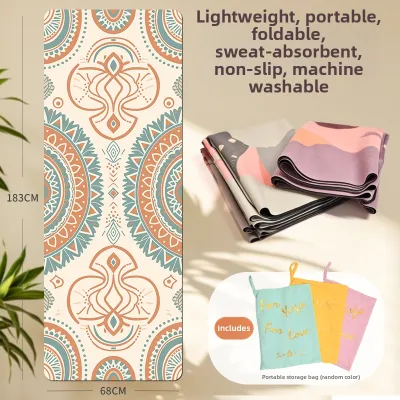
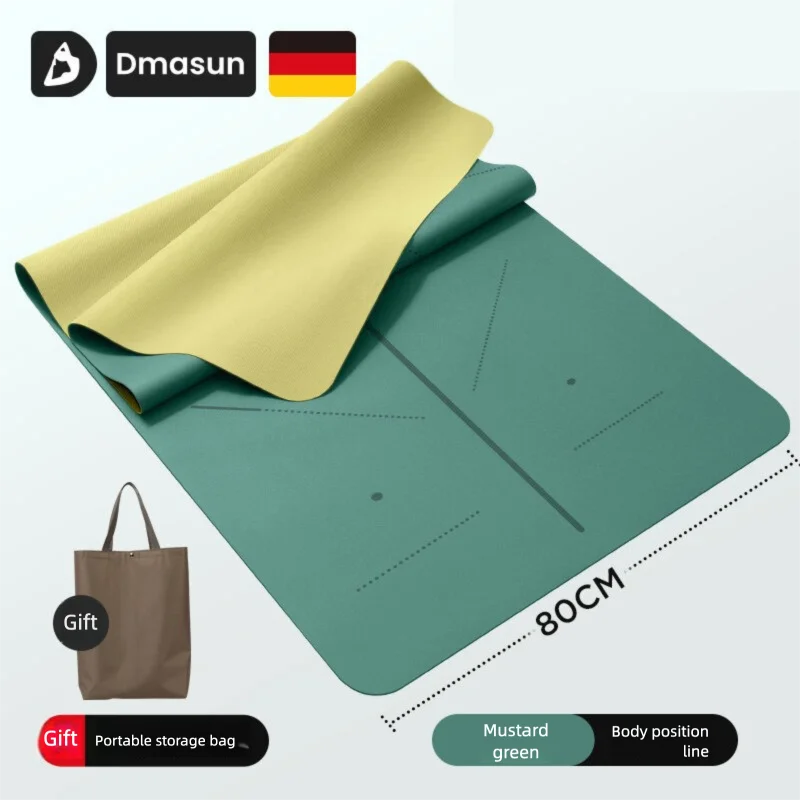
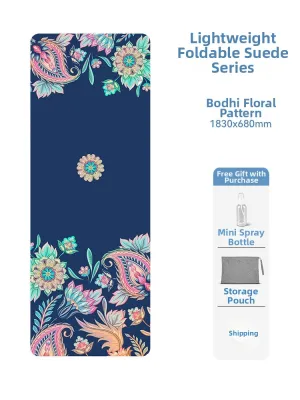

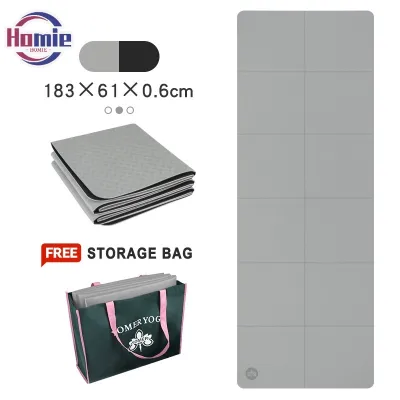
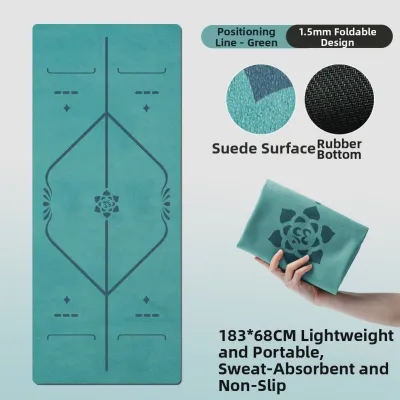
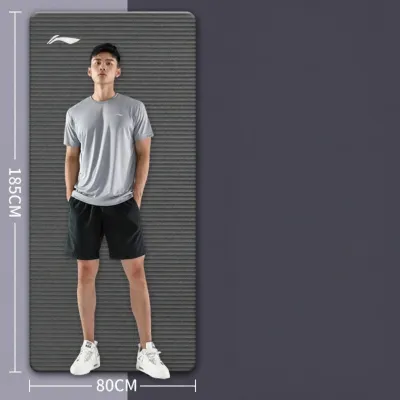
Prices are valid at publication and may change. Please refer to the product page for the latest price.
Thickness vs. Joint Protection
The physical thickness of a yoga mat directly determines its capacity to absorb impact and protect your joints. Travel-specific mats generally range from 1 to 2 millimeters in thickness, offering a highly compact profile that can often be folded rather than rolled. While these ultra-thin mats provide an excellent, stable connection to the floor—which can aid in standing balance poses—they offer minimal impact absorption. If you have sensitive knees, wrists, or ankles, practicing on a 1.5-millimeter mat laid directly on a hard studio floor can cause discomfort or joint strain.
Standard lightweight mats, measuring 3 to 4 millimeters, offer a middle ground. They provide sufficient cushioning for kneeling postures and seated transitions while remaining significantly lighter than standard 5-millimeter or 6-millimeter studio mats. If you choose an ultra-thin travel mat but require joint support, you must be prepared to modify your practice. This can involve folding the mat over itself during kneeling postures, placing a folded microfiber towel under your joints, or layering your thin travel mat over a studio-provided mat during class.
Weight vs. True Portability
Weight is the most critical factor for daily portability, especially when navigating dense urban environments. In Singapore, commuting to a yoga studio often involves walking in tropical heat or boarding crowded MRT trains and buses during peak hours. Carrying a standard 2.5-kilogram natural rubber mat under these conditions can quickly cause shoulder strain and physical fatigue. For active commuters, keeping mat weight to a minimum is a matter of daily comfort.
To evaluate portability, consider three distinct weight classes:
- Ultra-light (under 1.0 kg): Highly portable mats that can easily fit into a backpack or tote bag, often foldable.
- Standard lightweight (1.0 kg to 1.5 kg): Easily carried over the shoulder for moderate distances without significant discomfort.
- Standard (1.5 kg and above): Best reserved for home practice or dedicated studio storage, as they become noticeably heavy during long commutes.
Beyond weight, consider the rolled diameter and material density of the mat. Denser materials like natural rubber roll into a tighter, thinner cylinder than lightweight synthetic foams like Thermoplastic Elastomer (TPE), which tend to remain bulky even when rolled tightly. A bulky mat can be difficult to secure with standard carrying straps or to fit into standard commuter bags, regardless of its low weight.
Grip: Dry vs. Wet Traction
A mat’s grip is determined by its surface texture and material structure, which behave differently depending on moisture levels. The core distinction lies between closed-cell and open-cell surfaces. Closed-cell surfaces do not absorb liquids. This makes them highly hygienic and exceptionally easy to wipe clean, as sweat and dirt remain on the surface. However, when you begin to sweat, moisture pools on top of a closed-cell mat, turning the surface slippery and increasing the risk of sliding out of alignment.
Open-cell and polyurethane (PU) surfaces feature microscopic pores that actively absorb moisture, drawing sweat away from the contact points to maintain reliable traction even when wet. While this provides superior grip during intense, sweaty sessions, it also means the mat absorbs sweat, oils, and bacteria, requiring more rigorous cleaning. In high-humidity environments, open-cell mats take significantly longer to dry, making proper ventilation and care essential to prevent musty odors and material degradation.
How Leading Brands Navigate the Lightweight Trade-off
Different brands address these physical trade-offs by utilizing distinct material philosophies. By grouping mats into material categories, you can understand how a brand’s choice of ingredient dictates the mat’s performance, weight, and durability.

Natural Rubber and PU Mats (Grip-Focused)
Brands that prioritize maximum traction typically construct their lightweight mats from natural rubber or polyurethane (PU) blends. Natural rubber is inherently dense, heavy, and highly elastic, providing excellent dry grip and natural springiness. To make these materials suitable for travel, brands like JadeYoga and Manduka shave the material down to thin profiles, typically 1.5 to 3 millimeters.
Even at these reduced thicknesses, a natural rubber mat remains relatively heavy. A 3-millimeter natural rubber mat will still weigh around 1.3 to 1.5 kilograms, making it heavier than synthetic alternatives of the same thickness. These mats are favored by practitioners of dynamic styles like Ashtanga or Hot Yoga, where reliable wet traction is a safety requirement. The primary trade-off is that natural rubber requires careful maintenance; it is sensitive to UV light, degrades faster than synthetics, and must be thoroughly air-dried after sweaty sessions to prevent mold growth in humid climates.
TPE and Synthetic Mats (Weight-Focused)
To achieve the absolute lowest weight possible, many brands turn to synthetic materials like Thermoplastic Elastomer (TPE) or specialized lightweight polyvinyl chloride (PVC). TPE is a closed-cell, non-toxic synthetic foam that is incredibly airy and lightweight. A 3-millimeter TPE mat can easily weigh under 1.0 kilogram while offering a softer, more cushioned feel than a natural rubber mat of the same thickness.
Synthetic mats are highly portable, easy to wipe clean, and generally more budget-friendly. However, they present distinct performance trade-offs. TPE surfaces offer moderate dry grip but can become highly slippery once wet, making them less suitable for hot yoga unless paired with a high-quality microfiber yoga towel. Additionally, lightweight synthetic foams are more susceptible to stretching during high-friction transitions, such as jump-backs, and can show signs of wear and tear more quickly if exposed to sharp fingernails or rough studio floors.
Brand Specification Matrix: Verifying the Claims
The following table compares popular lightweight and travel yoga mats using verified specifications from official manufacturer documentation. Use these metrics to evaluate how each model balances material, thickness, weight, and surface structure.
| Brand & Model | Material | Thickness (mm) | Weight (kg) | Surface Type | Best Suited For |
|---|---|---|---|---|---|
| JadeYoga Voyager | Natural Rubber | 1.6 mm | 0.68 kg | Open-Cell | Frequent travel, outdoor practice, and maximum dry grip |
| Manduka eKO SuperLite | Natural Rubber | 1.5 mm | 1.0 kg | Closed-Cell (Sealed) | Commuting, travel, and hygienic, easy-to-clean durability |
| Manduka PRO Travel | Engineered PVC | 2.5 mm | 1.1 kg | Closed-Cell | High-wear travel, daily commuting, and long-term durability |
| JadeYoga Travel | Natural Rubber | 3.2 mm | 1.3 kg | Open-Cell | Daily studio commuting, Vinyasa, and balanced cushioning |
| Lululemon Carry Onwards | Rubber & Synthetic Blend | 2.0 mm | 1.34 kg | Open-Cell (Textured) | Commuting, hot yoga, and practitioners seeking a textured grip |
Analyzing these specifications reveals how material choices dictate weight. For example, the JadeYoga Voyager and Manduka eKO SuperLite have nearly identical thicknesses (1.6 mm versus 1.5 mm), yet the Voyager is significantly lighter at 0.68 kilograms. This weight difference stems from the Voyager’s open-cell, highly porous rubber structure, which lacks the heavy reinforcement layers found in the eKO SuperLite. However, the trade-off is that the Voyager is designed specifically to be folded for travel and should not be left rolled for long periods, as it can crease, whereas the eKO SuperLite offers a tougher, more resilient surface.
Decision Framework: Choosing the Right Mat for Your Practice
To select the right lightweight mat, you must match the mat’s material properties to your physical requirements, commuting habits, and practice style. Use the following scenarios to identify your ideal category.
Choose a Grip-Focused Thin Mat if…
You should prioritize grip over ultra-light weight if your practice involves high-intensity, sweaty styles such as Ashtanga, Power Vinyasa, or Hot Yoga. In these styles, slipping can lead to joint misalignment or injury, making reliable traction a safety necessity rather than a luxury.
Look for a 3-millimeter natural rubber or PU-topped mat weighing between 1.2 and 1.5 kilograms. This weight class is still highly manageable for daily commuting, but the added density ensures the mat stays flat on the studio floor and does not bunch up during rapid transitions. You must accept that these mats require dedicated care, including thorough air-drying after every class to maintain the integrity of the open-cell surface.
Choose an Ultra-Light Travel Mat if…
You should choose an ultra-light travel mat if your primary constraint is space and transit comfort. This category is ideal for frequent flyers, backpackers, and daily commuters who rely entirely on public transit and need a mat that can fold up and slide into a standard daypack alongside a laptop and personal items.
Select a mat between 1.0 and 2.0 millimeters in thickness that weighs under 1.0 kilogram, such as the JadeYoga Voyager or Manduka eKO SuperLite. When using these mats, accept that you will have minimal joint cushioning. To protect your knees and wrists, practice on carpeted floors, layer your travel mat over a rented studio mat, or keep a small, folded microfiber towel handy to place under your joints during kneeling postures.
Choose a Balanced Standard Lightweight Mat if…
You should opt for a balanced standard lightweight mat if you want a single, versatile utility mat for both home and studio use. This is the ideal choice for practitioners of Hatha, Yin, or gentle restorative yoga who do not sweat excessively and want decent joint protection without the bulk of a heavy studio mat.
Look for a 3-millimeter to 4-millimeter TPE or lightweight synthetic blend mat weighing around 1.0 to 1.2 kilograms. This configuration provides a comfortable level of cushioning for seated and kneeling poses while remaining light enough to carry on your daily commute. Because these mats are typically closed-cell, they are highly hygienic and easy to clean, though you should pair them with a grip towel if you occasionally attend more intense, sweaty classes.
Care and Longevity for Lightweight Mats
Lightweight mats are thinner and often less structurally reinforced than their heavy-duty counterparts, making proper care essential to prevent premature tearing, stretching, or odor accumulation. This is particularly true in hot, humid climates like Singapore, where moisture and heat can accelerate material degradation.
Cleaning Protocols
Always check the manufacturer’s care instructions before applying any cleaning solution, as different materials react poorly to incorrect chemicals.
- Closed-Cell Mats (e.g., TPE, PVC): Wipe down the surface after each practice using a damp cloth and a mild, diluted soap solution. Avoid harsh detergents, which can strip away any textured grip coatings.
- Open-Cell and Natural Rubber Mats: Clean using a specialized rubber mat wash or a highly diluted solution of water and white vinegar. Never use essential oils or oil-based cleaners on open-cell mats; the oils will clog the microscopic pores, permanently ruining the mat's grip and leaving a slippery residue.
Drying Requirements
In humid environments, drying is the most critical step in preventing mold, mildew, and bacterial growth. Never roll up or store an open-cell or natural rubber mat while it is still damp from sweat or cleaning. Hang the mat over a drying rack or the back of a chair in a well-ventilated, shaded indoor area until it is completely dry to the touch on both sides. Avoid hanging mats over sharp edges or using tight clips, which can permanently crease or tear thin materials.
Storage Guidelines
Proper storage protects the physical structure of lightweight foams and natural rubbers. Never leave your yoga mat inside a hot car trunk or exposed to direct sunlight on a balcony. High temperatures can cause synthetic TPE foams to warp, melt, or lose their shape, while UV light rapidly oxidizes natural rubber, causing it to become dry, brittle, and crumbly.
When storing your mat, roll it loosely with the top practice surface facing outward; this ensures the corners lay flat when you unroll it for practice. If you use an ultra-thin travel mat designed to be folded, store it rolled when at home, and reserve folding strictly for transit to prevent permanent creasing along the fold lines.
Community discussion
Share your experience or ask a question. Comments are reviewed before publication.