
Quick Answer: Finding the Most Breathable Running Belt for Men
When searching for a highly breathable running belt men can rely on during high-intensity training, there is no single brand that universally outperforms all others. Instead, the level of ventilation and thermal comfort you experience depends heavily on the structural design and material composition of the belt. Tubular spandex belts offer excellent stability and moisture-wicking capabilities by drawing sweat away from your skin, but they cover a wider surface area. Conversely, adjustable strap belts with open-mesh panels minimize skin contact, allowing maximum direct airflow to cool your body. Your choice should depend on whether you prioritize a bounce-free, snug fit or direct ventilation against your skin.
How to Evaluate Breathability in a Running Belt for Men: Materials and Design Features
To make an informed decision, you must look past marketing buzzwords and evaluate the specific materials and structural elements of each product. Understanding how fabric composition and physical design interact with your body’s natural cooling mechanisms is key to selecting a belt that remains comfortable over long distances.

Material Composition
Most performance running belts are constructed from synthetic fabric blends, primarily nylon, polyester, and elastane (spandex). Nylon provides durability and structural integrity, while polyester is highly hydrophobic, meaning it resists absorbing water and dries rapidly. Elastane adds the necessary stretch to keep the belt secure. When evaluating these fabrics, check the manufacturer’s specifications for micro-perforations or open-weave patterns, which significantly enhance airflow compared to solid, dense weaves. Avoid dense neoprene materials; while water-resistant, neoprene acts as an insulator, trapping body heat and sweat against your skin, which can quickly lead to overheating and skin irritation.
Products mentioned in this guide
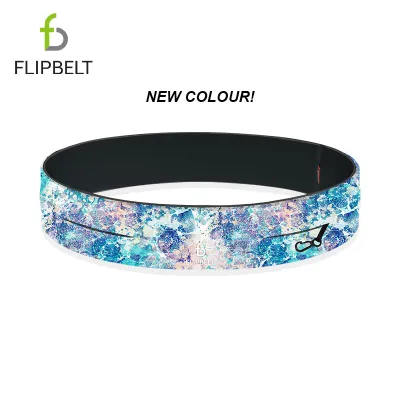
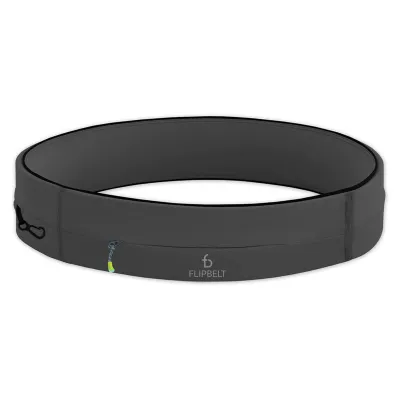
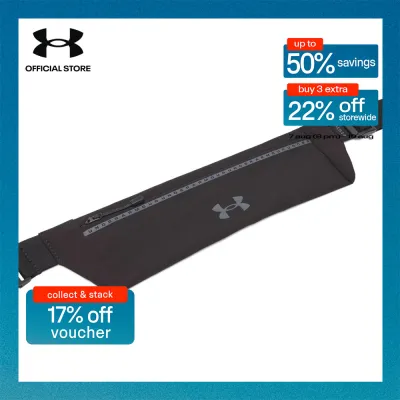
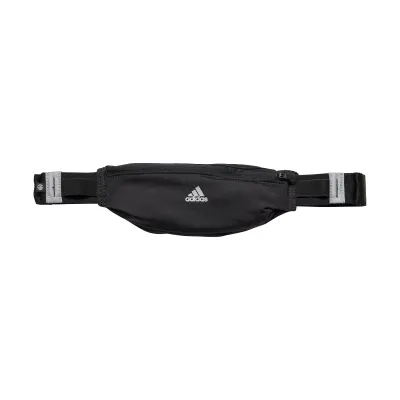
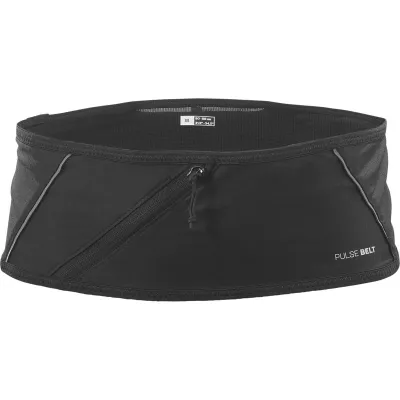
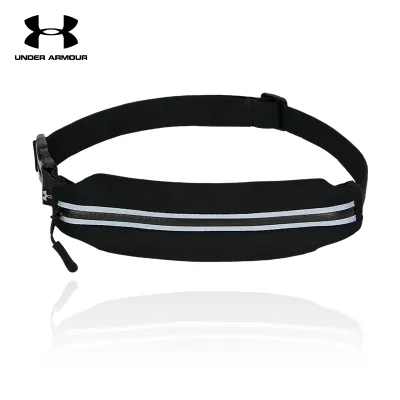
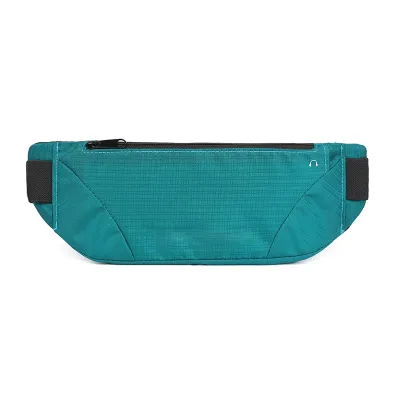
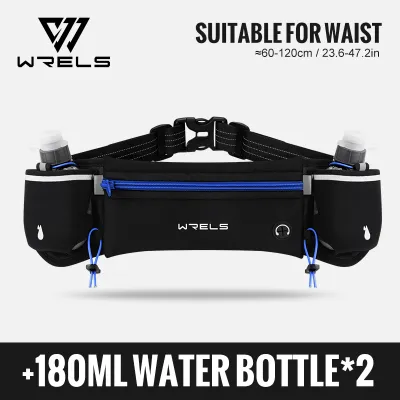
Prices are valid at publication and may change. Please refer to the product page for the latest price.
When inspecting a product, look closely at the fabric’s weave. A tight, uniform weave offers high durability but acts as a solid barrier to airflow. In contrast, an open-weave or knit pattern creates thousands of tiny gaps in the fabric, allowing air to pass directly through to your skin. Many premium brands utilize a double-layer design where the inner layer is a highly porous mesh to promote ventilation, while the outer layer is a slightly denser, stretchy synthetic to hold your items securely.
Zippers can also impact breathability. Heavy plastic or metal zippers, along with the reinforced fabric backing required to sew them in, add bulk and create non-breathable hotspots against your waist. Fold-over pockets or elasticized openings, common in tubular designs, eliminate the need for heavy zippers, reducing weight and maximizing the breathable surface area of the belt.
Structural Design
The physical shape of the belt dictates how much heat is trapped. Tubular belts are designed as a continuous band that wraps flat around your entire waist. This maximizes the contact area with your skin, meaning the belt must rely entirely on its material’s moisture-wicking properties to keep you dry. On the other hand, adjustable strap belts feature a narrow elastic band with a small, concentrated pocket. Because the overall surface area touching your skin is minimized, your body has more exposed surface area for natural sweat evaporation. However, a smaller contact area can sometimes lead to more bounce if you carry heavier items, requiring a careful balance between cargo weight and stability.
Moisture Management vs. Airflow
True breathability is a combination of two distinct mechanisms: moisture wicking and ventilation. Moisture wicking refers to a fabric’s ability to pull liquid sweat away from your skin to the outer surface of the material, where it can evaporate. Ventilation, or airflow, is the physical movement of air through the fabric or around the belt’s structure. A belt made of highly wicking fabric can still feel hot if it lacks ventilation, while a highly ventilated mesh belt may struggle if the structural parts of the pocket are made of non-breathable plastic backings. Look for designs that combine hydrophobic synthetic fibers with open-mesh panels to achieve both efficient wicking and continuous airflow.
Comparing Popular Running Belt Styles for Airflow and Comfort
Different brands approach the challenge of balancing storage, stability, and breathability in unique ways. By understanding the primary design categories, you can select a style that aligns with your specific running environment, body geometry, and gear requirements.
Tubular Spandex Designs (e.g., FlipBelt, Naked Running Band)
Tubular running bands, popularized by brands like FlipBelt and Naked Running Band, are designed as a wide, continuous sleeve of stretchy fabric that sits flat against your hips or waist. Because they lack buckles, plastic adjusters, or harsh seams, they distribute the weight of your cargo evenly around your torso, virtually eliminating the annoying bouncing motion common with traditional packs.
However, because a tubular belt wraps completely around your waist, it creates a continuous barrier over your skin. There are no structural gaps to allow direct wind or air to circulate underneath. Consequently, the breathability of a tubular design relies entirely on the quality of its textile engineering. High-performance models utilize advanced nylon-elastane blends with integrated micro-perforations or open-knit mesh structures to facilitate rapid moisture transfer. If the fabric is high quality, it will quickly pull sweat away from your waist, keeping you dry even though the skin is covered.
These belts excel in moderate climates or during shorter, high-intensity workouts where a secure fit is paramount. When the belt fits snugly, the fabric remains in constant contact with your skin, allowing the capillary action of the wicking fibers to function continuously. However, if you run in extremely hot, windless conditions, the lack of direct air circulation can make the covered area feel warmer than a minimalist strap design.
Choose this if: You prioritize absolute stability, prefer to carry multiple items (such as a phone, keys, and soft flasks) distributed evenly, and run at a steady pace where a secure, bounce-free fit is more critical than direct, open-air skin ventilation.
Adjustable Mesh Strap Designs (e.g., SPIbelt, Salomon)
Adjustable strap designs, exemplified by brands like SPIbelt and certain minimalist Salomon models, utilize a narrow elastic waistband connected to a small, expandable pouch. The pouch itself is often constructed from lightweight, breathable mesh or highly flexible synthetic fabrics that expand only when filled.
The primary advantage of this design is the minimal surface area that actually touches your body. With only a narrow strap and a small pocket resting against your lower back or waist, the rest of your skin remains completely exposed to the surrounding air, facilitating natural convective cooling and sweat evaporation. This makes them inherently cooler to wear in still air or low-wind conditions. The trade-off, however, is that carrying heavy items like a large smartphone can cause the pocket to sag or bounce against your body, which may lead to friction or require you to overtighten the strap, potentially causing discomfort.
Furthermore, the adjustment buckles and plastic sliders can sometimes create localized pressure points. If the strap fabric is not made of soft, breathable elastic, it can trap sweat directly underneath the band, leading to minor skin irritation. Runners who choose this style should look for straps made of plush, perforated elastic to minimize this risk.
Choose this if: Maximum direct skin ventilation is your primary goal, you only need to carry minimal essentials like a single key, card, and standard-sized phone, and you prefer a highly adjustable fit that can be easily loosened or tightened on the fly.
Structured Mesh Waist Packs
Structured mesh waist packs are designed for long-distance runners, trail runners, and marathoners who need to carry significant gear—such as hydration flasks, energy gels, and emergency supplies—without wearing a full hydration vest. These belts feature a wider, more rigid profile than standard strap belts, often incorporating a semi-rigid back panel and dedicated water bottle holsters.
To combat the heat buildup associated with a larger physical footprint, manufacturers utilize technical, multi-layered mesh backings, often referred to as 3D mesh or open-cell spacer mesh. This structure creates a physical gap between the solid cargo compartments and your body, allowing air to flow through the channels of the mesh. However, if the padding is excessively thick or the mesh pores are too fine, these packs can still trap a significant amount of metabolic heat around your lower back, leading to localized sweating.
While these packs offer outstanding organization and load support, they are the heaviest option. The structural elements required to prevent a full water bottle from bouncing can feel restrictive during fast-paced road runs. They are best suited for off-road trails where the pace is more varied and the need for self-sufficiency outweighs the desire for a weightless feel.
Choose this if: You are embarking on long-distance or trail runs that require you to carry hydration and nutrition, and you need a highly structured system that balances heavy load distribution with engineered ventilation channels.
Choosing the Right Belt for Singapore's Heat and Humidity
Running in Singapore presents a unique set of physiological challenges due to the year-round high temperature and relative humidity levels that frequently exceed 80 or 90 percent. In dry climates, sweat evaporates quickly from the skin, providing a natural cooling effect. In Singapore’s humid air, however, the air is already saturated with moisture, meaning sweat pools on the skin rather than evaporating. This makes the selection of a running belt incredibly critical, as any non-breathable material will act as a vapor barrier, trapping moisture and rapidly raising your core temperature.
To optimize comfort during outdoor runs along the East Coast Park, Southern Ridges, or around the Marina Bay loop, pay close attention to the width and placement of your belt. A belt that is too wide can cover a significant portion of your lower abdomen and lower back, areas rich in sweat glands. If you choose a tubular belt, opt for one with a highly porous, open-weave mesh construction. Position the belt slightly lower on your hips rather than directly over your stomach or waistline; this keeps your abdominal area free to breathe and allows your running singlet or shirt to ventilate your core more effectively.
The color of your gear also plays a subtle but noticeable role, especially if you train during the daytime under direct sunlight. Dark fabrics, such as black or deep navy, absorb more radiant heat from the sun, which can warm up the belt and the items inside it, including your phone or hydration flasks. Selecting lighter colors—such as grey, white, or high-visibility neon shades—helps reflect solar radiation, keeping the belt cooler.
Furthermore, consider how the belt integrates with your running shorts. Many modern lightweight running shorts feature thin, breathable waistbands. A bulky, heavy running belt worn directly over a technical waistband can compress the fabric, rendering the shorts’ built-in ventilation zones useless. Look for minimal-profile belts that sit cleanly either just above or just below your shorts’ waistband to ensure both garments can perform their moisture-management duties effectively.
While selecting a highly breathable running belt is crucial for comfort, it is important to remember that gear cannot replace proper physical conditioning, heat acclimatization, and hydration. When running in Singapore’s intense heat, always monitor your body’s signals. High humidity severely limits your body’s ability to cool itself, increasing the risk of heat-related illnesses such as heat exhaustion or heat stroke. Before heading out, check the local weather forecast and PSI (Pollutant Standards Index) levels. If you experience symptoms such as dizziness, nausea, excessive fatigue, or a sudden cessation of sweating, stop running immediately, seek shade, hydrate, and find a cool environment. A breathable belt helps manage sweat, but it is not a substitute for sound judgment and safety precautions.
Preventing Chafing and Maintaining Your Running Belt
When sweat cannot evaporate efficiently, it accumulates between the running belt and your skin, creating a high-friction environment. This trapped moisture softens the skin, making it highly susceptible to chafing, redness, and painful abrasions, particularly during long-distance training sessions. Preventing these issues requires a combination of proper fitting techniques and diligent gear maintenance.
To minimize friction, ensure your running belt is fitted correctly before you take your first stride. A common mistake is wearing the belt too high around the soft tissue of the waist, where it can easily slide up and down as your body moves. Instead, position the belt snugly around the widest part of your hips or just along the pelvic crest. The bony structure of your hips provides a stable foundation, preventing the belt from shifting vertically. If you are using an adjustable strap belt, tighten it sufficiently so that it does not bounce when you jog, but avoid overtightening, which can restrict your breathing and compress your skin, trapping sweat.
If you are prone to severe chafing, consider applying a specialized anti-chafing balm or lubricant to your skin in the areas where the belt rests before you begin your run. This creates a protective barrier that reduces friction even if sweat accumulates. Additionally, check the seams of the belt before purchasing. Flatlock seams, which lie completely flat against the fabric, are highly desirable as they minimize the raised edges that can rub against your skin during the repetitive motion of running.
Maintaining the cleanliness of your running belt is equally important for preserving its breathability and performance. Over time, sweat leaves behind salt crystals, body oils, and dead skin cells that can clog the micro-pores of technical fabrics, significantly reducing their moisture-wicking efficiency. Additionally, trapped moisture provides an ideal breeding ground for bacteria, leading to persistent, unpleasant odors.
To care for your belt, check the manufacturer’s care label first. As a general rule, rinse your belt under cool, fresh water immediately after every run to wash away salt and sweat before they dry and crystallize. For a thorough clean, hand wash the belt using a mild, liquid sport detergent that does not contain fabric softeners, as softeners leave a chemical residue that coats the fibers and destroys their wicking capabilities. Avoid using a tumble dryer, as high heat can degrade the elastic fibers (elastane) and damage any plastic buckles or reflective elements. Instead, gently squeeze out excess water—without wringing or twisting the fabric—and hang the belt to air dry in a well-ventilated indoor area or in the shade, away from direct sunlight, to preserve its elasticity and structural integrity.
When washing your belt, always secure any hook-and-loop fasteners (like Velcro) or buckles. Loose fasteners can snag on the delicate mesh or elastic fibers of the belt during washing, causing pilling or tearing that permanently degrades both the aesthetics and the structural integrity of the fabric. If you must use a washing machine, place the belt inside a mesh laundry bag and use a gentle cycle with cold water.
Frequently Asked Questions (FAQ)
Can I wear a running belt over my shirt for better breathability?
Yes, wearing your running belt over your shirt is a viable option that many runners prefer, especially in hot conditions. This setup prevents the belt’s fabric and seams from rubbing directly against your bare skin, which can significantly reduce the risk of chafing and localized skin irritation. It can also make your waist feel cooler, as the shirt fabric acts as an initial wicking layer.
However, this method introduces a clear trade-off regarding stability. Synthetic running shirts are often highly smooth and slippery. Placing a running belt over a slippery fabric increases the likelihood of the belt sliding upward toward your waist or bouncing during your run, which can be highly distracting. If you choose to wear your belt over your shirt, ensure the belt has a highly secure, non-slip interior grip or adjust the tension slightly to compensate for the reduced friction. It is highly recommended to test this configuration on a short, low-intensity run before committing to it for a long-distance workout.
Does a wider running belt cause more sweating?
Generally, yes. A wider running belt covers a larger surface area of your torso, which naturally traps more body heat and limits the amount of skin exposed to direct air circulation. If the belt is constructed from a solid, dense fabric without ventilation holes, it will inevitably lead to increased sweating around your midsection.
However, width is not the only factor to consider. A wider belt, such as a high-quality tubular band, distributes the weight of your items much more evenly around your hips. This prevents the concentrated pressure points and bouncing associated with narrow, heavily loaded strap belts. If you require the carrying capacity and stability of a wider belt, look for models specifically engineered with open-cell mesh, 3D spacer mesh, or extensive micro-perforations. These design features allow air to flow through the wide band, mitigating the heat-trapping effect while still providing the structural support and storage space you need for your run.
Community discussion
Share your experience or ask a question. Comments are reviewed before publication.