
When comparing Pokemon water bottles, the most critical factor to understand is that the Pokemon branding itself has no bearing on how long your drink stays cold or how well the bottle survives a drop. Because these bottles are produced by various third-party manufacturers under intellectual property (IP) licensing agreements, their performance, materials, and durability vary wildly. To find a bottle that keeps your drinks icy during a humid commute or survives daily school runs, you must look past the Pikachu or Charizard graphics and evaluate the underlying engineering.
Choosing the right bottle requires analyzing the construction of the vessel, the design of the lid, and the quality of the exterior print. By understanding what to look for on the packaging and specifications, you can avoid overpaying for a low-quality novelty container and instead invest in a durable, high-performing hydration companion.
Understanding the Licensing: Who Actually Makes Your Pokemon Water Bottle?
Because “Pokemon” is an intellectual property and not a manufacturing company, The Pokemon Company licenses its characters to a wide range of housewares and outdoor gear brands. This means a Pokemon-branded bottle could be manufactured by an industry leader known for high-end thermal engineering, or it could be produced by a generic novelty importer specializing in low-cost souvenir items. The thermal retention, leak resistance, and overall lifespan of the bottle are determined entirely by the actual manufacturer’s standards.
Products mentioned in this guide
![[Official License] Pokemon Spout Water Bottle with Sling Strap ● Pikachu Charmander Mew ● Kids Drinking Bottle with Detachable Strap ● Plastic Bottle for School ● Baby Drink Bottle ● Lightweight Water Bottle with Sling](https://img.lazcdn.com/g/p/60b78e057a0f8c011a5e4c46c8f43630.png_400x400q80.png_.webp)
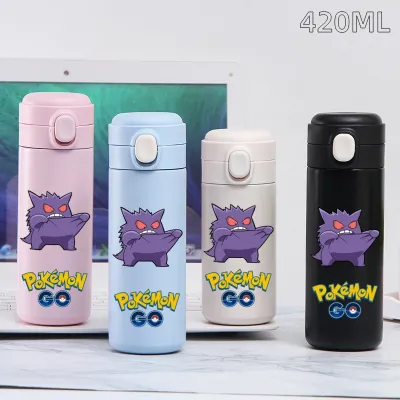
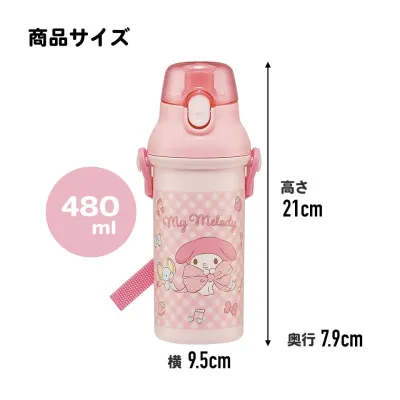
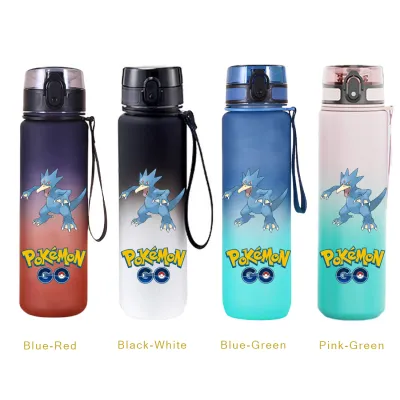
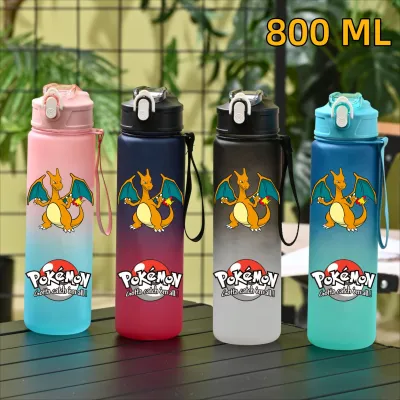
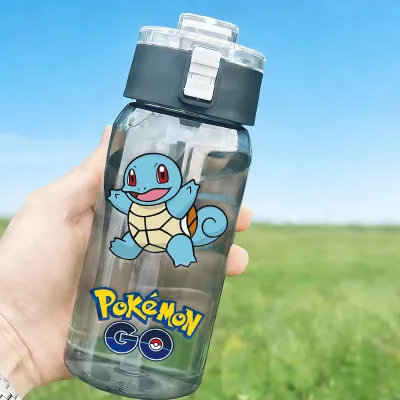
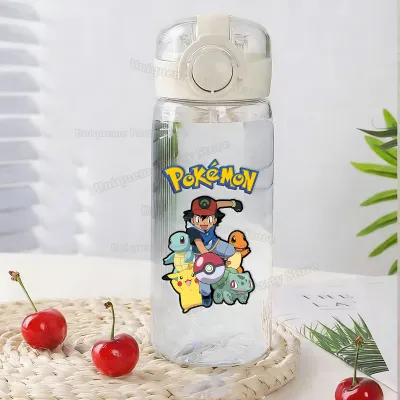
Prices are valid at publication and may change. Please refer to the product page for the latest price.
To determine who actually made the bottle, you must inspect the packaging, the user manual insert, or the base of the bottle itself. Reputable manufacturers will clearly stamp their brand name, material type (such as 18/8 stainless steel), and care instructions on the bottom of the vessel. If the packaging only features licensing copyright text without a clear manufacturing brand, the bottle is likely a generic promotional item that may not offer advanced thermal performance.
It is also important to recognize the price premium associated with licensed merchandise. When you purchase a Pokemon water bottle, a portion of the retail price—often ranging from S$30 to S$50 for mid-tier models—goes toward licensing fees rather than raw material quality. Consequently, a licensed bottle may cost the same as a premium, unbranded sports bottle while offering slightly simpler construction. Recognizing this trade-off helps you set realistic expectations regarding the bottle’s long-term durability.
Evaluating Insulation: Vacuum Stainless Steel vs. Plastic
If keeping your water cold during hot, humid days is your primary goal, the material and insulation technology of the bottle are paramount. Double-wall vacuum insulation is the gold standard for temperature retention. This construction features an inner and outer stainless steel wall with a sealed vacuum gap between them, which prevents heat transfer by conduction or convection. These bottles are highly effective at keeping ice solid for hours and will not sweat, making them ideal for preventing condensation puddles on office desks or inside school bags.

In contrast, single-wall plastic or metal bottles offer no insulation whatsoever. While they are lightweight and inexpensive, they allow heat to transfer rapidly, meaning cold water will quickly reach room temperature. Furthermore, in humid climates like Singapore, single-wall bottles containing cold liquids will sweat profusely. This condensation can easily damp nearby papers, books, or electronics inside a backpack, making single-wall designs less practical for daily commutes.
To verify a bottle’s insulation capabilities, ignore vague marketing claims like “keeps cold all day” and look for specific manufacturer ratings. Reliable brands typically specify temperature retention performance, such as “maintains cold temperatures below 10°C for up to 6 hours” under controlled testing conditions. Additionally, consider the lid design: wide-mouth screw caps provide the best thermal seal, while straw lids and flip-top spouts introduce more plastic components and air pathways, which slightly reduces overall thermal efficiency.
Assessing Build Quality, Lids, and Print Durability
Evaluating physical durability is essential if the bottle will be used by children or carried during outdoor activities. The body material dictates how well the bottle survives drops on hard surfaces. Food-grade 18/8 (304) stainless steel is highly durable and resistant to puncturing, though a hard impact on concrete can dent the metal and potentially compromise the vacuum seal. For plastic options, Tritan co-polyester is a premium, BPA-free material known for its extreme shatter resistance and glass-like clarity, making it a safer alternative to cheaper, brittle plastics.
Lid mechanisms are often the first point of failure on any water bottle. Push-button and spring-loaded flip-top lids offer convenient, one-handed operation but contain delicate plastic latches and tiny metal springs that can break over time. Simple screw-on lids have fewer moving parts and are inherently more durable and leak-resistant. Regardless of the style, ensure the lid utilizes a thick, removable silicone gasket to create a tight seal, and verify that replacement gaskets are available from the manufacturer to extend the bottle’s lifespan.
Print durability is another common concern for character-themed merchandise. Cheaply made bottles often use thin heat-transfer decals or stickers that scratch, peel, or fade after a few washes. High-quality licensed bottles utilize advanced printing techniques, such as powder coating with laser-etched graphics or multi-layer UV printing. To check the print quality before buying, run your fingers over the design; a slightly raised, textured print that feels integrated into the outer coating is generally much more resistant to wear than a smooth, glossy sticker.
Matching Bottle Types to Your Daily Routine
To find the right Pokemon water bottle, you must match its physical characteristics to your daily environment, carrying method, and hydration needs. The table below outlines how different common bottle structures compare across key performance dimensions.
| Bottle Type | Insulation Level | Drop Durability | Weight | Cleaning Ease | Best Suited For |
|---|---|---|---|---|---|
| Vacuum Insulated Stainless | High (keeps cold 6–12+ hours) | Medium (dents on impact; can lose vacuum) | Heavy | Medium (requires gasket removal) | Hot commutes, office desks, long outdoor trips |
| Tritan Sport Bottle | None (sweats in humid weather) | High (shatter-resistant plastic) | Light | Easy (often dishwasher safe) | Gym sessions, school sports, lightweight travel |
| Single-Wall Aluminum | None (sweats in humid weather) | Low (dents easily; interior lining can crack) | Very Light | Easy (hand wash only) | Short commutes, budget-conscious users |
| Double-Wall Acrylic | Low (prevents sweat; minimal retention) | Low (can crack easily if dropped) | Medium | Medium (hand wash only) | Casual indoor desk use, cold drinks at home |
For active users who commute on public transport or spend time outdoors, a vacuum-insulated stainless steel bottle is highly recommended to combat heat and eliminate condensation. However, if you are packing a bottle into a child’s school bag where weight is a primary concern, a shatterproof Tritan plastic bottle may be the more practical choice, provided you do not require long-term temperature retention.
Decision Framework: Which Pokemon Bottle Should You Buy?
To make your final decision, prioritize your primary use case and maintenance preferences using the following guidelines:
- Choose a vacuum-insulated stainless steel bottle if: You prioritize ice-cold water, want to avoid condensation sweat in your bag, and do not mind carrying a slightly heavier vessel.
- Choose a Tritan plastic bottle if: You need a lightweight, highly impact-resistant bottle for sports or school, and you do not require your drinks to stay cold for extended periods.
- Choose a simple screw-cap lid if: You want maximum leak protection and a design that is easy to clean with minimal risk of mechanical failure.
Before purchasing, perform a few practical checks. Measure the base diameter of the bottle to ensure it fits into your backpack’s side pockets or your vehicle’s cup holders. Always read the manufacturer’s care instructions regarding dishwasher safety; while some plastic bottles can handle the heat of a dishwasher, almost all printed or vacuum-insulated bottles require hand-washing to preserve the exterior graphics and protect the internal vacuum seal. Finally, prioritize brands that sell replacement silicone gaskets, as these components must be replaced periodically to maintain a hygienic, leak-proof seal.
Frequently Asked Questions (FAQ)
Are Pokemon water bottles safe for hot liquids?
Only specific vacuum-insulated stainless steel models equipped with heat-rated screw caps are safe for hot beverages. You should never put hot liquids into single-wall plastic, single-wall aluminum, or any bottle featuring a straw lid or push-button spout. Hot liquids can cause pressure buildup inside the bottle, leading to sudden leaks or spraying when opened, and can deform plastic components or cause severe burns. Always check the manufacturer’s maximum temperature rating on the packaging before use.
How do I clean a Pokemon water bottle without damaging the design?
To preserve the exterior Pokemon graphics, hand-wash the bottle using a soft sponge, warm water, and mild dish soap. Avoid abrasive scrubbing pads, harsh chemical cleaners, or soaking the exterior of the bottle for long periods, as these can scratch or peel the printed artwork. To clean the interior thoroughly, use a soft-bristled bottle brush. Always remove the silicone gasket from the lid using a blunt tool, clean it separately, and allow all parts to dry completely before reassembling to prevent mold and odor buildup.
Community discussion
Share your experience or ask a question. Comments are reviewed before publication.