
Quick Answer: What Defines the Best Foam Yoga Block?
When comparing popular foam yoga block brands, the primary differences stem from the density of the Ethylene-Vinyl Acetate (EVA) foam used and the specific surface texturing applied during manufacturing, rather than entirely different raw materials. Premium fitness and wellness brands typically utilize high-density EVA foam to deliver firm, unyielding support that mimics the stability of cork without the heavy weight. Conversely, budget-friendly or travel-oriented brands prioritize lightweight portability, opting for softer, lower-density foam.
Grip performance is determined by surface micro-textures and the precision of edge beveling, while long-term durability is directly tied to the foam’s resilience against compression. No single brand or density level wins across all categories. The ideal choice depends entirely on your personal practice style, balancing the need for rigid stability in active poses against the desire for gentle cushioning in restorative postures.
Comparing Foam Density: Support vs. Comfort
To understand how different foam blocks perform, you must first look at the material structure of Ethylene-Vinyl Acetate (EVA) foam. EVA is a copolymer of ethylene and vinyl acetate, and its density is determined by the ratio of these components and the gas expansion process during manufacturing. In yoga blocks, density translates directly to how much the material compresses under physical load. High-density blocks are engineered with tightly packed, closed-cell structures, whereas low-density blocks contain larger microscopic air pockets within the foam matrix.
Products mentioned in this guide
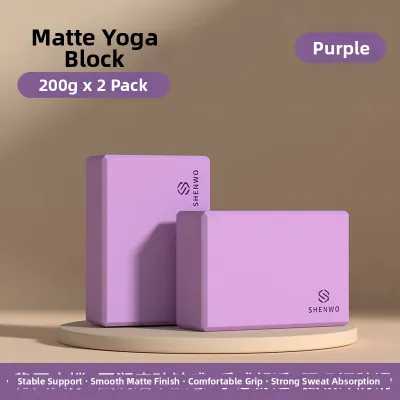
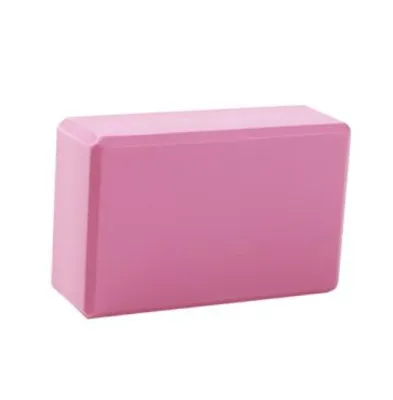
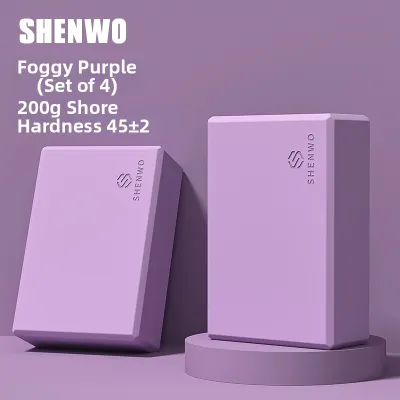
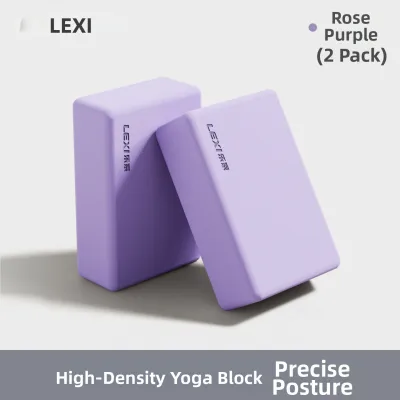
Prices are valid at publication and may change. Please refer to the product page for the latest price.

High-density foam blocks, which are favored by premium studio brands, provide a stiff and highly stable platform. When you place your full body weight onto a block during demanding standing balances like Half Moon Pose (Ardha Chandrasana) or when preparing for handstands, a high-density block resists collapsing. This structural rigidity keeps your wrists at a safe, neutral angle and prevents the wobbling that can lead to joint strain. For practitioners focusing on alignment, precision, and strength, a dense block behaves similarly to wood or cork, offering a reliable extension of the floor.
On the other hand, standard or low-density foam blocks excel in comfort and cushioning. During restorative yoga, Yin yoga, or gentle stretching, you often place blocks under sensitive areas of the body for extended periods. Resting your sacrum on a high-density block during Supported Bridge Pose (Setu Bandha Sarvangasana) or placing one under your thoracic spine in Supported Fish Pose (Matsyasana) can cause discomfort or bruising along the bony prominences of the spine. Softer, lower-density foam yields slightly under pressure, distributing your body weight more evenly and providing a gentle, cushioned interface that respects joint sensitivity.
Because manufacturers rarely publish the exact durometer (hardness) ratings of their foam, you must know how to verify density yourself before purchasing. You can evaluate density through several physical indicators:
- Check the product weight specifications: A standard 4-inch (approximately 10 cm) high-density foam block typically weighs between 250 and 400 grams. In contrast, a budget, low-density block of the same dimensions often weighs 150 grams or less.
- Look for specific manufacturing terms: Seek out labels such as "high-density EVA," "firm support," "studio-grade," or "heavyweight foam" in the product documentation.
- Perform the physical pinch test: If you are shopping in a physical store, press your thumb and forefinger firmly into the corner of the block. A high-density block will feel solid and resist compression, leaving no visible mark. A low-density block will yield easily to the pressure, feeling spongy and soft.
Evaluating Grip and Surface Texture
Maintaining a secure connection with your yoga block is essential for safety, particularly when your hands are bearing weight. If your hands slip during poses like Downward-Facing Dog (Adho Mukha Svanasana) or a modified side plank, you risk sudden slips that can strain your shoulders or wrists. Foam block brands address this risk by engineering specific surface textures. Some brands apply a fine, matte finish that creates dry friction against the skin, while others mold subtle patterns, such as cross-hatched lines, orange-peel textures, or shallow parallel ridges, directly into the foam.
The geometry of the block’s edges also plays a critical role in how secure and comfortable it feels in your hand. Premium blocks feature generous edge beveling, where the sharp 90-degree corners are rounded off into smooth, angled slopes. This chamfered design allows your fingers to wrap naturally around the edges without experiencing localized pressure points. Sharp, unbeveled edges found on basic, budget models can dig into your palms and wrists, making it difficult to maintain a relaxed yet firm grip during long holds.
Moisture management is another variable when comparing foam surfaces. Because EVA foam is a closed-cell material, it does not absorb liquids. While this prevents sweat from soaking into the core of the block, it also means that moisture can pool on the surface. When sweat accumulates, it acts as a lubricant, reducing the coefficient of friction. To counter this, look for blocks with highly textured, non-glossy surfaces. Matte and embossed finishes help disperse moisture across the microscopic valleys of the texture, maintaining a safer dry-to-damp grip than smooth, shiny foam finishes.
Regardless of the brand’s engineering, you must recognize that all foam surfaces will naturally lose grip over time. As you practice, natural body oils, sweat, cosmetics, and moisturizing lotions accumulate on the block’s surface, creating a slick barrier. This buildup degrades the tactile performance of even the most premium textured foam. To preserve the original grip characteristics, implement a consistent cleaning routine to strip away these oils before they permanently glaze the surface.
Assessing Durability and Longevity Expectations
When investing in yoga gear, understanding how foam ages under regular use will help you set realistic expectations for its lifespan. The primary mechanical threat to a foam block is a phenomenon known as “compression set.” This refers to the permanent deformation that occurs when a polymer foam is subjected to continuous or repeated compressive stress. Low-density foam blocks are highly susceptible to compression set; over months of supporting your hips, feet, or knees, they can develop permanent hollows, lose their flat surfaces, and become unstable. High-density EVA foam exhibits excellent structural memory, returning to its original shape even after supporting heavy loads.
Edge and corner wear are also key indicators of overall manufacturing quality. Yoga blocks are frequently dropped, dragged across high-friction yoga mats, packed tightly into gym bags, or stacked in studio cubbies. Under these conditions, low-grade foam blocks often begin to chip, flake, or peel at the corners. This degradation not only creates a mess of tiny foam particles but also compromises the structural integrity of the block’s edges. High-density blocks with precise, heat-sealed beveled edges resist this physical abrasion, maintaining clean, smooth borders over years of active use.
Environmental factors also play a major role in the degradation of EVA foam. To maximize the life of your blocks, you should protect them from the following common stressors:
- Prolonged UV exposure: Ultraviolet radiation from direct sunlight breaks down the polymer chains within EVA foam. This process, known as photodegradation, causes the foam to fade, lose its elasticity, become brittle, and eventually crumble.
- Extreme heat: Storing your yoga blocks in hot environments, such as the trunk of a car parked under the tropical sun or near a balcony window, can cause the air pockets inside the foam to expand and warp, permanently distorting the block's shape.
- Harsh cleaning chemicals: Solvent-based cleaners, alcohol-based sanitizing sprays, and concentrated essential oils can dissolve the surface finish of the foam, leading to a sticky texture or rapid material breakdown.
To verify durability claims before making a purchase, look for manufacturers that offer clear product warranties, which indicate confidence in their material sourcing. Additionally, read long-term user reviews specifically searching for terms like “shape retention,” “chipping,” “denting,” or “flaking” after six to twelve months of use. Avoid purchasing blocks that feel excessively light, airy, or paper-like to the touch, as these are clear indicators of low-grade foam that will degrade quickly under regular physical stress.
Decision Framework: Which Foam Block Fits Your Practice?
Choosing the right foam block requires matching the material specifications to your physical needs, practice environment, and budget. Use the following framework to determine which tier of foam block aligns with your yoga journey.
Choose High-Density / Premium Brands if:
- You practice active, weight-bearing styles such as Vinyasa, Ashtanga, Power, or Iyengar yoga, where you rely on the block to support your full body weight in balancing poses and inversions.
- You require unyielding, rock-steady support that will not flex or wobble under pressure, ensuring your wrists and joints remain properly aligned.
- You view your yoga gear as a long-term investment and want a block that will retain its shape, dense structure, and clean edges through years of daily, high-intensity use.
- You prefer a block with generous, professionally beveled edges that minimize hand fatigue and wrist strain during deep, weight-bearing grips.
Choose Standard-Soft / Budget Brands if:
- Your practice consists primarily of Yin, restorative, gentle, or prenatal yoga, where the block's main purpose is to provide comfortable cushioning under your hips, spine, knees, or head.
- You travel frequently or commute to local studios and require an ultra-lightweight block that will not add noticeable weight to your gear bag.
- You are a beginner exploring yoga for the first time and want an affordable, low-risk tool to assist with basic flexibility modifications before upgrading to premium equipment.
- You plan to use the blocks primarily as light spacers or gentle supports rather than heavy load-bearing foundations.
Verify First if:
- You have skin sensitivities, allergies, or environmental preferences: Always check the product specifications to ensure the EVA foam is certified as non-toxic, latex-free, and free of heavy metals or harmful phthalates.
- You practice hot yoga or sweat heavily: Understand that closed-cell foam blocks can become slippery when wet. If you choose foam, verify if you need to pair it with a slip-resistant microfiber yoga towel, or consider opting for a high-grip cork block instead.
Frequently Asked Questions (FAQ)
Can I use a foam yoga block for hot yoga?
While you can use a foam yoga block for hot yoga, it is not the ideal material for high-sweat environments. Because EVA foam is a closed-cell plastic polymer, it does not absorb moisture, causing sweat to pool on the surface and making the block slippery under your hands or feet. If you prefer the lightweight feel of foam for heated classes, you should drape a small, slip-resistant microfiber yoga towel over the block during practice to absorb sweat and maintain traction. Alternatively, you may want to invest in a natural cork block, which naturally absorbs moisture and actually becomes grippier when damp.
How do I clean my foam yoga block without ruining the grip?
To clean your foam yoga block safely and preserve its surface texture, wipe it down with a soft microfiber cloth dampened with warm water and a few drops of mild, non-abrasive dish soap. After wiping away any surface dirt and body oils, rinse the cloth with clean water and wipe the block again to remove any soapy residue. Always allow the block to air dry completely in a well-ventilated indoor space, away from direct sunlight. Never use harsh household chemicals, bleach, alcohol-based sanitizers, or concentrated essential oils, and do not place the block in a washing machine or dryer, as these methods will break down the EVA foam structure and permanently ruin the grip.
Community discussion
Share your experience or ask a question. Comments are reviewed before publication.