
Finding the right recovery tool in Singapore’s active wellness market can be challenging, given the sheer volume of options. Whether you are a marathon runner training along the East Coast Park, a strength athlete lifting in a local gym, or an office professional dealing with the physical strain of prolonged desk work in the Central Business District, muscle recovery is essential. A high-quality hammer massager can significantly accelerate muscle relief, but choosing the right one requires looking beyond flashy marketing.
There is no single “best” brand that suits everyone. The ideal choice depends entirely on your specific recovery goals, physical build, and budget. Premium professional-grade brands excel at delivering high-stall-force deep tissue therapy for serious athletes who require intense, daily muscle recovery. Mid-tier brands offer a balanced combination of reliable brushless motors, functional ergonomics, and reasonable pricing, making them highly suitable for regular gym-goers and fitness enthusiasts. Budget-friendly entry-level brands are generally sufficient for light, infrequent surface-level relaxation, though they often compromise on motor power and long-term durability.
To make an informed decision, you must evaluate how different brands perform across key technical specifications, build quality, and after-sales support. This comparison guide breaks down the essential performance metrics, design considerations, and price structures to help you identify the perfect device for your physical routine.
Products mentioned in this guide
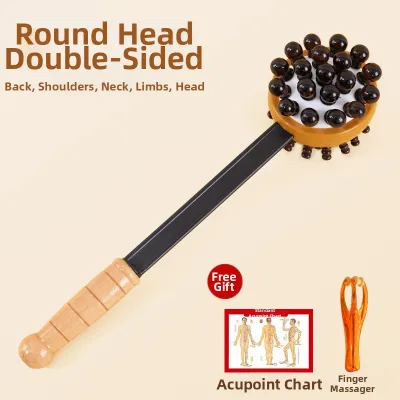
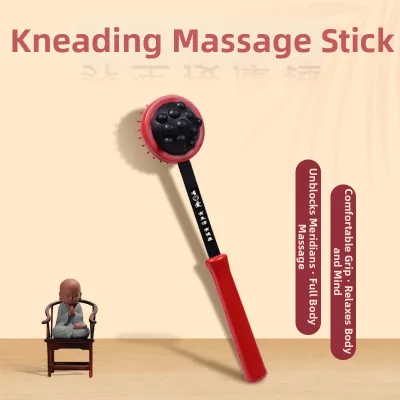

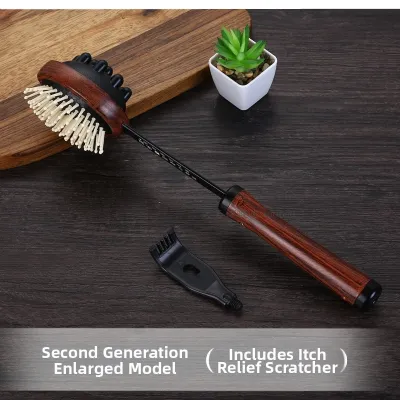
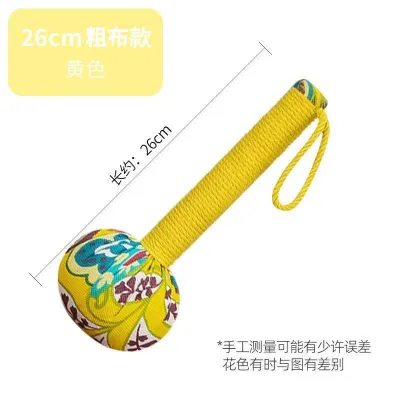
Prices are valid at publication and may change. Please refer to the product page for the latest price.
Clarifying the Category: Percussion Guns vs. Traditional Hammers
Understanding the distinction between different types of massagers is the first step toward making a smart purchase. Historically, a traditional hammer massager referred to an elongated, double-headed wand that used a rapid, mechanical tapping or slapping motion. These classic devices relied on a simple lever mechanism that vibrated against the skin’s surface. While they provided a pleasant tingling sensation and temporary surface-level circulation, they lacked the mechanical power and depth required to penetrate deep muscle tissue or address stubborn myofascial knots.
Modern wellness technology has largely replaced these older mechanical designs with percussion massage guns, which are now the dominant interpretation of the term “hammer massager” in the local market. Percussion therapy operates on a fundamentally different physical principle. Instead of merely vibrating against the skin, a percussion gun delivers rapid, concentrated pulses of pressure deep into the muscle fibers. This rapid back-and-forth motion desensitizes the surrounding pain receptors, allowing the device to work deeper into the tissue without causing the discomfort associated with heavy, static pressure.
This evolutionary shift in design offers users significantly greater control and therapeutic benefit. Modern percussion devices allow you to target specific muscle groups with precision, using interchangeable attachment heads designed for different anatomical areas. Because percussion technology targets the deeper layers of muscle and fascia, it is far more effective at relieving persistent muscle tightness, improving range of motion, and accelerating post-workout recovery than traditional surface-level vibrating wands.
Core Performance Metrics: What to Verify Before Buying
When comparing different brands in Singapore, you should look past aesthetic designs and focus on verifiable technical specifications. The performance of any percussion device rests on three primary pillars: amplitude, stall force, and percussion speed. Understanding these metrics allows you to assess whether a device can deliver the level of therapy your body requires.

Amplitude (Stroke Depth)
Amplitude refers to the distance the massage head travels back and forth, measured in millimeters. This metric determines how deep the physical pulse penetrates into your muscle tissue. Devices with a high amplitude of 12mm to 16mm are classified as true percussion tools, capable of reaching deep muscle groups like the glutes, hamstrings, and quads. If you have a denser muscle mass or require intense athletic recovery, a higher amplitude is essential. Conversely, devices with a lower amplitude of 8mm to 10mm operate closer to vibration therapy, which is better suited for superficial relaxation, sensitive areas, or light circulatory stimulation.
Stall Force (Pressure Tolerance)
Stall force represents the amount of downward pressure you can apply to the device before the motor stalls and stops running. This is a critical metric for anyone who prefers a deep, intense massage. Premium brands typically offer a stall force ranging from 40 to 60 pounds, allowing you to press the device firmly into large muscle groups without interrupting the motor’s cycle. Budget and entry-level devices often have a stall force of under 20 to 25 pounds. If you apply moderate pressure to these lower-tier models, the motor will easily bog down, rendering the device ineffective for deep tissue work.
Percussion Speed (RPM)
Percussion speed is measured in revolutions per minute (RPM) or percussions per minute (PPM). Most modern devices offer a range between 1,200 and 3,200 RPM, distributed across several adjustable speed settings. Rather than simply looking for the highest maximum speed, you should verify the range and spacing of these speed steps. A lower speed setting (around 1,500 RPM) is highly valuable for warming up sensitive muscles or treating tender areas, while higher speeds (above 2,800 RPM) are ideal for rapid post-workout muscle flushing. A device with customizable speed settings offers much greater versatility for daily use.
Motor Technology
The type of motor powering the device directly impacts its noise level, heat generation, and overall lifespan. You should look for devices equipped with brushless motors rather than brushed alternatives. Brushless motors utilize electronic controllers instead of physical carbon brushes to manage rotation. This design minimizes internal friction, allowing the device to run quietly, generate less heat, and consume less battery power. Given Singapore’s warm, humid climate, a cooler-running brushless motor is highly desirable, as it prevents the internal electronics from overheating during extended recovery sessions.
Build Quality, Ergonomics, and Daily Usability
Technical performance must be balanced with physical usability. A hammer massager that is too heavy, awkward to hold, or uncomfortable to apply will quickly find its way to the back of your storage cabinet. Evaluating the physical construction and daily ergonomics of a device is crucial for long-term satisfaction.
Weight distribution and grip design play a massive role in how easily you can treat hard-to-reach areas like the lower back, shoulder blades, and hamstrings. Standard “T-shape” designs place the majority of the weight in the head of the device, which can create significant wrist strain during longer sessions. Premium and thoughtfully designed mid-tier brands often feature ergonomic multi-grip handles or angled shafts. These designs allow you to hold the device in multiple positions, using your body weight to apply pressure rather than relying solely on wrist and forearm strength.
Another important consideration is the material quality of the attachment heads. Budget devices frequently include attachments made of hard, cheap plastic or low-density open-cell foam. Hard plastic can feel jarring and painful when accidentally run over bony prominences, while open-cell foam easily absorbs sweat, skin oils, and dust, making it difficult to sanitize. High-quality brands provide attachments made of dense, medical-grade silicone or closed-cell foam. These materials offer a comfortable, slightly yielding impact on the body and can be easily wiped clean with a damp cloth or sanitizing wipe after use.
Finally, assess the supporting features that contribute to seamless daily usability. Look for devices that utilize universal USB-C charging ports rather than proprietary barrel chargers, as this allows you to use your existing phone or laptop chargers when traveling or commuting to the gym. Clear battery life indicators, such as LED rings or digital percentage screens, are also highly beneficial for ensuring you do not run out of power mid-recovery. Additionally, a robust, compact carrying case is essential for protecting the device and keeping its various attachment heads organized.
Assessing Price Tiers and Long-Term Value
When shopping for a hammer massager in Singapore, you will encounter a wide range of price points. To determine where to invest your money, it helps to categorize the market into three distinct price tiers and understand what each tier offers in terms of build quality, safety, and after-sales support.
- Premium / Professional Tier (S$400 and above): These devices are engineered for professional therapists, trainers, and elite athletes. They feature high-grade brushless motors with exceptional stall force (up to 60 lbs) and deep amplitude (14mm to 16mm). These brands invest heavily in advanced noise-reduction technology, premium battery chemistry, and highly ergonomic designs. They typically offer extensive local warranties of one to two years and have dedicated local service centers in Singapore, making it easy to resolve any hardware issues.
- Mid-Range / Value Tier (S$150 to S$390): This tier represents the sweet spot for the vast majority of fitness enthusiasts. These devices offer respectable performance specifications, including 10mm to 12mm of amplitude, 30 to 40 pounds of stall force, and quiet brushless motors. While they may lack the extreme power of professional models, they provide excellent durability, modern USB-C charging, and comfortable silicone attachments. Warranties in this tier generally range from six months to a year, often supported by local distributors.
- Budget / Entry-Tier (Under S$150): Widely available on online marketplaces, these budget devices are appealing due to their low price tags. However, they often come with significant trade-offs. Many utilize cheaper brushed motors that run hot, produce noticeable noise, and degrade quickly. They typically have low stall force and shallow amplitude, limiting their effectiveness. Furthermore, these devices rarely offer reliable local warranty support, and their charging adapters may lack the necessary safety certifications (such as the Enterprise Singapore Safety Mark), presenting potential electrical risks.
Investing in a reputable brand with a solid local warranty is highly recommended. Because percussion massagers contain high-capacity lithium-ion batteries and heavy moving parts, shipping a defective device back to an overseas seller for repair can be incredibly expensive and complicated due to international air freight restrictions on batteries. Having access to a local Singapore service center ensures peace of mind and long-term utility.
Decision Framework: Matching the Brand to Your Routine
To finalize your decision, match your personal fitness routine, physical needs, and lifestyle to the appropriate brand profile. Use the following decision framework to guide your purchase:
- Choose Premium/Pro Brands if: You are a competitive athlete, heavy weightlifter, or fitness professional who trains multiple times a week. You require deep, clinical-grade myofascial release, high stall force to handle heavy pressure, and a highly durable device that can withstand multiple daily sessions. You value long-term reliability and want the security of a comprehensive local warranty.
- Choose Mid-Tier/Value Brands if: You are a regular gym-goer, runner, or active individual who exercises three to four times a week. You need a reliable, quiet, and ergonomically comfortable device to relieve general muscle soreness and tightness. You want premium features like USB-C charging and silicone attachments without paying a premium professional price tag.
- Choose Budget/Entry Brands if: You are a sedentary office worker or casual exerciser who only experiences occasional muscle stiffness. You intend to use the device infrequently for light, surface-level relaxation and prefer to keep your initial investment minimal.
- Verify first if: You have any pre-existing joint issues, chronic pain conditions, or are recovering from an injury. Always check the physical weight of the device before buying to ensure it is comfortable for your grip strength, and verify that the charger meets local safety standards to prevent electrical hazards in your home.
Frequently Asked Questions (FAQ)
Can I use a hammer massager directly on my neck or spine?
No, you should never use a percussion or hammer massager directly on your spine, bones, or the front and sides of your neck. The high-velocity impact of these devices can cause serious injury to delicate bony structures, nerves, and major blood vessels, such as the carotid artery. Restrict the use of your massager to dense, fleshy muscle bellies like your calves, thighs, glutes, upper traps, and shoulders. If you are experiencing persistent neck or spinal pain, avoid self-treatment and consult a qualified physiotherapist or medical professional for a proper diagnosis.
How long should a single muscle group be treated?
For optimal results and safety, limit your treatment to one to two minutes per specific muscle group during a single session. Overworking a single area can lead to localized tissue bruising, skin irritation, or increased muscle soreness. When using a device, always start on the lowest speed setting with light pressure, allowing the percussion motion to do the work. Slowly glide the device along the length of the muscle fiber. If you experience any sharp pain, numbness, or tingling, stop using the device immediately.
Community discussion
Share your experience or ask a question. Comments are reviewed before publication.