
Paddling in Singapore offers a diverse range of environments, from the tranquil waters of inland reservoirs like MacRitchie and Bedok to the challenging coastal currents of Changi, Sentosa, and the Southern Islands. Choosing the right kayak requires balancing your paddling ambitions with the practical realities of local storage, transportation, and budget. The market features a wide spectrum of brands, ranging from highly portable, budget-friendly inflatables to specialized, high-performance hard-shells designed for open-sea touring or serious kayak fishing.
To make an informed investment, you must evaluate how different manufacturers construct their hulls, the environments their designs are optimized for, and the total cost of ownership in Singapore. This guide compares the primary brand categories and price tiers available locally, helping you match your skill level and storage constraints with the right equipment.
Quick Answer: Which Kayak Brand Category Fits Your Needs?
Selecting the ideal kayak brand category depends on where you plan to paddle, your skill level, and how you intend to store and transport your watercraft. Because Singapore’s residential landscape consists primarily of high-rise apartments with strict space limitations, storage and transport are often the deciding factors before hull performance even comes into play.
Products mentioned in this guide
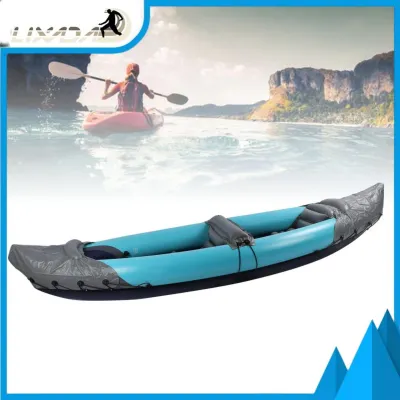
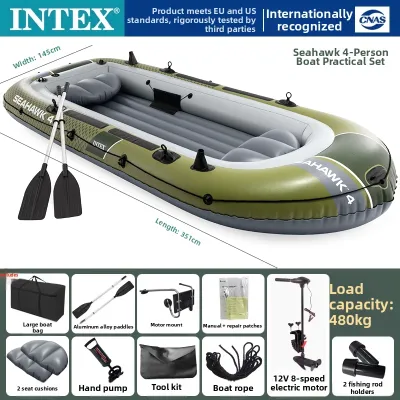
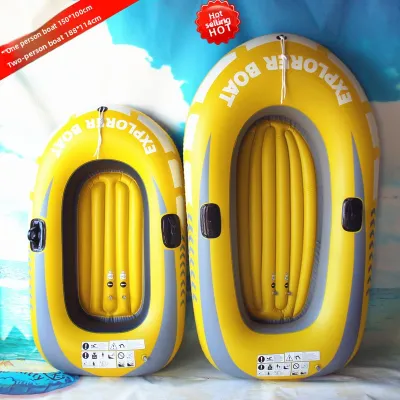
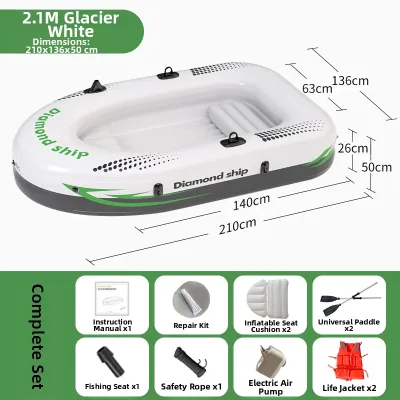
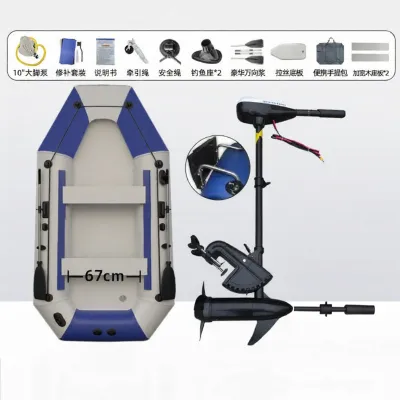
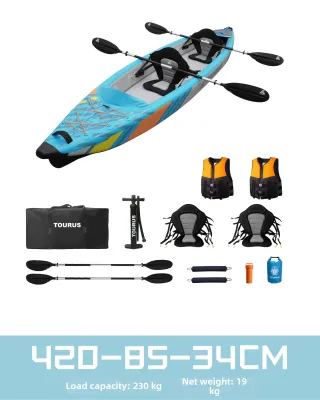
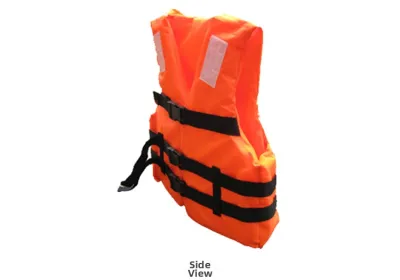
Prices are valid at publication and may change. Please refer to the product page for the latest price.
Choose an Entry-Level or Recreational Brand if:
- You plan to paddle exclusively on calm, sheltered inland waters such as designated reservoirs.
- You have limited storage space and require a highly portable option, such as a folding or inflatable model that fits into a closet.
- You are a casual hobbyist or beginner who prioritizes ease of use and primary stability over speed and tracking.
Choose a Mid-Range or Touring Brand if:
- You intend to venture into coastal waters, such as the East Coast Park shoreline or the Johor Strait.
- You paddle regularly and want a hull that tracks straight, cuts through light chop, and reduces physical fatigue over longer distances.
- You have access to dedicated storage, such as a private garage, a spacious balcony, or a rented rack at a local paddling club.
Choose a Premium or Specialized Brand if:
- You are an experienced sea kayaker planning long-distance coastal expeditions or island-hopping trips.
- You are a dedicated angler who requires hands-free pedal propulsion, integrated accessory tracks, and maximum stability for standing.
- You participate in competitive paddle sports and require ultra-lightweight composite materials for maximum speed and efficiency.
An expensive, high-performance sea kayak is not inherently better for every paddler. A novice navigating a narrow, calm reservoir will find a long, narrow touring kayak difficult to turn and unnecessarily unstable, whereas a wide, stable recreational model would provide a far more comfortable and secure experience.
How to Evaluate Kayak Build Quality and Features
When comparing different kayak brands, looking past the aesthetic appeal to examine the physical construction and engineering of the watercraft is essential. The materials used, the shape of the hull, and the quality of the integrated hardware directly impact how the kayak performs, how long it lasts in a tropical climate, and how safe it is on the water.

Hull Materials and Durability
The choice of hull material determines the kayak’s weight, impact resistance, and lifespan. In Singapore’s tropical climate, materials are subjected to intense UV radiation and high humidity, making material selection a critical factor in long-term durability.
- Rotomolded Polyethylene: This is the most common material for hard-shell kayaks. The manufacturing process involves spinning molten plastic inside a mold, resulting in a single-piece hull that is incredibly tough and highly resistant to impacts from rocks, sandy beaches, and concrete launch ramps. However, polyethylene is heavy and can degrade or warp if left exposed to direct sunlight for extended periods. Look for brands that explicitly state they use high-density polyethylene (HDPE) with integrated UV inhibitors.
- Thermoformed ABS: This material consists of sheets of plastic vacuum-formed over a mold and bonded together. Thermoformed kayaks are significantly lighter than rotomolded options and feature a glossy, polished finish similar to fiberglass. They offer excellent UV resistance and moderate impact resistance, making them a popular mid-range choice for paddlers who need to lift their kayaks onto vehicle roof racks without assistance.
- Composite Materials (Fiberglass, Carbon Fiber, and Kevlar): These premium materials are used to construct high-performance touring and sea kayaks. Fabric layers are bonded with epoxy resins to create hulls that are exceptionally stiff, lightweight, and fast. The rigidity of composites ensures that minimal paddling energy is lost to hull flexing. However, composite hulls are fragile compared to plastic; they can crack or chip upon hard impact with rocks or seawalls, and repairs require specialized skills.
- Drop-Stitch and Traditional PVC (Inflatables): Inflatable kayaks utilize heavy-duty polyvinyl chloride (PVC) or polyurethane fabrics. Budget models often use single-layer PVC, which is prone to punctures and flexing. Higher-quality inflatable brands utilize drop-stitch technology, where tens of thousands of polyester threads connect the top and bottom chambers. When inflated to high pressures (typically 8 to 10 PSI), drop-stitch panels become nearly as rigid as a hard-shell kayak, significantly improving tracking and speed.
Hull Design and Tracking
Hull design dictates how a kayak interacts with the water, balancing the trade-off between stability and speed. Different brands shape their hulls to excel in specific aquatic environments.
- Flat-Bottom Hulls: These designs prioritize primary stability, which is the kayak's resistance to tipping when sitting flat on calm water. They feel incredibly stable to beginners and are common in recreational and fishing kayaks. However, they tend to push water rather than cut through it, resulting in slower speeds and poor tracking in windy conditions.
- V-Shaped and Rounded Hulls: These designs are engineered for secondary stability, which is the kayak's ability to remain stable when tilted on its side or riding over waves. A V-shaped hull cuts through chop efficiently and tracks straight, making it the standard for coastal touring. Beginners may initially find these hulls feel "tippy" on calm water, but they offer superior safety and control in open coastal environments.
- Catamaran and Pontoon Hulls: Often utilized by premium fishing brands, these designs feature two parallel hull sections. This configuration maximizes stability, allowing anglers to stand up and cast safely without capsizing.
- Tracking Aids (Skegs and Rudders): Evaluate whether a brand includes or supports tracking aids. A skeg is a drop-down fin that helps keep the kayak on a straight course in crosswinds. A rudder is a pivoting blade controlled by foot pedals, allowing you to steer actively. These features are highly beneficial when paddling along Singapore's southern coast, where tidal currents can quickly push a kayak off course.
Seating, Rigging, and Accessories
The usability of a kayak is heavily influenced by its deck layout and cockpit ergonomics. Premium brands distinguish themselves by offering highly adjustable, integrated systems rather than basic molded features.
- Seating Ergonomics: Because you will spend hours sitting in the kayak, the seat design is paramount. Look for brands that offer suspended mesh seats with adjustable back support and tilt angles. In Singapore's humid weather, breathable mesh fabric is far superior to solid foam padding, as it allows air circulation and dries quickly.
- Foot Braces: Proper paddling technique requires transferring power from your paddle strokes through your legs to the kayak hull. High-quality brands feature adjustable foot braces that slide along a track, allowing you to customize the fit to your height. Budget models may only offer molded-in plastic steps, which rarely provide an optimal fit.
- Storage and Rigging: Consider the layout of storage hatches and deck rigging. Watertight bulkhead compartments with secure rubber hatches are essential for keeping gear dry and providing built-in buoyancy if the cockpit floods. Look for robust bungee rigging on the deck for securing safety gear, and integrated accessory tracks if you plan to mount cameras, fish finders, or rod holders.
Kayak Brand Categories and Price Tiers in Singapore
Understanding the local market landscape helps you set realistic budget expectations. Kayak prices in Singapore are influenced by shipping costs, import taxes, and local dealer networks, making it important to look at the total value package rather than just the base price of the hull.
Entry-Level and Recreational Brands
- Price Range: S$300 to S$800
- Typical Materials: Single-layer rotomolded polyethylene or standard PVC inflatables.
- Intended Use: Short, casual paddling sessions on calm reservoirs or close to protected beaches on windless days.
Brands in this tier focus on affordability and ease of use. Hard-shell models are typically short (under 3 meters), making them easy to turn but slow and difficult to paddle in a straight line over long distances. Inflatable models in this price bracket are highly portable but often suffer from high wind resistance and flexible hulls that sag in the middle.
When evaluating entry-level options, inspect the thickness of the plastic around high-wear areas like the keel and bow. Ensure that carry handles are securely bolted to the hull rather than held by flimsy plastic rivets. For inflatables, verify that the valves are standard high-pressure Boston valves rather than simple pinch valves, as high-pressure valves are much easier to inflate and deflate reliably.
Mid-Range and Touring Brands
- Price Range: S$800 to S$2,000
- Typical Materials: High-density rotomolded polyethylene, thermoformed ABS, or high-pressure drop-stitch PVC.
- Intended Use: Frequent paddling on coastal waters, day trips around local islands, and moderate fitness training.
Mid-range brands offer a significant step up in performance, durability, and comfort. Hard-shell kayaks in this tier are generally longer (3.5 to 4.3 meters), featuring narrower, more efficient hull profiles that glide smoothly through the water. They are equipped with comfortable, adjustable seating systems, dry storage hatches with rubber gaskets, and integrated tracking systems like skegs or rudders.
For paddlers with limited storage, premium drop-stitch inflatable kayaks sit comfortably in this price tier. These inflatables mimic the rigidity of hard-shells while remaining highly portable. The investment in a mid-range kayak is highly justified for anyone planning to paddle regularly along Singapore’s coastlines, as the improved tracking and hull efficiency make navigating coastal currents significantly safer and less exhausting.
Premium and Specialized Brands
- Price Range: S$2,000 to S$5,000+ (highly specialized models can exceed S$6,000)
- Typical Materials: Advanced composite layups (fiberglass/carbon fiber), premium thermoformed plastics, or specialized marine-grade rotomolded polyethylene.
- Intended Use: Long-distance sea touring, offshore kayak fishing, competitive racing, or multi-day expeditions.
Premium brands cater to enthusiasts who require specialized performance characteristics. This tier includes high-end sea kayaks designed to handle rough ocean conditions, as well as advanced fishing kayaks equipped with hands-free pedal propulsion systems (using either rotational pedals or push-flippers). These pedal systems allow anglers to hold their position in currents while keeping their hands free to manage fishing rods.
These watercraft feature top-of-the-line hardware, including heavy-duty rudder systems, modular accessory tracks, and highly engineered hull shapes optimized for specific water conditions. While the financial investment is substantial, these kayaks hold their resale value well in the local community and are built to withstand years of rigorous use in harsh marine environments.
Estimating the Total Cost of Ownership
When budgeting for your kayak purchase, remember that the hull itself is only one component of the total cost. To paddle safely and legally in Singapore, you must factor in several essential accessories:
- Personal Flotation Device (PFD): A high-quality, coast-guard-approved PFD is non-negotiable. Expect to spend S$80 to S$250 for a comfortable, low-profile PFD designed specifically for paddling, which allows unrestricted shoulder movement.
- Paddle: A heavy, aluminum-shaft paddle will quickly tire your arms. Investing S$100 to S$400 in a lightweight fiberglass or carbon-fiber paddle greatly improves your endurance and paddling efficiency.
- Safety Gear: A marine whistle, a signaling mirror, a bilge pump (for sit-in kayaks), and a safety leash for your paddle are essential safety items that cost roughly S$50 to S$100 in total.
- Transportation: If you purchase a hard-shell kayak, you will need a certified roof rack system for your vehicle (typically S$300 to S$800) and heavy-duty tie-down straps. Alternatively, you must factor in the monthly fees for renting a storage rack at a local paddling club or marina.
Buying, Testing, and Maintaining Your Kayak Locally
Acquiring a kayak in Singapore requires navigating local retail options and understanding how to protect your investment from the challenging tropical climate.
Retail Channels and Testing Options
While general online marketplaces offer convenient delivery of low-cost recreational kayaks, purchasing from specialty water sports stores in Singapore is highly recommended for mid-range and premium models. Specialty retailers provide invaluable expertise, helping you match the kayak’s dimensions to your body weight and skill level. They also handle warranty claims and stock replacement parts like rudder cables, hatch covers, and scupper plugs.
Before finalizing a purchase, take advantage of demo days or rental trials. Many local paddling centers and clubs rent out popular mid-range and premium models. Spending a few hours on the water in a specific model allows you to test the comfort of the seat, check if your legs fit comfortably against the foot braces, and experience how the hull handles local wind and current conditions firsthand.
If you are considering buying a used kayak, perform a thorough in-person inspection. For hard-shell kayaks, check the bottom of the hull for deep gouges that penetrate the plastic, and inspect the area around the seat and scupper holes for hairline cracks. For inflatable models, inflate the kayak to its recommended pressure and check all seams and valves for slow air leaks using a mixture of soapy water.
Storage and Climate Maintenance
Singapore’s constant high humidity, intense UV exposure, and saltwater environments are highly corrosive to paddling equipment. Implementing a disciplined maintenance routine is essential to prevent material degradation and ensure your safety on the water.
- Freshwater Rinsing: After every outing, especially in saltwater, thoroughly rinse your kayak, paddle, PFD, and safety gear with clean fresh water. Salt crystals act as an abrasive on plastic, corrode metal zippers and rudder cables, and degrade the waterproof coatings of fabric gear.
- Thorough Drying: Allow your kayak and gear to dry completely in a shaded area before storing them. Storing a damp kayak—especially an inflatable model folded into a bag—promotes the growth of mold and mildew, which can weaken fabric seams and cause materials to rot.
- UV Protection: Never store your kayak in direct sunlight. Continuous UV exposure breaks down polyethylene and PVC, making the material brittle and prone to cracking. Store your kayak in a shaded garage, under a covered balcony, or wrap it in a UV-resistant kayak cover.
- Proper Storage Positioning: When storing a hard-shell kayak, avoid hanging it by its grab handles or storing it flat on its hull on a hard surface, as this can cause the plastic to warp (a condition known as "oil-canning") over time. Instead, store the kayak on its side or upside down on padded racks, distributing the weight evenly across the strongest parts of the hull.
Frequently Asked Questions (FAQ)
Do I need a license or permit to kayak in Singapore?
You do not need a personal license or permit to kayak casually in Singapore’s open coastal waters or designated recreational reservoirs (such as MacRitchie, Bedok, or Marina Reservoir). However, you must strictly adhere to national water agency (PUB) and Maritime and Port Authority of Singapore (MPA) guidelines. This includes launching only from designated entry points, staying clear of commercial shipping lanes, wearing a certified PFD at all times, and avoiding restricted military or nature conservation zones. For organized coastal expeditions or renting closed-cockpit sea kayaks, local rental operators often require proof of formal certification, such as the Singapore Canoe Federation (SCF) Star Award qualifications.
Is an inflatable kayak from a budget brand worth it for local waters?
A budget inflatable kayak can be a worthwhile investment if your paddling is strictly limited to calm, sheltered inland reservoirs on windless days, and you lack the space to store a hard-shell kayak in your home. However, budget inflatables are highly susceptible to wind drift and tidal currents due to their lightweight construction and high-profile side chambers. They should not be used in open coastal waters like East Coast Park or Changi, where sudden offshore winds or strong currents can easily sweep a lightweight inflatable out to sea. For coastal paddling, a rigid hard-shell or a high-pressure, premium drop-stitch inflatable with a defined keel is necessary to ensure safety and control.
Community discussion
Share your experience or ask a question. Comments are reviewed before publication.