
Choosing the right muay thai pad requires balancing protection with training style, as no single manufacturer produces a pad that fits every scenario perfectly. The ideal choice depends heavily on whether your training focuses on heavy, traditional Thai kicks or rapid, high-volume punch-kick combinations. Traditional Thai-style brands typically prioritize dense, multi-layered foam systems designed to absorb maximum impact from heavy kicks and knees, while modern ergonomic brands focus on curved designs and lightweight materials to reduce holder fatigue during high-volume training sessions. Evaluating safety and build quality requires looking beyond the logo to specific construction details, including foam layering, leather grading, and handle reinforcement.
Equipment alone cannot replace proper technique, physical conditioning, and experienced coaching. Even the most robust protective gear cannot prevent injury if a striker uses incorrect form or if a holder fails to brace correctly for impact. When selecting gear, you must assess your skill level, the physical size of your training partners, and your specific training environment to ensure a safe and productive experience.
Core Safety Features: Shock Absorption and Ergonomics
Padding Density and Layering
Muay thai pads rely on internal foam structures to manage and dissipate kinetic energy. Single-block foam pads, often found in budget-friendly lines, tend to compress entirely under high-force strikes, losing their protective value quickly. In contrast, premium pads employ multi-layered foam systems. These systems place lighter, softer foam near the striking surface to cushion the impact for the striker’s shins, backed by high-density core layers that disperse the remaining force. Always check the manufacturer’s technical specifications to verify the foam layers used, as a dense core is essential for safety.
Products mentioned in this guide
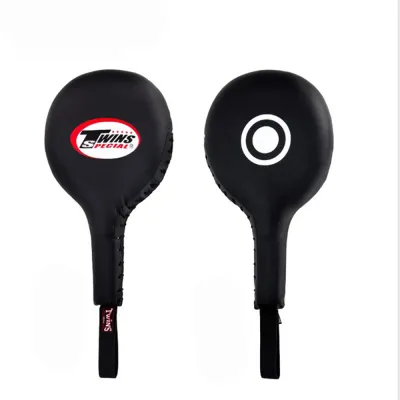
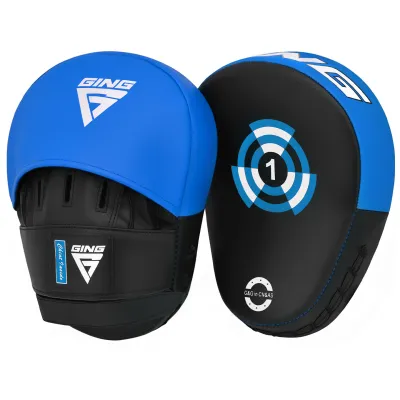
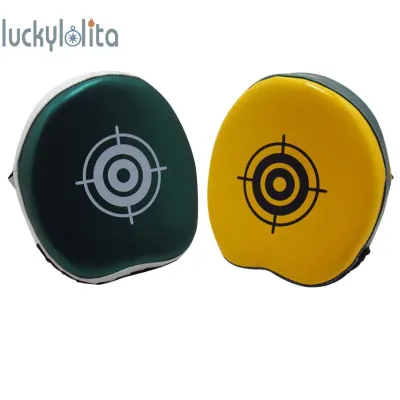
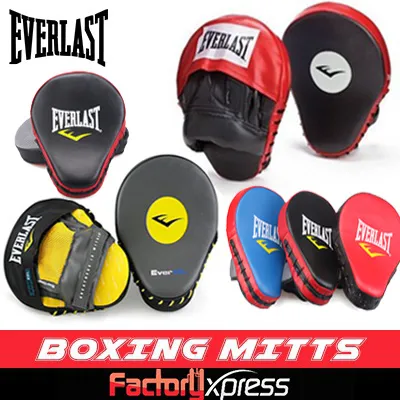
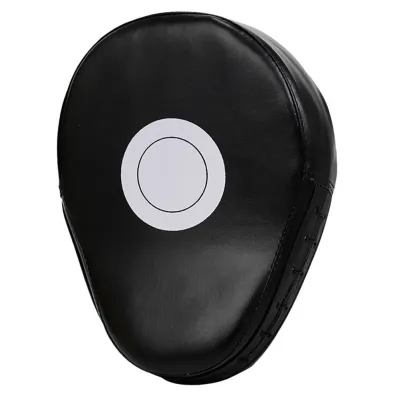
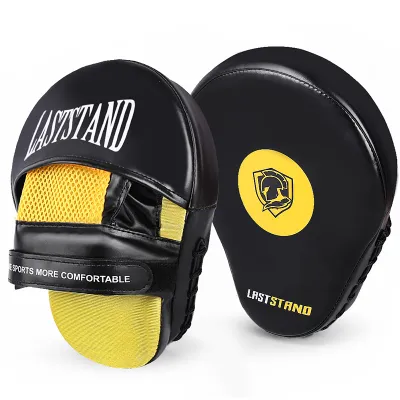
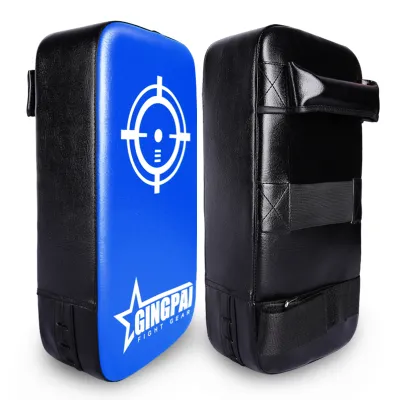
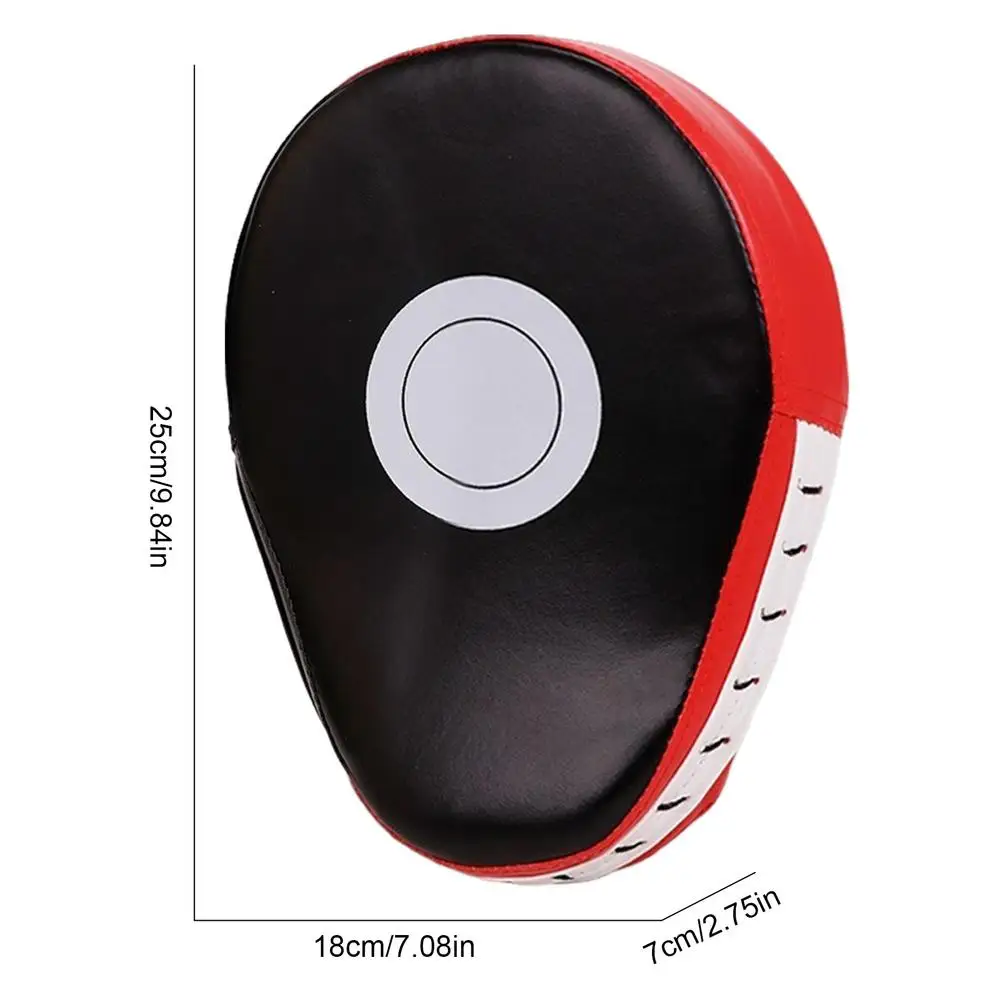
Prices are valid at publication and may change. Please refer to the product page for the latest price.
Shock Dispersion and Bottoming Out
When a pad fails to disperse energy, “bottoming out” occurs. This is the dangerous point where a striker’s shin or knee compresses the foam completely, transferring the raw impact directly to the holder’s forearms and joints. Over time, repeated bottoming out can cause chronic wrist, elbow, and shoulder strain for the holder. Premium pad construction prevents this by utilizing dense, resilient foam cores that maintain their structural integrity even under heavy, repetitive kicks. If you feel the impact striking through to your arm, stop training immediately and inspect the pad’s structural integrity.
Handle and Strap Security
The safety of both training partners depends heavily on how securely the pad attaches to the holder’s arm. Traditional single-handle designs require a strong grip, but dual-strap Velcro systems provide superior stability. These adjustable straps ensure the pad remains aligned with the forearm, preventing the pad from twisting or slipping when hit off-center. Proper alignment reduces the risk of wrist sprains for the holder and prevents accidental contact with the holder’s face or body. Verify that the straps can be tightened sufficiently to prevent any shifting during use.
Ergonomic Curvature
Curved muay thai pads are designed to naturally catch incoming strikes, centering the impact and preventing the shin from sliding off the edge. This curvature also aligns better with the natural angle of the holder’s forearms, reducing the jarring, rotational force transmitted to the shoulders and elbows. While flat pads are excellent for conditioning and traditional heavy kicks, curved pads are generally safer and more comfortable for long, high-velocity training sessions, particularly for intermediate and beginner practitioners who are still developing accuracy.
Build Quality Indicators: Materials, Stitching, and Density
Leather vs. Synthetic Materials
The outer shell of a muay thai pad determines its long-term durability and resistance to wear. Genuine cowhide leather remains the standard for traditional premium pads due to its natural elasticity, high tear strength, and ability to soften over a break-in period. High-grade synthetic leathers, such as microfiber or engineered vinyl, have improved significantly and are highly resistant to moisture. In humid environments like Singapore, synthetic options can resist sweat absorption well, but they must be rated as high-grade composites to match the longevity of genuine leather. Always verify the specific material grade rather than relying on generic names.

Stitching and Seam Reinforcement
The seams of a muay thai pad are under constant tension during impact. High-quality pads feature double or triple stitching with heavy-duty nylon thread along the primary seams and high-stress attachment points. Look closely at where the handles and straps are anchored to the body of the pad. Premium manufacturers reinforce these areas with cross-stitching or additional leather patches to prevent the straps from tearing away under load. Loose or fraying threads are an immediate warning sign of poor construction.
Edge Taping and Binding
The edges of a pad are vulnerable to splitting as air is rapidly compressed and expelled during impact. Reinforced edge binding, typically made of thick leather or heavy-duty nylon webbing, protects these seams from bursting. Smooth, well-finished edges also protect the striker’s shins and feet from painful abrasions or cuts during sweeping kicks or close-range knee strikes. Ensure the binding is flush with the pad body to prevent catching on clothing or skin.
Hardware and Rivets
The metal components on adjustable straps, such as buckles and rivets, are common points of failure. High-quality pads use rust-resistant hardware, which is particularly critical in tropical climates where sweat and humidity can quickly corrode standard steel. Rivets must be securely anchored and recessed or covered with leather flaps to ensure they never make direct contact with the striker’s skin, which could cause severe lacerations.
Comparing Common Brand Profiles and Design Philosophies
Traditional Thai-Style Brands
Traditional Thai manufacturers design pads that reflect the rigorous conditioning of authentic Muay Thai. These pads are typically rectangular, relatively heavy, and feature flat, uncompromising striking surfaces filled with ultra-dense, multi-layered foam. They are built to withstand maximum-power roundhouse kicks, knees, and elbows day after day. While they require a longer break-in period and can cause holder fatigue due to their weight, they offer unmatched protection against heavy impact and help condition the striker’s shins. These are ideal for dedicated Muay Thai gyms and experienced practitioners.
Modern and Ergonomic-Focused Brands
Modern brands approach pad design with an emphasis on speed, mobility, and ergonomics. These pads are frequently pre-curved, noticeably lighter, and feature angled striking surfaces that align with boxing and kickboxing combination work. They reduce the physical strain on the pad holder, allowing for faster transitions and longer training sessions. However, because they are lighter, they may not offer the same level of raw shock absorption as heavy Thai-style pads when facing maximum-force single strikes. They are highly popular in fitness-oriented kickboxing classes and general martial arts facilities.
Hybrid and Western-Style Brands
Hybrid brands seek a middle ground, merging the protective thickness of traditional Thai pads with the ergonomic hand-molds of boxing focus mitts. These designs often feature a smaller overall profile, curved faces, and a single hand-slot or glove on the back instead of dual forearm straps. They are highly favored in mixed martial arts (MMA) gyms where coaches must quickly transition from holding for punches to catching kicks, knees, or clinches. These pads require the holder to have excellent wrist strength and accuracy, as they offer less forearm coverage than standard Thai pads.
Final Decision Framework: Matching Pads to Training Intensity
To make an informed decision, you must match the pad’s specifications to your training environment, skill level, and physical capacity. Pads in the premium tier typically range from S$150 to S$250 per pair, while budget-friendly synthetic options may cost between S$60 and S$100. Investing in high-quality gear is a direct investment in the safety of both training partners.
Choose Traditional High-Density Pads if:
- Your primary discipline is traditional Muay Thai focusing on heavy, single-strike power.
- You regularly train maximum-force kicks, knees, and elbows.
- Your pad holders have the forearm and shoulder strength to manage heavier, flat pads.
- You are actively focusing on shin conditioning and require maximum shock dispersion.
Choose Curved/Ergonomic Pads if:
- Your training involves high-volume combinations, rapid kick-to-punch transitions, and speed drills.
- You need to minimize holder fatigue and joint strain during long training sessions.
- You are training in a mixed martial arts (MMA) or fitness-based kickboxing context.
- Strikers are beginners or intermediate practitioners who benefit from a curved target that catches off-center strikes safely.
Verify First if:
- Commercial Gym Use: If purchasing for a commercial gym in Singapore, ensure the manufacturer offers a commercial-use warranty and specifies heavy-duty, sweat-resistant materials that can withstand daily sanitization.
- Bulk Purchases: If buying in bulk, test a single pair first to evaluate the strap adjustment range and overall comfort for various arm sizes.
- Carrying Method: If you are a mobile trainer traveling between different gyms, verify the pad's dimensions and weight to ensure they fit comfortably in a standard gear bag.
Pre-Purchase Checklist
- Foam Specifications: Verify that the pad contains multi-layered foam rather than a single block.
- Strap Adjustability: Check if the straps accommodate different forearm circumferences securely.
- Care Instructions: Review the manufacturer's cleaning guidelines, especially if opting for genuine leather in a humid climate, to prevent mold and material degradation.
- Return Policy: Confirm the seller's return policy to allow for physical inspection and fit testing before committing to use.
Frequently Asked Questions (FAQ)
How do I properly break in new genuine leather Muay Thai pads?
Genuine leather muay thai pads are naturally stiff when first manufactured. To break them in safely, avoid using harsh chemicals, oils, or direct heat, which can degrade the leather fibers and weaken the internal foam. Instead, allow them to soften naturally through regular, moderate striking sessions. You can apply a thin layer of manufacturer-approved leather conditioner every few months to maintain flexibility, prevent cracking, and protect the material from sweat damage in humid environments.
What is the ideal weight for a Muay Thai pad?
There is no single ideal weight for a muay thai pad, as weight is directly tied to foam density and target size. Heavier pads (often ranging from 1.2 to 1.8 kg per pad) typically contain denser, multi-layered foam designed to absorb maximum impact from heavy kicks. Lighter pads (often under 1 kg) prioritize holder mobility and speed for rapid combinations. You must balance the level of protection required by the striker with the physical capacity and joint health of the pad holder.
How often should commercial gym Muay Thai pads be replaced?
The lifespan of a muay thai pad depends on training volume, striker weight, and maintenance. Rather than relying on a fixed timeframe, inspect your pads regularly for signs of wear. Replace pads immediately if the internal foam no longer rebounds (bottoming out), the primary seams split, the straps or handles tear, or any internal hardware becomes exposed. In a high-volume commercial gym, daily visual inspections are essential to ensure the safety of both strikers and holders.
Community discussion
Share your experience or ask a question. Comments are reviewed before publication.