
Quick Answer: Choosing the Right Thin Yoga Mat Brand for Your Practice
Finding the ideal thin yoga mat is not about identifying a single, universally superior brand. Instead, the right choice depends on your specific practice environment, sweat levels, and whether you intend to use the mat for daily travel or as a permanent studio layer. When evaluating a thin yoga mat, material composition and density play a far more critical role than the brand logo on the corner.
To guide your decision, consider this conditional framework based on your primary practice needs:
- Choose brands specializing in polyurethane (PU) and rubber blends if you regularly practice hot yoga, sweat heavily, or require an immediate, high-traction grip without having to pre-wet your mat or use a towel. These premium hybrid mats typically range from S$120 to S$180 in the local market.
- Choose brands focusing on dense natural rubber if you prioritize highly renewable, eco-friendly materials and desire the absolute maximum level of floor connection for standing balance poses.
- Choose brands using high-density polyvinyl chloride (PVC) if your primary concerns are long-term durability, easy sanitization, and owning a mat that will resist tearing and stretching over years of rigorous daily use.
- Choose brands utilizing thermoplastic elastomer (TPE) or cork blends if you need an ultra-lightweight option, often priced between S$40 and S$80, that will not weigh down your bag during a daily commute on public transit.
Ultimately, at thinner profiles ranging from 1mm to 3mm, the cushioning is minimal across all brands. Your satisfaction will depend on how well the material surface manages moisture and how easily the mat can be packed and transported to your local studio.
Products mentioned in this guide
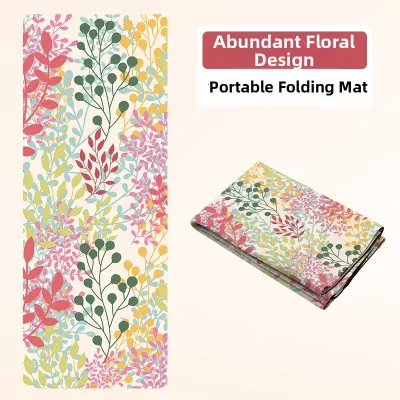
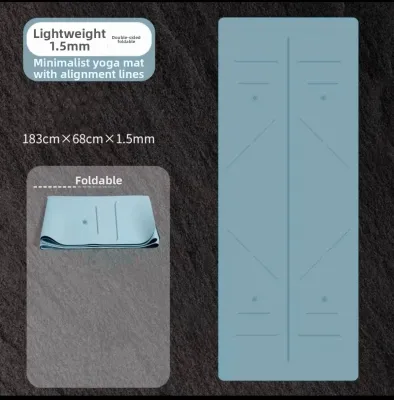
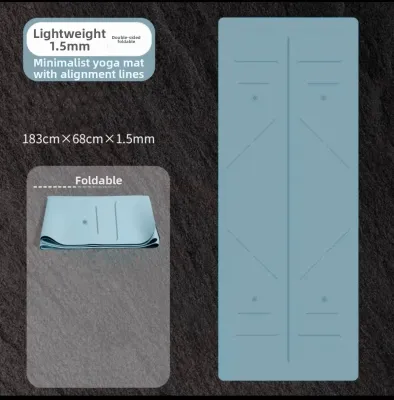

![【SG SELLER】[Good Quality!] Posting picture taken from real product Thin Anti Slip Washable Foldable Portable Sweat Absorbent Yoga Mat Towel](https://img.lazcdn.com/g/p/9b2250e8e255ef8970a931f632fad1d2.jpg_400x400q80.jpg_.webp)
Prices are valid at publication and may change. Please refer to the product page for the latest price.
Understanding Thin Yoga Mats: Thickness, Use Cases, and Trade-offs
In the yoga community, mats are generally categorized by thickness, with standard mats measuring between 4mm and 6mm. A thin yoga mat typically falls within the 1mm to 3mm range. Within this category, mats measuring 1mm to 1.5mm are widely classified as travel mats, designed to be folded or rolled tightly into compact spaces. Mats measuring 2mm to 3mm serve as low-profile standard mats, balancing portability with a slight degree of physical separation from the floor.

These low-profile mats are highly favored by specific groups of practitioners. Frequent travelers and daily commuters who navigate busy transit systems value the reduced weight and bulk of a thin mat. Additionally, yogis who focus on balance-heavy styles, such as Vinyasa or Iyengar, often prefer thin mats because they eliminate the unstable, squishy sensation of thick foam. Many practitioners also purchase thin mats specifically to layer over studio-provided rental mats, ensuring a clean, personal practice surface without the burden of carrying a heavy, full-sized mat.
However, choosing a thin mat involves a significant physical trade-off: a substantial reduction in joint cushioning. With only a few millimeters of material between your body and the hard floor, your knees, elbows, wrists, and spine will absorb the majority of the pressure in weight-bearing poses. If you experience joint sensitivity or are recovering from an injury, a thin mat may cause discomfort unless you are willing to use additional props, such as a folded blanket or a dedicated knee pad, during your practice.
Core Comparison Dimensions: Grip, Stability, and Durability
To make an informed purchase, you must understand how thin mats perform across three core pillars: grip, stability, and durability. Because thin mats have less material mass to absorb impact and tension, these performance factors are highly dependent on the quality of the raw materials and the manufacturing process.
Grip and Traction in Humid or Sweaty Conditions
Maintaining traction is a primary safety concern, particularly in warm, humid climates or during heated yoga sessions. Yoga mat surfaces generally fall into two categories: open-cell and closed-cell. Open-cell surfaces act like a sponge, absorbing moisture and sweat to maintain a high-friction, slip-free grip. This makes them highly effective for sweaty practices, though they require deep cleaning to prevent bacteria buildup.
Conversely, closed-cell surfaces do not absorb moisture. While this makes them incredibly hygienic and easy to wipe clean, sweat will pool on the surface, creating a slick barrier. If you choose a closed-cell thin mat, you will likely need to pair it with a microfiber yoga towel to prevent slipping once you begin to sweat. When shopping, always verify the manufacturer’s specific claims regarding sweat-activated grip, as some closed-cell mats feature proprietary textures designed to mitigate slipping.
Stability and Floor Connection
One of the greatest advantages of a thin yoga mat is the enhanced stability it offers. In standing poses like Tree Pose or Warrior III, a thick, soft mat can compress unevenly under your feet, forcing the small stabilizing muscles in your ankles and shins to work overtime to keep you upright. A thin mat provides a firm, unyielding surface that allows your feet to root directly into the floor.
When evaluating stability, material density is far more important than thickness alone. A highly dense 2mm natural rubber mat will feel significantly more supportive and grounded than a low-density 3mm synthetic foam mat. For active, alignment-focused practices such as Ashtanga or Iyengar, this solid floor connection is invaluable, as it allows for precise weight distribution and prevents the mat from bunching up beneath you during dynamic transitions.
Durability and Material Lifespan at Thin Gauges
The physical limits of a thin mat mean that durability is a constant concern. Because there is less material to withstand the friction of sliding feet and hands, thin mats are more susceptible to tearing, stretching, and edge-fraying. Natural rubber mats, while eco-friendly and highly slip-resistant, are vulnerable to environmental factors; exposure to direct ultraviolet (UV) light or high heat can cause the rubber to dry out, crack, or flake over time.
Synthetic materials like high-density PVC offer superior structural integrity at thin gauges. They resist stretching and can withstand years of folding and unfolding without developing permanent creases or tears. When choosing a thin mat, always review the brand’s care instructions and warranty policies. Some premium brands offer lifetime guarantees on their PVC mats, whereas natural rubber and polyurethane mats are generally expected to be replaced more frequently due to natural material degradation.
Brand Material Strategies: How Popular Labels Handle Thin Profiles
Different yoga brands approach the challenge of creating a high-performance thin mat through distinct material philosophies. Understanding these strategies will help you align your purchase with your personal values and practice style.
Polyurethane/Rubber Blends (Premium Hot Yoga Brands): Many modern premium brands utilize a dual-layer design featuring a polyurethane top layer bonded to a natural rubber base. This combination is engineered specifically for maximum wet grip, as the polyurethane surface is highly porous and absorbs moisture instantly, providing a tacky feel even during heavy perspiration. However, these mats require meticulous care; the open pores easily absorb body oils, lotions, and sweat, which can lead to permanent staining and a gradual loss of grip if the mat is not cleaned regularly with specialized, oil-free formulas.
Natural Rubber (Eco-Conscious Brands): Brands that prioritize environmental sustainability typically construct their thin mats entirely from sustainably harvested tree rubber. These mats offer an incredibly dense, solid feel and excellent dry grip. However, natural rubber is inherently heavy; even a 1.5mm natural rubber travel mat can feel surprisingly weighty in a tote bag. Additionally, natural rubber has a distinct, sweet scent when new, and it must be kept away from direct sunlight and high heat (such as a parked car) to prevent dry rot and premature flaking.
High-Density PVC (Traditional Heritage Brands): Some of the oldest and most respected brands in the industry rely on high-density PVC for their thin and travel offerings. These mats are virtually indestructible, making them an excellent investment for practitioners who want a mat that will last for decades. The primary trade-off is the initial grip; brand-new PVC mats often have a thin manufacturing residue that feels slick. They typically require a “break-in” period of regular use, or a manual salt-scrub treatment as recommended by the manufacturer, to unlock their full traction potential.
TPE and Cork Blends (Lightweight/Travel Brands): For yogis who prioritize portability above all else, thermoplastic elastomer (TPE) and cork blends are popular choices. TPE is an extremely lightweight synthetic material, making these mats exceptionally easy to carry during long commutes. Cork-topped mats offer a unique, natural aesthetic and a grip that actually improves as your hands become damp. However, at very thin gauges, both TPE and cork can suffer from lower tear resistance; you must handle them with care and avoid folding them too tightly to prevent the surface from cracking or separating from the backing.
To ensure you select a mat that matches your expectations, always verify the exact material composition and care guidelines on the manufacturer’s official product tags or website before purchasing.
Material Comparison Matrix for Thin Yoga Mats
To help you visualize how these material strategies compare, the table below outlines the key performance characteristics of the four primary material categories used for thin yoga mats.
| Material Type | Primary Grip Mechanism | Weight Profile | Durability Risk at Thin Gauges | Best Practice Style |
|---|---|---|---|---|
| Polyurethane / Rubber | Absorbent, porous surface (tacky grip) | Moderate to heavy | Staining and oil absorption | Hot Yoga, Vinyasa, Power Yoga |
| Natural Rubber | Natural textured surface friction | Heavy for its thickness | UV degradation, flaking, dry rot | Ashtanga, Iyengar, Hatha |
| High-Density PVC | Textured surface pattern | Moderate | Minimal (highly resistant to tearing) | Daily Studio Use, Travel, Layering |
| TPE / Cork Blends | Moisture-activated (cork) or textured (TPE) | Ultra-lightweight | Surface cracking, edge peeling | Gentle Yoga, Light Travel, Commuting |
Actionable Buying Checklist and Care Rules for Thin Mats
Investing in a thin yoga mat requires a clear understanding of how to select the right model and how to care for it to prevent premature wear. Use the following guidelines to guide your purchase and maintenance routine.
Buying Checklist for Thin Yoga Mats
- Identify your primary practice style: If you practice high-intensity, sweaty styles, prioritize polyurethane or open-cell natural rubber. For slower, alignment-focused styles, high-density PVC or cork may be more suitable.
- Evaluate your typical practice surface: If you practice on hard tile or concrete floors, a 1.5mm mat may feel too hard; consider a 3mm mat or plan to layer your thin mat over a studio rental.
- Check the transport weight: If you commute daily on foot or public transport, look for lightweight TPE or ultra-thin foldable rubber mats that weigh under 1.2 kilograms.
- Verify the storage requirements: Ensure you have a cool, shaded space to store your mat, especially if you choose natural rubber or TPE, which are sensitive to heat.
Essential Care Rules for Thin Yoga Mats
- Avoid extreme heat and sunlight: Never leave natural rubber, TPE, or polyurethane mats in a hot car trunk or exposed to direct sunlight on a balcony, as this can cause rapid material breakdown and warping.
- Use only approved cleaning solutions: Clean polyurethane and rubber mats with a damp cloth and mild, oil-free soap; avoid harsh household chemicals, alcohol, or essential oils, which can dissolve the thin top layers.
- Roll with the practice side facing out: Always roll your mat with the top surface facing outward; this keeps the corners flat and prevents the edges from curling up or peeling away from the base over time.
- Dry completely before storing: If your mat absorbs sweat during practice, hang it to dry completely in a shaded, well-ventilated area before rolling it up to prevent mold, mildew, and unpleasant odors.
Frequently Asked Questions (FAQ)
Can I use a thin yoga mat if I have sensitive joints?
Thin yoga mats measuring 1mm to 3mm are designed to prioritize stability and floor connection rather than physical cushioning. If you have sensitive knees, wrists, or ankles, a thin mat may not provide enough impact absorption on its own. To protect your joints, you can choose a thicker mat (typically 5mm or thicker) for your primary home practice, or use your thin mat layered over a supportive studio-provided mat or a folded blanket during specific knee-bearing poses.
How do I stop my thin rubber yoga mat from flaking or tearing?
To maximize the lifespan of a thin natural rubber mat, you must protect it from environmental stressors. Avoid exposing the mat to direct sunlight, which accelerates the breakdown of natural latex. Never clean a rubber mat with harsh detergents, vinegar, or alcohol-based sprays; instead, use a highly diluted mixture of water and mild soap, or a dedicated rubber mat wash. Additionally, store the mat rolled rather than folded (unless it is explicitly designed as a foldable travel mat) to prevent crease lines from weakening and tearing.
Are thin travel mats the same as standard thin yoga mats?
While both are thin, they serve slightly different purposes. Travel mats are typically 1mm to 1.5mm thick and are engineered to be exceptionally lightweight and highly pliable, allowing them to be folded flat into a suitcase. Standard thin mats are usually 2.5mm to 3mm thick and are designed for daily studio use; they offer slightly more density and durability but must be rolled rather than folded, making them less compact for long-distance travel.
Community discussion
Share your experience or ask a question. Comments are reviewed before publication.