
Selecting a portable changing tent that offers genuine waterproof protection requires looking beyond generic marketing buzzwords. While many brands advertise their shelters as fully waterproof, their real-world performance under sustained rain varies dramatically. True waterproof capability is determined by measurable technical specifications, including hydrostatic head ratings, specialized fabric coatings, and robust seam construction.
Premium outdoor and expedition-grade brands generally offer the most reliable waterproof protection. These manufacturers design their gear for unpredictable weather, utilizing high hydrostatic head ratings and fully taped seams to block moisture. In contrast, budget-friendly pop-up models are engineered primarily for quick deployment, sun shading, and basic privacy on clear days, meaning they will quickly leak when subjected to a steady downpour.
To secure a shelter that keeps you dry, you must evaluate specific material specifications rather than relying on vague product labels. Understanding how fabric coatings, floor materials, and construction techniques interact will allow you to compare brands objectively and choose a tent suited to your environment.
Products mentioned in this guide
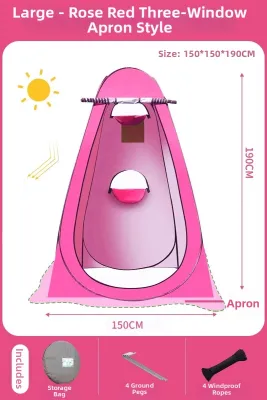
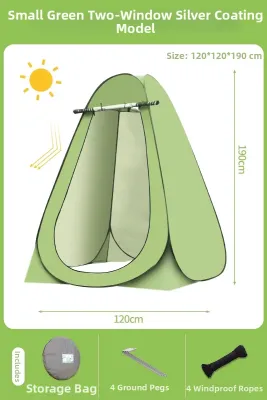
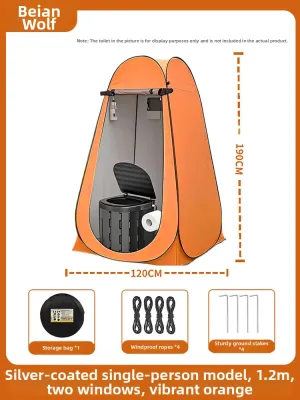
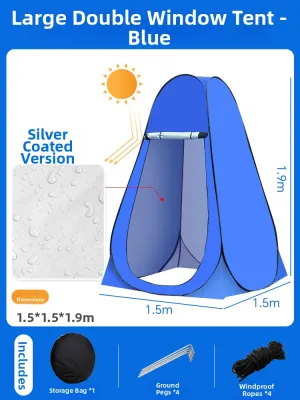
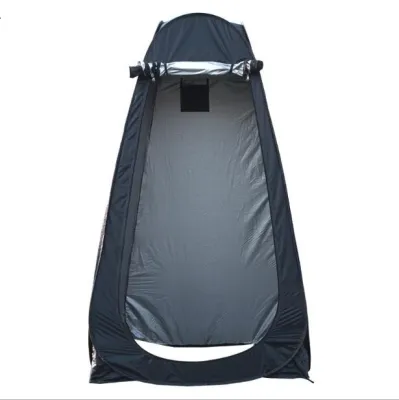
![[SG SELLER] Outdoor Camping Tent Pop Up Shade Changing Privacy Tent Big Beach Waterproof Sun Protection Sleeping Tent](https://img.lazcdn.com/g/p/b4d930ee6db72cf7f2f5b67878bb20bd.jpg_400x400q80.jpg_.webp)
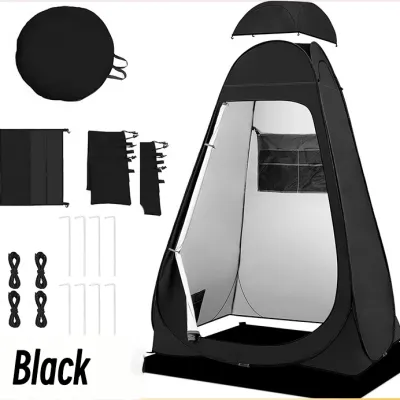
Prices are valid at publication and may change. Please refer to the product page for the latest price.
Essential Waterproof Metrics to Compare Across Brands
Evaluating the waterproof capability of different changing tent brands requires an understanding of standard industry metrics. By focusing on these technical specifications, you can cut through promotional claims and determine exactly how much rainfall a tent can withstand before moisture begins to penetrate the fabric.
Hydrostatic Head (HH) Ratings Explained
The hydrostatic head (HH) rating is the universal standard for measuring fabric water resistance. Measured in millimeters (mm), this rating indicates the height of a vertical column of water that can be pressed against the fabric before water drops start to seep through. A higher rating translates directly to superior water resistance under pressure.
When comparing brands, use these stable industry benchmarks to gauge performance:
- Below 1000mm: This rating is suitable only for light, brief drizzles. Tents in this range rely on thin coatings that saturate quickly under steady rain.
- 1000mm to 1500mm: This represents standard water resistance. Tents with this rating can handle light to moderate rain showers of short duration, making them acceptable for casual weekend use.
- 1500mm to 2000mm: This range indicates reliable waterproof performance. Fabric in this tier can withstand moderate, sustained rain and wind-driven showers without leaking.
- 3000mm and above: This is expedition-grade protection. Tents featuring this rating are engineered to withstand severe, prolonged downpours and high wind pressures without moisture penetration.
Fabric Coatings and Floor Materials
The raw fabric of a changing tent is not naturally waterproof; it relies on specialized coatings to block water. The most common treatment is a Polyurethane (PU) coating applied to the inner surface of polyester or nylon walls. This chemical layer fills the microscopic gaps between the woven fibers, creating a barrier against liquid water. Polyester is the preferred base material for changing tents because it resists stretching and sagging when wet, maintaining the tent’s structural integrity during rain.
The floor of a changing tent is highly vulnerable to water ingress because users step on it, creating high localized pressure. This physical pressure can easily force ground moisture through thin, low-rated fabrics. To prevent this, look for brands that utilize heavy-duty Polyethylene (PE) or high-density PU-coated polyester floors. A bathtub-style floor design, which wraps several inches up the sides of the tent before meeting the wall seams, is critical for preventing pooling ground water from seeping inside.
Seam Construction and Zipper Flaps
A changing tent’s fabric is only as waterproof as its weakest point, which is almost always the seams. Every time a sewing machine needle punctures the fabric to join panels, it creates thousands of tiny holes. If left untreated, these holes act as conduits for water during a storm.
To prevent leaking, high-quality brands apply a heat-sealed thermoplastic tape over every interior seam during manufacturing. This factory-taped construction completely seals the needle punctures. Some premium brands use welded seams, which physically fuse the fabric panels together using heat and pressure, eliminating needle holes entirely. Additionally, because zippers are inherently non-waterproof, look for tents designed with wide, protective fabric rain flaps that cover the exterior zippers to deflect wind-driven rain.
Waterproofing Standards by Brand Category and Price Point
The portable changing tent market is divided into distinct tiers based on price, construction quality, and intended use. Understanding these categories helps clarify what level of waterproof protection you can realistically expect at different price points.

Premium and Expedition Outdoor Brands
Typically priced above S$100, premium outdoor brands design their changing tents for serious campers, overlanders, and outdoor professionals. These brands prioritize durability and weather resistance, utilizing heavy-duty 150D to 210D polyester fabrics with PU coatings rated at 2000mm to 3000mm+ HH.
These high-end shelters feature fully taped or welded seams, durable water repellent (DWR) exterior treatments, and thick, bathtub-style PE floors. They are built to provide a guaranteed dry, private space for changing, showering, or housing a portable toilet during severe, multi-day storms. Their robust frames also withstand high winds far better than cheaper alternatives.
Mid-Range Recreational Camping Brands
Generally falling within the S$50 to S$100 price range, mid-range brands offer a balanced compromise between cost and weather protection. These tents are designed for weekend campers, festival-goers, and families who need reliable shelter from standard rain showers but do not plan to camp in extreme weather.
Mid-range changing tents typically offer HH ratings between 1000mm and 1500mm. They feature basic seam taping on critical stress points, such as the roof joints and floor seams, alongside standard PU coatings. While they will keep you dry during a passing afternoon shower, they may begin to weep or leak at the seams if subjected to hours of continuous, heavy rain.
Budget and Beach Pop-Up Brands
Usually priced under S$50, budget brands focus almost exclusively on rapid deployment, lightweight portability, and affordability. These models utilize spring-loaded steel wire frames that pop open instantly.
To keep costs low, manufacturers of budget tents often use thin polyester fabrics with low (under 800mm) or completely unspecified water resistance. The seams are rarely taped, and the zippers lack protective rain flaps. These tents are designed primarily for sun shading, wind blocking, and basic privacy at the beach or park. They are not intended to withstand rain, and water will quickly penetrate the fabric and seams during a downpour.
Matching Tent Specs to Tropical Showers and Beach Conditions
Selecting the right portable changing tent requires matching its technical specifications to the specific environmental conditions of your region. In tropical climates like Singapore, unique weather patterns present distinct challenges for outdoor gear.
Sudden, intense convective downpours require a changing tent with a high HH rating (at least 1500mm) and a fast-draining or elevated floor design. Because tropical rain often falls with high intensity over short periods, a low-rated tent will quickly saturate. Furthermore, pooling water on the ground can easily bypass standard flat floors, making a thick, bathtub-style floor essential to keep your feet and clean clothes dry.
However, high waterproofing can create a severe trade-off with ventilation in hot, humid environments. A fully sealed, highly waterproof changing tent can quickly trap heat and humidity, causing rapid condensation to form on the interior walls. This condensation can make the inside of the tent feel wet even if no rainwater is leaking through. To prevent this, look for brands that incorporate mesh roof panels protected by a removable, highly waterproof rainfly. This design allows hot air to escape while keeping rain out.
For coastal use at places like East Coast Park or Sentosa, you must also consider the degrading effects of saltwater, sand, and intense ultraviolet (UV) radiation. Salt and sand can quickly clog and corrode cheap metal zippers, while UV rays degrade polyurethane coatings over time, causing them to peel and lose their waterproof properties. If you plan to use your tent frequently near the ocean, prioritize brands that feature UV-stabilized fabrics (UPF 50+) and heavy-duty, corrosion-resistant nylon zippers. Always rinse your tent with fresh water and dry it completely in the shade before folding it away to preserve its protective coatings.
How to Verify Waterproof Claims Before You Buy
Because marketing materials frequently label low-end tents as “waterproof,” you must take active steps to verify these claims before making a purchase. Relying on systematic verification checks will save you from post-purchase failure in the field.
First, locate the technical specification sheet, product tag, or user manual. Look specifically for the numerical hydrostatic head rating (such as “PU 1500mm”) and an explicit mention of “fully taped seams.” If a product listing only uses generic terms like “water-resistant,” “weather-proof,” or “rain-resistant” without providing concrete numerical data, you should assume the tent is only suitable for fair-weather privacy.
Second, analyze user reviews systematically on retail sites and outdoor forums. Instead of focusing on overall star ratings, use search filters to look for specific keywords such as “leak,” “rain,” “seam,” “zipper,” and “wet floor.” Pay close attention to feedback from users who have tested the tent in high-rainfall regions or during actual storms. If multiple reviews mention water seeping through the floor or dripping from the ceiling seams, the brand’s waterproof claims are likely overstated.
Finally, examine the brand’s warranty policy. Reputable outdoor manufacturers that use high-quality waterproofing materials typically offer clear warranties covering manufacturing defects, seam delamination, and zipper failures. A lack of warranty coverage or a very short return window often indicates that the materials used are not built to withstand prolonged exposure to the elements.
Frequently Asked Questions (FAQ)
Can I apply aftermarket waterproofing spray to a changing tent?
Yes, you can apply aftermarket Durable Water Repellent (DWR) sprays and liquid seam sealers to maintain or improve your tent’s water resistance. DWR sprays work by restoring the surface tension of the outer fabric, causing rainwater to bead up and roll off rather than soaking into the fibers. However, these sprays have clear limitations: they cannot restore a severely degraded, peeling interior PU coating, nor can they fix structurally failed seams.
Before applying any aftermarket product, check the tent manufacturer’s care instructions and the waterproofing spray label for compatibility. If instructions conflict, or if your tent is made of an unidentified specialty material, consult the manufacturer directly. To seal leaking seams, apply a specialized, polyurethane-based liquid seam sealer along the stitching on the interior side of the tent, allowing it to dry completely in a well-ventilated area before packing.
What is the difference between water-resistant and waterproof changing tents?
The primary difference lies in the level of tested protection and construction quality. A water-resistant changing tent is made of tightly woven fabric that can deflect light splashes, heavy mist, or brief, gentle drizzles. However, it lacks a certified hydrostatic head rating, its seams are untaped, and its zippers are unprotected. Under sustained rain, water will eventually saturate the fabric and drip inside.
A waterproof changing tent is specifically engineered to withstand continuous, heavy rainfall. It features a certified hydrostatic head rating (typically 1000mm to 3000mm+), factory-sealed or welded seams, and protective design elements like zipper rain flaps and a raised bathtub floor. These features work together to ensure that moisture cannot penetrate the shelter, keeping the interior completely dry even during severe weather.
Community discussion
Share your experience or ask a question. Comments are reviewed before publication.