
Finding a protein shaker that keeps your post-workout shake ice-cold depends less on a specific brand name and more on the underlying insulation technology, lid design, and environmental conditions of your workout. While many brands market their shakers as the ultimate cold-retention tools, the physical construction of the bottle determines how long it can resist external heat. Understanding these structural differences allows you to select a shaker that prevents your protein drink from becoming lukewarm and unappealing during long training sessions.
In tropical climates with high humidity, such as Singapore, heat transfer occurs rapidly through conduction, convection, and radiation. A standard plastic shaker offers virtually no resistance to these forces, causing ice to melt within minutes. To maintain an optimal, refreshing temperature for your protein shakes, you must evaluate the physical materials and sealing mechanisms of the bottle rather than relying on vague marketing promises.
Insulation Technologies Used in Protein Shakers
To choose a shaker that delivers reliable cold retention, you must first understand the physical mechanisms brands use to block heat transfer. Manufacturers generally rely on three primary construction types, each offering distinct thermal performance, weight, and durability trade-offs.
Products mentioned in this guide
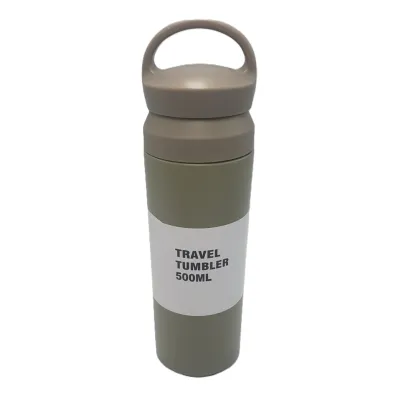
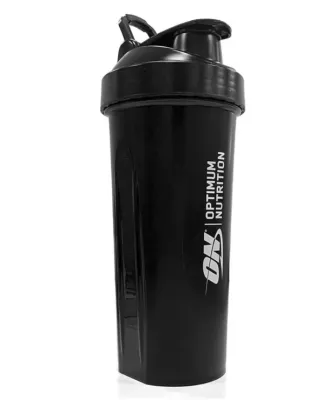
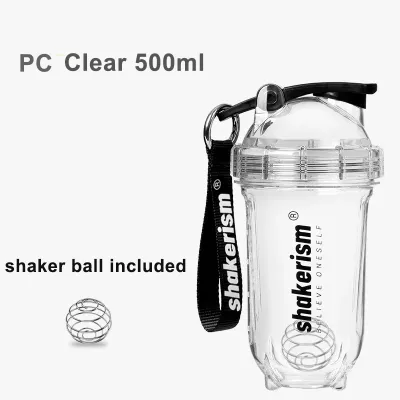
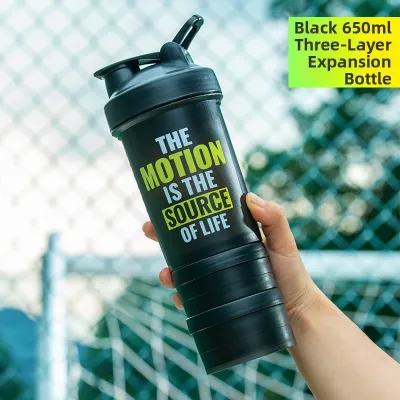
![[SG READY STOCK] BPA FREE Shaker Bottle / Protein Shake Water Bottle / Gym Bottle 500ml / 700ml](https://img.lazcdn.com/g/p/955440af3c92d923450aab78448d09a2.jpg_400x400q80.jpg_.webp)
![[Shopwithme99] 3 in 1 Shaker BPA Free Steel Mixing Ball Gym Protein Shaker Bottle With Pills and Powder Container](https://img.lazcdn.com/g/p/ddd41d5e1f5a6e5e91d2dfe4dedcafc7.png_400x400q80.png_.webp)
Prices are valid at publication and may change. Please refer to the product page for the latest price.
Double-wall vacuum insulation is the gold standard for thermal performance. This construction features an inner and outer wall made of food-grade stainless steel, with the air completely evacuated from the space between them. Because a vacuum contains no air molecules, it virtually eliminates heat transfer via conduction and convection. Heat cannot travel across the empty space, meaning the temperature of your shake remains stable for hours, regardless of how hot the surrounding environment becomes.
Insulated plastic shakers with cooling gel cores offer an alternative, active cooling method. These bottles feature double-walled plastic construction filled with a non-toxic, freezable gel. Before your workout, you must place the entire shaker in the freezer to solidify the gel. Once filled with your shake, the frozen gel actively absorbs heat from the liquid, keeping it cold. While effective for a limited time, these bottles are significantly heavier and lose their cooling capacity entirely once the gel thaws.
Single-wall plastic shakers paired with basic thermal sleeves or neoprene covers represent the most lightweight and budget-friendly option. Neoprene acts as a basic barrier that slows down heat transfer from your warm hands and the ambient air. However, because there is no physical vacuum or active cooling element, this setup offers minimal thermal resistance and is only suitable for short commutes or temperature-controlled indoor environments.
| Construction Type | Thermal Mechanism | Weight Trade-off | Typical Mixing Compatibility |
|---|---|---|---|
| Double-Wall Vacuum Stainless Steel | Vacuum barrier prevents conduction and convection | Heaviest option; can feel bulky in gym bags | Excellent; highly compatible with heavy metal whisk balls |
| Gel-Insulated Plastic | Pre-frozen gel core actively absorbs liquid heat | Moderate weight; bulkier due to the gel layer | Good; best with plastic grids to avoid scratching inner walls |
| Single-Wall with Neoprene Sleeve | Neoprene fabric slows ambient heat transfer | Extremely lightweight and highly portable | Universal; compatible with all whisk types and mixing grids |
Core Dimensions for Comparing Cold Retention
When comparing different shaker models side-by-side, looking at the insulation type alone is not enough. Several structural details directly influence how long a bottle can maintain cold temperatures during a grueling workout.

Lid sealing mechanisms are often the weakest link in any insulated bottle’s thermal defense. While the body of the shaker may be vacuum-insulated, the lid is almost always made of plastic, which allows heat to enter. A flip-cap with a robust silicone gasket provides a tight seal that prevents warm air from circulating inside. Screw-top lids offer secure mechanical pressure that minimizes air exchange, whereas sliding seals or snap-on lids are more prone to micro-gaps that compromise both leak prevention and thermal retention.
Capacity versus liquid volume ratios also play a critical role in how fast your ice melts. The empty space inside a partially filled shaker is known as headspace, which contains warm ambient air trapped during mixing. If you prepare a 300ml protein shake in a large 700ml shaker, the large volume of trapped air will rapidly transfer its heat to your cold drink. To maximize cold retention, choose a shaker size that closely matches your typical drink volume to minimize unnecessary headspace.
Material thickness and exterior condensation management are essential for both thermal performance and daily usability. High-quality vacuum-insulated shakers feature sweat-proof designs that prevent condensation from forming on the outer wall. Condensation is not just an inconvenience that dampens your gym bag; it is a physical indicator of heat transfer. When warm, humid air contacts a cold surface, it releases latent heat, warming the liquid inside. A completely dry exterior indicates that the insulation barrier is working efficiently.
Matching Shaker Insulation to Your Workout Routine
Your choice of protein shaker should align directly with your training environment, duration, and how you plan to transport your nutrition.
For short, high-intensity indoor gym sessions lasting one to two hours, a basic insulated plastic shaker or a single-wall bottle with a neoprene sleeve is often sufficient. Because indoor fitness centers are typically air-conditioned, the rate of heat transfer is relatively low. In these controlled environments, prioritizing a lightweight, shatter-resistant plastic bottle over heavy stainless steel can make your gym bag easier to carry without sacrificing drink quality.
For long-duration outdoor training or hot climate workouts, such as outdoor boot camps, running tracks, or open-air gyms, maximum thermal resistance is non-negotiable. High humidity and ambient temperatures exceeding 30°C will quickly warm up uninsulated shakes, creating an environment where bacteria can multiply rapidly in dairy-based protein mixtures. A double-wall vacuum stainless steel shaker is the only reliable option to keep your drink at a safe, refreshing temperature under direct sunlight.
If you commute to work and need to pre-mix your shake in the morning to consume hours later, portability and temperature maintenance must be carefully balanced. A vacuum-insulated stainless steel bottle will keep the liquid cold throughout the day, but you should keep the protein powder separate in a dry compartment until right before consumption. Mixing the powder hours in advance can lead to clumping, texture degradation, and an unpleasant taste, even if the liquid remains cold.
How to Verify Brand Insulation Claims Before Buying
Before purchasing a shaker from an online marketplace or official brand store, it is important to look past generic marketing slogans and verify the product’s actual capabilities.
First, look for standardized testing metrics in the product description rather than subjective phrases like “keeps cold all day.” Reputable manufacturers often specify temperature retention over a defined number of hours under controlled conditions (for example, “keeps liquids below 10°C for up to 24 hours in a 22°C room”). If a brand cannot provide specific hourly ratings or testing parameters, their insulation claims are likely exaggerated.
Second, analyze verified user reviews for real-world feedback on long-term durability. Pay close attention to comments regarding seal degradation, lid cracking, and how quickly ice melts in high-humidity environments. If multiple users report that the bottle begins to “sweat” or develop condensation after a few months of use, it indicates that the vacuum seal has failed or the insulation material has degraded.
Finally, verify the manufacturer’s dishwasher safety limits. The intense heat and high-pressure water cycles of a dishwasher can expand the air inside vacuum-insulated walls, causing the seal to fail permanently. Similarly, gel-insulated plastics can warp or crack under high temperatures, rendering the cooling gel useless. If you prefer the convenience of a dishwasher, ensure the product specifications explicitly state that the insulated body is dishwasher-safe, or be prepared to hand-wash the bottle to preserve its thermal properties.
Decision Framework: Choosing the Right Insulated Shaker
To finalize your decision, use this step-by-step framework to match your specific training needs with the right shaker construction.
Choose double-wall vacuum stainless steel if your primary goals are maximum cold retention, long-term durability, and a completely sweat-free exterior. This option is ideal for outdoor athletes, long commutes, and anyone who demands ice-cold shakes hours after mixing. While these bottles represent a higher initial investment, their robust construction ensures they last for years without losing their thermal properties.
Choose gel-insulated plastic if you want a lightweight, shatter-resistant bottle that offers moderate temperature control. This is an excellent middle-ground option for indoor gym-goers who want their shake to stay cool for an hour or two but prefer a lighter carry. Keep in mind that you must have freezer space available to prep the bottle before every workout.
Choose a standard single-wall plastic shaker with a thermal neoprene sleeve if you are on a tight budget (such as looking for options under S$20) and prioritize minimal weight. This setup is best for quick workouts where you plan to consume your shake immediately after mixing, requiring only basic protection from hand heat during your training session.
Before making your final purchase, always verify that your preferred mixing mechanism is compatible with the shaker’s interior. Metal whisk balls can scratch the interior lining of plastic or coated stainless steel bottles over time. If you prefer using a metal whisk, ensure the shaker’s interior is made of high-grade, uncoated food-safe stainless steel to prevent scratching, which can lead to hard-to-clean crevices where bacteria can grow.
Frequently Asked Questions (FAQ)
Can I put ice cubes in a vacuum-insulated protein shaker?
Yes, adding ice cubes is an excellent way to keep your shake cold for extended periods. However, you should drop them in gently to avoid denting the inner stainless steel wall, as severe dents can compromise the vacuum seal. Additionally, avoid using oversized or sharp ice blocks that could jam the mixing whisk or damage internal plastic grids during vigorous shaking.
Does pre-mixing protein powder affect how long the shake stays cold?
Pre-mixing does not change the physical insulation of the bottle, but adding room-temperature powder to cold water will slightly raise the initial temperature of the liquid. For the best thermal results, use pre-chilled water or milk, add your ice, and mix the powder immediately before drinking. This approach also prevents the protein from clumping or spoiling over time.
Community discussion
Share your experience or ask a question. Comments are reviewed before publication.