
When choosing a sports water bottle to keep your drinks cold during intense workouts, the brand logo on the outside matters far less than the construction on the inside. While Puma, Nike, and Adidas all offer stylish hydration gear, their insulation capabilities depend entirely on the specific materials and engineering of each model rather than brand-wide superiority. To find out which bottle will keep your water ice-cold through a humid training session, you must look past the marketing and evaluate the underlying insulation technology, wall construction, and lid designs.
Key Factors That Determine Cold Retention in Sports Bottles
To understand how a sports bottle performs, you must look at the physical properties that govern heat transfer. The primary driver of cold retention is wall construction. Single-wall bottles, whether made of plastic, aluminum, or stainless steel, offer virtually no thermal barrier. Heat from your hands and the surrounding air transfers directly to your beverage, causing ice to melt rapidly. In contrast, double-wall vacuum insulation features an inner and outer wall with the air evacuated from the space between them. Because a vacuum contains no air molecules, it prevents heat transfer by conduction and convection, keeping your drink cold for hours.
Material choice also plays a critical role in temperature maintenance. Food-grade stainless steel, typically labeled as 18/8 or 304 stainless steel, is the industry standard for high-performance insulated bottles. It is durable, resistant to rust, and highly effective at maintaining a vacuum seal. Plastic bottles, even those marketed as double-walled, rely on air or foam insulation, which is significantly less effective than a vacuum. Aluminum is lightweight but highly conductive, meaning single-wall aluminum bottles will sweat and warm up almost instantly unless they feature specialized double-wall engineering.
Products mentioned in this guide
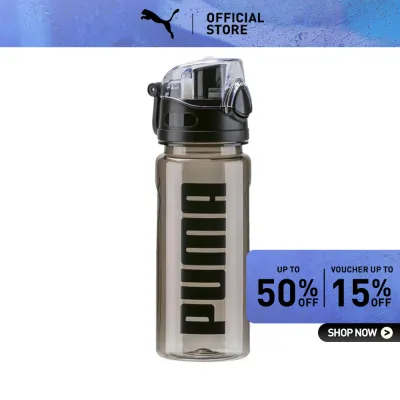
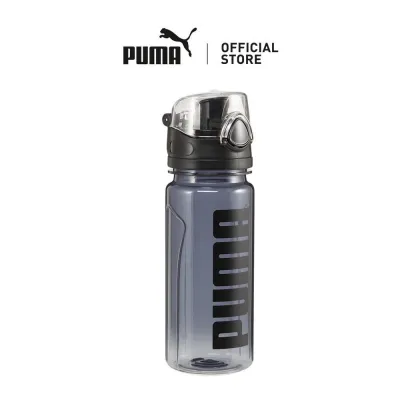
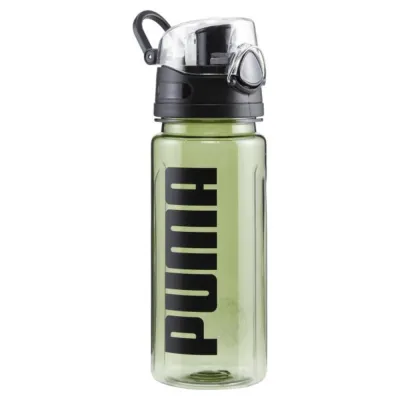
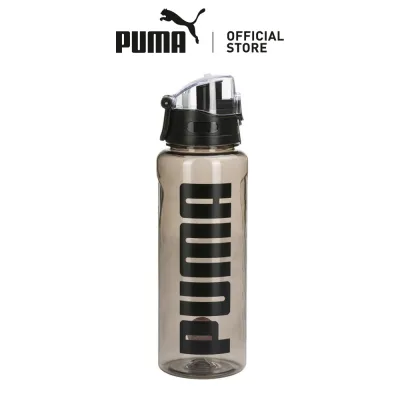
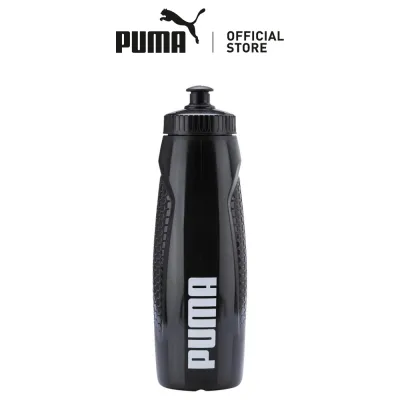
Prices are valid at publication and may change. Please refer to the product page for the latest price.
Lid and seal designs represent the most common points of thermal leakage. A bottle can have excellent wall insulation, but heat will still enter through the top if the lid is thin or poorly sealed. Screw caps generally provide the tightest seal and the most effective thermal barrier because they have fewer moving parts and thicker material. Straw lids and flip-top sport caps offer quick, one-handed hydration during a workout, but their internal mechanisms and thinner plastic components allow more heat exchange, slightly reducing overall cold retention.
Finally, the capacity and surface-area-to-volume ratio of the bottle influence how long your ice lasts. Larger bottles containing a greater volume of cold liquid naturally resist temperature changes better than smaller bottles, provided they share the same insulation technology. A wide-mouth bottle allows you to pack in large ice cubes easily, but the larger opening also lets in more warm air every time you take a sip. Balancing your capacity needs with your workout duration is essential for maintaining the desired drinking temperature.
How to Compare Puma, Nike, and Adidas Insulation Specs
When shopping for a Puma, Nike, or Adidas water bottle, you cannot rely on brand reputation alone to guarantee cold drinks. Instead, you must actively inspect the product specifications and packaging details. Start by looking for the explicit terms “vacuum insulated” or “double-wall stainless steel” on the product tag, base, or online description. If a bottle is simply described as “metal,” “durable,” or “BPA-free plastic” without mentioning a vacuum seal, it will not keep your drinks cold for extended periods.

Manufacturers often state a specific number of hours for cold retention, such as “keeps cold for 24 hours.” It is important to understand that these ratings are established under highly controlled laboratory conditions, usually starting with a bottle filled entirely with ice and kept in a temperature-controlled room. In real-world workout environments—such as a hot outdoor track or a humid fitness center—the actual cold retention time will be shorter. Use these manufacturer claims as a relative benchmark for comparison rather than an absolute guarantee.
Next, verify the material grade of the bottle. High-quality insulated sports bottles from major athletic brands typically use 18/8 stainless steel, which should be stamped on the bottom of the bottle or listed in the material specifications. This grade ensures the bottle can withstand the drops and bumps of daily gym use without cracking the vacuum seal. If the seal is compromised by a severe dent, the vacuum escapes, and the bottle loses its insulating properties entirely.
Lastly, evaluate the lid mechanisms offered by Puma, Nike, and Adidas. For high-intensity workouts, look for leak-proof gaskets and locking lids that prevent spills in your gym bag. Nike often features specialized squeeze bottles or quick-shot lids designed for fast hydration, which are usually single-walled and uninsulated. Adidas and Puma offer a mix of insulated stainless steel flasks and lightweight plastic bottles. Compare the lid designs to ensure they balance thermal efficiency with the convenience of drinking while moving.
Practical Cold Retention Tips for Workouts
Regardless of whether you choose a Puma, Nike, or Adidas insulated bottle, you can significantly extend its cold retention by using smart preparation techniques. The most effective step is to pre-chill your bottle before filling it. Pour ice water into the bottle and let it sit for three to five minutes to cool down the inner stainless steel wall. Empty the pre-chilling water immediately before filling the bottle with your actual workout drink and fresh ice. This prevents the inner wall from absorbing heat from your beverage right at the start.
The type of ice you use also makes a substantial difference in how long your drink stays cold. Small, crushed ice has a large surface area relative to its volume, causing it to melt quickly and dilute your drink. Instead, use large, solid ice blocks or spheres. These melt at a much slower rate, preserving both the cold temperature and the flavor of your sports drink throughout your entire training session.
Where you place your bottle during a workout affects its thermal performance. Avoid leaving your insulated bottle in direct sunlight, on hot concrete, or inside a parked car, as extreme external heat will eventually penetrate even the most robust vacuum seals. Keep your bottle in the shade, inside your gym bag, or on a cool indoor surface. Additionally, minimize the frequency and duration of opening the lid. Every time you open the bottle, warm air enters and cold air escapes, accelerating the warming process.
Decision Framework: Which Brand Fits Your Workout Needs?
Choosing between Puma, Nike, and Adidas comes down to matching their specific bottle designs with your workout habits and thermal expectations. If you decide on a Puma water bottle, look for models that explicitly feature double-wall vacuum insulation and a lid style that matches your sport. Puma’s insulated options are excellent for standard gym sessions where you want a reliable, stylish flask that keeps water cold for several hours without sweating on your gear.
If your workouts involve high-movement activities like running, cycling, or field sports, you might look toward Nike or Adidas. These brands frequently offer lightweight, flexible plastic squeeze bottles. While these plastic options do not provide long-term cold retention, they offer a better capacity-to-weight ratio and allow you to drink quickly on the go without stopping to unscrew a cap. If you choose these, accept that your water will reach ambient temperature quickly, and plan your hydration schedule accordingly.
Before making a purchase, always verify the material of the bottle. Many sports bottles that look like insulated metal are actually single-wall aluminum or painted plastic. If a bottle feels exceptionally light when empty, or if you can squeeze the sides, it is single-walled and will not keep your drinks cold. Do not buy these expecting thermal performance; they are designed strictly for lightweight convenience.
Finally, if your activities extend beyond typical gym workouts into multi-day outdoor expeditions, hiking, or camping, sports-brand bottles may not meet your needs. Puma, Nike, and Adidas design their gear primarily for athletic training and short-duration workouts. For extreme, multi-day cold or heat retention in harsh environments, you should look to specialized outdoor insulation brands that focus exclusively on heavy-duty thermal engineering and rugged durability.
Frequently Asked Questions (FAQ)
Can I put boiling water in a sports brand insulated bottle?
You should always check the manufacturer’s specific guidelines before putting hot liquids in a sports bottle. Many vacuum-insulated bottles can physically handle hot temperatures, but sports lids with straws, flip-tops, or push-button spouts are not designed for hot liquids. Hot steam can cause pressure to build up inside the sealed bottle, leading to sudden leaks or hot liquid spraying out when you open the lid, which poses a serious burn risk. If you need to carry hot beverages, use a lid specifically rated for hot liquids, such as a simple screw cap.
How do I clean a vacuum-insulated sports bottle to prevent odors?
To maintain hygiene and prevent odors without damaging your bottle, hand-wash it regularly using warm water, mild dish soap, and a bottle brush. Avoid putting vacuum-insulated bottles in the dishwasher unless the manufacturer explicitly states it is dishwasher-safe, as the high heat and pressure of a dishwasher cycle can damage the exterior powder coating and compromise the vacuum seal. Pay special attention to cleaning the silicone gaskets and straw mechanisms where bacteria can accumulate. Always allow all parts to air-dry completely in a well-ventilated area before reassembling the bottle.
Community discussion
Share your experience or ask a question. Comments are reviewed before publication.