
To find the most breathable running vest for hot and humid weather, you must look beyond brand names and compare specific garment constructions. The ideal choice depends on whether you need maximum airflow from open-mesh backs or lightweight moisture management from micro-perforated fabrics. Because standardized public breathability tests are rarely available across all brands, you should evaluate manufacturer specifications, verify fabric technologies, and match the vest’s design to your sweat rate and running intensity. In tropical climates where humidity regularly exceeds 80 percent, relying on brand reputation alone often leads to heavy, sweat-soaked garments that cling to the skin and cause chafing. By understanding how different materials handle moisture and airflow, you can make an informed decision that keeps you comfortable during long runs.
Core Breathability Dimensions for Running Vests
To objectively compare any running vest’s ventilation capabilities, you must first look at the fabric composition and weight. Most technical running vests are made from synthetic blends, primarily polyester and nylon, often mixed with elastane for stretch. When evaluating these materials, look for the fabric weight measured in grams per square meter (GSM). A lower GSM indicates a lighter, thinner fabric; for high-humidity running, look for vests with a fabric weight under 90 GSM. While natural fibers like merino wool offer excellent odor resistance, they tend to hold onto moisture longer than synthetics, making lightweight polyester or nylon the preferred choice for tropical climates.
Mesh placement and density play a critical role in localized cooling. Manufacturers strategically place open-mesh panels in high-sweat zones, such as the upper back, underarms, and side panels, to facilitate rapid heat dissipation. Some vests feature a full-mesh construction, which maximizes airflow but may offer less durability and sun protection. When comparing vests, observe the size of the mesh holes and the density of the knit. Larger, more open knit patterns allow ambient air to pass through easily, which is essential when running in still, humid air where natural evaporation is limited.
Products mentioned in this guide
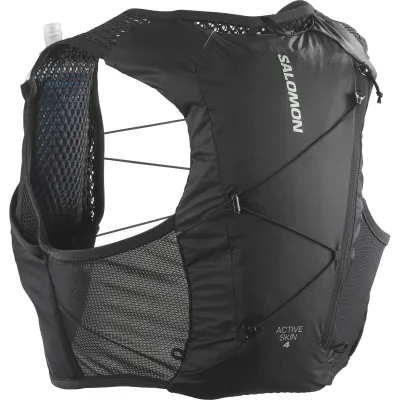
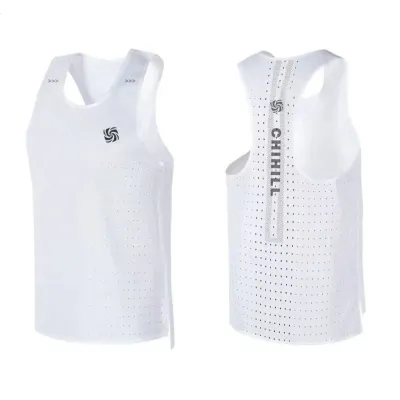
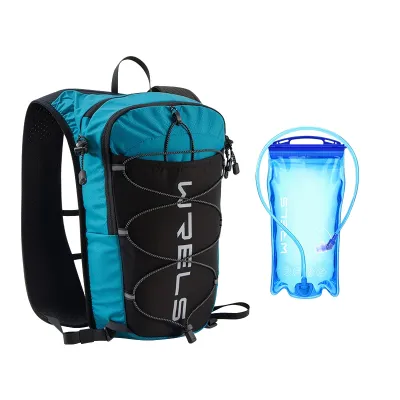
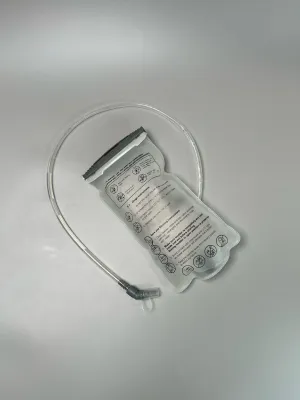
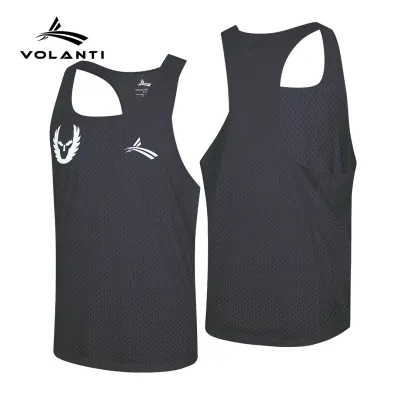
Prices are valid at publication and may change. Please refer to the product page for the latest price.
It is also vital to differentiate between moisture-wicking and quick-dry finishes. Moisture-wicking fabrics are engineered to pull sweat away from your skin to the outer surface of the garment through capillary action. Quick-dry finishes, on the other hand, are designed to accelerate the evaporation of that moisture once it reaches the outer layer. In highly humid environments, evaporation is significantly slowed by the moisture already in the air. Therefore, a vest must excel at both pulling sweat away from the skin and maintaining a physical structure that does not collapse or cling when fully saturated.
How to Compare Brand-Specific Ventilation Designs
When comparing mainstream brands, you must decode proprietary fabric technologies to understand what you are actually buying. Brand marketing often uses trademarked names to describe their cooling fabrics. To verify these claims, read the product descriptions and care labels to determine if the “cooling” effect relies on a topical chemical treatment, specialized yarn structures, or physical mesh weaves. Chemical treatments can wash out over time, reducing the vest’s performance after a dozen laundry cycles. In contrast, physical yarn structures—such as cross-shaped or multi-lobed fibers—permanently maintain their capillary action because the wicking property is built into the shape of the thread itself.

Construction methods also vary significantly between brands and directly impact both airflow and comfort. High-performance running vests often feature laser-cut perforations in areas where solid fabric is needed for structural integrity but extra ventilation is desired. Additionally, look for bonded or flatlock seams rather than traditional stitched seams. Bonded seams lie completely flat against the skin, which minimizes friction and prevents chafing in high-movement areas like the underarms and shoulders. Woven mesh panels that are seamlessly integrated into the main body of the vest offer the best balance of durability and airflow, as they eliminate the need for heavy seams altogether.
To cut through marketing hype, evaluate real-world feedback from runners training in similar tropical climates. When reading user reviews, search for specific keywords such as “sweat pooling,” “fabric cling,” “heavy when wet,” and “chafing.” If multiple reviews mention that a vest becomes heavy and sags during long runs, it likely lacks the structural integrity or quick-drying capabilities needed for high-humidity environments. Conversely, reviews that highlight a “barely-there feel” or note that the fabric “does not stick to the skin” even when drenched are strong indicators of superior ventilation and moisture management.
The Impact of Fit and Coverage on Airflow
The cut and sizing of a running vest can completely negate the benefits of highly breathable fabrics if they do not match your body and movement. A compression or tight fit manages sweat by keeping the fabric in direct contact with your skin, allowing the fibers to immediately wick moisture away. However, in extremely humid conditions where evaporation is minimal, a skin-tight vest can quickly become saturated and feel like a heavy, wet second skin. A slightly relaxed fit allows ambient air to circulate underneath the garment, creating a chimney effect that helps carry body heat upward and out through the neck and armholes.
Strap thickness and back panel size also dictate how much heat your body retains. Running vests with a racerback design or narrow shoulder straps minimize skin coverage, leaving your shoulder blades exposed to the air. Because the spine and upper back are primary heat-dissipation zones, minimizing the fabric coverage in these areas is crucial. Vests with wide straps or full back panels trap a significant amount of heat and sweat along the spine, which can quickly lead to overheating during intense workouts.
When running in high humidity, you may need to adjust your sizing expectations. Standard sizing that fits comfortably in dry climates can feel restrictive and suffocating when the air is thick with moisture. Choosing a vest that is slightly loose, or even sizing up, prevents the wet fabric from suctioning to your chest and back. This small air gap between your skin and the wet fabric not only improves comfort but also allows air currents to pass through the mesh panels more effectively.
Decision Framework: Matching Vest Design to Your Run
To select the right running vest, use a conditional framework that matches the garment’s design to your specific running intensity, duration, and personal sweat rate. If you are planning high-intensity workouts or long-distance runs in peak afternoon heat, prioritize vests with open-mesh back panels. This design offers the maximum possible airflow to cool your core when your metabolic heat production is at its highest.
If your runs take you along exposed coastal paths where you need a balance of sun protection, wind resistance, and moisture management, choose lightweight, micro-perforated solid fabrics. These materials block a portion of the sun’s UV rays while still allowing heat to escape through thousands of tiny, laser-cut holes. This style is also ideal for early morning runs when the air is damp but the sun is quickly rising.
For short, high-effort intervals or track workouts where you want to minimize total fabric weight and heat retention, look for minimal-coverage or strap-only designs. These vests feature deep armholes and narrow chest panels, reducing the overall surface area of the garment to the absolute minimum. This ensures that almost your entire torso remains exposed to ambient air currents.
Before making a purchase, verify the manufacturer’s care instructions to ensure the vest fits your maintenance routine. Many high-performance wicking fabrics require specific detergents or gentle washing cycles to preserve their technical properties. Avoid using standard fabric softeners, as they leave a thin, waxy coating on the synthetic fibers that clogs the fabric’s pores and permanently destroys its ability to wick sweat and breathe.
Frequently Asked Questions (FAQ)
Does a darker colored running vest reduce breathability?
A darker color does not physically reduce the breathability or airflow of the fabric weave itself, but it does affect solar heat absorption. Darker dyes absorb more radiant heat from direct sunlight, which can make you feel warmer during daytime runs. If you frequently run under direct sunlight, choosing lighter colors like white, grey, or neon yellow will help reflect solar radiation. However, if you primarily run in the early morning, evening, or under shade, the color of your vest will have no noticeable impact on your thermal comfort.
How often should I wash my running vest to maintain its wicking properties?
You should wash your running vest after every single run, especially if you sweat heavily. Sweat contains salts, body oils, and bacteria that quickly accumulate within the micro-pores of technical fabrics. If left unwashed, these residues dry and clog the channels that allow moisture to wick and air to flow, permanently degrading the vest’s performance and causing persistent odors. Always wash the vest in cool water and hang it to dry, avoiding fabric softeners and dryer sheets which coat the synthetic fibers and block moisture transfer.
Can I use a standard gym tank top instead of a dedicated running vest?
While you can wear a standard gym tank top, it will not perform as well as a dedicated running vest in high humidity. Standard gym wear is often made from cotton blends or heavier polyester that holds onto moisture, causing the garment to become heavy, sag, and cling to your skin. Dedicated running vests use ultra-lightweight synthetics, flatlock or bonded seams, and targeted mesh panels designed specifically to prevent chafing during repetitive arm movements. Investing in a running-specific vest ensures you stay dry and comfortable without the risk of painful skin irritation.
Community discussion
Share your experience or ask a question. Comments are reviewed before publication.