
Finding the perfect pair of swimming goggles in Singapore requires balancing your personal swimming habits with the unique demands of our tropical environment. Whether you swim laps at an outdoor ActiveSG public pool, relax in a condominium pool, or train for a competitive meet at the OCBC Aquatic Centre, your choice of eyewear directly impacts your comfort, visibility, and performance. While many prominent brands manufacture high-quality swimming accessories, no single model fits every face shape or swimming style.
To make an informed decision, you must evaluate goggles based on your primary swimming profile: casual recreation, regular fitness training, or high-stakes competition. Each category demands a different balance of cushioning, hydrodynamic efficiency, and lens technology. By understanding how different brands engineer their products for these specific scenarios, you can avoid the frustration of leaky, uncomfortable, or foggy lenses and find a pair that feels like a natural extension of your face.
Quick Guide: Matching Goggle Types to Your Swimming Activity
To streamline your search for the ideal eyewear, it helps to use a conditional decision framework based on your primary activity. If your main goal is casual recreation, family pool time, or light water aerobics, you should prioritize comfort-focused brands that feature wide-view lenses and thick, soft silicone seals. These models minimize pressure on your delicate eye sockets and are exceptionally easy to adjust, making them ideal for shorter, relaxed sessions where speed is not a factor.
Products mentioned in this guide
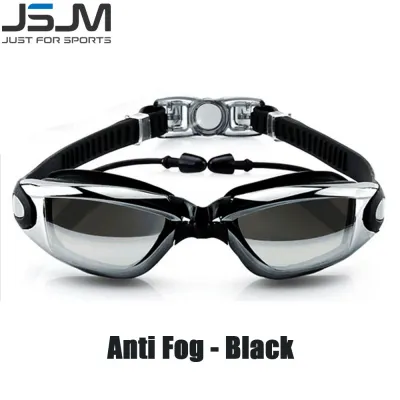
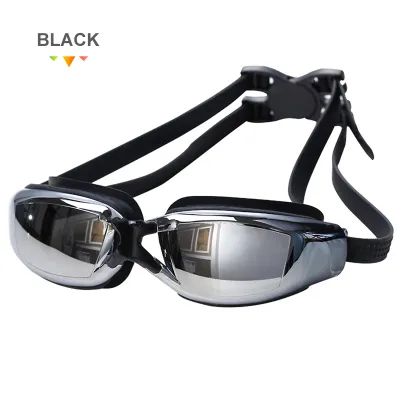
Prices are valid at publication and may change. Please refer to the product page for the latest price.
If you perform daily lap training or participate in structured fitness programs, your focus should shift toward durable, low-profile goggles. For these 45- to 60-minute workouts, you need a balanced design that offers a secure seal without sacrificing long-term comfort. Look for brands that utilize high-grade, chlorine-resistant silicone gaskets and robust split-strap systems to ensure the goggles remain firmly in place during active flip turns and streamlined push-offs.
For competitive swimmers and racers, hydrodynamics and absolute seal security are paramount. In this high-intensity scenario, you should choose ultra-low-profile or rigid-seal goggles, such as Swedish-style designs, which sit deep inside the orbital socket to minimize water resistance. While these models sacrifice long-term cushioning, they provide the rock-solid stability needed to withstand explosive dive starts and high-speed sprints on race day.
While major global brands like Speedo, Arena, TYR, and Swans offer diverse product lines that span all three categories, their individual models are engineered for highly distinct purposes. A common mistake is buying a high-end racing goggle for casual leisure swimming, which often results in unnecessary discomfort. Conversely, using a bulky recreational mask for competitive training will generate excessive drag and slide out of place during high-speed maneuvers.
Core Dimensions for Comparing Swimming Goggles and Swimming Accessories
When evaluating different brands of swimming accessories and goggles, looking past marketing buzzwords is essential for finding a pair that performs reliably. The physical construction of a goggle dictates its sealing ability, comfort, and optical clarity. By analyzing these items across a few core dimensions, you can objectively compare models regardless of their brand name or price point.

The first and most critical dimension is the gasket material and seal construction. Most modern goggles use liquid silicone, thermoplastic rubber (TPR), or foam seals. High-quality liquid silicone is the industry standard for fitness and recreational goggles because it is highly hypoallergenic, flexible, and conforms easily to various facial contours. Firmer materials, such as compressed TPR or rigid plastic rims found in Swedish-style goggles, are preferred for racing because they do not compress or shift under high-velocity water flow, ensuring the seal remains unbroken during dive entries.
Lens shape and tint represent the second major dimension, directly affecting your field of vision and eye strain. Curved lenses provide excellent peripheral vision, which is highly beneficial for open-water swimmers or those navigating crowded public lanes in Singapore. However, curved lenses can sometimes introduce minor optical distortion at the edges. Flat lenses offer highly accurate forward vision, which is ideal for tracking the black line on the pool floor.
Lens tints must be matched to your specific swimming environment to protect your eyes and optimize visibility. In Singapore’s bright, tropical climate, outdoor pools expose swimmers to intense sunlight and harsh surface glare. Mirrored or polarized lenses are highly effective in these conditions, as they reflect light away from the eyes and reduce squinting. For indoor pools or evening swim sessions under standard floodlights, clear, yellow, or light blue lenses are far superior because they maximize light transmission and maintain natural contrast.
Strap mechanisms and frame profiles constitute the final dimensions of comparison. Goggle straps generally come in split-silicone designs, dual-strap configurations, or adjustable bungee cords. Split straps distribute pressure evenly across the back of the head, while dual straps allow you to position one strand high on the crown and one lower at the base of the skull for maximum stability. Frame profiles range from high-volume masks that seal around the forehead and cheeks to ultra-low-profile gaskets that sit snugly within the eye socket, directly dictating the balance between hydrodynamic drag and wearing comfort.
Choosing Goggles for Casual and Recreational Swimming
For casual and recreational swimmers, the primary objective is to enjoy time in the water without experiencing eye fatigue, painful pressure marks, or constant leaks. If you swim occasionally for leisure, health, or light recovery, you do not need to worry about hydrodynamic drag coefficients. Instead, your search should focus on goggles that prioritize a plush, forgiving fit and an expansive field of view.
Wide-view lenses and thick, soft silicone gaskets are the hallmark of excellent recreational goggles. Brands like Speedo (with their Biofuse technology) and Decathlon’s Nabaiji line excel in this category by using oversized frames that seal on the flatter areas of the face around the orbital bone. This design distributes suction pressure over a larger surface area, preventing the deep, unsightly red rings that firmer goggles often leave around the eyes. The wide-angle lenses also provide an unrestricted view of your surroundings, which enhances safety and comfort in busy public pools.
Another critical feature for casual swimmers is the ease of strap adjustment. Look for brands that feature quick-adjust push-button buckles on the sides or back of the frame. These mechanisms allow you to loosen or tighten the strap instantly while wearing the goggles, eliminating the frustrating process of threading silicone straps through tiny plastic buckles. This user-friendly design is particularly beneficial for families, older adults, or anyone who wants a straightforward, hassle-free swimming experience.
Because casual swimming in Singapore frequently takes place in outdoor condominium pools or public ActiveSG facilities, sun protection is a vital consideration. When browsing swimming accessories, always check the product packaging or online specifications for certified UV protection ratings. Prolonged exposure to high UV radiation can cause long-term damage to your eyes, making UV-blocking lenses a non-negotiable safety feature for outdoor swimming.
To keep your recreational goggles performing well, basic maintenance of the factory-applied anti-fog coating is essential. These coatings are incredibly delicate and can be easily ruined by improper handling. Never wipe or touch the inside of the lenses with your fingers, towels, or shirts, as this will scratch or rub off the anti-fog chemical layer. After your swim, simply rinse the goggles in cool, clean tap water to remove chlorine and salt, then allow them to air dry in a shaded area away from direct sunlight.
Choosing Goggles for Fitness and Lap Training
Fitness and lap swimmers require gear that can withstand the rigors of frequent, structured workouts. If you swim multiple times a week for 45 to 60 minutes per session, your goggles must strike a precise balance between long-term durability, secure positioning, and moderate comfort. Unlike casual swimmers, fitness lap swimmers perform rapid turns, push-offs, and continuous head movements that demand a highly stable fit.
To minimize drag while maintaining comfortable wearability, training goggles typically feature a low-profile frame. These designs sit closer to the face than bulky recreational models, reducing the water resistance encountered during your stroke. Popular training models, such as the Speedo Vanquisher series or Arena’s fitness range, offer a streamlined profile that does not press directly into the sensitive inner corners of the eye sockets, making them comfortable enough for extended aerobic sets.
Chlorine resistance is another major factor for regular training. Singapore’s warm climate requires consistent chemical treatment of public and private pools, which can rapidly degrade low-quality plastics and cheap rubbers. When selecting training goggles, ensure the seals are made of high-grade, injection-molded silicone. This material retains its elasticity and sealing properties despite daily exposure to chlorinated water and body oils, ensuring your investment lasts for months of consistent training.
A secure strap system is indispensable for preventing water entry during active swimming maneuvers. Double silicone straps or split-strap designs are highly recommended for fitness swimmers. When pushing off the pool wall or executing a flip turn, the sudden rush of water can easily dislodge loosely fitted goggles. By positioning a split strap correctly on the back of your head, you create a multi-directional anchor that keeps the eye cups firmly sealed against your face without requiring painful over-tightening.
Ultimately, training-specific product lines from reputable brands are engineered to balance these competing demands. They provide the durability needed to survive hundreds of kilometers in the pool, the stability required for high-intensity training intervals, and a level of comfort that allows you to focus entirely on your pacing and stroke technique.
Choosing Goggles for Competitive and Race Swimming
When hundredths of a second make the difference between winning and losing, competitive swimmers must transition to highly specialized racing goggles. These models are engineered with a singular focus: minimizing hydrodynamic drag to the absolute limit. Every curve, strap joint, and seal edge is optimized to allow water to flow smoothly over the swimmer’s head during high-velocity starts, underwater dolphin kicking, and sprint finishes.
To achieve this level of hydrodynamic efficiency, competitive goggles feature an ultra-low-profile, rigid-seal design. Classic Swedish-style goggles, which feature no rubber or silicone gasket at all, sit directly on the bony structure of the eye socket. Modern elite racing models, such as the Speedo Fastskin Hyper Elite or Arena Cobra Ultra, use an incredibly thin, rigid micro-gasket. These designs minimize the physical projection of the goggle from the face, drastically reducing drag but requiring a highly precise fit to prevent painful bone pressure.
Mirrored lenses are standard in competitive racing to manage light and psychological focus. In highly lit indoor competition venues or outdoor warm-up pools, bright overhead lights and water reflections can be highly distracting. Mirrored coatings reflect this intense glare, allowing the athlete to maintain clear forward and lateral vision. Additionally, many competitive swimmers prefer mirrored lenses because they hide their eyes from competitors, helping them maintain a focused, competitive mindset behind the blocks.
This extreme focus on speed and stability introduces a clear trade-off: competitive racing goggles are generally not designed for long-term comfort. The rigid, low-profile frames and high-tension dual straps can cause notable pressure around the eyes over extended periods. Consequently, most competitive swimmers reserve their elite racing goggles for actual race days and high-speed time trials, relying on more cushioned training goggles for their daily multi-hour practice sessions.
If you plan to compete in sanctioned swimming meets in Singapore, it is vital to verify that your chosen goggles comply with relevant governing body regulations. Organizations such as World Aquatics (formerly FINA) maintain strict guidelines regarding equipment specifications for official competitions. Ensure your racing goggles carry the necessary approval stamps or meet the required dimensional standards to avoid any compliance issues on race day.
How to Verify Fit, Seal, and Specifications Before Buying
Because facial structures vary widely from person to person, finding the right swimming goggles is a highly individual process. A model that fits your training partner perfectly might leak constantly on your face due to subtle differences in nose bridge width, orbital bone depth, and temple shape. To avoid wasting money on unusable gear, you must know how to test and verify a goggle’s fit before taking it to the pool.
The most reliable way to test a pair of goggles is the “suction test.” To perform this test, press the goggle cups gently against your eyes without putting the strap over your head. If the goggles are a good match for your facial structure, the suction should hold them in place for at least one to two seconds before they fall off. If they pop off immediately or fail to create any suction, the frame shape or nose bridge width is incorrect for your face, and the goggles will almost certainly leak when you swim.
When purchasing swimming accessories online or in-store, always verify the technical specifications listed on the packaging. Pay close attention to the nose bridge design; many high-quality goggles come with multiple interchangeable nose bridges of varying widths, or an adjustable nose piece. This feature is incredibly valuable because it allows you to customize the distance between the eye cups, ensuring the gaskets align perfectly with your orbital bones. Additionally, confirm the UV protection level and check if the anti-fog coating is factory-applied.
Because fit is so personal, buying goggles online carries an inherent risk of mismatch. To protect yourself, always review the return and exchange policies of your chosen online sports retailer before completing a purchase. Ensure they allow returns or exchanges on swimming gear, provided the packaging remains undamaged and the product has not been used in the water. This safeguard allows you to perform the suction test at home and exchange the goggles if the fit is not correct.
Finally, always consult the manufacturer’s care instructions to preserve the longevity of your goggles and avoid voiding their warranty. Different brands use proprietary lens coatings and silicone compounds that require specific care. Never use household glass cleaners, spit, or abrasive soaps on your goggles. If your instructions conflict with general advice, the manufacturer’s specific guidelines must always take precedence to prevent permanent damage to your specialized eyewear.
Frequently Asked Questions (FAQ)
How do I prevent my swimming goggles from fogging up?
To preserve the factory-applied anti-fog coating, rinse your goggles with cool, clean tap water after every swim and let them air dry in the shade. Never touch, wipe, or rub the inside of the lenses, as this physically removes the delicate anti-fog chemical layer. Once the original coating naturally wears off over time, check the manufacturer’s guidelines for approved aftermarket anti-fog drops or sprays to safely restore clarity.
Should I buy mirrored or clear lenses for indoor pools?
For indoor pools with standard or dim lighting, clear or lightly tinted lenses (such as light blue or yellow) are highly recommended because they maximize light transmission and maintain natural contrast. Mirrored or dark-tinted lenses are specifically designed to reflect intense glare and reduce brightness, making them ideal for outdoor pools under the bright Singapore sun or heavily illuminated competition arenas.
How often should I replace my swimming goggles?
Rather than relying on a fixed calendar timeframe, you should replace your goggles when you observe physical signs of degradation. Inspect your gear regularly for brittle, sticky, or cracked silicone seals, persistent leaking that adjustments cannot fix, deep scratches on the lenses that impair your vision, or stretched-out straps that no longer hold secure tension during active swimming.
Community discussion
Share your experience or ask a question. Comments are reviewed before publication.