
Selecting the right foot sleeve for daily support, athletic recovery, or managing discomfort requires a careful look at how different brands align with your physical needs. While the Koprez foot sleeve has gained attention for its targeted compression design, there is no single option that serves as a universal solution for every individual. The ideal choice depends on your specific compression requirements, the physical activities you engage in, and how well a brand’s sizing chart matches your actual foot measurements.
When evaluating these products, it is helpful to define the scope of your comparison. Some users require a sleeve primarily for daily wear during long hours of standing, while others need a supportive garment for high-impact sports recovery or managing specific conditions like plantar fasciitis. Without a specific medical prescription, choosing between Koprez and its competitors requires matching product specifications to your personal comfort and support requirements.
Identifying Your Specific Foot Support Needs
Before comparing brand specifications, you must determine the exact type of foot support your lifestyle demands. Compression garments operate on a spectrum of tightness and targeted pressure. Mild compression is generally used to promote circulation and reduce minor swelling during long periods of sitting or standing. If you spend your days walking on hard urban surfaces, such as concrete pavements or tiled shopping malls, a mild compression sleeve can help minimize general fatigue.
Products mentioned in this guide
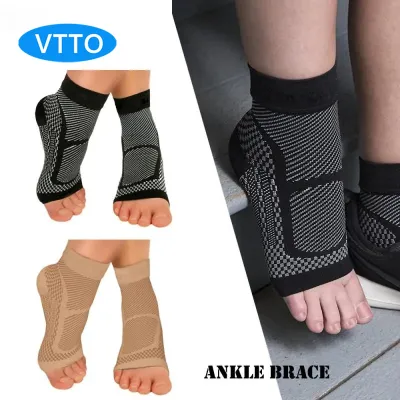
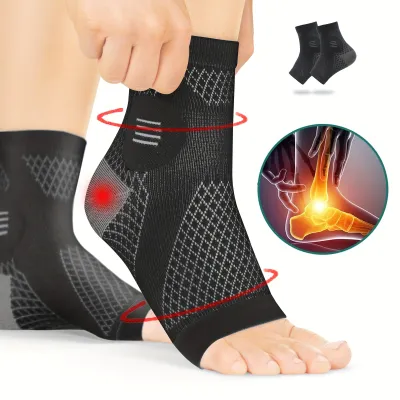
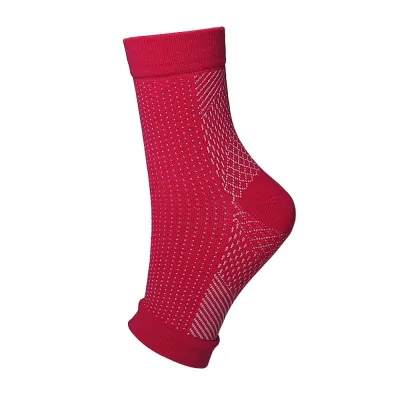
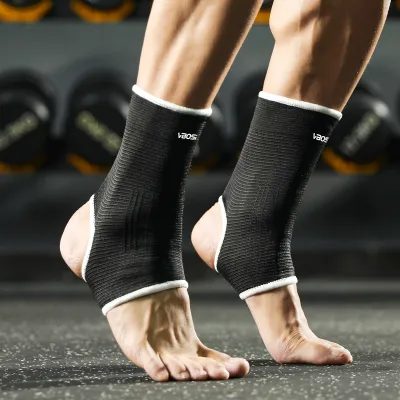
Prices are valid at publication and may change. Please refer to the product page for the latest price.
In contrast, targeted arch support addresses localized strain like plantar fasciitis, applying focused upward pressure on the plantar fascia ligament to prevent micro-tearing during movement. If your primary goal is ankle stabilization during sports like running, basketball, or badminton, you will need a sleeve that offers structural reinforcement around the joint to prevent excessive lateral movement.
Your daily activities dictate the material performance you require. Running demands a sleeve that handles rapid movement and manages sweat efficiently without slipping, whereas post-workout recovery focuses on promoting blood flow at rest, requiring a softer, more forgiving fit.
It is critical to recognize when to stop self-selection and seek professional guidance. While over-the-counter foot sleeves offer excellent general support, they cannot replace medical treatment for structural issues or severe injuries. If you experience sharp, persistent pain, sudden swelling, or joint instability, consult a healthcare professional, such as a podiatrist or orthopedic specialist, before purchasing any compression wear.
Key Specifications to Compare: Koprez vs Competitors
When comparing Koprez to alternative brands, look past marketing claims and focus on measurable technical specifications. The first element to evaluate is the compression level, which is measured in millimeters of mercury (mmHg). Mild compression (typically 15 to 20 mmHg) is suitable for daily wear and mild swelling, while moderate to firm compression (20 to 30 mmHg) offers more robust structural support. Check the product packaging or official specifications to ensure the brand explicitly states its compression range rather than using vague terms like “extra tight.”

The fabric composition is another critical factor, particularly in hot and humid climates like Singapore’s. High-quality foot sleeves are typically knit from nylon-spandex blends. Nylon provides the necessary durability and structural strength, while spandex offers elasticity and shape retention. Avoid heavy polyester blends, which tend to trap heat and moisture, leading to skin irritation or fungal growth. Look for moisture-wicking properties that pull sweat away from the skin to keep your feet dry and comfortable throughout the day.
Next, examine the arch and heel design of the sleeve. Open-heel designs are highly breathable and allow for a more natural range of motion, making them excellent for daily wear inside standard footwear. Closed-heel designs provide more comprehensive coverage and can help stabilize the heel cup, though they may feel warmer. Additionally, check if the sleeve features targeted knit zones—areas where the fabric is woven more tightly to provide extra support to the arch and ankle joint.
Finally, evaluate the anti-slip features integrated into the sleeve. A compression sleeve that slides down or bunches up during movement loses its effectiveness and causes discomfort. Many brands incorporate thin silicone grip strips along the top and bottom cuffs to keep the sleeve securely in place. If you have sensitive skin or a known silicone allergy, look for alternative brands that utilize wide, flat elastic bands or specialized weaving techniques to prevent slipping without the use of silicone.
Evaluating Fit, Sizing, and Comfort
Sizing standards vary significantly between Koprez and other brands, meaning a size medium in one brand may correspond to a small or large in another. To ensure proper support and avoid restricting your circulation, do not rely on your standard shoe size. Instead, use a flexible measuring tape to measure the circumference of your arch and the narrowest part of your ankle. Compare these precise measurements against each manufacturer’s specific sizing chart before making a purchase.
Seam placement is a vital consideration for long-term comfort. Bulky or poorly positioned seams can rub against the skin, causing friction, chafing, and painful blisters during extended wear or high-impact activities. Look for sleeves constructed with flatlock stitching or seamless knitting technology, which minimizes friction points and ensures a smooth fit against your skin.
Because finding the perfect fit can require some trial and error, always review the return and exchange policies on the e-commerce platform or online marketplace where you shop. Verify whether the seller allows returns or exchanges on opened compression garments. Due to hygiene regulations, some retailers do not accept returns once the product packaging has been unsealed, making it even more important to measure your feet accurately before ordering.
Assessing Value and Purchasing Channels
To determine the true value of a foot sleeve, compare the unit price in S$ against the expected lifespan of the product. While some budget-friendly brands offer low initial prices, they may lose their elasticity after a few washes, requiring frequent replacements. If you plan to wear a foot sleeve daily, look for multi-pack options. Purchasing a two-pack or three-pack often provides better value per sleeve and ensures you always have a clean garment available while others are being washed.
To protect yourself from counterfeit products that lack proper compression engineering, verify the authenticity of the seller. Look for official brand stores or authorized distributors on online marketplaces. Read customer reviews carefully, paying close attention to feedback regarding packaging quality, brand labels, and overall construction to ensure you are purchasing a genuine product.
Additionally, factor in shipping costs and delivery times when comparing local and international sellers. While international listings may feature lower base prices, shipping fees to Singapore can quickly close the price gap. Local sellers or regional distributors often provide faster delivery times and more straightforward customer service, which is highly beneficial if you need immediate foot support or need to process a quick exchange.
Decision Framework: Which Foot Sleeve Should You Choose?
To finalize your choice, use the following conditional framework to match your specific physical needs and lifestyle to the right product:
Choose Koprez if:
- The brand's specific compression grade aligns with your daily comfort, mild swelling, or general recovery needs.
- Your precise ankle and arch measurements fall comfortably within their standard sizing chart.
- The pricing fits your budget for a daily-wear accessory, and you prefer a design that balances flexibility with moderate support.
Choose Alternative Brands if:
- You require specialized, medical-grade compression (such as 30 to 40 mmHg) prescribed by a healthcare professional for severe circulatory issues.
- You need integrated orthotic elements, such as built-in silicone gel pads or rigid structural inserts for severe ankle instability.
- You prefer a specific heel configuration, such as a fully open toe-and-heel design, that is not available in the Koprez product line.
Verify First if:
- You have underlying health conditions, such as diabetes, peripheral neuropathy, or severe circulatory disorders. In these cases, compression garments can restrict blood flow dangerously if not professionally fitted and approved by a medical specialist.
Frequently Asked Questions (FAQ)
How tight should a foot sleeve feel when worn for the first time?
When you put on a foot sleeve for the first time, it should feel snug and apply even, supportive pressure across your arch and ankle. It should not feel painfully tight, nor should it pinch your skin. A proper fit provides a reassuring squeeze without restricting your movement or blood flow.
You must monitor your foot for signs of restricted circulation. If you experience numbness, tingling, a pins-and-needles sensation, or if your toes begin to feel cold or turn a bluish color, remove the sleeve immediately. These are clear stop conditions indicating that the sleeve is too small or the compression level is too high for your body.
Can I wear a foot sleeve inside my running or walking shoes?
Yes, most low-profile foot sleeves are designed to be worn inside athletic or daily footwear. However, the added thickness of the fabric will occupy some volume inside your shoe. You may need to loosen your shoelaces slightly to accommodate the sleeve comfortably and prevent excessive pressure on the top of your foot.
Before embarking on a long walk or run, test the sleeve-and-shoe combination during a short trial period at home. This allows you to identify any friction points or tight spots that could lead to blisters or discomfort before you commit to an extended outdoor activity.
How should I wash and maintain my foot sleeve to preserve its elasticity?
To extend the lifespan of your compression sleeve and maintain its elasticity, hand-wash it in cool or lukewarm water using a mild detergent. If you prefer using a washing machine, place the sleeve inside a mesh laundry bag and select a gentle cycle with cold water. Avoid using fabric softeners, as they can coat the elastic fibers and degrade their stretch properties over time.
Always air-dry your foot sleeve by laying it flat or hanging it up away from direct sunlight. Never put the sleeve in a clothes dryer or expose it to high heat, as extreme temperatures will rapidly break down the spandex and elastic components, permanently ruining the compression capabilities of the garment.
Community discussion
Share your experience or ask a question. Comments are reviewed before publication.