
The insulation performance of the Tupperware 310ml bottle depends entirely on its specific material construction—whether it is a standard single-wall plastic model or a specialized double-wall variant. Compared to dedicated vacuum-insulated sports bottles, standard single-wall designs do not provide true thermal isolation. This means that if you fill a standard plastic bottle with cold water, it will rapidly warm up to match the ambient temperature of your workout environment, especially during a humid outdoor session.
Understanding how your bottle handles heat transfer is crucial for maintaining your preferred drinking temperature. Cold water not only tastes refreshing during a grueling workout, but it also helps regulate your core body temperature, allowing you to sustain high-intensity efforts for longer periods. This guide helps you verify product specifications, understand the physics of heat retention, and choose the right bottle based on your specific workout environment and temperature needs. By analyzing the structural differences between these bottle types, you can make an informed decision that aligns perfectly with your fitness routine.
Understanding Insulation: Tupperware 310ml vs. Vacuum Bottles
To evaluate how a Tupperware 310ml bottle compares to dedicated sports bottles, you must first examine its material composition. Standard Tupperware 310ml bottles, such as the popular Eco Bottle series, are typically constructed from high-quality, single-wall plastic like polypropylene or Tritan. While these materials are exceptionally durable, lightweight, and resistant to impact, they possess high thermal conductivity compared to insulated structures. This means heat from the surrounding air or your warm hands passes easily through the thin plastic barrier, quickly warming the liquid inside.
Products mentioned in this guide
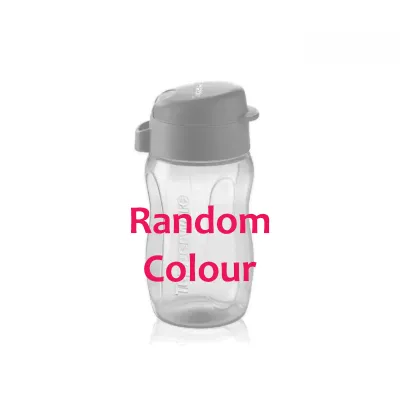
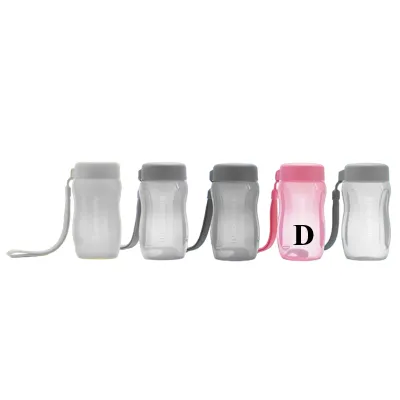
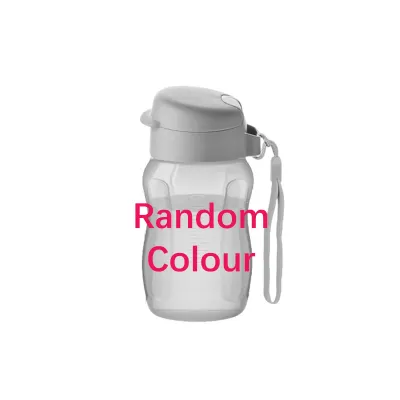
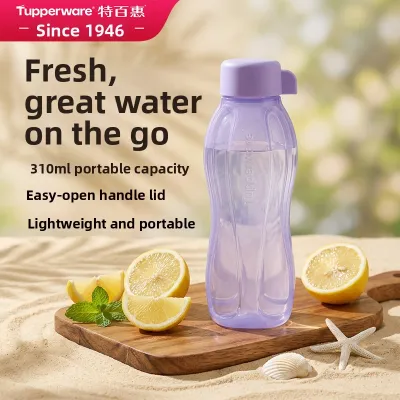
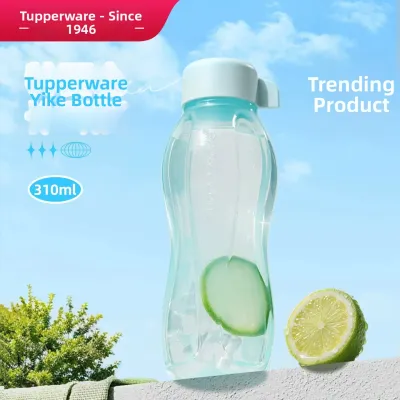
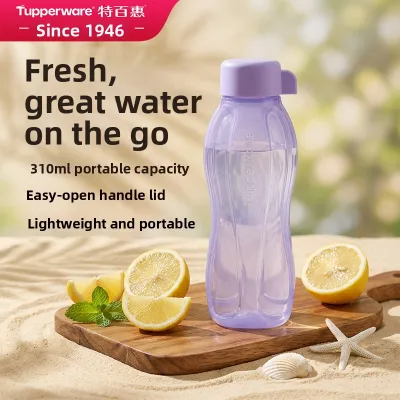
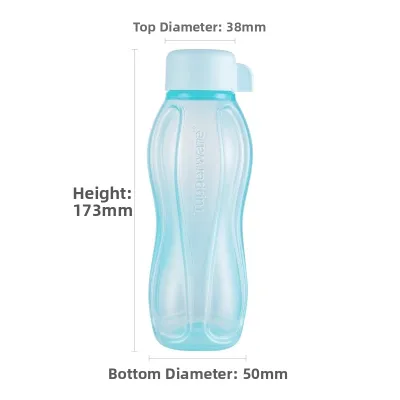
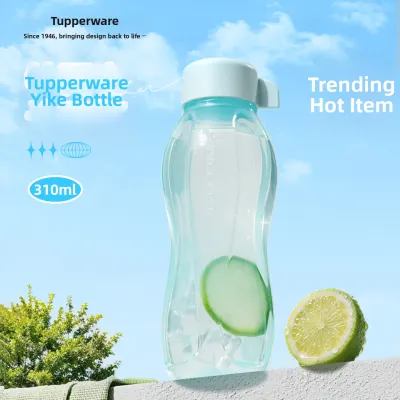
Prices are valid at publication and may change. Please refer to the product page for the latest price.
In contrast, dedicated insulated sports bottles utilize a double-wall vacuum construction, usually made from food-grade stainless steel. This design features an inner and an outer wall with a sealed, airless space—a vacuum—sandwiched between them. Because heat requires a physical medium to travel via conduction or convection, the vacuum acts as an near-impenetrable barrier. Radiation is the only method of heat transfer that can cross a vacuum, and many high-performance bottles minimize this by lining the inner chamber with reflective copper or silver coatings.
The compact 310ml capacity of these bottles also plays a significant role in temperature dynamics due to the surface-area-to-volume ratio. A smaller volume of liquid has less thermal mass, meaning it requires less total heat energy to change its temperature. Because a 310ml bottle has a relatively large surface area exposed to the environment relative to the small amount of water inside, heat transfer occurs much faster than it would in a larger 1-liter bottle of the same material. In a single-wall plastic 310ml bottle, this high ratio accelerates thermal equalization, often causing cold water to reach room temperature within thirty to forty-five minutes in warm conditions.
Key Factors That Affect Drink Temperature During Workouts
Beyond the main body material, several secondary design elements influence how well a bottle maintains its temperature during active use. The lid design and sealing mechanism are critical factors, as a significant amount of heat exchange occurs through the top of the bottle. Many sports bottles feature convenient flip-top caps, straw lids, or push-pull spouts designed for quick access during intense exercise. However, these lids are typically made of uninsulated plastic and may feature small air vents or seals that allow warm air to enter and cool air to escape. A simple, secure screw-on cap with a thick silicone gasket generally provides the most reliable thermal seal, though it is less convenient to open mid-workout.

Environmental variables also dictate how quickly your beverage warms up or cools down. If you are exercising outdoors under direct sunlight, radiant heat will rapidly warm any bottle, particularly those with dark-colored exteriors. High ambient humidity and active airflow, such as the breeze from an outdoor run or the draft from a gym fan, also accelerate convective heat transfer. In tropical climates, a cold, non-insulated bottle will experience heavy condensation on its exterior, which not only makes the bottle slippery to hold but also indicates that heat is being rapidly drawn from the surrounding air into your drink.
Finally, your personal user behavior during a workout affects temperature retention. Every time you open your bottle to take a sip, you break the internal thermal seal and introduce warm ambient air into the chamber. For a small 310ml bottle, where the volume of air inside increases quickly as you drink, these frequent openings can significantly speed up the warming process. To mitigate this, keeping the bottle closed as much as possible and storing it in a shaded spot or an insulated gym bag pocket can help preserve your drink’s temperature.
Matching Bottle Types to Your Workout Routine
Choosing between a lightweight single-wall bottle and a heavier insulated model requires analyzing your specific exercise habits and environments. Single-wall plastic bottles, including standard Tupperware 310ml models, are highly suited for short, indoor, or low-intensity workouts. If your routine consists of a quick 45-minute session in an air-conditioned fitness center, a lightweight plastic bottle is incredibly convenient. It adds virtually no extra weight to your gym bag, fits easily into standard cup holders on treadmills, and is often squeezable for rapid hydration. In these controlled indoor settings, the lack of thermal insulation is rarely an issue, as you will likely finish your drink before it has a chance to warm up significantly.
On the other hand, double-wall vacuum-insulated bottles are indispensable for prolonged outdoor activities, hot yoga classes, or extended hiking trips. When you are exercising in high-temperature environments for over an hour, drinking warm water can be unappealing and may hinder your hydration efforts. An insulated bottle ensures that your water remains ice-cold from the first sip to the last, helping to cool your body from the inside out. However, these bottles are heavier, cannot be squeezed, and are more prone to denting if dropped on hard outdoor surfaces, making them a trade-off between thermal performance and physical portability.
Before purchasing, always verify if the specific Tupperware 310ml model you are interested in features an insulated design. While the brand is globally recognized for its classic plastic containers, they also offer specialized stainless steel and double-walled thermal flasks. If your fitness routine demands long-lasting temperature retention, double-check the product specifications to ensure you are selecting a model engineered for insulation rather than a standard lightweight plastic bottle designed solely for transport.
How to Verify Insulation Claims Before Buying
To avoid disappointment, you should learn how to validate manufacturer specifications rather than relying on vague marketing claims. When browsing online marketplaces or physical retail shelves, look for precise technical terminology on the product packaging. Legitimate insulated bottles will explicitly state terms like “double-wall vacuum insulation,” “18/8 food-grade stainless steel,” or provide specific hour-based temperature retention ratings (such as “keeps cold for 12 hours”). If a product description only uses generic phrases like “keeps drinks cool” without explaining the technology behind it, the bottle is likely a standard single-wall or double-wall model without a vacuum barrier.
It is also helpful to understand the testing conditions manufacturers use to establish their thermal claims. These ratings are typically determined in controlled laboratory settings, where a bottle is filled with water at a specific starting temperature (often around 4 degrees Celsius) and kept closed in a room maintained at a stable temperature (usually 22 degrees Celsius). Because your real-world workout conditions will involve movement, frequent openings, and potentially much higher ambient temperatures, you should expect the actual insulation performance to be slightly lower than the advertised maximum hours.
Lastly, always review the retailer’s return and warranty policies before finalizing your purchase. Since thermal performance can vary based on individual expectations and environmental factors, having the option to return or exchange the bottle after a physical test provides peace of mind. A reputable brand or retailer will often stand behind their insulation claims with a clear warranty against vacuum seal failures, ensuring you receive a product that truly supports your hydration needs during active training.
Frequently Asked Questions (FAQ)
Can I put hot liquids in a standard 310ml plastic sports bottle?
You must always consult the manufacturer’s maximum temperature guidelines and material safety certifications before pouring hot liquids into any plastic bottle. Standard single-wall plastic sports bottles are generally engineered for cold or room-temperature beverages. Pouring boiling or highly heated liquids into non-rated plastics can cause the material to soften, warp, or leach chemicals. Additionally, sealing hot liquid inside an airtight bottle can create a vacuum or build up steam pressure, which may cause the lid to fail or hot liquid to spray out unexpectedly when opened, posing a burn hazard.
Does a smaller 310ml bottle keep drinks cold longer than a larger one?
Thermodynamically, a smaller 310ml bottle will not keep drinks cold as long as a larger bottle of identical construction. This is due to the concept of thermal mass; a larger volume of cold water contains more total cooling energy, making it more resistant to temperature changes from external heat. However, you can optimize the performance of a 310ml bottle by keeping it completely full. Minimizing the empty air space inside the bottle reduces the amount of warm air that enters when you open it, helping to preserve the cold temperature of the remaining liquid for as long as possible.
Community discussion
Share your experience or ask a question. Comments are reviewed before publication.