
When shopping for a pilates mat thick enough to safeguard your spine and joints, you will quickly discover that thickness specifications alone do not tell the whole story. There is no single “best” brand for every practitioner, as optimal joint protection depends entirely on the relationship between physical thickness and material density.
For maximum cushioning during floor-heavy routines, high-density nitrile butadiene rubber (NBR) or thick thermoplastic elastomer (TPE) mats provide a highly forgiving barrier against hard floors. Conversely, if your routine incorporates standing balance poses or precise transitions, a firmer natural rubber or high-density polyvinyl chloride (PVC) mat is necessary to maintain stability.
The core trade-off when choosing an exceptionally thick mat is the loss of stability. While an extra-thick mat maximizes comfort during rolling exercises, it can severely compromise your balance during standing movements. Evaluating these products requires looking beyond the millimeter rating to understand how the material compresses under your body weight.
Products mentioned in this guide
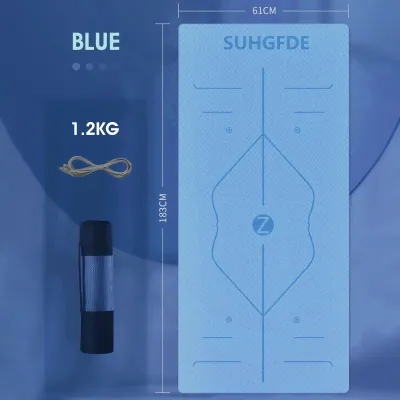
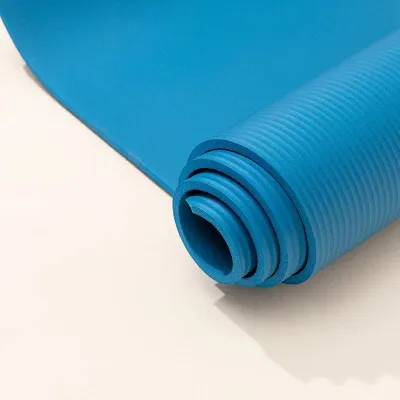
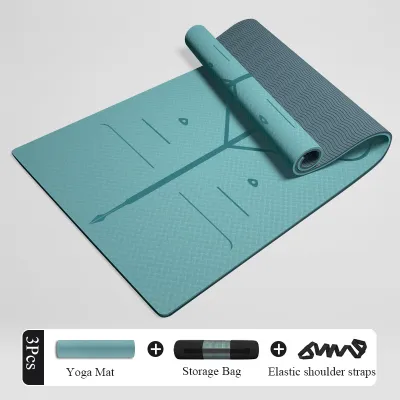
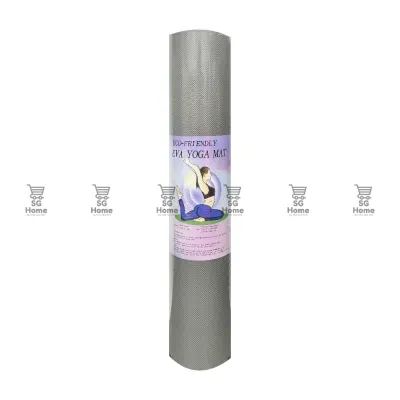
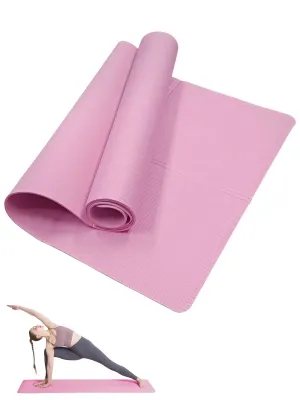
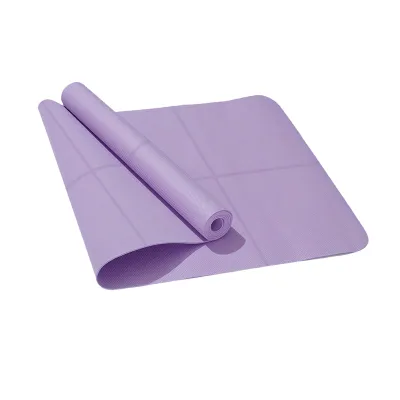
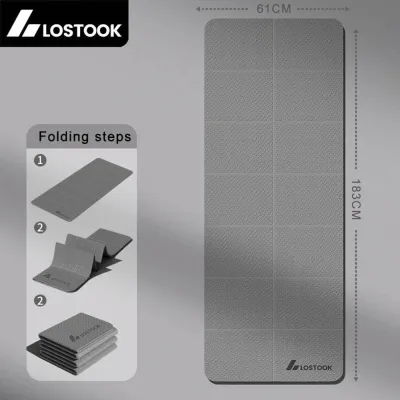
Prices are valid at publication and may change. Please refer to the product page for the latest price.
Thickness vs. Cushioning: Why a Thicker Mat Doesn't Always Mean Better Support
To choose the right support, you must distinguish between physical thickness and actual cushioning. Thickness refers strictly to the vertical measurement from the floor, typically measured in millimeters. Cushioning, however, is determined by the material’s density, cellular structure, and resistance to compression under load.
A common pitfall is the “bottoming out” effect, which occurs when a low-density mat compresses completely under concentrated pressure. For example, when you place your entire body weight on your knees or tailbone during a movement like the “Rolling Like a Ball,” a cheap, low-density 15mm mat can flatten entirely to the floor. This leaves your joints resting directly against the hard ground, defeating the purpose of the extra thickness.
In contrast, a high-density 8mm mat constructed from dense PVC or natural rubber resists this localized compression. It distributes your weight across a broader surface area, providing superior joint protection despite having a thinner physical profile. High-density materials also retain their structural integrity over time, resisting permanent indentations from repeated use.
Another critical factor is the stability trade-off inherent in softer materials. When a mat is both exceptionally thick and highly compressible, it creates an unstable, shifting surface beneath your feet and hands. This instability forces the stabilizing micro-muscles in your ankles, knees, and core to work significantly harder to maintain balance. For beginners or those recovering from injuries, this extra strain can lead to premature fatigue or improper form, increasing the risk of joint strain.
Comparing Thickness Categories: Which pilates mat thick Range Protects Your Joints Best?
Selecting the ideal thickness range requires balancing your physical needs with the specific exercises in your routine. Pilates mats generally fall into three distinct thickness categories, each serving a different purpose.

Standard Mats (4mm to 6mm) Standard mats are designed primarily for stability and portability. They provide an excellent, firm connection to the ground, which is ideal for standing poses, lunges, and advanced balance work. However, they offer minimal joint protection for sensitive areas. If you frequently experience discomfort in your knees, hips, or spine during floor exercises, a standard mat will likely feel too hard and unsupportive.
Thick and Intermediate Mats (8mm to 10mm) This range represents the optimal middle ground for the vast majority of Pilates practitioners. An 8mm to 10mm mat provides substantial cushioning for rolling exercises and side-lying movements without severely compromising your balance. It offers enough shock absorption to protect the spine during dynamic floor work while remaining firm enough to support controlled transitions and standing exercises.
Extra Thick Mats (12mm to 15mm+) Extra-thick mats are engineered specifically for maximum joint protection, physical rehabilitation, or individuals with highly sensitive joints. They excel at cushioning floor-heavy routines where you spend most of your time on your back, knees, or hands. However, they are highly unsuitable for standing balance work, as the thick, soft surface makes it difficult to find a stable foundation.
| Thickness Range | Best Use Case | Stability Level | Joint Protection Level |
|---|---|---|---|
| 4mm – 6mm | Standing balance, advanced routines, studio travel | High | Low |
| 8mm – 10mm | General Mat Pilates, mixed floor and standing work | Moderate to High | Moderate |
| 12mm – 15mm+ | Floor-heavy exercises, joint rehabilitation, therapy | Low | High |
When choosing a category, consider your primary workout environment and physical condition. If you practice Mat Pilates where transitions are frequent and floor work is intense, the intermediate 8mm to 10mm range is usually the safest starting point. If you are transitioning between a home setup and a local studio, keep in mind that thicker mats require more storage space and are heavier to transport.
Material Breakdown: How Popular Mat Materials Deliver Cushioning
The material composition of a mat dictates how its thickness translates to real-world cushioning and longevity. Understanding these materials allows you to evaluate manufacturer specifications with confidence.
NBR (Nitrile Butadiene Rubber) NBR is a synthetic rubber commonly used to manufacture extra-thick mats in the 12mm to 15mm range. It is highly valued for its plush, soft feel and affordable price point, with many budget-friendly options retailing under S$30. While NBR is incredibly forgiving on sensitive joints, its low density means it compresses easily and can feel highly unstable during standing exercises. Additionally, NBR is prone to stretching under friction and may degrade faster if subjected to intense, dynamic workouts.
TPE (Thermoplastic Elastomer) TPE is a lightweight, synthetic blend that offers a strong balance of cushioning and firmness. Often marketed as an eco-friendly alternative to PVC, TPE mats in the 8mm to 10mm range provide excellent shock absorption while maintaining their structural shape. They do not bottom out as easily as NBR, making them a versatile choice for mixed routines. However, TPE can be sensitive to extreme heat and direct sunlight, which can cause the material to degrade over time.
PVC (Polyvinyl Chloride) PVC is the industry standard for durability and high density. Professional-grade PVC mats are designed to resist bottoming out, providing consistent, firm support even under heavy loads. While a thick PVC mat may lack the initial squishy comfort of NBR, it offers superior long-term joint protection by maintaining a supportive barrier between you and the floor. High-quality PVC mats are highly durable and resist moisture absorption, though they can carry a higher price tag, often ranging from S$60 to over S$120.
Natural Rubber Natural rubber mats are dense, heavy, and offer exceptional grip. Because of their high density, they provide outstanding supportive cushioning even at thinner profiles, such as 5mm or 6mm. Natural rubber is rarely manufactured in thicknesses above 8mm because the resulting mat would be too heavy to transport easily. It is an excellent premium option for those who want firm joint protection paired with unmatched traction, though users with latex allergies must avoid it.
When comparing brands, always cross-reference the stated thickness with the material used. A 10mm TPE mat will feel significantly firmer and more supportive than a 10mm NBR mat, while an 8mm natural rubber mat will offer a dense, solid foundation that protects your joints without any sinking sensation.
Decision Framework: How to Evaluate and Choose Your Ideal Thick Mat
To find the perfect balance of thickness, cushioning, and stability, use this structured evaluation framework before making your purchase.
1. Assess Your Routine Calculate the ratio of floor-based exercises to standing exercises in your typical session. If your routine consists of 90% floor work, such as pelvic curls, chest lifts, and spine stretches, prioritize maximum cushioning. If you frequently perform standing lunges, balance sequences, or transition quickly between standing and lying positions, prioritize stability and a firmer material.
2. Verify Density and Compression Resistance Look closely at product specifications for mentions of high-density construction or closed-cell structures. When reading user feedback on online marketplaces, search specifically for terms like “bottoming out,” “sinking,” or “hip pain.” If multiple users note that their knees touch the floor through the mat during kneeling exercises, the density is likely too low for effective joint protection.
3. Consider Portability, Storage, and Climate Thicker mats are naturally bulkier and heavier. If you plan to carry your mat to a Pilates studio, a 15mm mat will be highly inconvenient to roll, secure, and transport. In Singapore’s warm, humid climate, storing thick mats requires extra care. Closed-cell materials like high-density PVC or TPE are ideal because they do not absorb sweat, preventing moisture buildup and odor retention during storage in compact home spaces.
4. Check Surface Texture and Grip A thick mat can feel doubly unstable if your hands or feet slip during movement. Look for mats with textured underside patterns that grip the floor securely, preventing the mat from sliding during dynamic transitions. The top surface should offer sufficient traction, even when your hands are damp from a challenging workout.
Apply the Decision Framework
- Choose an extra-thick NBR mat (12mm – 15mm) if your workouts are strictly floor-based, you have highly sensitive joints or are performing gentle rehabilitation exercises, and you do not require a portable mat for travel.
- Choose a thick TPE or dense PVC mat (8mm – 10mm) if you need a versatile, long-lasting mat that protects your spine during rolling exercises while providing a stable, non-slip base for standing balance work.
- Verify first with a professional if you are recovering from a specific joint injury or spinal condition. Consult a physical therapist or certified Pilates instructor to determine the exact firmness and thickness required for your safe recovery.
Frequently Asked Questions (FAQ)
Is a 15mm mat too thick for Pilates?
Yes, a 15mm mat is generally too thick for traditional Pilates routines that incorporate standing, lunging, or single-leg balance work. The excessive thickness creates a highly unstable surface that can strain the ankles and knees as they struggle to find a solid foundation. However, a 15mm mat is highly appropriate for purely floor-based exercises, physical therapy, or individuals with severe joint sensitivity who require maximum cushioning.
Can I use a thick yoga mat for Pilates?
While you can use a thick yoga mat for basic Pilates exercises, there are key structural differences to consider. Yoga mats are designed to prioritize grip and traction for standing poses, whereas Pilates mats require a denser, slicker surface that allows the body to slide and roll smoothly during dynamic movements. A standard yoga mat may also compress too easily, failing to provide the firm spinal support needed for classic Pilates rolling exercises.
How do I clean a thick Pilates mat without damaging the cushioning?
To clean a thick Pilates mat safely, wipe the surface with a soft, damp cloth and a mild, non-abrasive soap solution. Avoid soaking the mat in water or using harsh chemical cleaners, as excess moisture can penetrate the porous structure of materials like NBR, leading to mold growth and breaking down the cellular cushioning. Never place a thick mat in a washing machine or spin dryer. Always allow the mat to air dry completely in a shaded, well-ventilated area before rolling it up for storage.
Community discussion
Share your experience or ask a question. Comments are reviewed before publication.