
Selecting the right batting gloves is not about finding a single, universally superior brand. Instead, it is about understanding how different manufacturers design their gear to meet specific player needs, hand shapes, and playing conditions. Your choice should depend on your hitting frequency, your preference for direct bat feedback versus heavy shock absorption, and how well a brand’s unique cut fits your hand. By evaluating key material and construction differences, you can find the pair that offers the best balance of performance, comfort, and value for your game.
Key Dimensions for Comparing Batting Glove Brands
To compare batting glove brands effectively, you must look closely at the materials and construction techniques they employ. The most critical area of any batting glove is the palm, which serves as the direct interface between your hands and the bat grip. Premium brands typically utilize high-grade Cabretta leather, a sheepskin known for its exceptional softness, flexibility, and natural tackiness. This material offers superior tactile feedback, allowing you to feel the rotation of the bat throughout your swing. However, Cabretta leather requires careful maintenance and is more susceptible to moisture damage. On the other hand, synthetic leather blends and textured fabrics are common in mainstream and value-focused brands. While synthetics may not offer the same “second-skin” feel as genuine leather, they are highly durable, resistant to stretching, and often machine-washable, making them a practical choice for everyday practice.
Another essential dimension is the placement and type of padding. Some manufacturers design their gloves with completely unpadded palms to maximize bat feel and control, which is often preferred by experienced hitters who want immediate feedback on contact. Conversely, other brands integrate specialized shock-absorption technologies, such as gel inserts or high-density foam padding, in high-impact zones like the base of the thumb and the outer edge of the palm. This padding helps dampen the painful vibrations and “sting” caused by off-center hits, which is particularly beneficial when hitting in colder weather or using rigid bats.
Products mentioned in this guide
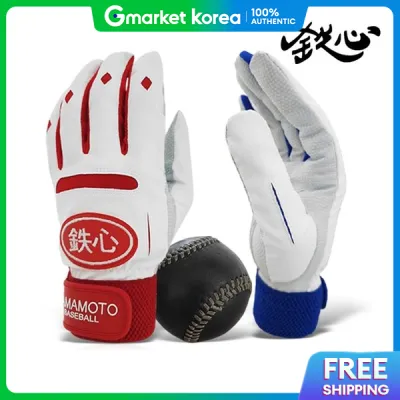
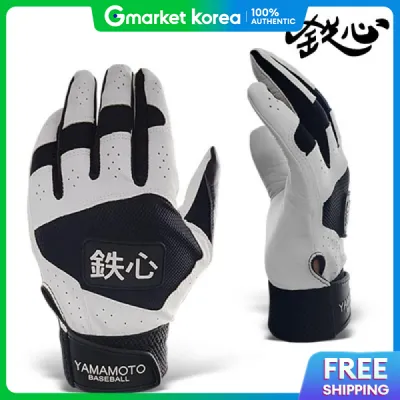
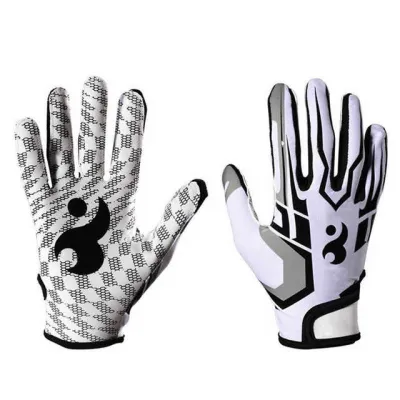
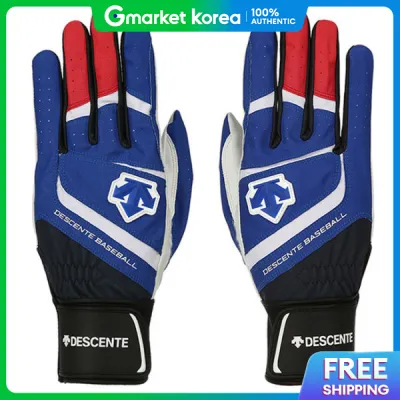
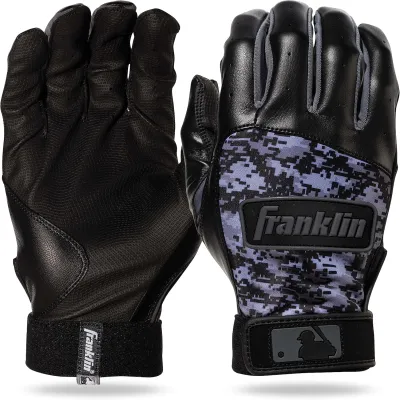
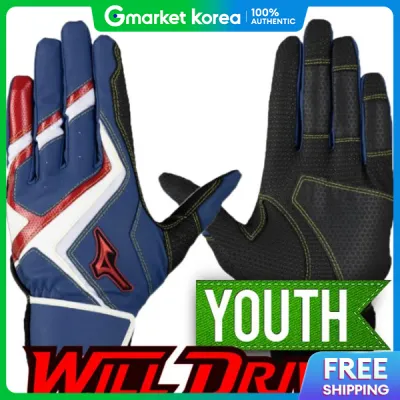
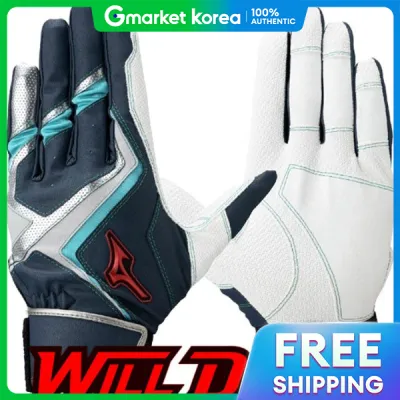
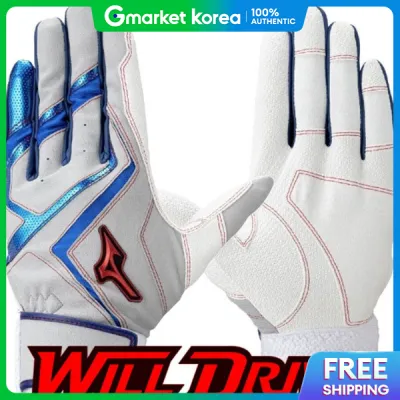
Prices are valid at publication and may change. Please refer to the product page for the latest price.
In Singapore’s hot and humid climate, breathability and moisture management are paramount. Excess sweat can cause your hands to slip inside the gloves, compromising your grip and increasing the risk of painful blisters. When comparing brands, look for design features such as perforated fingers, mesh backings, and moisture-wicking wristbands. A well-ventilated glove allows heat to escape and dries quickly between innings, ensuring a secure, non-slip grip even during intense, humid training sessions.
Finally, pay close attention to stitching quality and structural reinforcement. The seams around the thumb gusset and the base of the fingers are under constant tension during a swing. High-quality brands reinforce these high-wear areas with double-stitching or overlay panels to prevent premature tearing. Examining these construction details will give you a clear indication of a glove’s long-term durability and overall value.
Understanding Brand Tiers: Premium vs. Mainstream vs. Value
The batting glove market is generally divided into three distinct tiers: premium, mainstream, and value-focused. Understanding these categories helps you align your budget with the level of performance and durability you actually need on the field.

Premium and specialty brands focus on delivering top-tier performance without compromise, with prices often ranging from S$80 to over S$100. These manufacturers prioritize premium materials, such as ultra-thin Cabretta leather, and employ advanced ergonomic designs. You will often find features like pre-curved fingers that mimic the hand’s natural resting position, reducing material bunching when you grip the bat. These brands are engineered for competitive players who demand maximum tactile feedback, a custom-molded fit over time, and sophisticated aesthetic designs.
Mainstream athletic brands offer a reliable balance of performance, durability, and cost-effectiveness, typically priced between S$40 and S$80. These gloves frequently utilize hybrid construction, combining genuine leather palms for grip with synthetic backings for flexibility and breathability. Mainstream manufacturers benefit from widespread availability and consistent sizing standards. They are designed to withstand the rigors of a full league season, making them the most popular choice for regular weekend players and high school athletes who need dependable gear without a premium price tag.
Value and entry-level brands focus on basic functionality, high durability, and easy maintenance, with prices generally falling under S$40. These gloves are almost exclusively made from synthetic materials and basic foam padding. While they lack the refined feel and close fit of premium models, they are incredibly tough and highly resistant to abrasion. This makes them an excellent choice for casual recreational players, beginners who are still developing their swing, or young athletes who are likely to outgrow their gear before it wears out.
Matching Brand Characteristics to Your Hitting Profile
Choosing the right brand tier requires matching the glove’s characteristics to your specific hitting profile and playing environment.
If you are a frequent hitter, a power hitter, or someone who participates in highly competitive leagues, investing in premium leather brands is highly advantageous. The natural elasticity of high-grade leather allows the glove to stretch and mold to the unique contours of your hand over time, creating a personalized fit that synthetics cannot replicate. Furthermore, the superior shock dispersion found in premium models helps protect your hands from the cumulative fatigue and sting of taking dozens of high-velocity swings every week.
If you are a versatile player who participates in multi-game tournaments, mainstream hybrid brands are often the most practical choice. These gloves are designed to handle diverse weather conditions and frequent use. The synthetic components allow the gloves to dry faster than pure leather, which is a significant advantage when playing consecutive games in humid conditions. Additionally, their balanced price point makes it feasible to purchase a backup pair, ensuring you always have a dry, grippy glove ready in your gear bag.
For casual players, youth athletes, or those who spend a significant amount of time practicing in batting cages, value-focused brands are highly recommended. Batting cages often use heavy, yellow dimpled balls that are much more abrasive than standard baseballs or softballs. Using expensive, premium leather gloves in a batting cage will rapidly degrade the delicate material, leading to premature tears. Heavy-duty synthetic gloves from value brands are far better suited to withstand this intense friction, saving you money while providing adequate hand protection.
Regardless of the tier you choose, it is vital to verify how a specific brand’s sizing runs before purchasing. Fit profiles vary significantly between manufacturers; some brands design their gloves with a narrow, snug cut, while others offer a wider, more generous palm fit. A glove that is too loose will bunch up in your palm, altering your swing mechanics and causing blisters, while a glove that is too tight will restrict your hand movement and strain the seams.
Essential Checks Before Finalizing Your Purchase
Before finalizing your purchase, take a few practical steps to ensure your selected batting gloves will perform as expected and fit comfortably.
First, always cross-reference the manufacturer’s specific sizing chart rather than relying on your general sports apparel size. Sizing standards are not universal across brands. To get an accurate measurement, use a flexible tape measure to find the circumference of your hand just below the knuckles, or measure the distance from the base of your palm to the tip of your middle finger, depending on the brand’s specific instructions.
Second, review the care and conditioning instructions provided by the manufacturer. Premium leather gloves require active maintenance to preserve their softness and grip. They should never be saturated with water or dried near direct heat sources, as this causes the leather to dry out, stiffen, and crack. Knowing how to properly clean and store your gloves will significantly extend their lifespan.
Third, check the online retailer’s return and exchange policy. Because a proper fit is critical to your swing mechanics, you want the flexibility to try the gloves on at home and exchange them for a different size if they feel too tight or too loose. Ensure the policy allows for hassle-free returns of unused items with their original packaging intact.
Frequently Asked Questions (FAQ)
How often should I replace my batting gloves?
You should replace your batting gloves when you observe clear signs of physical degradation that compromise your grip or protection. Common visual and tactile cues include thinning leather in high-friction areas, torn stitching along the seams, a stiff and crusty texture that does not soften with use, or a noticeable loss of grip on the bat handle. The lifespan of your gloves depends heavily on your frequency of use, the type of bat grip you use, and whether you hit leather balls or abrasive batting cage balls. Regular players may need to replace their gloves once or twice a season, while casual players may get multiple seasons out of a single pair.
Can I use the same batting gloves for both baseball and softball?
Yes, you can generally use the same batting gloves for both baseball and softball, as the fundamental need for grip and hand protection remains the same. However, some brands offer sport-specific lines that are tailored to the unique demands of each game. For instance, softball-specific gloves may feature different padding distribution to accommodate the larger handle of a softball bat, or they may be designed with slightly different finger lengths to match typical hand-closure dynamics. Always check the product label or manufacturer specifications to see if a model is optimized for a specific sport, but a high-quality, well-fitting universal glove will perform effectively in either game.
Community discussion
Share your experience or ask a question. Comments are reviewed before publication.