
No single goalkeeper glove brand universally dominates in grip, durability, and protection. The ideal choice depends on matching the glove’s cut, latex compound, and protective features to your specific playing surface, weather conditions, and personal fit preferences. To find the right soccer gloves, you must evaluate brand-specific technologies and build a shortlist based on verifiable specifications and physical checks rather than marketing claims.
Evaluating these features systematically ensures you select gear that supports your playing style. By understanding how different materials perform under pressure, you can avoid common purchasing pitfalls and find a pair that offers the right balance of tactile feel and hand safety.
Choosing the Right Glove Cut for Your Fit Preference
The cut of a goalkeeper glove determines how the latex is stitched together, directly influencing how snug the glove feels and how much latex surface area contacts the ball. Different cuts cater to distinct hand shapes and personal preferences regarding ball control and cushioning.
Products mentioned in this guide
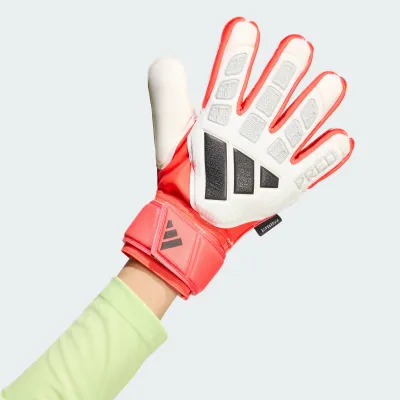
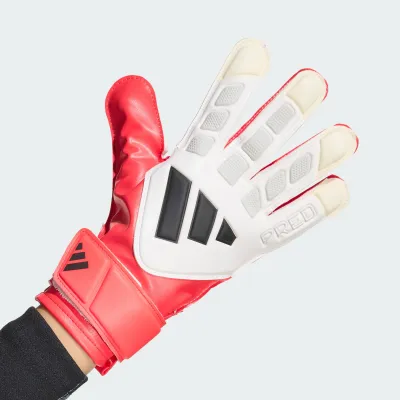
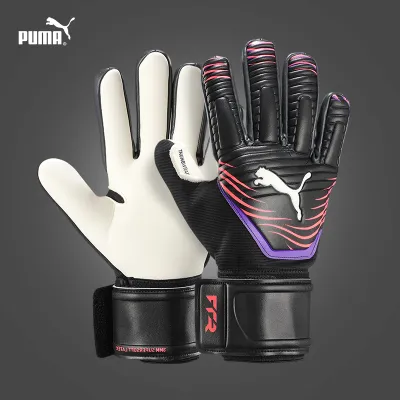
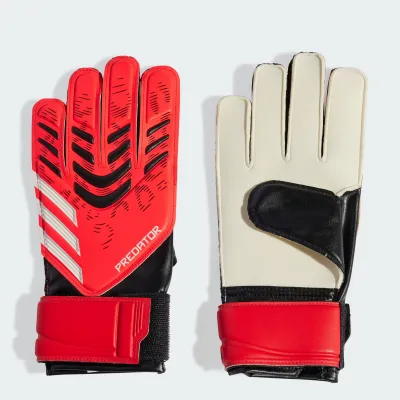

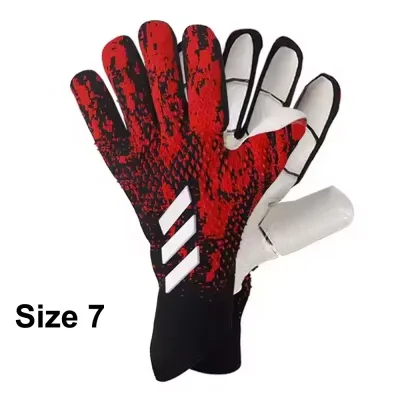

Prices are valid at publication and may change. Please refer to the product page for the latest price.
Flat cuts feature traditional, outer-stitched seams that create a loose, roomy fit. This design maximizes the flat surface area of the palm but can feel slightly boxy. Roll finger cuts wrap the latex around each finger, providing a seamless, snug feel and constant latex-to-ball contact, though they tend to feel bulkier. Negative cuts use internal stitching to pull the material tight against the fingers, offering a highly precise, second-skin fit that is popular among players who prioritize tactile feedback. Hybrid cuts combine these styles, often placing roll fingers on the outer digits and negative cuts on the middle fingers to balance snugness with a wide catching surface.
| Cut Type | Fit Characteristics | Ideal Hand Shape |
|---|---|---|
| Flat Cut | Loose, traditional, flat palm | Wide hands, players preferring a roomy feel |
| Roll Finger | Snug, wrapped latex, bulky | Average to wide hands, players wanting maximum latex contact |
| Negative Cut | Very tight, seamless feel, snug | Narrow hands, players seeking maximum ball tactile feedback |
| Hybrid Cut | Variable, customized snugness | Versatile, players wanting a balance of tight fit and surface area |
Because different brands construct and name their hybrid cuts uniquely, you should look past marketing names and examine the physical seam placement. When evaluating a glove’s fit, use this physical checklist:
- Seam Comfort: Ensure internal seams on negative cuts do not press painfully against your fingernails or fingertips.
- Finger Stability: Verify that your fingers do not twist or slide laterally inside the finger stalls when you rotate your hand.
- Gusset Flexibility: Check that the gussets between the fingers allow you to spread your hand fully without putting excessive tension on the stitching.
Evaluating Grip Technologies Across Different Brands
Grip performance is determined by the quality, thickness, and density of the latex palm. While brands use proprietary names for their latex compounds, you can compare them objectively by checking the technical specifications on product labels or manufacturer websites.

Most match-grade gloves feature a latex thickness of 3mm to 4mm, backed by an additional 2mm to 4mm of foam cushioning. Thicker latex provides superior shock absorption when parrying hard shots, but it reduces your tactile feel of the ball. Conversely, thinner latex offers excellent ball feedback but less impact protection.
It is essential to differentiate between soft match-day latex and dense training latex. Match-day latex is highly porous and soft, offering maximum stickiness but wearing down rapidly. Training latex incorporates synthetic additives to increase density, sacrificing a degree of grip to provide a much longer lifespan.
For wet-weather performance, look for specialized aqua-latex compounds. These materials feature open-pore structures or physical surface dimples designed to channel water away from the contact zone, preventing the ball from slipping. Regardless of the brand, always check the manufacturer’s care instructions, as some high-performance latex palms require constant dampening during play to maintain their grip and prevent the material from drying out.
Assessing Durability for Your Specific Playing Surface
The surface you play on dictates how quickly your gloves will degrade. Abrasive surfaces require specific material choices to prevent premature tearing and flaking of the palm.
High-wear areas typically include the heel of the palm, the fingertips, and the thumb crotch. When comparing gloves, check for reinforced latex patches or silicone overlays in these zones, which help resist friction when you push off the ground.
There is an inherent trade-off between maximum grip and durability. Soft, professional-grade latex will tear easily on abrasive artificial turf or hard ground. If you play frequently on synthetic pitches, look for gloves labeled as “turf-specific” or “hardground.” These models use denser, abrasion-resistant latex blends that withstand the intense friction of synthetic fibers.
To maximize the lifespan of any glove, implement a consistent care routine. Wash your gloves with clean, lukewarm water after every session to remove dirt, sweat, and salt, which degrade the latex. Dry them naturally away from direct sunlight or heating elements, and store them flat with the palms separated so they do not stick together and tear when pulled apart.
Rather than relying on a fixed time limit, monitor physical indicators to decide when to retire your gloves. When you observe deep flaking, bald spots where the backing foam is visible, or a complete loss of friction even when the latex is damp, it is time to relegate them to training use and select a new match pair.
Comparing Protection Features and Backhand Padding
Goalkeeper gloves offer varying levels of hand protection, primarily through finger-save technology and structured backhand materials. Choosing the right level of protection requires balancing safety needs with hand mobility.
Finger protection spines consist of plastic inserts positioned along the back of each finger. These spines bend forward to let you make a fist but lock when pressure is applied backward, helping to prevent hyperextension injuries. While beneficial for youth players or those recovering from injury, they restrict natural finger flexibility and can make clean catching more difficult. If you prefer customizable protection, look for gloves with removable spines so you can protect specific fingers while keeping others free.
Backhand materials also play a critical role in protection, weight, and comfort:
- Latex Backhands: Provide traditional, heavy cushioning and excellent impact dampening when punching the ball, but they add weight and retain heat.
- Mesh and Neoprene: Offer a lightweight, highly breathable, second-skin fit that is ideal for hot, humid climates, though they provide minimal punch protection.
- Synthetic Leather: Offers a durable, cost-effective middle ground, though it can feel stiff during initial use.
Before finalizing your purchase, perform a quick mobility check. Put the gloves on and make a tight fist, then fully extend your fingers. If the protective elements pinch your knuckles or prevent you from closing your hand completely, the gloves may restrict your handling ability. Keep in mind that protective spines and heavy padding add internal bulk, which often requires sizing up by a half or full size to ensure a comfortable fit.
Final Decision Framework: Building Your Goalkeeper Glove Shortlist
To select the right soccer gloves, match your primary playing conditions and physical requirements to one of three main profiles:
- Soft-Latex Match Profile: Choose this if you play primarily on natural grass, prioritize maximum grip, and have a dedicated budget for replacing worn gloves.
- Durable Turf/Training Profile: Choose this if you play frequently on artificial turf, need a single pair for both training and matches, or prioritize long-term durability.
- Finger-Save Profile: Choose this if you are recovering from a finger injury, require extra joint support, or prefer a highly structured, rigid glove.
Before purchasing, consult the brand’s specific sizing chart by measuring your hand circumference across the knuckles, excluding the thumb. Verify the retailer’s return policy to ensure they accept exchanges if the fit is incorrect, provided the protective plastic film on the palms remains intact.
Once your gloves arrive, test the fit, flexibility, and spine movement immediately before removing any tags. Put them on, secure the wrist strap, and mimic catching motions to ensure there is no pinching or excessive slipping. If the fit feels restrictive or uncomfortable, exchange them for a different size or cut before taking them to the pitch.
Frequently Asked Questions (FAQ)
How should I prepare new goalkeeper gloves before their first match?
New goalkeeper gloves often carry factory preservatives on the latex palms to prevent them from drying out during storage and shipping. Before your first use, gently pre-wash the gloves in lukewarm water without harsh detergents. Squeeze out the excess water carefully without wringing or twisting the gloves, then let them air dry away from direct heat. This process removes the chemical residue, opens up the latex pores, and activates the optimal grip properties of the material.
Can I use the same goalkeeper gloves for both matches and training?
While you can use one pair for both, doing so will rapidly accelerate latex wear and degrade your match-day grip. A more cost-effective strategy is to use a two-glove rotation. Keep a high-grip, softer pair exclusively for match days, and use a more durable, denser latex pair for training sessions. When your match gloves eventually begin to wear down, demote them to your training pair and transition a new pair into your match-day lineup.
Community discussion
Share your experience or ask a question. Comments are reviewed before publication.