
Selecting the perfect ultra thin yoga mat depends heavily on your specific practice environment, sweat levels, and how often you commute. In a tropical, humid climate like Singapore, where hot yoga sessions are highly popular and commuting via public transport is common, portability must be balanced with reliable traction. The fundamental trade-off of an ultra thin yoga mat lies in its physical profile: while it offers unparalleled floor connection and effortless portability, it significantly reduces joint cushioning. Practitioners must decide whether they prioritize a polyurethane or natural rubber blend to manage heavy perspiration, or a foldable microfiber design that packs easily into a commuter backpack or carry-on luggage. There is no single universal winner; instead, the ideal choice is determined by how you balance these material trade-offs against your physical needs and travel habits.
What Defines an "Ultra Thin Yoga Mat"?
To navigate the wellness market effectively, it is essential to establish what qualifies as an ultra thin yoga mat. Generally, these mats fall within a thickness range of 1mm to 2mm, though some specialized travel-specific options can reach up to 3mm while remaining highly compressible. Unlike standard studio mats that typically measure between 4mm and 6mm, these low-profile alternatives prioritize weight reduction and compact storage. A typical standard mat can weigh upwards of two to three kilograms, making it cumbersome for daily transit, whereas an ultra-thin counterpart often weighs between 0.8 and 1.5 kilograms.
The primary use cases for these mats center on mobility and specific tactile feedback. They are highly favored by frequent travelers who need to pack their practice surface into tight luggage spaces, as well as commuters navigating busy transit networks. Additionally, hot yoga practitioners often layer them over thick, shared studio mats to ensure a hygienic, high-traction barrier without adding bulk. For those focused on advanced balance postures and inversions, the minimal thickness provides a direct, stable connection to the subfloor, eliminating the soft “wobble” associated with thicker foam.
Products mentioned in this guide
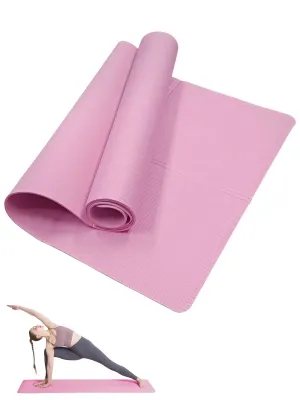
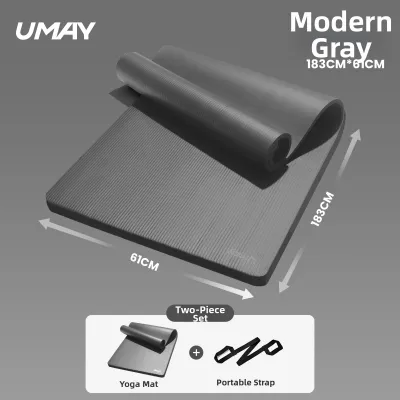
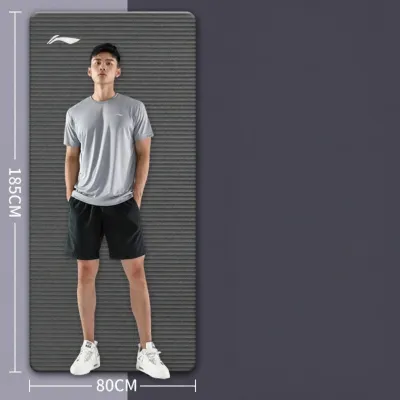
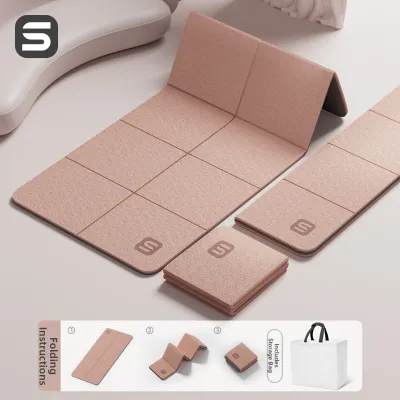
Prices are valid at publication and may change. Please refer to the product page for the latest price.
However, this direct connection comes with a physical cost. The intentional lack of joint cushioning means that your knees, wrists, and elbows will feel the hard surface beneath you. Practitioners transitioning from a standard mat to an ultra-thin model must adapt their alignment, actively engaging their core and distributing weight evenly to avoid joint discomfort. It is a tool designed for stability and portability rather than plush comfort.
Core Comparison Dimensions: Grip, Floor Feel, and Durability
Grip and Traction (Dry vs. Wet Practice)
When evaluating an ultra thin yoga mat, traction is often the most critical factor, particularly in high-humidity environments. The market is broadly divided between open-cell and closed-cell material constructions, each responding differently to moisture. Open-cell materials, such as natural rubber, act like a sponge; they absorb sweat and moisture during a vigorous vinyasa session, which helps maintain a high level of slip resistance even when wet. This makes them highly suitable for hot yoga classes where sweat is inevitable.

Conversely, closed-cell materials, including certain polyurethane (PU) blends or thermoplastic elastomers (TPE), do not absorb moisture. Instead, they rely on specialized surface textures, micro-suction patterns, or proprietary top-layer coatings to keep the hands and feet in place. While closed-cell mats are much easier to wipe clean and sanitize after practice, they can become slippery if a pool of sweat accumulates on the surface. When shopping, always check the manufacturer’s specifications for explicit mentions of “wet grip” versus “dry grip” rather than relying on generic “non-slip” marketing claims. If you tend to sweat heavily, a mat designed specifically for wet traction is essential to prevent sliding.
Floor Feel and Stability
The concept of “floor feel” refers to the sensory feedback your body receives from the solid ground beneath the mat. Thicker, plush mats can compress unevenly under pressure, which often compromises stability during standing balances like Warrior III or handstands. An ultra-thin mat eliminates this compression, allowing your fingers and toes to splay naturally and grip the solid floor. This direct grounding can significantly improve alignment and balance confidence.
However, the quality of this floor feel is highly dependent on the underlying surface. Practicing on a professional hardwood studio floor will feel vastly different from practicing on a tiled apartment floor or a thin carpet. Hardwood offers a slight, natural spring, whereas concrete or tile provides zero shock absorption, making the thinness of the mat highly noticeable. Because these mats offer minimal protection for sensitive joints, practitioners must learn to modify poses—such as doubling over the mat during low lunges—or use secondary props like foam blocks or knee pads to maintain comfort.
Durability and Material Lifespan
The physical longevity of an ultra thin yoga mat is directly tied to its material composition and how it is used. Because these mats are thin, they have less structural material to withstand friction. Dragging a thin mat across rough outdoor surfaces, such as concrete parks or gravel paths, can quickly cause scuffs, tears, or punctures. Synthetic materials like high-density polyurethane or reinforced TPE generally offer excellent resistance to surface abrasion, making them highly durable for daily indoor use.
In contrast, open-cell natural rubber mats are biodegradable and highly sensitive to environmental factors. Exposure to direct sunlight, high temperatures, and ambient humidity—common conditions in tropical regions—can accelerate the oxidation of natural rubber. Over time, this process causes the rubber to become dry, brittle, and prone to flaking. To assess the expected lifespan of a potential purchase, review the manufacturer’s care instructions, material density specifications, and warranty terms. High-density formulations, though slightly heavier, typically offer superior resistance to stretching and tearing over years of regular practice.
Design Philosophies: How Brands Approach Ultra-Thin Mats
The "Travel/Foldable" Approach
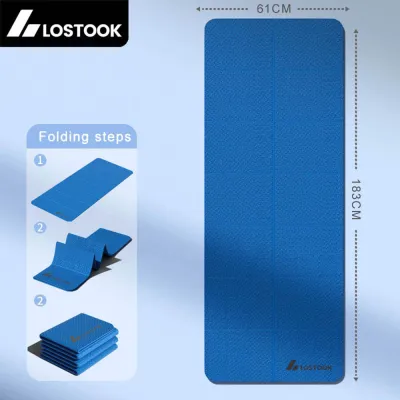
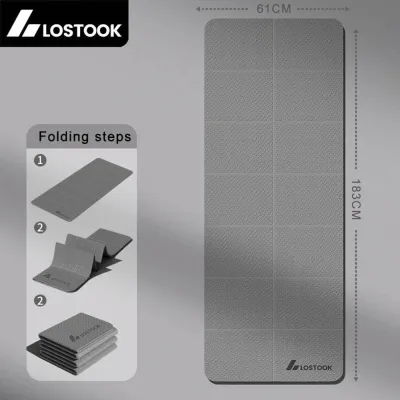
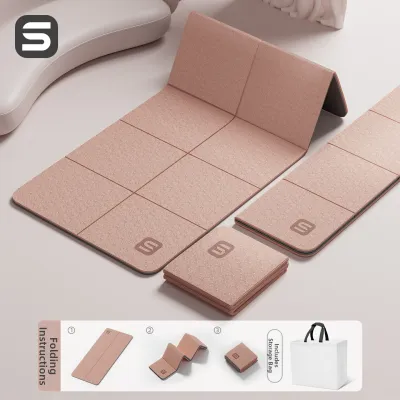
Some brands design their ultra-thin mats with extreme portability as the primary goal. These mats are engineered to be folded into a neat square, similar to a piece of clothing, allowing them to fit easily into a backpack, tote bag, or carry-on suitcase. To achieve this flexibility, manufacturers often use very thin natural rubber bases bonded with a soft microfiber or polyester top layer. The fabric top acts like a built-in towel, absorbing sweat and becoming grippier as it gets damp.
However, the foldable design introduces distinct trade-offs. Frequent folding can create permanent crease lines in the material, which may cause the mat to lift or ripple when laid flat on the floor. Additionally, because these mats are highly pliable, they lack the structural rigidity of a rolled mat. If you attempt to jump through or slide your feet during transitions, a highly flexible foldable mat may bunch up underfoot, requiring manual flattening mid-practice.
The "Performance/Hot Yoga" Approach
Other brands approach the ultra-thin category from a pure performance standpoint, creating mats that must be rolled rather than folded. These models typically feature a 1.5mm thickness and utilize a high-density natural rubber base paired with a smooth polyurethane (PU) top surface. This construction mimics the premium, high-grip feel of professional-grade studio mats but in a fraction of the thickness. They are designed to lay completely flat instantly, with heavy, grippy backings that suction to the studio floor.
The trade-off here is weight and bulk. Despite being only 1.5mm thin, the high density of the rubber and PU layers means these mats can still feel surprisingly heavy to carry over long distances. They cannot be folded into a suitcase, meaning you must still carry them as a roll, which may not fit easily into standard travel bags. They are ideal for local commuters who want studio-level performance without the bulk of a 5mm mat, but less convenient for long-distance air travel.
Verification Checklist for Buyers
To cut through marketing claims, use this structured checklist to verify a mat’s physical properties before purchasing:
- Material Density: Check the product specifications for the total weight. A 1.5mm mat weighing over 1.2 kg indicates high-density material, which offers better flat-laying stability but less portability.
- Surface Treatment: Look for descriptions of the top layer. Is it smooth PU, textured TPE, or fabric microfiber? Match this to your sweat level (microfiber for high sweat, textured surfaces for dry hands).
- Folding Capability: Verify if the manufacturer explicitly states the mat can be folded. Attempting to fold a mat designed only for rolling can cause permanent structural damage or cracking.
- Base Grip: Ensure the bottom surface has a textured pattern (such as herringbone or cross-hatch) to prevent the mat from sliding on slick studio floors.
Decision Framework: Match the Mat to Your Practice
Selecting the right ultra thin yoga mat requires analyzing your personal practice habits, physical needs, and typical environments. Use the following guidelines to match a mat’s design to your lifestyle:
- Choose a PU/Natural Rubber rolled ultra-thin mat if: You regularly attend hot yoga or high-intensity vinyasa classes, sweat heavily, and prioritize immediate, reliable wet grip. This style is best if you commute locally within Singapore and want a high-performance surface that lays perfectly flat on the studio floor without bunching.
- Choose a foldable microfiber/rubber travel mat if: You travel frequently, need to pack your mat into a carry-on suitcase, and primarily practice in dry, climate-controlled spaces. This option is highly convenient for quick hotel room practices or outdoor sessions on soft grass, where the underlying ground provides natural cushioning.
- Choose a slightly thicker (3mm) dense mat if: You desire a highly grounded floor feel and easy rolling, but still require a baseline level of joint protection for your knees and wrists. This serves as an excellent middle ground for home use where space-saving storage is important.
- Verify first if: You have pre-existing joint issues, chronic wrist pain, or sensitive knees. If you do, an ultra-thin mat may exacerbate these symptoms unless you commit to using secondary props, such as a folded studio towel or specialized foam gel pads, to protect pressure points during floor postures.
Care and Maintenance for Longevity
Proper maintenance is essential to preserve the specialized surface grip and structural integrity of an ultra thin yoga mat. Because the material layers are exceptionally thin, harsh cleaning methods can quickly degrade the adhesives or wear down the textured surfaces. Always begin by checking the manufacturer’s specific care label, as instructions vary significantly between natural rubber, PU, and microfiber materials.
For general cleaning, use a soft cloth dampened with lukewarm water and a tiny drop of mild, oil-free soap. Gently wipe down the surface after each practice to remove sweat and skin oils. Avoid using harsh chemical sprays, bleach, or essential oils; oils can clog the open pores of natural rubber or permanently stain and slick the surface of a polyurethane mat. Never submerge a natural rubber or PU mat in water unless the manufacturer explicitly states it is machine washable.
Drying your mat correctly is critical to prevent material breakdown. Always hang your mat to air dry flat over a drying rack or shower rod, away from direct sunlight. In Singapore’s humid climate, ensure the drying area has good ventilation to prevent musty odors. Direct sunlight exposure can cause natural rubber to oxidize rapidly, leading to a dry, flaking surface, and can cause synthetic materials to warp or lose their color.
When storing your mat, roll it loosely with the practice side facing outward. This prevents the corners from curling upward when you lay it flat for your next practice. If you are using a foldable travel mat, store it rolled or flat when at home, and only fold it tightly when actively traveling to prevent permanent creases from setting into the material.
Frequently Asked Questions (FAQ)
Can I use an ultra-thin yoga mat on carpet?
While practicing on carpet can provide the joint cushioning that an ultra-thin mat lacks, it often compromises overall stability. The soft, uneven surface of a carpet can cause a thin mat to bunch, slide, or stretch during active transitions, which increases the risk of slipping. For optimal safety and floor feel, it is best to use these mats on a solid, flat subfloor such as hardwood, laminate, or concrete. If you must practice on carpet, consider placing a solid wooden board beneath your mat to establish a stable foundation.
Do ultra-thin yoga mats need a yoga towel?
Whether you need a yoga towel depends on your mat’s material and your sweat level. Mats with a microfiber top layer function as a built-in towel, becoming grippier as they absorb moisture, so an extra towel is unnecessary. However, if you use a smooth polyurethane or natural rubber mat, adding a specialized microfiber yoga towel can be highly beneficial during intense, sweaty sessions. A towel helps absorb excess moisture, prevents pooling, and acts as an easily washable hygienic barrier that extends the overall lifespan of your mat.
Community discussion
Share your experience or ask a question. Comments are reviewed before publication.