
Quick Answer: What Determines Cold Retention in Unicorn Bottles?
When searching for a unicorn water bottle that keeps drinks cold during hot afternoons, the secret lies entirely beneath the magical exterior. The duration of cold retention is determined by the bottle’s structural engineering—specifically double-wall vacuum insulation—rather than the brand name or the unicorn design itself.
True insulation performance is dictated by high-grade stainless steel vacuum construction. Brands that offer triple-layer or copper-lined vacuum insulation will consistently outperform standard single-wall metal or plastic decorative bottles. While a vibrant unicorn print or a 3D-molded lid adds aesthetic appeal, these design features do not contribute to temperature control.
To find a bottle that keeps water chilled all day, you must look for specific manufacturer specifications regarding cold retention hours. A high-quality insulated flask can keep beverages cold for 12 to 24 hours, whereas a basic plastic bottle will allow ice to melt within an hour in warm climates.
Products mentioned in this guide
![Corkcicle 16oz Canteen Unicorn Magic Collection - Water Bottle & Thermos - Triple Insulated Shatterproof Stainless Steel [Gizmo Hub]](https://img.lazcdn.com/g/p/6330c7c1c46c9493274eb2c4bf714d48.jpg_400x400q80.jpg_.webp)
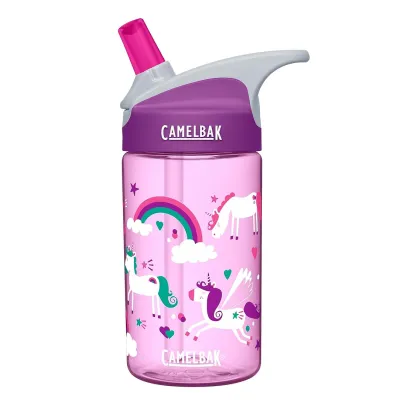
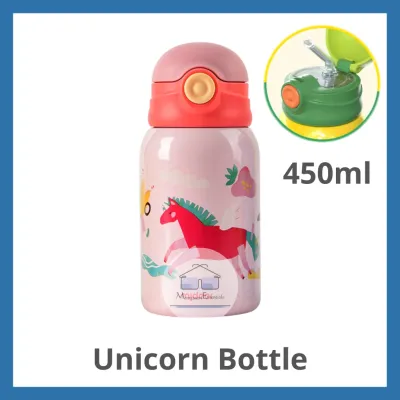
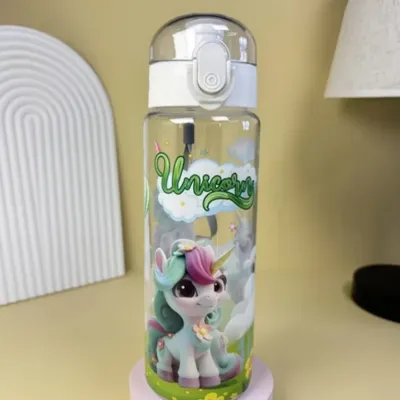
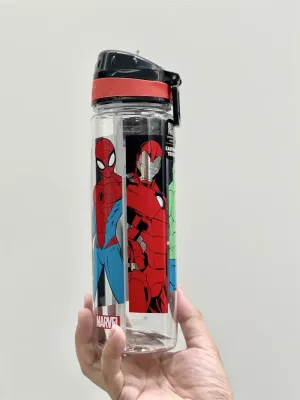
Prices are valid at publication and may change. Please refer to the product page for the latest price.
How to Evaluate Cold Retention in Unicorn Water Bottles
Understanding the physics of thermal retention helps you look past marketing claims and identify a bottle that actually performs. When evaluating different options on an online marketplace or in a sporting goods store, focus on four key engineering factors.

Double-Wall Vacuum Insulation
This construction is the gold standard for temperature retention. A vacuum-insulated bottle consists of an inner and an outer container welded together, with the air evacuated from the space between them. Because a vacuum contains no air molecules, it prevents heat transfer via conduction and convection. This barrier stops the warm ambient air from heating your cold drink, maintaining a low temperature for hours.
Lid and Seal Design
Even the best insulated body will lose temperature rapidly if the lid is poorly designed. Heat enters a bottle primarily through the lid, which is typically made of plastic rather than insulated metal. Look for lids with thick silicone gaskets that create an airtight seal. Screw-top lids and insulated flip-caps offer superior thermal control compared to open straw spouts, which allow continuous air exchange with the outside environment.
Material and Wall Thickness
Food-grade 18/8 stainless steel (also known as 304 stainless steel) is the preferred material for high-performance bottles. This material is highly durable, resists rust, and does not retain flavors. The thickness of the steel walls also matters; thicker walls provide better structural integrity, ensuring the vacuum seal remains intact even if the bottle is dropped on a playground or gym floor.
Capacity and Surface Area
Thermal mass plays a significant role in how long a liquid stays cold. Larger volumes of water contain more thermal energy and resist temperature changes longer than smaller volumes. Additionally, a bottle with a low surface-area-to-volume ratio loses cold more slowly. If you need water to stay chilled for an entire school day or an outdoor sports practice, a larger capacity bottle (such as 500ml or more) is generally more effective than a compact 350ml version.
Comparing Insulation Performance Across Unicorn Bottle Styles
Unicorn water bottles generally fall into two distinct categories: high-performance stainless steel flasks with printed graphics, and decorative plastic or acrylic novelty bottles. Choosing between them requires balancing your need for thermal performance against your preference for lightweight, highly visual designs.
Stainless Steel Vacuum Bottles with Unicorn Prints
These bottles offer the highest level of thermal performance because they utilize a true vacuum-insulated stainless steel flask as their base. The unicorn theme is typically applied to the exterior using powder coating, water transfer printing, or durable vinyl wraps.
While the exterior prints may scratch, chip, or fade over years of heavy use and dishwashing, the internal thermal barrier remains completely unaffected. These bottles are highly resistant to condensation, meaning they will not “sweat” in your bag. They are the ideal choice for school sports, outdoor hiking, or long days spent in tropical heat where maintaining cold drinking water is a priority.
Plastic, Acrylic, or 3D-Molded Unicorn Bottles
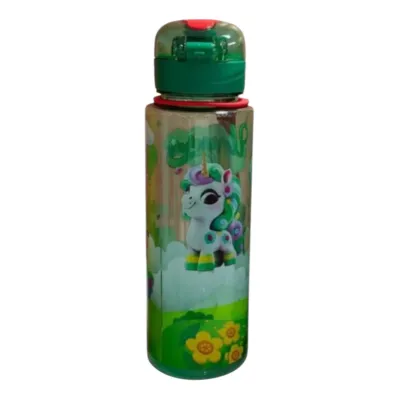
These bottles prioritize visual appeal and lightweight construction over thermal efficiency. They are often made from single-wall plastic, Eastman Tritan, or double-walled acrylic filled with glitter or free-floating unicorn shapes.
Because plastic is a poor thermal barrier, these bottles provide minimal insulation. Ice melts quickly, and the bottle’s exterior will rapidly develop condensation in humid environments, potentially wetting other items in a school bag. Furthermore, complex 3D-molded designs—such as lids shaped like unicorn horns or ears—create thin spots in the material where heat transfers rapidly. These are best suited for short commutes, indoor desk use, or young children who find lightweight plastic easier to carry than heavy steel.
Key Specs to Verify Before Buying
Before purchasing a unicorn water bottle, verify the technical specifications listed by the manufacturer to ensure the product meets your durability and performance expectations.
- Manufacturer Stated Hours: Check the product description for specific cold retention claims, such as "keeps cold for 24 hours." Keep in mind that these ratings are determined under ideal laboratory conditions; real-world performance in hot outdoor environments will typically be shorter.
- Leak-Proof Guarantees: Look for explicit mentions of leak-proof lids and secure locking mechanisms. A bottle that leaks not only spills water but also allows warm air to enter, rapidly degrading the insulation performance.
- Ease of Cleaning: Complex lids with built-in straws, flip-up spouts, and decorative 3D unicorn elements can easily harbor mold if not cleaned thoroughly. Verify if the lid is dishwasher safe or if it requires hand-washing with specialized straw brushes.
- BPA-Free and Food-Safe Certifications: Ensure that all plastic components, silicone seals, and straws are certified BPA-free, phthalate-free, and food-safe to prevent harmful chemicals from leaching into your drinks.
Decision Framework: Choosing the Right Unicorn Bottle
To select the perfect bottle, match the user’s daily routine, age, and environment to the appropriate bottle style.
- Choose a stainless steel vacuum bottle if: You require maximum cold retention for all-day outdoor activities, sports, or hot climates. These bottles are highly durable, sweat-proof, and keep ice solid for hours, making them worth the higher price point (often ranging from S$20 to S$45 depending on the brand).
- Choose a 3D-molded or plastic unicorn bottle if: You prioritize a highly decorative, lightweight, and budget-friendly design. These are excellent for short indoor use, desk environments, or young children who might struggle to carry or drop a heavier stainless steel bottle.
- Verify first if buying for a toddler: Ensure the lid mechanism is easy for small hands to operate independently. The bottle should be lightweight when fully filled, drop-resistant, and constructed from strictly certified BPA-free materials.
- Neither may fit if: You need to keep large volumes of water cold for multiple days without access to fresh ice. In these extreme scenarios, specialized heavy-duty coolers or high-capacity insulated jugs are far more suitable than a standard personal water bottle.
Frequently Asked Questions (FAQ)
Do unicorn water bottles keep drinks hot as well as cold?
Yes, if the bottle features double-wall vacuum insulation, the technology works both ways. The vacuum barrier prevents heat from escaping just as effectively as it prevents heat from entering, keeping hot beverages warm for several hours. However, you should never put hot liquids into bottles equipped with built-in straws, bite valves, or rapid-open flip lids. The steam pressure can cause hot liquid to spray out upon opening, presenting a serious burn risk.
How can I maximize the cold retention of my insulated bottle?
To get the best thermal performance, pre-chill your bottle by filling it with ice water for three to five minutes before emptying it and adding your actual drink. Always use large, solid ice cubes rather than crushed ice, as larger cubes melt at a much slower rate. Additionally, keep the bottle stored inside a backpack or in the shade rather than in direct sunlight, and minimize how often you open the lid to prevent warm air from entering.
Community discussion
Share your experience or ask a question. Comments are reviewed before publication.