
When comparing Uplief compression gloves to other brands available in Singapore, the key to finding the right pair lies in verifying specific material blends, design features, and sizing accuracy rather than relying solely on brand names. Because consumer-grade compression gear rarely comes with standardized clinical trial data, you must act as an informed buyer by cross-referencing product specifications. Whether you are seeking relief from joint stiffness in air-conditioned offices or looking for support during sports recovery, understanding how to read product labels and inspect construction quality is essential.
In Singapore’s unique climate—where hot, humid outdoor conditions contrast sharply with chilly, air-conditioned indoor spaces—the material composition of your gloves plays a critical role in daily comfort. A glove that performs well during a workout might feel too warm for casual wear, while a thin, highly breathable glove might not offer the thermal retention needed to soothe stiff joints. By systematically comparing Uplief’s specifications against alternative options on local online marketplaces, you can identify which brand offers the precise balance of pressure, durability, and comfort for your lifestyle.
Core Specifications to Compare Across Compression Gloves
To make an objective comparison, you must first understand the core specifications that define a compression glove’s performance. The most critical factor is the compression level, which is determined by the elasticity of the fabric. While medical-grade garments specify pressure in millimeters of mercury (mmHg), most consumer brands use descriptive terms like mild, moderate, or firm. To verify these claims, look closely at the elastane or spandex percentage listed on the product packaging or online description. A higher percentage of elastane generally translates to firmer, more resilient compression that maintains its shape over time.
Products mentioned in this guide
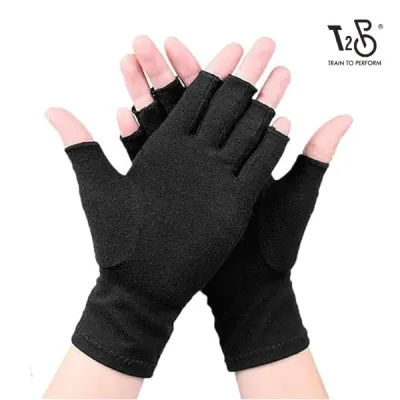
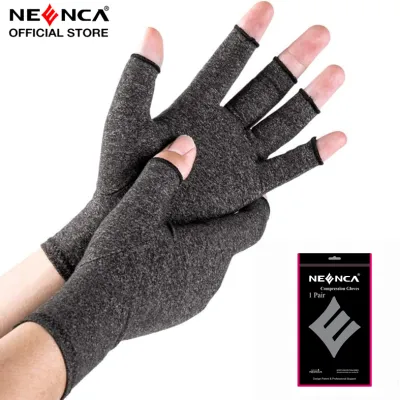
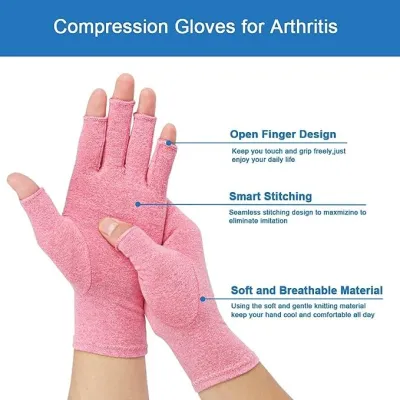
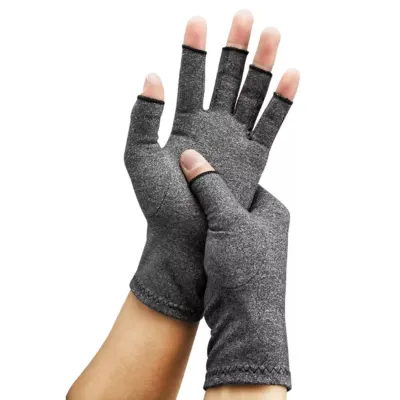
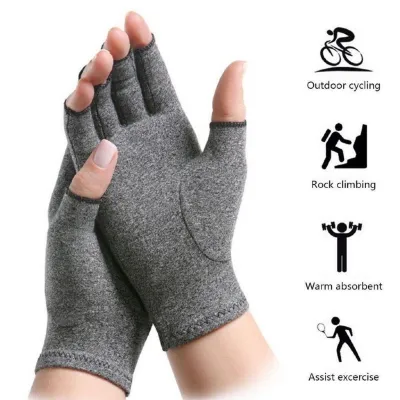
![[SG FREE ] 1 Pair Compression Arthritis Gloves Premium Arthritic Joint Pain Relief Hand Gloves Therapy Open Fingers Com](https://img.lazcdn.com/g/p/7c967bd8fecce1e83a4b8784413c72a0.jpg_400x400q80.jpg_.webp)
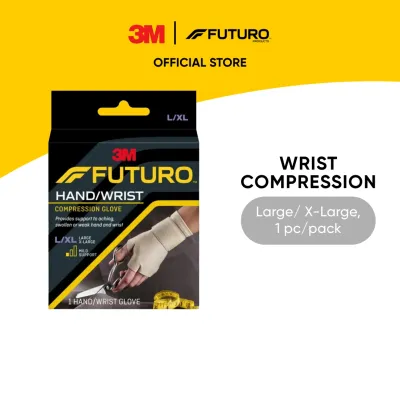
Prices are valid at publication and may change. Please refer to the product page for the latest price.
Material composition is the next major variable to evaluate. Common options include cotton-spandex blends, nylon-spandex blends, and copper-infused polyester. Cotton-spandex is highly favored for daily wear because it is soft, breathable, and provides natural warmth, making it ideal for managing joint stiffness in cool indoor environments. Nylon-spandex blends are typically slicker, thinner, and offer excellent moisture-wicking properties, which are highly beneficial if you plan to wear the gloves during physical activities or in humid outdoor settings. Copper-infused fabrics are often marketed for hygiene and odor control, though you should evaluate them primarily on their base material’s breathability and stretch.
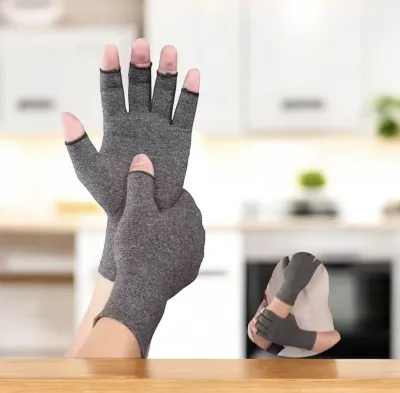
Design elements also vary significantly across brands and directly impact usability. Seam placement is a vital consideration; high-quality gloves utilize flat-lock stitching or external seams to prevent friction and irritation against sensitive skin. Finger coverage is another key design choice, with open-finger styles allowing you to maintain tactile sensitivity for typing or using mobile devices, while full-finger designs maximize thermal retention. Finally, look for grip enhancements, such as patterned silicone strips on the palm, which prevent items from slipping out of your hands during daily tasks or workouts.
How to Evaluate Uplief Against Competing Brands
When evaluating Uplief against competing brands on Singaporean ecommerce platforms, start by comparing the stated material percentages. If a listing for Uplief or an alternative brand does not explicitly state the ratio of cotton, nylon, or spandex, treat that as a verification flag. High-quality manufacturers are transparent about their fabric blends because the ratio directly affects both the compression level and the longevity of the glove. A blend with less than 10% spandex may lose its elasticity quickly after a few washes, whereas a blend with 12% to 15% spandex typically offers a more durable, supportive fit.

Next, examine the construction methods described in the product listings. Look for close-up images of the stitching around the fingertips and the wrist cuff. Poorly constructed gloves often have bulky, uneven seams that can press into the skin, causing discomfort during extended wear. Compare the cuff length of Uplief with other brands; a longer cuff provides extended support to the wrist joint and helps keep the glove securely in place, which is particularly useful if you experience discomfort that radiates from the hand into the wrist.
Design variations should be matched against your primary daily activities. If you spend hours typing at a computer in a central business district office, compare the open-finger cut of different brands. Some brands cut the fingers very short, leaving the knuckles exposed, while others extend the fabric closer to the first joint. Check user reviews on online marketplaces to see if buyers mention the fabric fraying at the finger openings, as this is a common failure point for lower-quality options.
Finally, assess the overall value by looking at the complete package offered for the asking price in S$. Some brands sell gloves individually, while others sell them in pairs. Additionally, verify if the purchase includes accessories such as a storage pouch, a washing bag to protect the delicate elastic during machine cycles, or an adjustable wrist strap for customized support. Weighing these extra features against the retail price helps you determine whether Uplief or a competitor offers the best return on your investment.
Matching Glove Features to Your Hand Support Needs
Selecting the right compression glove requires aligning these specifications with your specific physical needs and environment. If your primary goal is to manage joint stiffness, swelling, or cold sensitivity during periods of rest, prioritize thermal retention and consistent, mild compression. For these needs, a cotton-spandex blend with a full-finger design or a longer finger cut is highly suitable. The cotton fibers help trap body heat, which can soothe stiff joints, especially when sleeping or resting in an air-conditioned room.
For those who need continuous support while performing detailed manual work, typing, or using touchscreen devices, a highly breathable, open-finger design is essential. Look for lightweight nylon-spandex blends that allow heat and moisture to escape, preventing your hands from becoming sweaty and uncomfortable during long hours at a desk. The open-finger design ensures you retain full tactile feedback, allowing you to perform precise movements without feeling restricted by the fabric.
If you plan to use the gloves for sports recovery, weightlifting, or gym activities, your priorities should shift toward grip security and moisture management. In these scenarios, a nylon-spandex glove with reinforced silicone grip patterns across the palm and fingers is ideal. The synthetic fibers will wick sweat away quickly during intense workouts, while the silicone grip ensures you can safely hold barbells, dumbbells, or sports equipment without slippage. Ensure the gloves are easy to wash, as active use will require frequent cleaning to maintain hygiene.
Sizing, Quality Checks, and Purchase Verification
To ensure your compression gloves provide the intended benefits, obtaining an accurate fit is paramount. Before making a purchase, measure your hand carefully using a flexible measuring tape. Most manufacturers provide a sizing chart based on either the width of your palm just below the knuckles or the total circumference of your hand. Do not assume your size based on standard glove sizes; compression garments require a much tighter tolerance, and sizing standards vary widely between brands. If your measurements fall between two sizes, consider whether you prefer a firmer compression (choose the smaller size) or a gentler fit (choose the larger size).
Once your gloves arrive, perform a thorough visual and tactile quality check before wearing them for an extended period. Turn the gloves inside out to inspect the stitching along the fingers and seams. Look for any loose threads, skipped stitches, or uneven seams that could cause irritation or unravel during use. Gently stretch the fabric in multiple directions to verify its elastic recovery; the glove should snap back to its original shape immediately without showing signs of permanent stretching or thinning.
Because compression gloves are hygiene-sensitive apparel worn in close contact with the skin, return and exchange policies can be strict. Before opening the sealed packaging, double-check the retailer’s policy on local online marketplaces. Many sellers do not accept returns once the protective seal is broken or the gloves have been tried on. If the packaging allows you to assess the size or material quality without breaking the hygienic seal, do so carefully to preserve your option for an exchange if the product does not meet your expectations.
Frequently Asked Questions (FAQ)
How tight should compression gloves feel?
Compression gloves should feel snug and supportive, applying even pressure across your hand and fingers without causing discomfort. They should never feel so tight that they restrict your blood circulation. If you experience numbness, tingling, a cold sensation in your fingertips, or if your skin changes color, the gloves are too small. Remove them immediately and consult a healthcare professional if these symptoms persist after removal.
Can I wear compression gloves all day or while sleeping?
While many manufacturers design compression gloves for extended wear, it is generally recommended to take regular breaks to allow your skin to breathe and prevent joint stiffness from prolonged restriction. If you plan to wear them while sleeping, ensure they are specifically rated for overnight use and offer a milder compression level. Always read the manufacturer’s instructions carefully, and stop wearing the gloves if you experience any skin irritation, sweating, or discomfort during the night.
Community discussion
Share your experience or ask a question. Comments are reviewed before publication.