
No single brand or thickness guarantees the best anti-slip performance for every practitioner. Grip depends on the intersection of material, surface texture, and your personal sweat level. Thinner mats generally offer better stability and ground connection, while thicker mats prioritize joint cushioning but may compromise balance. In warm, humid climates like Singapore, where sweat levels can rise quickly even in air-conditioned studios, selecting the right combination of material and thickness is essential to prevent slipping and maintain a safe practice. Use this guide to match material and thickness profiles to your specific practice style and make an informed choice.
How Thickness Affects Yoga Mat Stability and Grip
Yoga mat thickness typically ranges from ultra-thin travel mats of 1mm to plush studio mats of 6mm or more. While it is tempting to assume that a thicker mat provides a better overall experience, thickness introduces a distinct physical trade-off between joint comfort and structural stability. Understanding how these dimensions interact with your body weight and balance is the first step in finding a slip-free surface.
Thinner mats, generally measuring between 1mm and 3mm, position your hands and feet close to the hard floor. This minimal barrier provides a highly stable, non-yielding base. When you press into the ground during standing balances or active transitions, the material does not compress or shift beneath your weight. This lack of compression prevents your joints from wobbling, which in turn helps you maintain consistent surface contact and reduces the likelihood of micro-slips caused by shifting balance. For practitioners who prioritize standing poses, arm balances, or active vinyasa sequences, a thinner profile offers the direct ground feedback necessary to stay anchored.
Products mentioned in this guide
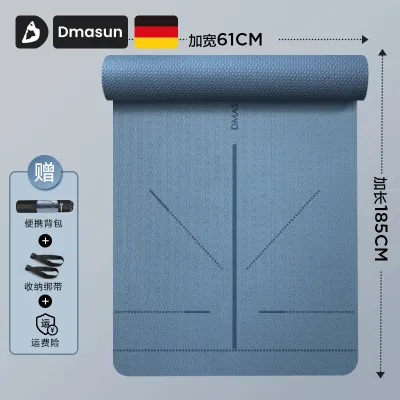
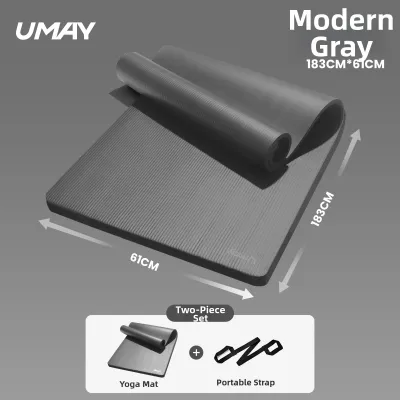
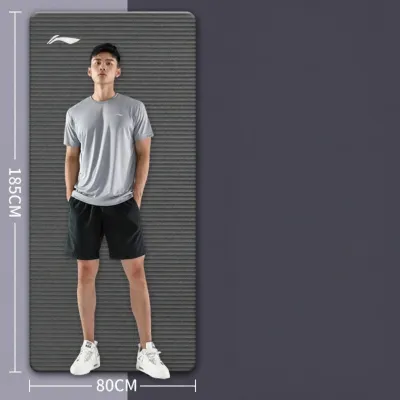
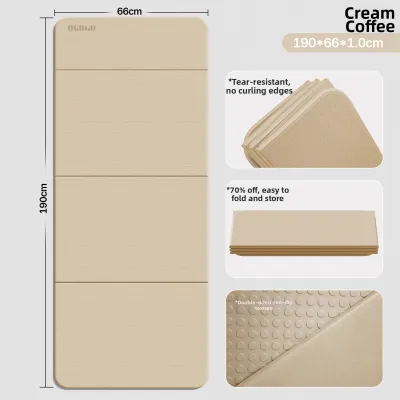

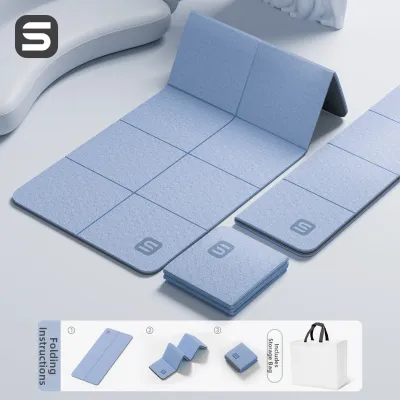
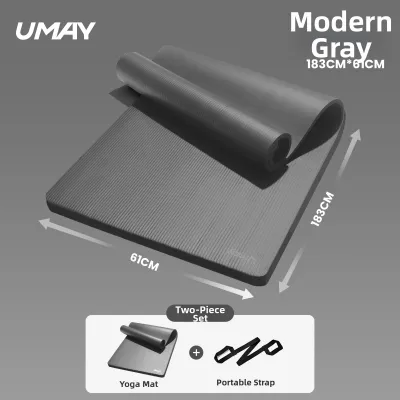
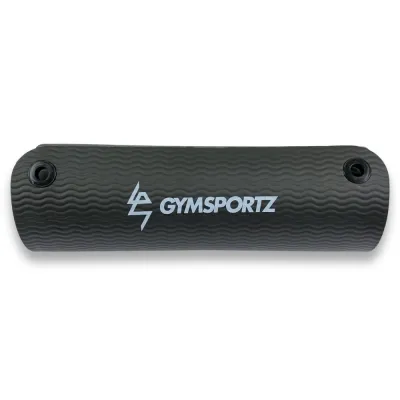
Prices are valid at publication and may change. Please refer to the product page for the latest price.
Thicker mats, ranging from 5mm to 6mm or more, are designed primarily to cushion sensitive joints, such as the knees, elbows, and hips, against hard floors. However, this added cushioning comes at the cost of structural stability. When you stand on a thick, soft mat, your feet sink into the material, creating a slightly uneven and yielding surface. This compression can cause your ankles and feet to wobble as they constantly adjust to maintain balance. This subtle, continuous movement can compromise your grip, making the surface feel slippery even if the material itself has high friction.
It is important to recognize that thickness alone does not dictate surface friction. A 6mm mat and a 2mm mat made from the exact same material will have the same inherent tackiness when dry. However, the thicker mat may feel less secure during dynamic or balancing poses because of the physical instability of the compressed foam or rubber. When evaluating anti-slip performance, consider thickness as a tool for stability and joint protection, while relying on material composition to handle moisture and surface traction.
Material and Texture Profiles for Optimal Grip
The material composition of a yoga mat is the primary factor determining its grip, especially when moisture is introduced. Yoga mats generally fall into two categories based on their cell structure: open-cell and closed-cell materials. Each structure handles sweat, humidity, and friction in fundamentally different ways, which directly impacts how secure your hands and feet feel during practice.

Open-cell materials, such as natural rubber, polyurethane (PU), and certain specialized synthetic blends, act like a sponge on a microscopic level. These materials feature tiny, interconnected pores that actively absorb moisture and sweat away from the surface. Because water does not pool on top of the mat, open-cell surfaces actually become grippier as they get wet. This makes them highly effective for high-intensity practices, hot yoga, or practicing in humid tropical environments where sweating is inevitable. However, because they absorb sweat, open-cell mats require regular, careful cleaning to prevent odor and material degradation over time.
Closed-cell materials, including standard polyvinyl chloride (PVC) and thermoplastic elastomer (TPE), have a sealed surface that prevents moisture from penetrating the mat. While this makes them highly durable, hygienic, and easy to wipe clean, it also means that sweat remains on the surface. During an intense session, this moisture can form a thin, slippery barrier between your skin and the mat, leading to hydroplaning. If you prefer a closed-cell mat for its longevity or ease of maintenance, you will likely need to pair it with a specialized microfiber yoga towel to manage sweat and maintain traction during active sessions.
Surface texture also plays a critical role in generating mechanical grip. Some mats feature a completely smooth, high-friction surface that relies on material tackiness, while others utilize textured patterns, such as ribbed, pebbled, or cross-hatched designs, to create physical traction. Smooth polyurethane surfaces offer exceptional dry grip but can feel sticky, whereas textured natural rubber or TPE mats use physical ridges to help anchor your hands and feet. When choosing a mat, consider how your skin interacts with these textures and whether you prefer the suction-like feel of smooth materials or the physical traction of textured surfaces.
Matching Mat Profiles to Your Practice Style
To find the right mat, you must align the design philosophy of different mat categories with your specific yoga discipline. Manufacturers design mats with distinct priorities in mind—some focus on maximum durability for daily studio use, while others prioritize portability or maximum wet grip. Understanding these profiles allows you to narrow down your options based on how and where you practice.
Natural rubber and open-cell polyurethane profiles are engineered for high-traction, high-moisture environments. These mats are typically heavier and denser, offering excellent ground connection even at moderate thicknesses like 4mm. They are the preferred choice for vinyasa, power yoga, and hot yoga practitioners who require immediate, reliable grip without the need for a break-in period. Because natural rubber is harvested from trees, these mats also appeal to those seeking biodegradable options, though they do carry a distinct rubber scent initially and can be sensitive to direct sunlight.
Dense, closed-cell PVC profiles represent the standard for longevity and studio utility. These mats are highly resistant to wear, cracking, and peeling, making them an excellent long-term investment. They are often preferred for restorative, hatha, or yin yoga, where sweat production is minimal and joint cushioning is highly valued. However, new PVC mats often feature a thin factory film that makes them feel slippery out of the box. They require a dedicated break-in period—often involving salt scrubs or consistent use—to wear down this film and unlock their true grip potential.
Hybrid and ultra-thin travel profiles, ranging from 1mm to 1.5mm, are designed for maximum portability and ground feedback. These mats can often be folded rather than rolled, making them easy to pack into a bag for commutes or travel. Because they are so thin, they offer virtually no joint cushioning, but they provide unmatched stability for standing poses. Many practitioners use these thin mats as a hygienic topper over a studio-provided thick mat, combining the cushioning of the studio mat with the personal, high-grip surface of their own travel mat.
Decision Matrix: Choosing Thickness and Material
To help you finalize your shortlist, use the following matrix to match your practice style, sweat level, and joint needs to the most appropriate mat thickness and material type.
| Practice Style | Sweat Level | Joint Cushioning Need | Recommended Thickness | Recommended Material | Key Verification Item |
|---|---|---|---|---|---|
| Hot Yoga / Power Vinyasa | High | Moderate | 3mm to 4mm | Open-cell PU or Natural Rubber | Check for open-cell moisture absorption claims |
| Hatha / Iyengar | Low to Moderate | High | 4mm to 6mm | Closed-cell PVC or TPE | Verify if a break-in period is required |
| Yin / Restorative | Low | High | 5mm to 6mm+ | Closed-cell PVC or dense TPE | Confirm mat weight and storage space |
| Travel / Commuting | Variable | Low | 1mm to 2mm | Thin Natural Rubber or Hybrid | Check foldability and weight specifications |
Before making a purchase, always verify the manufacturer’s specific care instructions. Some high-grip materials cannot tolerate alcohol-based sanitizers or essential oils, while others must be kept out of direct sunlight to prevent the material from crumbling. Additionally, check the return policy of your local retailer or online marketplace, as many brands do not accept returns on yoga mats once the protective plastic wrap has been removed.
How to Verify Anti-Slip Claims Before Buying
With many brands claiming to offer the ultimate non-slip surface, verifying these assertions before spending your money is essential. Because you cannot always test a mat in a studio before buying, you must rely on specifications, user feedback, and retailer policies to make an informed decision.
First, look past marketing buzzwords and examine the technical specifications of the mat. Identify whether the construction is explicitly described as open-cell or closed-cell. If a brand claims “instant dry grip” or “sweat-wicking performance,” verify that the material is polyurethane or natural rubber, as these materials naturally support those claims. If the mat is made of PVC or TPE, check the product description for any mention of a textured pattern or a required break-in process, which indicates how the mat achieves its traction.
Second, analyze user reviews on independent forums and ecommerce platforms with a critical eye. Instead of focusing on overall star ratings, search specifically for terms like “slippery,” “sweat,” “break-in,” or “humidity.” Pay close attention to reviews from users who practice the same style of yoga as you. For example, if you practice hot yoga in Singapore’s humid climate, a review stating that a mat became slippery during a warm class is far more relevant than a review praising the mat’s comfort during a gentle stretching session.
Finally, verify the return and exchange policies of the seller. Because grip is highly subjective and depends on your individual skin chemistry and sweat profile, a mat that works perfectly for one person might feel slippery to another. Look for retailers that offer a trial period or allow returns on opened items, or visit a physical showroom where you can feel the texture of a display model before committing to a purchase.
Frequently Asked Questions (FAQ)
Does a thicker yoga mat prevent slipping better than a thin one?
No, a thicker yoga mat does not inherently prevent slipping better than a thin one. Mat thickness primarily determines joint cushioning and structural stability, not surface friction. In fact, a very thick or soft mat (such as 6mm or thicker) can compress significantly under your weight, causing your hands and feet to wobble during balance poses. This instability can compromise your alignment and make it harder to maintain a solid grip, whereas a thinner mat (1mm to 3mm) provides a firm, unyielding connection to the floor that supports stable, slip-free positioning.
How do I stop my new yoga mat from slipping during practice?
To stop a new yoga mat from slipping, you must first identify its material. Many new closed-cell mats, particularly those made of PVC, have a thin factory residue on the surface that must be worn away through a break-in period. You can accelerate this process by gently scrubbing the surface with a coarse sea salt and water mixture, then wiping it clean with a damp cloth and letting it air dry completely. For all mats, always check the manufacturer’s care label for approved cleaning methods, and avoid using oil-based cleaners or body lotions before practice, as these will create a slippery barrier on the mat’s surface.

Community discussion
Share your experience or ask a question. Comments are reviewed before publication.