
When searching for a thick yoga mat to protect sensitive joints, it is easy to assume that a higher millimeter count automatically guarantees better cushioning. However, comparing popular yoga mat brands reveals that physical thickness is only one part of the equation; material density, body weight, and your specific style of practice play equally critical roles. There is no single universal winner for joint protection. A highly dense 4mm mat may support your knees far better than a soft, easily compressed 8mm mat that compromises your balance. In Singapore’s active fitness scene, where practitioners frequently commute to studios via the MRT or practice in warm, humid home environments, choosing the right mat requires balancing cushioning with portability and grip. This guide breaks down the core specifications you need to compare across brands, helping you identify the right balance of thickness, density, and stability for your individual needs.
Understanding Thickness vs. Density for Joint Protection
To make an informed decision, you must first distinguish between physical thickness and material density. Physical thickness is simply the vertical measurement of the mat, usually expressed in millimeters (mm). Material density, on the other hand, refers to how tightly packed the material is and how well it resists compression under your body weight. A common mistake is selecting a mat based solely on a high millimeter rating, assuming it will provide a plush, pain-free experience for the knees and wrists.
In practice, an exceptionally thick mat made from low-density foam will compress completely under pressure. When you place your knees or hands on such a mat during a pose like Tabletop or Low Lunge, your joints sink straight through the foam until they hit the hard floor beneath. This bottoming out effect defeats the purpose of the extra thickness and can lead to joint strain. Conversely, a thinner mat made from high-density material, such as natural rubber, offers substantial resistance. Even at a modest 4mm, a high-density mat prevents your joints from touching the subfloor, distributing your weight more evenly.
Products mentioned in this guide
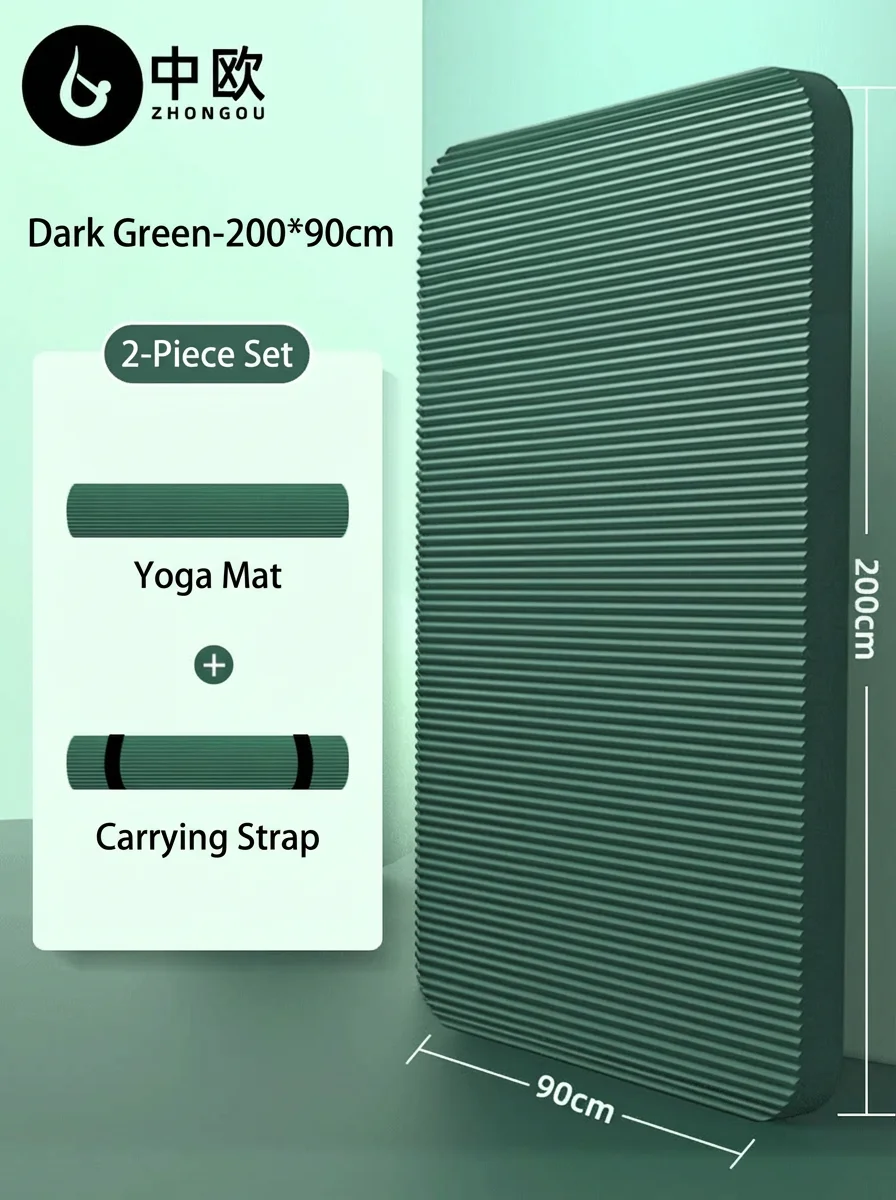
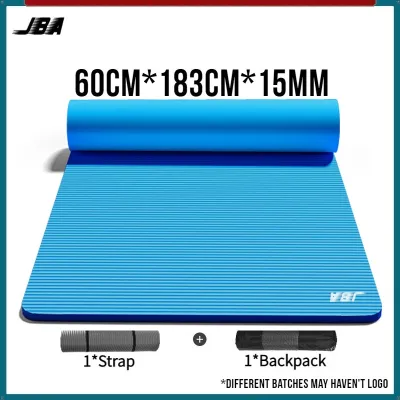
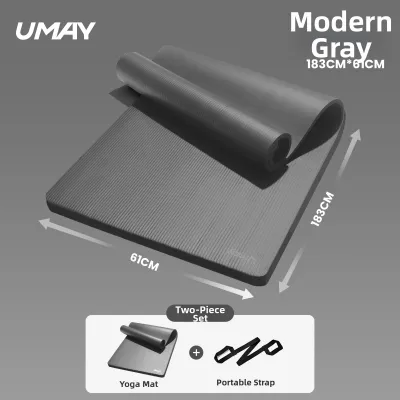
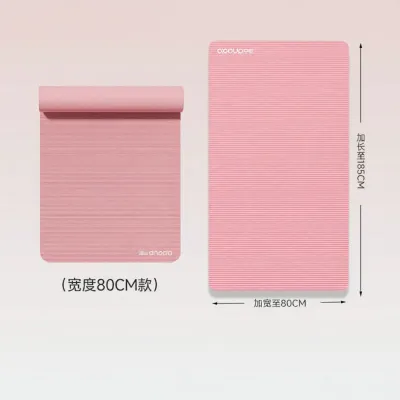

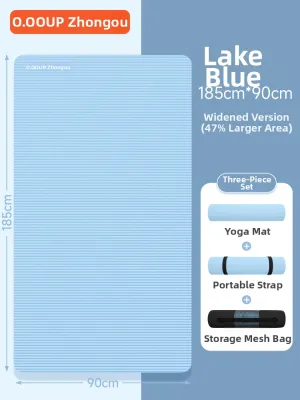

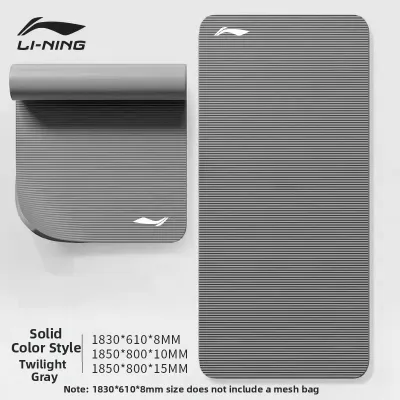
Prices are valid at publication and may change. Please refer to the product page for the latest price.
Furthermore, there is a direct trade-off between cushioning and stability. While a soft, thick mat feels comfortable during seated or lying postures, it creates an unstable foundation for standing and balancing poses like Tree Pose or Warrior III. Your feet sink into the soft surface, forcing the small stabilizing muscles in your ankles and shins to work overtime to keep you upright. This instability can lead to fatigue or micro-strains. A denser, firmer mat provides a solid, predictable surface that supports joint alignment and balance while still offering sufficient shock absorption.
Key Specifications to Compare Across Yoga Mat Brands
When evaluating different brands, you will generally encounter three primary thickness categories. Standard mats range from 3mm to 4mm and are favored by practitioners who prioritize stability, ground connection, and easy portability. Thick mats, measuring 5mm to 6mm, represent the middle ground, offering enhanced cushioning for sensitive joints while maintaining reasonable stability. Extra-thick mats, which are 7mm or thicker, are designed primarily for restorative practices, Pilates, or therapeutic exercises where standing balance is not the primary focus.

The material composition of the mat heavily influences how these thickness categories perform. Natural rubber is highly dense, heavy, and offers excellent natural grip, making a 5mm natural rubber mat feel incredibly supportive but also quite heavy to carry. Thermoplastic Elastomer (TPE) is a lightweight, eco-friendly alternative that provides decent cushioning at a fraction of the weight, though it is generally less dense than rubber and may wear out faster under intense use. Polyvinyl Chloride (PVC) is highly durable and offers excellent joint protection when manufactured with high density, but lower-grade PVC mats can be overly slick and lack the necessary grip.
Weight and portability are crucial factors, especially for yogis who carry their gear on public transport or store it in compact apartments. A 6mm high-density natural rubber mat can weigh upwards of 3 kilograms, making it a cumbersome load for daily commuting. If you plan to travel frequently with your mat, a 4mm TPE mat or a dedicated travel mat may be more practical, even if it offers slightly less cushioning.
Finally, surface texture and grip must be evaluated alongside thickness. A thicker mat with a slippery surface is a safety hazard, as your hands and feet may slide during transitions, putting sudden, uneven stress on your shoulders and knees. Look for brands that combine their cushioning technology with open-cell surfaces or textured patterns that maintain traction even when wet from sweat in humid climates.
Matching Mat Thickness to Your Practice and Body Type
Your preferred style of yoga should dictate the thickness and density of the mat you choose. For restorative, Yin, or mat Pilates, where you spend the majority of the class in seated, prone, or supine positions, an extra-thick mat of 6mm or more is highly beneficial. These practices involve holding poses for extended periods, and the extra cushioning prevents discomfort on bony prominences like the hips, knees, and spine.
If your practice leans toward dynamic, flow-based styles like Vinyasa, Ashtanga, or Power Yoga, a standard to moderately thick mat (4mm to 5mm) with high density is far more appropriate. These styles require rapid transitions, jumps, and strong standing foundations. A mat that is too thick or soft will slow down your transitions and compromise your balance, increasing the risk of ankle rolls. A dense 4mm mat provides the necessary feedback from the floor, allowing you to push off confidently while still protecting your joints during landings.
Your physical build and personal joint sensitivity also play a major role in this decision. Heavier practitioners naturally exert more force on the mat, meaning they will compress lightweight, low-density mats much faster. If you have a larger frame or suffer from chronic joint discomfort in your knees or wrists, you should prioritize high-density materials like natural rubber or premium dense polyurethane, even if the mat is only 4mm or 5mm thick. This ensures the mat maintains its structural integrity and cushioning under your full weight.
How to Verify Brand Claims and Make Your Final Choice
To avoid falling for marketing hype, always verify the exact technical specifications provided by the manufacturer. Brands often use subjective terms like “cloud-like comfort,” “ultra-plush,” or “maximum joint protection” to describe their products. Instead of relying on these descriptions, look for the physical weight of the mat relative to its dimensions, as a heavier mat of the same size and thickness almost always indicates higher material density and better support.
When purchasing online, check if the retailer or official brand store offers a flexible return policy or a trial period. This allows you to unroll the mat at home and test its firmness on a hard floor. You can perform a simple test by kneeling on the mat; if you can feel the hard floor pressing directly against your kneecaps, the density is likely too low for your needs, regardless of how thick the mat appears. With premium high-density mats in Singapore often ranging from S$100 to S$180, verifying the material density is crucial before making a financial investment.
If you find that you need extra cushioning for only a few specific poses, consider using targeted accessories rather than buying an excessively thick mat. A folded yoga blanket, a small foam knee pad, or even folding the edge of your standard mat over itself can provide temporary, localized joint protection. This approach allows you to enjoy the superior stability and portability of a standard 4mm mat during the rest of your practice without sacrificing comfort during floor work.
Frequently Asked Questions (FAQ)
Is a thicker yoga mat always better for bad knees?
No, a thicker mat is not always better. If the mat is thick but made of low-density foam, your knees will sink straight through to the floor, offering little actual protection. Additionally, soft mats reduce stability during standing poses, which can lead to poor alignment and joint strain. For sensitive knees, a dense 4mm to 5mm mat or a dedicated knee pad is often a safer and more supportive choice.
Can I use an extra-thick mat for standing balance poses?
Using an extra-thick, soft mat (7mm or more) for standing balance poses is generally not recommended. The soft surface causes your feet to sink and wobble, making it difficult to maintain proper alignment and putting unnecessary strain on your ankles and feet. If you must use a thick mat, ensure it is made of a high-density material that resists sinking, or step off the mat onto the hard floor when performing balancing sequences.
Community discussion
Share your experience or ask a question. Comments are reviewed before publication.