
Finding the right yoga mat in Singapore requires balancing the physical thickness of the mat with its material density to achieve the perfect level of cushioning. While many practitioners search for a highly padded surface that mimics the plush support of a dedicated yoga cushion, a thicker mat is not always the best choice for every style of practice. In Singapore’s warm and humid climate, where sweat can quickly affect surface traction, selecting a mat involves evaluating how different materials compress under pressure and how they perform during transitions. By understanding the relationship between thickness, material composition, and stability, you can select a mat that protects your joints without compromising your balance.
Understanding Thickness vs. Cushioning in Yoga Mats
Many practitioners assume that a thicker mat automatically provides better shock absorption and joint protection. However, physical thickness is only one part of the comfort equation, as material density plays an equally critical role in how a mat behaves under weight. A very thick mat made from low-density foam may compress completely to the floor under the pressure of your knees or wrists, offering very little actual support. Conversely, a thinner mat made from high-density natural rubber can offer exceptional joint protection because the material resists deep compression and keeps your body suspended above the hard floor.
Yoga mats generally fall into three standard thickness categories, each serving different practical needs. Travel mats are typically ultra-thin, ranging from 1 to 2 millimeters, making them lightweight and easy to fold into a commuter bag, though they offer minimal padding. Standard mats usually measure between 3 and 5 millimeters, providing a versatile balance of ground connection and moderate comfort for most practitioners. Extra-thick mats, measuring 6 millimeters or more, offer maximum cushioning for sensitive joints but can introduce a noticeable feeling of instability during standing poses.
Products mentioned in this guide
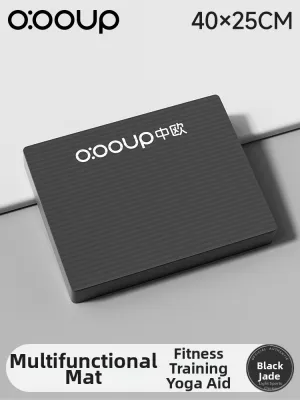
![[SG Stock] Balance Foam Pad Yoga Mat Non-Slip Exercise Cushion Waterproof Soft Fitness Training Pilates Knee Support](https://img.lazcdn.com/g/p/d835cf8ec7fdf45b7b227ce3a764260b.jpg_400x400q80.jpg_.webp)
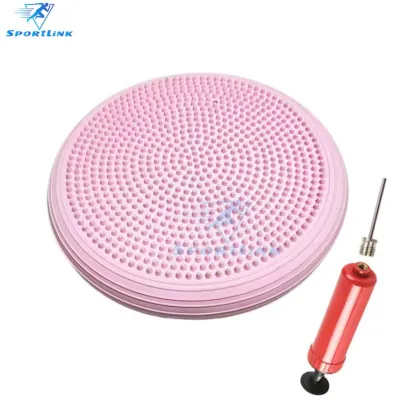
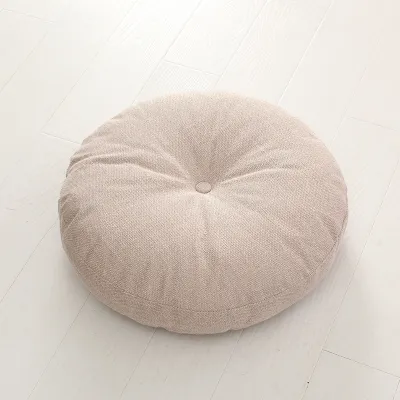
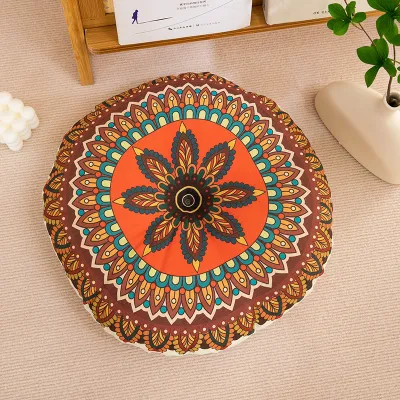
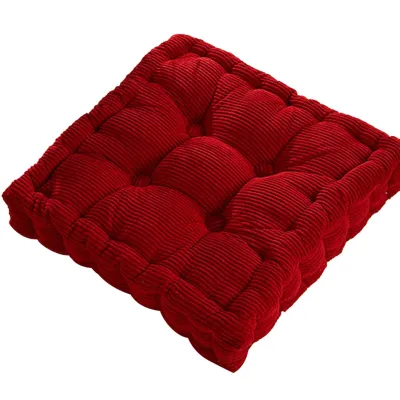
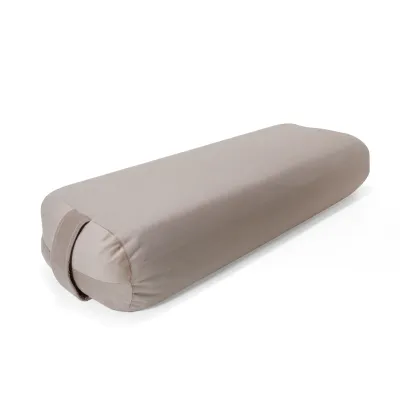
Prices are valid at publication and may change. Please refer to the product page for the latest price.
The choice of material directly influences this thickness-to-cushioning ratio. Polyvinyl chloride (PVC) and thermoplastic elastomer (TPE) are common lightweight materials that offer a softer, more pillowy feel, but they tend to compress easily under concentrated loads. Natural rubber and polyurethane (PU) are much denser and heavier, providing a firm, supportive foundation that absorbs impact without bottoming out. Understanding these material behaviors helps you anticipate how a mat will perform when you transition from seated postures to standing balances.
Matching Mat Specifications to Your Practice Style
Your preferred style of yoga dictates the level of cushioning and stability you need from your mat. For slow-paced, floor-based practices like Yin or Restorative yoga, comfort is often the primary priority. These styles involve holding passive stretches for several minutes at a time, placing prolonged pressure on the knees, hips, and spine. A thicker, softer mat or a dedicated yoga cushion can make these extended holds significantly more comfortable by reducing pressure points against the hard floor.

In contrast, dynamic and fast-paced flows like Vinyasa or Ashtanga demand a very different set of specifications. In these practices, stability and reliable traction are essential for safe, rapid transitions between poses. A mat that is too thick or soft can cause your wrists to sink at an unstable angle during handstands or downward dogs, increasing the risk of strain. For these active styles, a firmer, medium-thickness mat (around 3 to 4 millimeters) made of high-density natural rubber or PU is generally preferred, as it provides a stable platform and prevents the hands and feet from slipping.
For beginners or individuals with specific joint sensitivities, finding the right balance is particularly important. If you experience discomfort in your knees during lunges or in your wrists during planks, you do not necessarily need to purchase an extremely thick, unstable mat. Instead, you can look for a medium-thick mat with high density, or supplement your setup with targeted support accessories. This approach allows you to maintain a solid, safe connection to the ground during standing poses while still protecting your vulnerable joints during floor work.
Comparing Popular Yoga Mat Categories by Support Level
When browsing retail options in Singapore, you will encounter several distinct categories of mats designed to address different performance priorities. Standard all-rounders, typically measuring 4 to 5 millimeters, are the most common choice for general practice. These mats are widely available from popular brands and are designed to offer a compromise, providing enough padding for occasional floor work while remaining firm enough for standing balances. They are highly versatile and suit individuals who participate in mixed-style classes.
Extra-thick comfort mats, which measure 6 millimeters or more, are engineered specifically for maximum joint protection. These mats are highly cushioned and are excellent for therapeutic exercises, Pilates, or gentle stretching. However, users must be prepared to manage the stability trade-offs that come with this extra height. Balancing on one foot becomes significantly more challenging on a thick, soft surface, as the ankles must work harder to maintain alignment. If you choose an extra-thick mat, verify that the material is dense enough to prevent your joints from sinking completely to the subfloor.
Firm performance mats represent the opposite end of the spectrum, prioritizing stability and ground connection over soft padding. These mats are often made from dense natural rubber and, even at a standard 3-millimeter thickness, can feel quite hard to the touch. Advanced practitioners often prefer this firm profile because it allows for precise alignment and immediate feedback from the floor. When shopping, always inspect the manufacturer’s product label to verify the exact millimeter thickness and material composition, as different product lines within the same brand can offer vastly different support profiles.
Decision Framework: Choosing the Right Mat for Your Needs
To select the ideal mat for your home or studio practice, you can use a simple decision framework based on your physical needs and practice environment. If your routine consists primarily of floor-based poses, gentle stretching, or if you have sensitive joints that require a highly padded surface, prioritize a thicker mat made of TPE or a high-density foam. This setup provides the soft, protective barrier needed for comfortable, extended contact with the floor.
If your practice involves rapid transitions, standing balances, or takes place in heated studios where sweat is a factor, choose a thinner, denser mat. A 3 to 4-millimeter natural rubber or PU mat will offer the firm foundation and high-traction surface necessary to keep you stable and secure. The dense material prevents your hands and feet from sinking, which helps maintain proper joint alignment during demanding poses.
For those who want the best of both worlds, a hybrid approach is often the most practical solution. You can invest in a high-quality, standard-thickness firm mat to ensure stability and safety during standing sequences. To protect your joints during specific floor poses, you can pair this stable mat with a separate, dedicated yoga cushion, a kneeling pad, or a folded studio blanket. This modular setup allows you to customize your support level throughout your practice without compromising your stability during standing balances.
Verifying Fit, Care, and Comfort Before You Commit
Before finalizing your purchase, it is highly beneficial to test the physical properties of the mat if you are shopping in-store. You can evaluate the compression and rebound of the material by pressing your thumb firmly into the surface; a high-quality mat should compress slightly to absorb the pressure but quickly spring back to its original shape. Additionally, test the surface traction by running your hand across the mat to ensure it offers sufficient grip, especially if you anticipate sweating during your sessions.
Proper care and maintenance are essential to preserve the cushioning and grip of your mat over time. Thicker mats, particularly those made from open-cell materials or porous foams, can absorb sweat and moisture more readily than thin, dense mats. Always check the manufacturer’s specific cleaning guidelines, as using the wrong detergent or soaking a highly porous mat can trap moisture inside, leading to material degradation and unpleasant odors. Store your mat rolled up loosely with the top side facing outward to prevent permanent creasing and to maintain a flat lay when unrolled.
Finally, be aware of the signs that indicate your mat has reached the end of its useful life and needs to be replaced. Over time, constant pressure on specific areas—such as where your hands and feet normally rest—can cause permanent compression marks, leaving those spots with virtually no cushioning. If you notice a significant loss of structural integrity, visible flaking of the material, or a persistent lack of grip that causes you to slip during transitions, it is time to replace the mat to ensure your practice remains safe and comfortable.
Frequently Asked Questions (FAQ)
Can I use a meditation yoga cushion instead of a thick mat?
No, a meditation yoga cushion is not a suitable substitute for a full-body yoga mat during active physical practice. A dedicated yoga cushion, such as a bolster or zafu, is designed specifically to support your pelvis, knees, or spine during seated meditation or passive restorative poses. It does not provide the flat, high-traction, or stable surface required to perform standing poses, transitions, or dynamic movements safely. For a complete practice, use a flat yoga mat as your primary foundation and use a cushion only as a targeted support accessory.
Does a thicker yoga mat always mean it will last longer?
No, the durability of a yoga mat is determined by its material density and construction quality rather than its physical thickness. A cheap, extra-thick mat made from low-density foam can degrade, tear, or lose its rebound capacity very quickly under regular use. Conversely, a thinner, high-density mat made from natural rubber or polyurethane can withstand years of intense practice without losing its shape or cushioning properties. When evaluating longevity, prioritize high-quality, dense materials over simple millimeter thickness.

Community discussion
Share your experience or ask a question. Comments are reviewed before publication.