
Finding the right yoga mat thickness in Singapore requires balancing physical comfort with practical lifestyle factors. Popular brands offer a diverse range of options, typically spanning from paper-thin 1mm travel sheets to plush 6mm restorative cushions. Because Singapore’s tropical climate encourages both sweaty hot yoga sessions and air-conditioned studio classes, your choice must account for how thickness interacts with humidity, grip, and portability. Rather than assuming a thicker mat is universally superior, you should evaluate how different millimeter profiles support your specific practice and verify the exact specifications of your preferred brand before purchasing.
Understanding Yoga Mat Thickness Standards
Yoga mats are generally categorized into three primary thickness tiers, each serving distinct functional purposes. Ultra-thin mats, measuring between 1mm and 2mm, are designed specifically for travel and portability. These mats fold easily into a backpack or suitcase, making them ideal for yogis who commute frequently or prefer to layer their own hygienic surface over a studio-provided mat. However, they offer minimal cushioning, meaning you will feel the hard floor directly beneath your joints.
Standard mats, which typically range from 3mm to 5mm, represent the most versatile category. A 4mm or 5mm mat provides a balanced middle ground, offering sufficient impact absorption for your knees and spine while maintaining a solid connection to the ground. This category is highly favored by practitioners who participate in a variety of styles, as it transitions smoothly between standing balance poses and floor-based stretches.
Products mentioned in this guide
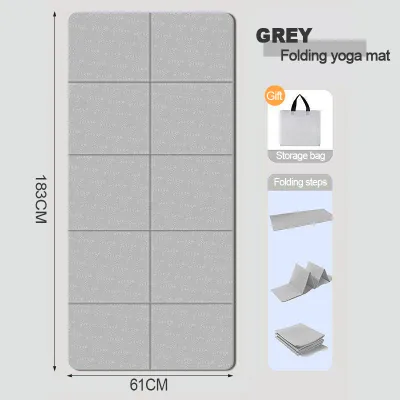
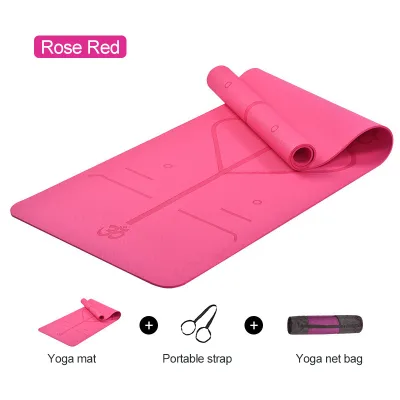
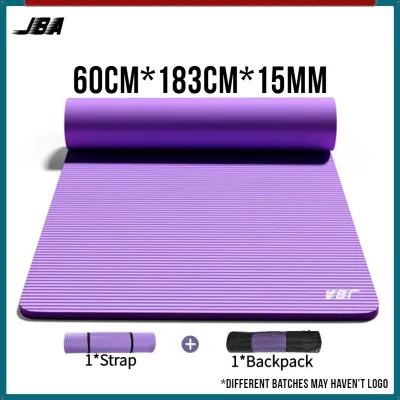
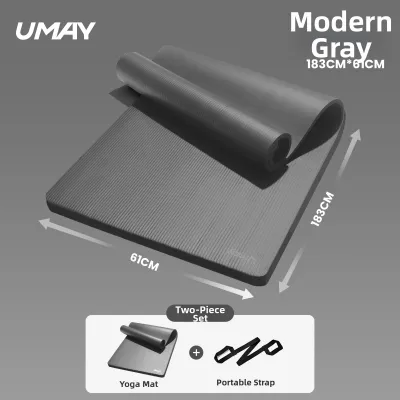
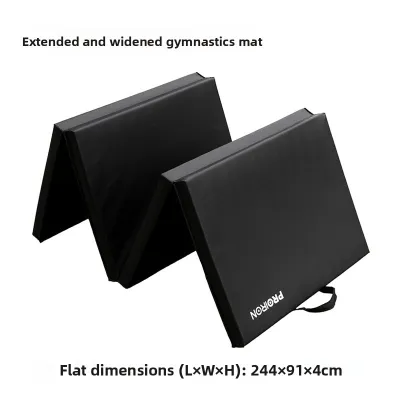
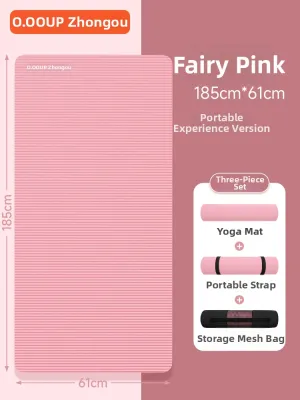
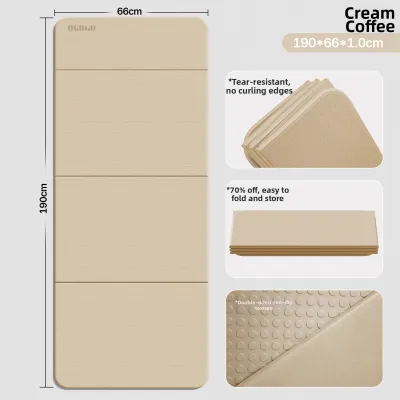
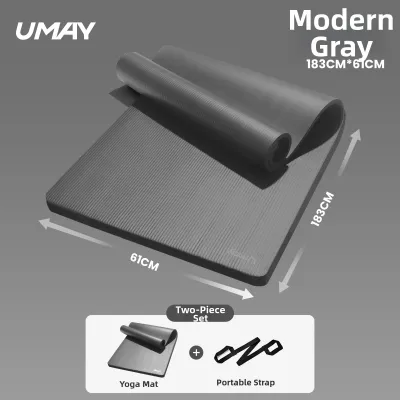
Prices are valid at publication and may change. Please refer to the product page for the latest price.
Extra-thick mats, measuring 6mm or more, prioritize maximum joint protection and comfort. These plush surfaces are excellent for restorative practices, yin yoga, or individuals with sensitive joints who require substantial cushioning. The trade-off, however, is a significant reduction in stability. The thicker the foam or rubber, the more your hands and feet will sink into the material, which can challenge your balance during standing postures. Understanding these tiers allows you to narrow down your options based on whether you prioritize joint relief, portability, or all-around versatility.
How Popular Brands Structure Their Thickness Lineups
When exploring popular yoga mat brands available in Singapore, you will find that manufacturers structure their product lines to cater to specific user profiles. Most major brands segment their offerings into distinct collections, separating high-performance travel lines from heavy-duty studio models. For instance, a brand might offer a lightweight, ultra-thin version of their signature mat alongside a standard-thickness model and an extra-thick professional edition.

It is crucial to recognize that thickness terminology is not standardized across the industry. What one brand labels as a “lightweight” or “travel” mat might be 1.5mm, while another brand’s equivalent might be 2.5mm. Similarly, a “standard” mat can range from 3mm to 5mm depending on the manufacturer’s design philosophy and material choices. To avoid surprises, you should always check the exact millimeter specifications listed on the product tags, official brand websites, or authorized retailer descriptions rather than relying solely on descriptive marketing terms.
In Singapore, local fitness boutiques and authorized distributors often showcase these brand lineups side-by-side. When shopping online or visiting a physical store in areas like Orchard or Tanjong Pagar, pay close attention to the product specifications. Because inventory and model availability can fluctuate, verifying the precise measurements ensures you select a mat that aligns with your expectations. Additionally, keep in mind that different materials affect how a specific thickness feels; a 4mm natural rubber mat will feel significantly firmer and heavier than a 4mm thermoplastic elastomer (TPE) mat.
Matching Thickness to Your Specific Practice Needs
Selecting the ideal mat thickness requires a careful assessment of your primary yoga discipline and physical requirements. For dynamic, fast-paced practices such as Vinyasa, Ashtanga, or Power Yoga, stability and grip are paramount. In these styles, you constantly transition between active standing poses, arm balances, and inversions. A thinner to standard mat (typically 3mm to 4mm) is generally preferred because it provides a firm, stable foundation. It prevents your wrists from sinking too deeply, which helps maintain proper alignment and reduces the risk of strain during repetitive weight-bearing movements like Chaturanga.
Conversely, static and restorative practices such as Yin Yoga, Hatha, or Yoga Nidra involve holding floor-based poses for extended periods. In these disciplines, you spend a significant amount of time lying down, kneeling, or seated. A thicker mat (5mm to 6mm or more) is highly beneficial here, as it cushions your spine, hips, and knees against the hard floor. The extra padding allows you to relax fully into restorative postures without experiencing discomfort from prolonged contact with the ground.
Your personal physical considerations should also guide your decision. If you have sensitive joints, past injuries, or a slender build, you may require more cushioning to protect bony prominences like your knees, ankles, and collarbones. However, instead of automatically choosing the thickest mat available, consider how your body responds to different surfaces. If you struggle with standing balance poses, a standard mat paired with a localized prop—such as a folded yoga blanket or a small gel pad under your knees—can offer targeted joint relief without compromising your overall stability during the rest of your practice.
Key Specifications to Verify Before Purchasing
While thickness is a primary consideration, it does not operate in a vacuum. To make an informed purchase, you must evaluate how thickness interacts with other key material specifications, starting with density. A mat’s density determines how well it supports your weight. High-density materials, such as natural rubber or polyurethane, offer excellent structural support even at a thinner profile of 3mm or 4mm. They resist compression, meaning your joints will not “bottom out” and hit the hard floor. On the other hand, a low-density foam mat, even if advertised as 6mm thick, may compress completely under pressure, offering very little actual protection.
Weight and portability are equally critical, especially for yogis in Singapore who commute via public transport. High-density natural rubber mats that are 5mm or 6mm thick can weigh upwards of three kilograms. Carrying a heavy, bulky mat on a crowded MRT train or bus during peak hours, or walking in the tropical heat, can quickly become a physical burden. If you plan to travel frequently or commute to various studios, a lighter, thinner mat (2mm to 3mm) made from lightweight materials like TPE or a specialized travel rubber may be far more practical.
Finally, consider how thickness and material composition affect surface texture and grip, particularly in humid environments. Singapore’s high humidity means that sweat is a constant factor in both indoor and outdoor practices. Some extra-thick mats feature textured surfaces that can feel slightly unstable or slippery when wet, especially if the material does not absorb moisture. If you practice hot yoga or sweat heavily, look for mats that combine your preferred thickness with an open-cell structure or a polyurethane top layer, which maintains a reliable grip even during intense, sweaty sessions.
Frequently Asked Questions (FAQ)
Is a thicker yoga mat always better for joint pain?
Not necessarily. While a thicker mat provides more separation from the floor, the material’s density and firmness are far more important for managing joint pain. A soft, low-density foam mat that is 6mm thick may compress entirely under your knees, offering no real support. Conversely, a high-density 4mm natural rubber mat will resist compression, keeping your joints cushioned and stable. For targeted joint relief, it is often more effective to use a high-density standard mat and place a specialized yoga pad or folded blanket under sensitive areas when needed.
Can I use a thick yoga mat for standing balance poses?
Using an extra-thick, highly cushioned mat for standing balance poses can be challenging and may increase the risk of ankle instability. When a mat is too soft, your feet sink into the material, making it difficult for your ankles to find a stable anchor point. This can lead to wobbling and muscle fatigue. If you primarily practice balance-heavy styles but still require joint cushioning, a standard 4mm high-density mat is usually the safer and more effective choice, as it balances impact absorption with a firm ground feel.
Community discussion
Share your experience or ask a question. Comments are reviewed before publication.