
Choosing the right yoga mat towel is often the deciding factor between a focused, slip-free practice and a frustrating session spent adjusting bunching fabric. The ideal towel does not exist in a vacuum; instead, the perfect balance of thickness and weave depends entirely on your specific yoga style, your personal sweat volume, and where you practice.
If you frequently flow through fast, dynamic Vinyasa classes or travel often, a thin, smooth-weave towel with secure anchoring systems will keep your platform flat and pack easily into a commuter bag. Conversely, if you practice hot yoga, sweat heavily, or require extra joint cushioning, a thicker, high-density terry-loop towel offers the superior moisture capacity and padding you need. However, this high performance comes with a clear trade-off: thicker, more absorbent materials require significantly longer drying times, which is a key consideration in humid climates.
The Mechanics of Absorbency: Why Thickness and Weave Matter
To understand how a yoga mat towel performs under wet conditions, you must look at the physics of its fabric. Thickness in performance towels is primarily measured by fabric weight, indicated on product labels as GSM, or grams per square meter. A higher GSM signifies a denser, heavier fabric that can hold a larger volume of liquid before reaching saturation. When you sweat heavily during an intense session, a low-GSM towel can quickly become waterlogged, leading to pooling on the surface of your mat and causing your hands and feet to slip.
Products mentioned in this guide
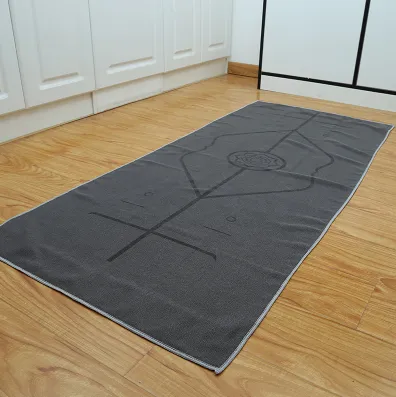
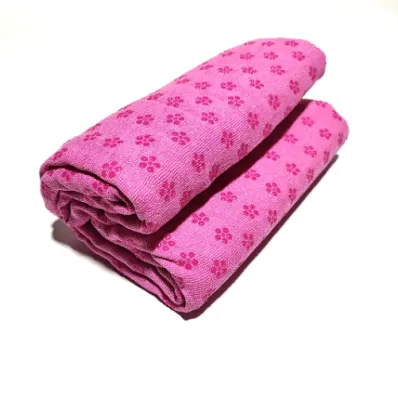
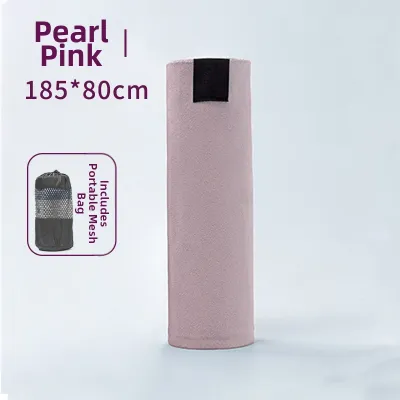
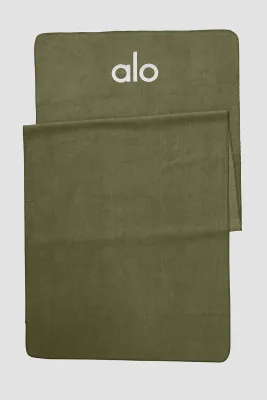
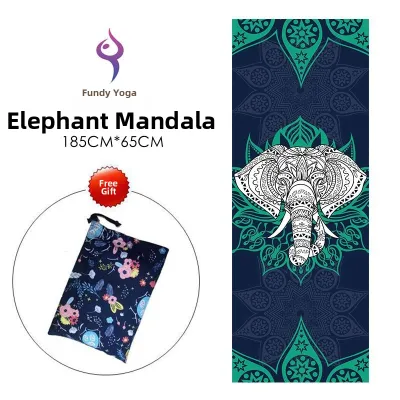
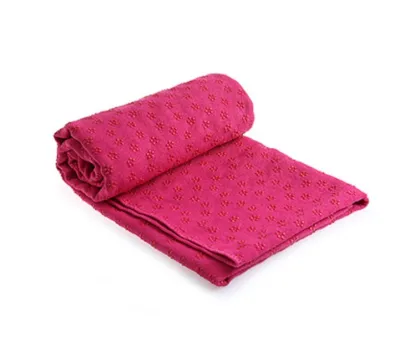
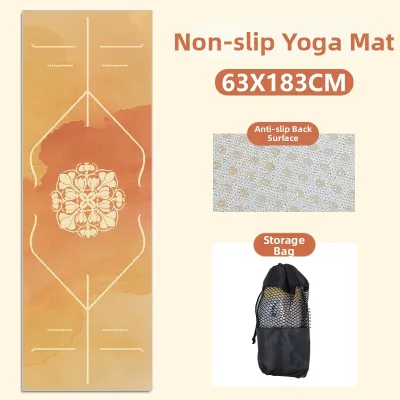
Prices are valid at publication and may change. Please refer to the product page for the latest price.
While thickness determines the total water-holding capacity, the weave structure of the fabric dictates how quickly that moisture is absorbed and how the surface feels against your skin. Microfiber towels are typically made from a blend of polyester and polyamide (nylon). During manufacturing, these synthetic fibers are split to create microscopic channels. These channels utilize capillary action to pull sweat away from your body and disperse it across a wide surface area.
This rapid dispersion is crucial because a high-quality towel must capture moisture instantly to prevent pooling, while simultaneously releasing it to the surrounding air to maintain a dry, high-traction surface. In highly humid environments, such as a non-air-conditioned studio or an outdoor practice space in Singapore, the air’s moisture saturation slows down evaporation. In these conditions, the physical storage capacity of a higher-GSM towel becomes your primary defense against slipping.
Thickness Comparison: Thin, Medium, and Plush Options
Selecting the right thickness requires balancing your need for portability, joint cushioning, and total sweat absorption. Yoga mat towels generally fall into three distinct weight categories, each suited to different styles of practice and transport needs.

Thin and Lightweight for Travel and Fast Flows
Thin yoga mat towels typically feature a fabric weight ranging from 150 to 250 GSM. These low-profile options are designed specifically for maximum portability and minimal bulk. If you commute to your studio on public transport or pack your gear into a work bag, a thin towel folds down to the size of a small notebook, making it exceptionally easy to carry.
During practice, the primary advantage of a thin towel is its ability to lie completely flat against your mat. In fast-paced Vinyasa or Ashtanga flows, where you are constantly jumping back or stepping forward, a thin towel minimizes the risk of catching your toes on loose fabric or causing dangerous bunches. Because there is very little material, these towels dry incredibly fast after washing.
However, thin towels offer virtually no additional cushioning for sensitive joints, meaning you must rely entirely on the density of your underlying yoga mat. They also have a limited moisture capacity. If you are a heavy sweater or practice in a heated room, a thin towel can saturate within the first twenty minutes of class, requiring you to manually adjust or wring out the fabric to restore traction.
Medium Standard for Everyday Versatility
Medium-thickness towels, ranging from 250 to 350 GSM, represent the most versatile category for the average practitioner. These towels strike a deliberate balance, offering a moderate amount of joint support and a reliable moisture reservoir without becoming overly bulky or heavy when wet.
For standard Hatha, slower Vinyasa, or moderate-intensity classes, a medium towel provides enough substance to absorb daily sweat while adding a soft, comfortable layer over a studio-provided mat. The fabric has enough weight to resist minor shifting, yet it remains easy to roll up and carry in a standard gym bag.
While highly versatile, a medium towel is a compromise. It will not dry as rapidly as a travel-weight towel, nor will it handle the extreme, continuous sweat of a ninety-minute hot yoga class without eventually showing signs of saturation. For daily, multi-purpose use, however, it remains the default standard.
Thick and Plush for Restorative Practice and Joint Support
Thick, plush towels feature a fabric weight of 380 to 450+ GSM. These heavy-duty options are engineered for maximum comfort, high-volume sweat absorption, and substantial joint protection. If you frequently practice on hard surfaces or suffer from knee or wrist discomfort during weight-bearing poses, the dense pile of a plush towel acts as an excellent secondary cushioning layer.
In hot yoga environments, such as Bikram or heated power flow classes, a thick towel is highly effective. It acts as a massive sponge, absorbing sweat continuously throughout the session to keep your practice area dry and safe. The sheer weight of the damp fabric also helps keep the towel anchored to the mat, reducing the need for constant manual adjustments.
These benefits come with notable drawbacks. Plush towels are bulky to pack and heavy to carry, especially when saturated with sweat after a class. Furthermore, they take a significant amount of time to dry. In humid climates, a thick 450 GSM towel can take over twenty-four hours to air dry completely, which can lead to mold or odor issues if you do not have access to a well-ventilated drying area or a clothes dryer.
Weave and Grip Comparison: Securing the Towel and Capturing Sweat
Beyond thickness, the physical structure of the towel’s surface and its underside anchoring system determine how well you stay connected to the floor.
Terry Loop vs. Smooth Suede Microfiber
The two dominant surface textures in the yoga mat towel market are classic terry loop and smooth suede microfiber. Each texture handles moisture and skin contact differently.
- Terry Loop Weave: This construction features raised loops of thread, resembling a traditional bath towel but made from fine microfiber. The loops vastly increase the surface area of the fabric, allowing it to trap large amounts of sweat instantly. This texture provides an immediate, tactile grip for your hands and feet, even before you start to sweat. The trade-off is that some practitioners find the bumpy, textured surface distracting or slightly abrasive during long holds or sliding transitions.
- Smooth Suede Microfiber: This weave features a flat, tightly sheared surface that feels velvety and soft to the touch. It wicks moisture laterally across the fabric rather than trapping it in deep loops, allowing for faster evaporation. Suede towels are highly packable and resist bunching. However, they can feel slippery when completely dry. To achieve optimal grip, you often need to lightly spray the hand and foot placement areas with water before you begin your practice to activate the microfiber's traction.
Anchoring Systems: Silicone Dots vs. Corner Pockets
A towel’s ability to absorb sweat is useless if it slides off your mat during a downward dog. Manufacturers use two primary methods to keep the towel anchored.
- Silicone Dots and Nubs: Many premium towels feature a backing covered in small, slip-resistant silicone dots. These dots create direct friction against the surface of your yoga mat, preventing the towel from sliding regardless of the mat's material (whether PVC, natural rubber, or TPE). This system is highly versatile because the towel can be placed on any mat of any size. However, if the towel fabric is exceptionally thick and rigid, the silicone dots may not press down evenly, and the dots themselves can degrade or peel off over time if exposed to high heat during washing or drying.
- Corner Pockets: This design features elasticated fabric pockets sewn into the four corners of the underside of the towel. You slip these pockets over the corners of your yoga mat, stretching the towel taut across the surface. This mechanical anchor completely eliminates bunching and shifting during heavy transitions. The limitation is compatibility: the towel must match the exact dimensions of your yoga mat. If your mat is extra-thick, extra-wide, or slightly non-standard, the pockets will not fit or will stretch to the point of tearing. Always check your mat's dimensions against the product specifications before choosing a pocketed design.
Brand Design Philosophies: What to Look for in Specifications
When comparing leading brands, it is important to look past generic marketing claims like “ultra-grip” or “maximum absorption” and focus instead on the physical specifications and design philosophies of each manufacturer.
Brands like Yogitoes (a subsidiary of Manduka) focus heavily on patented silicone grip technologies. Their design philosophy pairs a medium-weight, highly durable terry-loop weave with a dense grid of silicone nubs on the underside. This combination is built specifically for high-sweat environments where absolute mat stability is required. The materials often incorporate recycled polyester and nylon, making them durable but placing them in a premium price tier, typically ranging from S$60 to S$90.
Manduka’s proprietary eQua line represents a different philosophy, focusing on lightweight, high-performance suede microfiber. These towels are designed to be multi-functional, serving as a slip-resistant mat cover when damp, a lightweight travel towel, or even a warm shawl for meditation. They rely on moisture-activated grip rather than silicone backings, making them highly packable and easier to dry, though they require pre-wetting if your hands are dry.
Budget-friendly brands, such as Shandali and various online marketplace alternatives, often focus on simple utility. They typically offer straightforward suede weaves or classic corner-pocket designs at a lower price point, usually between S$20 and S$40. While they may lack proprietary silicone patterns or recycled material certifications, they provide reliable sweat absorption for casual practitioners.
To verify performance claims before buying, always check the product tag or online specifications for:
- Stated GSM: Look for explicit weight ratings (e.g., 300 GSM) to understand the towel's thickness and absorption capacity.
- Material Composition: A standard blend of 80% polyester and 20% polyamide (nylon) is highly effective for absorption; towels made of 100% polyester generally dry quickly but have lower total water retention.
- Backing Material: Confirm whether the backing uses silicone, polyurethane, or is simply double-sided microfiber, and match this to your mat's surface texture.
Decision Framework: Which Yoga Mat Towel Should You Buy?
To simplify your purchase, use this condition-based decision framework to match a towel to your specific practice profile.
- Choose a thin, smooth-weave towel with corner pockets if:
- You practice dynamic, fast-paced Vinyasa or Ashtanga.
- You commute to the studio or travel frequently and need a highly packable option.
- You use a standard-sized, high-grip rubber or TPE mat.
- You prefer a smooth, soft texture under your hands and do not mind lightly misting the towel before class to activate the grip.
- Choose a medium, terry-loop towel with silicone dots if:
- You want a versatile, all-round towel for standard studio classes (Hatha, Yin, slow flow).
- You rent or use different mats of varying sizes and materials.
- You experience moderate sweating and want immediate traction without needing to pre-wet the fabric.
- You want a balance of moderate joint comfort and reasonable drying times.
- Choose a thick, high-GSM terry towel if:
- You practice hot yoga, Bikram, or sweat heavily during every session.
- You require significant extra cushioning for your knees, wrists, or spine.
- You practice in a dedicated space with access to a clothes dryer or a well-ventilated drying area.
- You do not mind carrying a slightly heavier, bulkier gear bag.
- Verify first if:
- Your yoga mat has non-standard dimensions (extra-wide or extra-thick), which will render corner-pocket towels unusable.
- You have highly sensitive skin, as some practitioners find raised silicone dots or coarse terry-loop textures uncomfortable during prone poses.
Maintenance Rules to Preserve Absorbency and Grip
To ensure your yoga mat towel retains its sweat-wicking capabilities and grip over years of use, you must follow strict care guidelines. Microfiber is a highly engineered synthetic material, and improper washing can easily ruin its performance.
Always wash the towel before your first use. New towels often retain manufacturing residues, starches, or silicone softening agents used during packaging. Washing the towel once in cold water without detergent or with a tiny amount of mild liquid soap removes these residues, opening up the split microfibers and “priming” the fabric for maximum absorbency.
Never use fabric softeners or dryer sheets. This is the most critical rule of microfiber care. Fabric softeners work by leaving a thin, microscopic layer of lubricating chemicals and wax over the fabric fibers to make them feel soft. On a yoga towel, this chemical coating clogs the capillary channels of the split microfiber, turning a highly absorbent sweat-catcher into a slick, water-repellent sheet. If you accidentally use fabric softener, wash the towel again immediately with a small amount of baking soda or white vinegar to help strip the residue.
Wash in cold or warm water and air dry when possible. High heat can melt or warp synthetic microfibers, and it is particularly damaging to silicone grip dots and elastic corner pockets. Wash your towel on a gentle cycle. To dry, hang the towel up in a well-ventilated area. If you must use a clothes dryer, select a low-heat or air-fluff setting to protect the structural integrity of the anchoring elements.
Manage humidity to prevent odors. In warm, humid climates like Singapore, leaving a damp, sweat-soaked towel bunched up in a gym bag or laundry basket for even a few hours can cause rapid bacteria growth, leading to persistent, sour mildew odors. Always hang your towel up to air out immediately after class, even if you cannot wash it right away. Ensure the towel is completely bone-dry before folding it and storing it in a closed wardrobe or drawer.
Community discussion
Share your experience or ask a question. Comments are reviewed before publication.