
Selecting the right yoga towel mat in Singapore is not about finding a single, universally acclaimed brand. Because performance depends heavily on material composition, weave density, and grip technology, the ideal choice varies based on your individual practice and how your body responds to Singapore’s warm, humid climate. A towel that keeps one practitioner perfectly stable during a high-intensity hot yoga session might slide or bunch up for another during a slow, restorative flow.
To make an informed decision, you must look past marketing buzzwords and evaluate the physical specifications of the towels available on the market. By understanding how different grip mechanisms, absorbency indicators, and durability markers function in real-world conditions, you can select a towel mat that enhances your stability, protects your joints, and withstands frequent washing.
Core Performance Dimensions to Compare
Evaluating a yoga towel mat requires analyzing three primary technical pillars: grip, absorbency, and durability. Each of these dimensions is determined by the physical properties of the fabric and any integrated backing materials.
Products mentioned in this guide
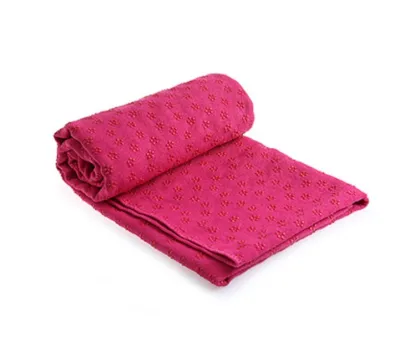
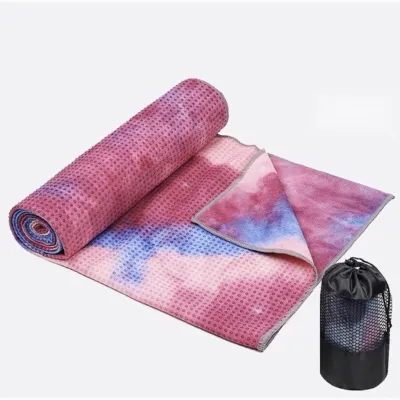
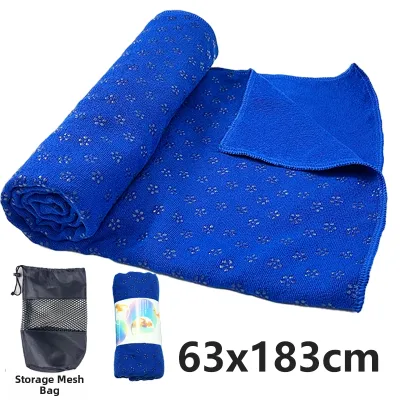
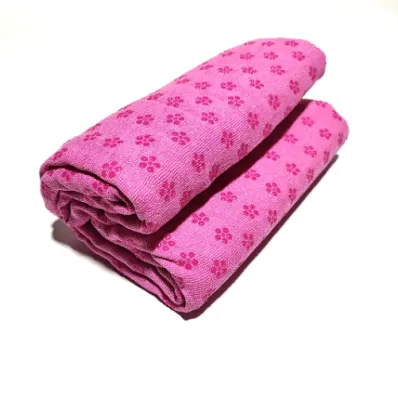
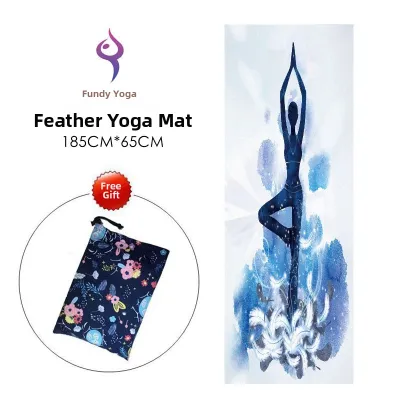
Prices are valid at publication and may change. Please refer to the product page for the latest price.
Grip mechanisms generally fall into three categories: silicone dot patterns, rubberized backings, and pure microfiber texture friction. Silicone dots are small, raised points fused to the underside of the towel. They provide excellent mechanical traction against your base yoga mat, preventing the towel from shifting during dynamic movements. However, some practitioners find that these dots can feel uneven or uncomfortable under the hands and feet during weight-bearing poses like Downward-Dog. Rubberized backings offer a completely flat, continuous layer of slip resistance, mimicking the feel of a double-sided mat. While highly stable, this backing style adds significant weight and bulk, making the towel less portable. Pure microfiber towels rely on surface friction. When dry, microfiber can feel somewhat slippery, but it becomes exceptionally grippy once it absorbs moisture.
Absorbency is primarily indicated by the fabric’s weight, measured in grams per square meter (GSM), and its weave density. A higher GSM, typically ranging from 300 to 400, indicates a thicker, heavier fabric capable of holding a substantial volume of sweat. This is crucial for maintaining a dry surface during intense, high-perspiration sessions. Conversely, a lower GSM (around 200) indicates a lightweight towel that dries quickly and packs easily, though it will saturate much faster. The weave style also affects performance; a waffle weave increases surface area to trap moisture rapidly, whereas a flat weave offers a smoother surface that facilitates quicker transitions between poses.
Durability markers determine how well the towel will hold up to the rigorous washing cycles required in Singapore’s humid environment. Examine the edge construction closely. Overlock stitching is common and cost-effective, but it is prone to fraying over time if subjected to frequent machine washing. Flatlock stitching or bound fabric edges provide superior structural integrity, ensuring the edges remain flat and do not curl or unravel. Additionally, look for fabrics treated to resist pilling, as loose fibers on the surface of the towel can compromise both its grip and its soft feel over time.
Matching the Towel Mat to Your Practice Style
Your primary yoga discipline should dictate which performance features you prioritize. Different styles of yoga place distinct demands on your equipment, making certain towel characteristics more valuable than others.

For hot yoga and Bikram practices, maximum slip resistance and high moisture capacity are non-negotiable. The combination of high room temperatures and intense physical exertion leads to rapid sweat accumulation. If your towel cannot absorb this moisture quickly or begins to slide against your base mat, it creates a serious slipping hazard. For these practices, a heavyweight, high-GSM microfiber towel with a silicone dot or rubberized backing is highly recommended to ensure your hands and feet remain securely anchored.
In Vinyasa and flow classes, the focus shifts to balancing quick-drying properties with smooth transitions. Because these styles involve continuous movement and frequent foot repositioning, you need a towel that stays perfectly flat without catching your toes. A lightweight, medium-GSM microfiber towel with integrated corner pockets or elastic straps is ideal here. It provides sufficient grip for sweaty palms while remaining taut and secure during rapid transitions like jump-backs and sun salutations.
Restorative and Yin yoga practices prioritize comfort, cushioning, and warmth over aggressive grip. Since these styles involve holding floor-based poses for extended periods, you do not need heavy-duty anti-slip backings or extreme sweat absorption. Instead, look for a plush, high-pile microfiber towel that feels soft against the skin and provides an extra layer of gentle cushioning for your knees, elbows, and spine.
Sizing, Thickness, and Mat Compatibility
A yoga towel mat must physically integrate with your existing gear to function safely and effectively. Using mismatched equipment can lead to bunching, tripping, or exposed, slippery sections on your base mat.
Standard yoga mats typically measure 24 inches wide by 68 inches long (approximately 61 cm by 173 cm), but extra-long or extra-wide mats are common. Before purchasing a towel, measure your base mat accurately. The towel should match the dimensions of your mat as closely as possible. A towel that is too short will leave the ends of your mat uncovered, exposing slick surfaces where your hands or feet might slip. Conversely, an oversized towel will hang over the edges, collecting dust and dirt from the studio floor, or bunch up at the ends, creating an uneven surface that compromises your balance.
Towel thickness also plays a critical role in your practice. Thicker towels offer enhanced joint cushioning, which is beneficial if you practice on hard studio floors. However, this added loft can make standing balance poses, such as Tree Pose or Warrior III, more challenging by reducing your sensory connection to the floor. Thinner towels maintain a firm, stable foundation but offer minimal padding. You must balance your need for joint comfort against your requirement for stability.
To prevent the towel from shifting during dynamic movements, evaluate built-in secure-fit features. Some towels feature corner pockets that slip over the ends of your yoga mat, holding the fabric taut. Others utilize elastic straps or weighted corners to minimize movement. These physical design elements are often more reliable than friction alone, especially during active transitions.
Evaluating Brand Specifications and Care Labels
To assess the true value and expected lifespan of a yoga towel mat, you must learn to interpret manufacturer specifications and care labels rather than relying on marketing claims.
Start by reading the material composition tag. Most high-performance yoga towels are made from a blend of polyester and nylon (often listed as polyamide). A standard high-quality ratio is 80% polyester and 20% polyamide. Polyester provides structural strength and quick-drying capabilities, while polyamide is highly absorbent and soft. Avoid towels made of 100% polyester if you require high absorbency, as they tend to repel water initially rather than absorbing it quickly. Some brands offer recycled microfiber options, which utilize post-consumer plastics; verify if these carry independent certifications, such as the Global Recycled Standard (GRS), to ensure the validity of their environmental claims.
Care instructions are a strong indicator of long-term durability and convenience. Because Singapore’s humid climate promotes rapid bacterial growth, your yoga towel must be washed after every sweaty session. Verify if the towel is machine washable and tumble-dry safe on low heat. Be aware that fabric softeners must never be used on yoga towels. Softeners leave a thin, waxy coating on the synthetic fibers, which clogs the pores of the microfiber, drastically reducing both its moisture absorbency and its slip-resistant properties.
When browsing online marketplaces or local sports stores, learn to distinguish verifiable specifications from vague marketing buzzwords. Terms like “ultimate grip technology” or “space-age fibers” carry little practical meaning. Instead, look for concrete data: the exact GSM rating, the precise material percentages, and clear care instructions.
Decision Framework: Which Type Fits Your Needs?
To finalize your choice, use this structured decision framework to match your specific practice conditions and physical needs to the correct towel category.
Choose a silicone-grip, high-GSM towel if you primarily practice hot yoga, sweat heavily, and require a reliable mechanical barrier to prevent the towel from sliding on your base mat. This combination ensures maximum safety and moisture capacity during high-perspiration sessions.
Choose a lightweight, quick-dry microfiber towel with corner pockets if you travel frequently, practice fast-paced Vinyasa flows, and need a compact option that stays taut during rapid transitions. This style is easy to pack, dries quickly in Singapore’s humid air, and anchors securely to your mat.
Choose a plush, thicker microfiber towel without heavy backings if your focus is restorative or Yin yoga, where joint comfort, softness, and warmth are your primary concerns.
Before making any purchase, verify if you have specific skin sensitivities. Some individuals experience mild skin irritation from certain synthetic dyes or silicone backings when wet. If you have sensitive skin, look for towels certified under OEKO-TEX Standard 100, which guarantees the fabric has been tested for harmful substances.
Frequently Asked Questions (FAQ)
Can I use a regular beach or bath towel instead of a yoga towel mat?
Using a standard beach or bath towel on your yoga mat is not recommended due to significant safety risks. Regular towels lack the specialized slip-resistant backings and tightly woven microfiber structures designed for athletic use. During weight-bearing poses, a standard cotton towel will easily bunch up, slide across the mat, and fail to provide adequate traction, creating a severe slipping hazard that can lead to joint strain or injury.
How often should I wash my yoga towel mat to maintain its grip?
You should wash your yoga towel mat after every sweaty practice session. Sweat, body oils, lotions, and dead skin cells accumulate rapidly in the fabric fibers and on silicone grip points. Over time, this buildup creates a slick barrier that severely compromises the towel’s friction and absorbency. Always follow the manufacturer’s specific care label, avoiding fabric softeners and bleach, to preserve the integrity of the grip technology.
Do I need to wet my yoga towel mat before use?
Whether you need to wet your towel depends on its specific grip technology. Pure microfiber towels often require a light misting of water from a spray bottle on the hand and foot placement areas to activate their grip before your practice begins. This moisture causes the microfibers to swell and create friction. Conversely, towels with integrated silicone dot patterns or rubberized backings typically do not require pre-wetting, as they rely on mechanical grip rather than moisture activation.
Community discussion
Share your experience or ask a question. Comments are reviewed before publication.