
Finding the right front bag for a Dahon folding bike requires more than just picking a preferred style; it demands a clear understanding of the bicycle’s specific mounting hardware and folding mechanics. Because Dahon models utilize proprietary attachment points and compact frame geometries, a bag that works on a standard road or mountain bike may interfere with the folding hinge or steering clearance. This guide breaks down the compatible mounting systems, bag categories, and essential clearance checks to help you select a front bag that securely fits your Dahon model and suits your cycling needs.
Identify Your Dahon Front Mounting System
To choose a compatible front bag, you must first identify the mounting interfaces available on your specific Dahon folding bike. Dahon frames are unique, and their front-end configurations can vary significantly across different models and production years.
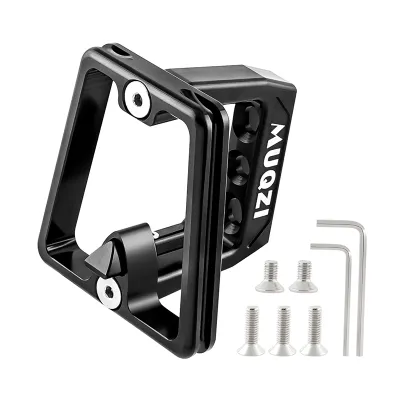
The most robust and popular mounting option is the proprietary Dahon Luggage Socket, often referred to as the front carrier block mount. This system consists of a set of threaded holes welded directly onto the head tube of the frame, situated just above the front fork. Depending on your specific Dahon model, this socket typically features a two-bolt or three-bolt vertical pattern. Because this mount is welded directly to the frame, any bag attached to it remains stationary when you turn the handlebars. This design offers superior stability, as the weight of your cargo does not affect your steering dynamics or balance.
Products mentioned in this guide
Prices are valid at publication and may change. Please refer to the product page for the latest price.
If your Dahon model does not feature a head tube luggage socket, you will need to rely on standard handlebar or stem mounting setups. Handlebar-mounted systems attach directly to the steering column or the handlebar tube itself. While highly versatile and compatible with almost any bicycle, these systems place the weight of your cargo directly on the steering axis. This means that as you turn the handlebars, the bag turns with them, which can make the steering feel heavier or more responsive depending on the load.
Before purchasing any front bag, perform a visual inspection of your bike’s front end. Look closely at the head tube for the presence of threaded mounting holes, which are often covered by small plastic protective screws from the factory. If these holes are present, measure the distance between them to ensure compatibility with aftermarket carrier blocks. Additionally, inspect the front fork for eyelets or mounting points. Some touring-oriented Dahon models include fork eyelets for low-rider racks, while sportier, lightweight models may have smooth forks that cannot support direct-mount racks.
Finally, consult your bicycle’s user manual or the manufacturer’s official specifications to confirm the structural limits of your frame and fork. Some lightweight aluminum or carbon fiber forks are strictly rated against carrying front loads, and attempting to clamp aftermarket racks to them could void your warranty or cause structural damage. Understanding these physical and structural boundaries is the essential first step in narrowing down your front bag options.
Evaluate Compatible Front Bag Categories
Once you have identified your bike’s mounting system, you can evaluate the different categories of front bags available for folding bicycles. These bags generally fall into three main categories, each offering distinct advantages in terms of capacity, stability, and ease of use.

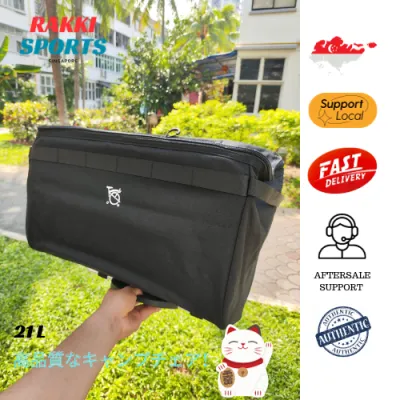
The first category consists of proprietary quick-release bags designed specifically for the Dahon Luggage Socket or compatible front carrier blocks. These bags feature a rigid backing plate that slides into a matching receiver block bolted to your bike’s head tube. The primary benefit of this system is its convenience; you can attach or detach the bag in a single second using a simple pull-tab or spring-loaded latch. This is incredibly useful for folding bikes, as you will almost always need to remove the bag before folding the frame. Furthermore, because these bags are supported by the frame rather than the handlebars, they can comfortably carry larger volumes and heavier loads without compromising your steering control.
The second category comprises universal handlebar bags that utilize adjustable strap systems or clamp-on brackets. These bags are highly versatile because they do not require a proprietary frame socket. They typically attach to the handlebar using heavy-duty hook-and-loop straps, webbing buckles, or rigid plastic clamps. Universal handlebar bags are an excellent choice if you own multiple bicycles and want to swap a single bag between them. However, because they hang from the handlebars, they are generally limited to smaller capacities and lighter weight limits to prevent the bag from sagging onto the front tire or interfering with your brake levers.
The third category includes lightweight stem bags and feed bags. These are typically small, cylindrical pouches that mount at the junction of the handlebar and the stem. They often secure using three points of contact: one strap around the handlebar, one around the stem, and sometimes a third strap around the fork crown or head tube. Stem bags are designed for quick, one-handed access to essential items while riding, such as a water bottle, snacks, a compact camera, or a mobile phone. Because of their small footprint and high mounting position, they rarely interfere with the folding mechanism of the bike, making them an excellent minimalist storage solution.
When comparing these categories, consider the materials and construction of the bags. If you plan to ride in variable weather conditions, look for bags made from waterproof materials like TPU-coated nylon with welded seams, or those that include a dedicated high-visibility rain cover. Additionally, consider the internal organization of the bag; some quick-release commuter bags feature dedicated laptop sleeves and organizer pockets, while simple handlebar bags may offer a single large compartment for maximum packing flexibility.
Verify Clearance and Folding Compatibility
Selecting a front bag that physically fits your mounting system is only half the battle; you must also verify that the bag and its hardware do not compromise the safety, handling, or foldability of your Dahon bike. Folding bicycles operate within tight physical tolerances, and adding accessories requires careful clearance checks.
First, verify the physical clearance between the lowest point of the front bag and the top of the front tire. This check is critical, especially for handlebar-mounted bags that can sag under load. When the bag is fully packed, there should be a safe clearance margin above the tire to prevent the bag from rubbing against the tread during sharp turns or when riding over uneven surfaces. If your Dahon model features front suspension, compress the fork fully to ensure the bag does not make contact with the mudguard or tire at the bottom of the suspension stroke.
Second, examine how the mounting hardware and the bag itself interact with your bike’s cable routing and folding hinges. Folding bikes require longer brake and gear cable housings to allow the handlebars to fold down without kinking the inner cables. When you mount a front bag or bracket, ensure it does not pinch, pull, or excessively bend these cables. Turn the handlebars fully to the left and right; the steering should feel smooth and unrestricted, and the cables should not catch on any part of the bag or bracket. Additionally, verify that the mounting system does not block the main frame hinge or the folding latch on the handlepost, as any obstruction here will make folding the bike difficult or impossible.
Third, always confirm the maximum front-load weight limit specified by Dahon for your particular model. The head tube luggage socket and the handlebar stem are engineered to support specific weight thresholds. Exceeding these limits can put excessive stress on the folding joints, potentially leading to structural fatigue over time. It can also dramatically alter the bike’s center of gravity, making it prone to tipping when parked or unstable when riding at low speeds. As a general rule, keep heavier items packed low and close to the frame to maintain optimal handling characteristics.
Match Bag Styles to Your Cycling Routes
To narrow down your choices, match your front bag configuration to your typical riding environments and cargo requirements. In Singapore, where cycling infrastructure and tropical weather play significant roles in daily riding, your route choice will heavily influence the ideal bag setup.
For daily commuting and long-distance rides along Singapore’s extensive Park Connector Network (PCN), a larger-capacity, quick-release bag mounted to the head tube socket is highly recommended. The PCN offers smooth, paved paths that connect residential areas to parks and commercial hubs, making it a popular route for bicycle commuters. A frame-mounted bag with a capacity of 10 to 15 liters can easily accommodate a change of clothes, a laptop, toiletries, and a compact towel. Because Singapore is prone to sudden, heavy tropical downpours, choosing a bag with reliable waterproofing or an integrated rain cover is essential to keep your electronics and dry clothes safe. The quick-release mechanism allows you to effortlessly detach the bag when arriving at your office or stopping at a hawker center along the PCN.
For casual weekend rides, such as exploring local parks, coastal paths, or running quick errands around your neighborhood, a compact, strap-on handlebar bag is often the most practical choice. These rides typically require you to carry only personal essentials like your wallet, keys, phone, sunscreen, and perhaps a lightweight windbreaker. A small handlebar bag keeps these items secure and easily accessible without adding unnecessary weight or bulk to your folding bike. Because these bags are lightweight, they have a minimal impact on steering and can be quickly unstrapped if you need to fold your bike to take it on public transport or store it in a car trunk.
If you prefer a minimalist setup focused on fitness or sporty riding, a stem bag or feed bag is an excellent alternative. These compact pouches are perfect for keeping a water bottle or energy snacks within arm’s reach while you maintain a steady pace on the paths. Because they mount snugly against the stem, they do not catch the wind or affect the bike’s aerodynamic profile. This setup is ideal for riders who want to keep their folding bike as light and agile as possible while still having quick access to hydration and nutrition.
Frequently Asked Questions (FAQ)
Can I use third-party front bags on a Dahon folding bike?
Yes, you can use third-party front bags on your Dahon folding bike, provided you verify the compatibility of the mounting interface. Many aftermarket manufacturers produce front carrier blocks and adapter plates designed specifically to fit the standard Dahon head tube bolt pattern. If you choose a universal strap-on handlebar bag, ensure the straps are adjustable enough to secure tightly around the specific diameter of your Dahon handlebars. Always check that any third-party mounting system does not exceed the manufacturer’s recommended weight limits for your bike’s front end, and perform a thorough clearance check before your first ride.
Will a front bag affect the folding mechanism of my Dahon bike?
A front bag can affect the folding mechanism, but this depends entirely on the mounting style and size of the bag. Quick-release bags mounted to a head tube carrier block must almost always be removed before you can fold the bike frame compactly. Fortunately, these systems are designed for instant removal. If you use a strap-on handlebar bag or a stem bag, you may be able to leave it attached during the fold, provided it does not prevent the handlebar stem from folding down or block the frame magnets and latches that hold the folded bike together. Always test the folding process slowly after installing any new bag to identify any points of physical interference.
Community discussion
Share your experience or ask a question. Comments are reviewed before publication.