
Choosing the right knee support is essential for maintaining mobility, managing discomfort, and preventing further joint strain. The decision between a compression sleeve, a patellar strap, and a hinged knee brace depends entirely on your specific joint symptoms, structural stability, and the physical demands of your activities. A compression sleeve offers mild support and warmth for general soreness; a patellar strap targets localized tendon pain directly below the kneecap; and a hinged knee brace provides rigid mechanical stability for compromised ligaments. Selecting the wrong type of support can unnecessarily restrict your movement or, worse, fail to protect a vulnerable joint during high-impact exercise.
Before purchasing any support, it is important to understand that braces are tools to assist your recovery and movement patterns. They do not replace muscle strength, joint mobility, or professional medical advice. By evaluating your physical symptoms and matching them to the correct brace design, you can protect your knees while maintaining an active lifestyle.
Assess Your Knee Symptoms and Activity Demands
Identifying the correct knee support begins with a close look at your daily physical symptoms. Pay attention to when and how your knee hurts. Is the discomfort a dull, generalized ache after a long walk on concrete paths, or is it a sharp, localized pain when climbing stairs? General stiffness and mild swelling usually point to minor joint strain or fatigue, whereas a feeling of the knee “giving way” or sliding out of place suggests structural instability that requires mechanical support.
Products mentioned in this guide
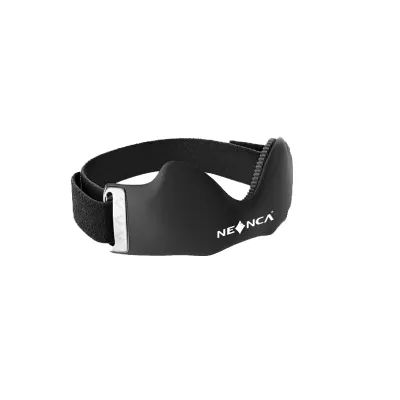
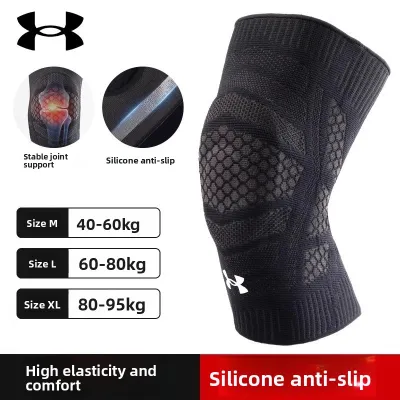
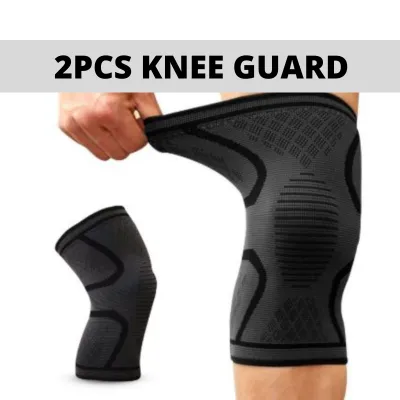
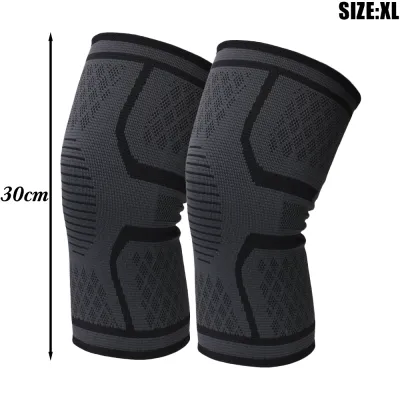
![[SG]Knee joint booster knee pad patella fixation squatting climbing upstairs and mountaineering sports protective gear for the elderly](https://img.lazcdn.com/g/p/708ded642d7f2f5667dd3bbaf0509d9a.jpg_400x400q80.jpg_.webp)
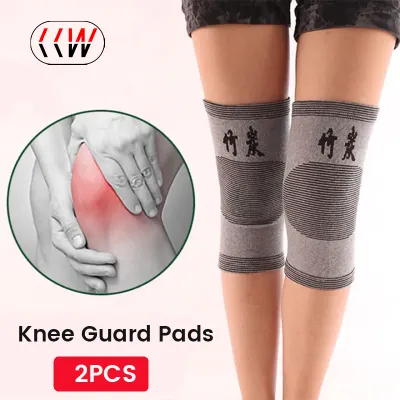
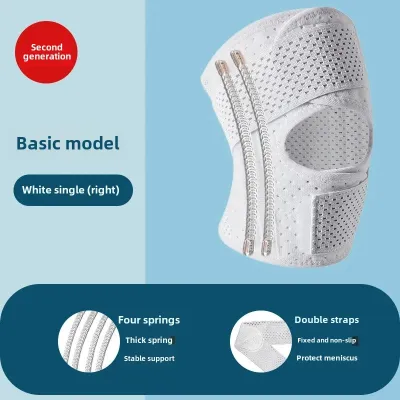
Prices are valid at publication and may change. Please refer to the product page for the latest price.
Your activity level and movement patterns also dictate the type of support you need. High-impact sports involving sudden changes of direction, such as football or badminton, place immense lateral stress on the ligaments. Repetitive jumping sports, like basketball, put intense strain on the anterior tendons. If you are engaging in heavy weightlifting, your knees require stabilization under vertical loads. Conversely, casual walking or light jogging demands flexibility and breathability rather than rigid restriction.
It is equally important to recognize when your knee does not require an external brace. If you experience mild muscle fatigue without joint pain, relying on a brace can lead to muscle laziness over time. In these cases, active recovery, targeted strengthening exercises for the quadriceps and hamstrings, and adequate rest are far more beneficial than wrapping the joint. A brace should support your recovery, not act as a permanent crutch for weak muscles.
Compression Sleeves: When You Need Mild Support and Warmth
Compression sleeves are elastic, slip-on supports typically made from neoprene, knit fabric, or spandex blends. They are designed to provide even, circumferential pressure around the entire knee joint. This mild compression helps manage minor swelling and increases blood flow to the area, which can ease general stiffness and accelerate post-workout recovery.

One of the primary benefits of a compression sleeve is improved proprioception, which is your brain’s awareness of the joint’s position in space. The constant pressure on the skin sends sensory feedback to your nervous system, helping you move with better alignment and confidence. This makes sleeves ideal for long-distance runners, gym-goers performing high-repetition bodyweight exercises, or individuals dealing with mild, chronic joint grumpiness.
However, compression sleeves have clear structural limitations. They do not contain rigid stays or hinges, meaning they cannot prevent lateral knee movement or protect compromised ligaments from twisting. If your knee feels unstable or structurally weak, a sleeve will not provide sufficient protection.
When choosing a compression sleeve, verifying the fit is crucial. In Singapore’s warm and humid climate, look for breathable, moisture-wicking knit fabrics rather than thick neoprene to prevent sweat buildup and skin chafing. The sleeve should fit snugly without pinching your skin or cutting off circulation at the calves or thighs. Look for models with silicone grip strips along the top inner hem to prevent the sleeve from rolling down during movement.
Patellar Straps: When You Need Targeted Tendon Relief
A patellar strap, also known as a jumper’s knee strap, is a narrow band that wraps tightly around the leg just below the kneecap. Unlike a sleeve, which covers the entire joint, the strap focuses pressure on a single point: the patellar tendon. This targeted pressure alters the angle at which the tendon sits, distributing the mechanical load more evenly and reducing the strain placed on the tendon insertion point during repetitive movements.
This support is highly effective for localized pain directly below the kneecap, commonly associated with patellar tendinopathy, runner’s knee, or jumper’s knee. If you experience sharp pain when jumping, running on hard pavement, or walking down stairs, but your joint otherwise feels stable and free of swelling, a patellar strap is often the most efficient choice. It provides relief exactly where you need it without wrapping the rest of your leg.
To get the most benefit from a patellar strap, correct placement is essential. The padded portion of the strap must sit directly on the soft tendon below your kneecap, not on the bone itself. Tighten the strap until it is snug enough to apply firm pressure when you stand, but not so tight that it restricts blood flow or causes throbbing.
Keep in mind that a patellar strap is highly specialized. It offers absolutely no support for lateral joint instability, meniscus tears, or ligament sprains. If your pain is diffuse, located behind the kneecap, or accompanied by a feeling of joint looseness, a strap will not address the underlying issue.
Hinged Knee Braces: When You Need Maximum Joint Stability
Hinged knee braces represent the highest level of external joint support. These braces feature rigid side stays made of plastic or metal, connected by mechanical hinges that align with the natural bending motion of your knee. They are designed to physically block lateral movement (valgus and varus stress) while allowing the knee to bend and straighten within a safe, controlled range.
You typically need a hinged knee brace if you are recovering from a moderate to severe ligament injury, such as an ACL, MCL, or LCL sprain, or if you have chronic joint instability. They are also widely used during post-surgery rehabilitation to protect healing tissues from accidental twisting. If your knee frequently buckles, shifts, or feels completely untrustworthy during lateral movements, a hinged brace provides the mechanical boundary your muscles and ligaments cannot currently maintain.
The primary trade-off with a hinged brace is mobility. These supports are significantly bulkier, heavier, and warmer than sleeves or straps. They can restrict your speed and agility, and the rigid frames can feel cumbersome during daily tasks. Because of this, they are generally reserved for specific recovery phases or high-risk activities rather than casual, everyday wear.
Fitting a hinged brace requires careful attention. Because the hinges must align perfectly with the center of your knee joint, purchasing the correct size is paramount. An ill-fitting hinged brace can force your joint into unnatural angles, leading to skin breakdown, bruising, or worsened joint pain. When investing in a high-quality hinged brace, which can range from S$50 to over S$150, it is highly recommended to seek professional guidance from a physiotherapist to ensure the hinges are set correctly and the straps are tensioned properly.
Red Flags: When to Skip the Brace and Seek Medical Care
While knee supports are excellent tools for managing minor aches and structural recovery, self-selecting a brace is inappropriate under certain conditions. Attempting to mask a severe injury with a tight brace can lead to permanent joint damage or prolonged recovery times. You must skip the brace and seek immediate medical evaluation if you experience any of the following red flags:
- Severe Acute Pain or Deformity: A sudden, intense pain accompanied by an audible "pop" or a visible shift in the joint's shape after a fall or collision.
- Immediate, Significant Swelling: Rapid swelling that occurs within hours of an injury, indicating potential internal bleeding or a severe tear.
- Inability to Bear Weight: The inability to stand or take even a few steps without your knee collapsing or causing excruciating pain.
- Mechanical Locking or Catching: The joint physically locks in a bent or straight position, or clicks painfully while preventing you from moving your leg.
- Circulatory or Nerve Symptoms: Numbness, tingling, coldness, or a pale/blue color change in your lower leg or foot, which indicates compromised blood flow or nerve compression.
Frequently Asked Questions (FAQ)
Can I wear a knee support all day?
It is generally not recommended to wear a knee support all day unless specifically instructed by a medical professional. Continuous wear can cause your quadriceps, hamstrings, and calf muscles to rely on the brace for stability, leading to muscle weakness and joint dependency over time. Additionally, keeping a brace on for extended periods—especially in warm climates—can trap sweat, leading to skin irritation, chafing, or rashes. It is best to wear the support only during active periods, workouts, or long walks, and remove it during rest, sleep, or low-activity desk work to allow your muscles to engage and your skin to breathe.
Should I wear a knee brace on both knees for prevention?
There is little evidence to support wearing preventive knee braces on healthy, uninjured joints. Bracing a healthy knee can alter your natural gait and movement mechanics, potentially transferring unwanted stress to your hips or ankles. Instead of relying on bilateral braces for prevention, focus on active injury-prevention strategies. This includes a thorough warm-up before exercise, targeted strength training for your glutes, quadriceps, and hamstrings, and mobility work for your hips and ankles. Bilateral bracing should only be used if you have a specific, diagnosed medical condition affecting both knees, such as bilateral osteoarthritis, under the guidance of a healthcare provider.
Community discussion
Share your experience or ask a question. Comments are reviewed before publication.