
Quick Answer: Which Knee Brace Fits Your Activity?
Selecting the right knee support depends entirely on your specific sport, injury history, and the level of joint mobility you require. There is no single design that excels in every athletic scenario, as each serves a distinct mechanical purpose. For athletes seeking mild compression, improved joint awareness, and heat retention during general training, a flexible compression sleeve is typically the most appropriate choice. If your sport involves high-impact collisions or requires maximum structural stability to protect recovering ligaments, a hinged knee brace provides the necessary rigid lateral support. For runners and jumpers dealing with localized discomfort directly below the kneecap, a low-profile patellar strap offers targeted pressure to alter force distribution. Matching the support type to your physical demands ensures you maintain the necessary protection without unnecessarily restricting your athletic performance.
Core Differences: Compression Sleeves, Hinged Braces, and Patellar Straps
Before selecting a support, it is essential to understand how these three designs function mechanically. Each utilizes different materials and structural elements to interact with the knee joint, ranging from simple elastic fabrics to complex metal hinges. Choosing the wrong mechanism can lead to restricted movement or inadequate joint protection during high-intensity activities.

Compression Sleeves
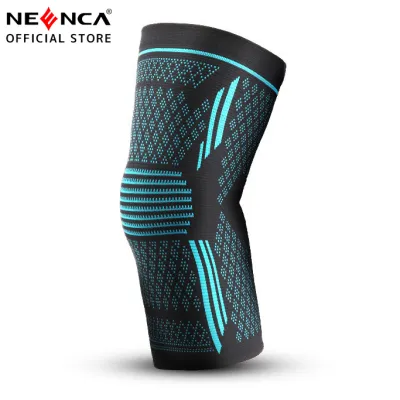
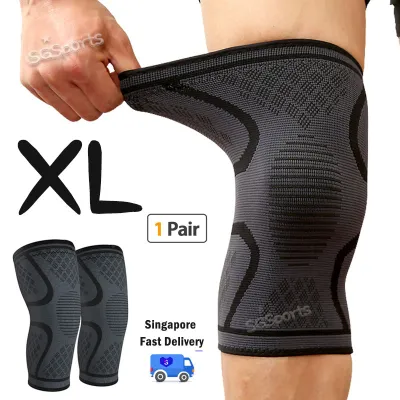
Compression sleeves are tubular, elastic supports designed to slide directly over the foot and sit snugly around the knee joint. Typically manufactured from neoprene, knit fabric, or elastane blends, these sleeves provide uniform compression and retain local body heat. This compression enhances proprioception—your brain’s awareness of the joint’s position—while the retained warmth helps keep the surrounding muscles and tendons pliable. Athletes commonly use compression sleeves to manage mild swelling, alleviate general joint stiffness, and reduce minor muscle fatigue during or after prolonged training sessions.
Products mentioned in this guide
![[BUNDLE OF 2] TAKAMIZU - Orthocare Knee Support](https://img.lazcdn.com/g/p/358694f2fd4b2405e4e66b4a4bf8105e.jpg_400x400q80.jpg_.webp)
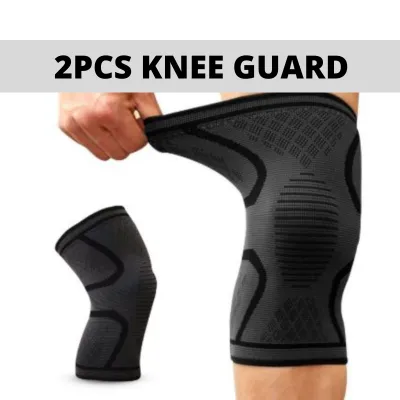
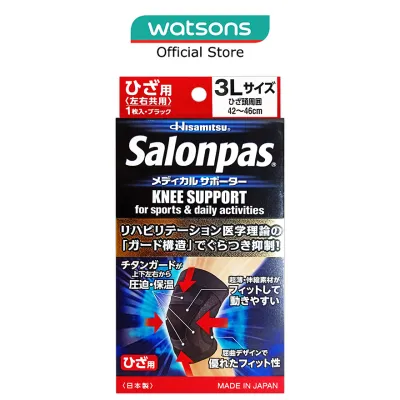
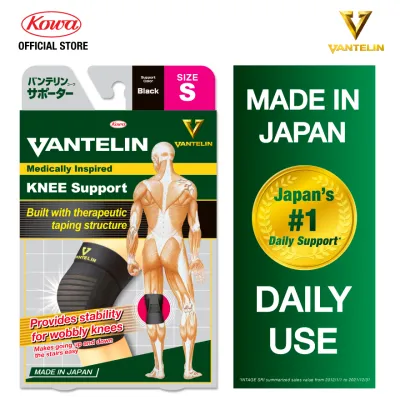
Prices are valid at publication and may change. Please refer to the product page for the latest price.
Hinged Knee Braces
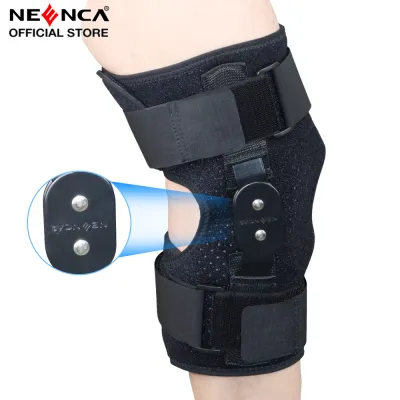
Hinged knee braces represent the most supportive category of over-the-counter knee protection, incorporating rigid or semi-rigid side hinges alongside adjustable strapping systems. These mechanical hinges align with the knee’s natural bending axis to allow flexion and extension while physically blocking unnatural lateral movement or hyperextension. Because they provide a physical barrier against joint deviation, hinged braces are highly valued for managing ligament instability, aiding post-injury recovery, and protecting the joint during heavy load-bearing activities.
Patellar Straps
Patellar straps, often referred to as knee bands, are narrow, adjustable straps worn directly below the kneecap. Unlike sleeves that cover the entire joint, a patellar strap focuses pressure solely on the patellar tendon to alter how forces are distributed through the extensor mechanism. By compressing this specific tendon, the strap helps stabilize the kneecap within its groove and reduces localized strain. This targeted design is highly effective for managing localized tendon irritation, such as jumper’s knee or runner’s knee, without covering the rest of the joint.
Comparing Support, Mobility, and Comfort
Evaluating how these designs perform across key physical dimensions helps narrow down the choice based on your daily training habits and performance goals.
Support Level and Joint Stability
The level of structural support varies dramatically between these three options. Compression sleeves do not offer mechanical joint stability; instead, they rely on sensory feedback to help you self-correct your movement patterns. In contrast, hinged knee braces provide robust physical reinforcement, using metal or composite uprights to absorb external lateral forces that could otherwise compromise the ligaments. Patellar straps offer no lateral or rotational stability, focusing entirely on tracking alignment for the kneecap. When shopping, always check the manufacturer’s specifications regarding hinge rigidity, strap tension limits, and rated support levels to ensure the brace matches your physical needs.
Mobility and Range of Motion
An athlete’s ability to move naturally is directly influenced by their choice of knee support. Compression sleeves and patellar straps offer virtually unrestricted range of motion, making them ideal for activities requiring deep knee flexion, rapid footwork, or high-cadence movements. Hinged knee braces, by design, deliberately restrict certain planes of motion to prevent injury. While they allow basic bending and straightening, the added bulk and rigid structure can hinder explosive movements, deep squats, or rapid lateral shuffling. Understanding these mechanical limits helps you balance the need for safety with the demands of your sport’s specific movement patterns.
Breathability and Comfort During Activity
Prolonged physical exertion requires materials that can manage heat and moisture effectively, especially in warm and humid climates like Singapore. Compression sleeves made of thick neoprene retain significant heat, which can lead to heavy sweat accumulation and skin irritation if worn for extended periods. To mitigate this, look for sleeves featuring perforated neoprene or advanced moisture-wicking knit fabrics. Hinged braces often feature open-patella designs and cutouts behind the knee to aid heat dissipation, though their heavy straps can still cause chafing. Always verify care labels and material compositions to ensure you can wash the support regularly and prevent skin sensitivity.
Matching the Knee Brace to Your Specific Sport
Translating these mechanical differences into sport-specific choices ensures you select a support that aligns with your typical movement patterns and impact risks.
High-Impact and Contact Sports
Sports that involve physical collisions, rapid tackling, or sudden directional changes—such as rugby, football, or martial arts—put immense lateral stress on the knee ligaments. In these high-risk environments, athletes often evaluate hinged knee braces to protect against external forces and prevent joint hyperextension. While these braces provide the highest level of structural defense, they introduce trade-offs in terms of weight and bulkiness, which can slightly reduce sprinting speed. If you participate in contact sports, verify whether your league rules allow rigid metal hinges, as some associations require hinges to be covered with protective sleeves to ensure the safety of other players.
Running, Cycling, and Endurance Activities
Endurance athletes subject their joints to thousands of repetitive, linear movement cycles, making lightweight and low-profile gear essential. A heavy or bulky brace can alter your running gait or cycling cadence, potentially leading to secondary strain in the hips or ankles. For general joint fatigue or mild swelling over long distances, a lightweight compression sleeve is often preferred. If the issue is localized pain directly below the kneecap caused by repetitive impact, a patellar strap is highly effective because it applies targeted pressure without adding unnecessary weight or causing chafing behind the knee.
Court Sports and Agility Movements
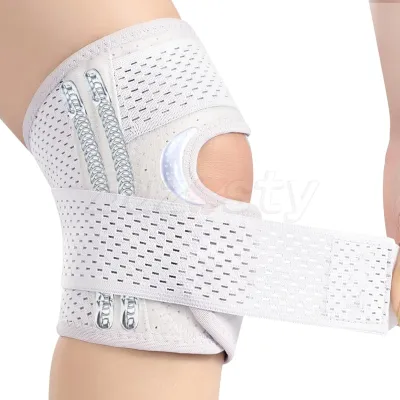
Court sports like basketball, tennis, and badminton demand a complex mix of vertical jumping, sudden deceleration, and rapid lateral shuffling. These movements require a balance between patellar tracking support and unhindered agility. A patellar strap is excellent for court players who experience tendon strain from frequent jumping, as it keeps the kneecap aligned without restricting explosive power. For players recovering from mild sprains who still require lateral confidence, a lightweight, flexible sleeve with side stabilizers can bridge the gap between a basic sleeve and a heavy hinged brace.
Sizing, Fit, and Safety Checks Before You Buy
An improperly fitted knee support can compromise your safety and hinder athletic performance. To find the correct size, use a flexible measuring tape to take accurate anatomical measurements according to the specific brand’s sizing chart. This typically involves measuring the circumference of your mid-thigh (usually 10 to 15 centimeters above the kneecap), the center of the knee joint directly over the patella, and the widest part of your calf. Do not rely on generic clothing sizes, as sizing standards vary significantly between manufacturers.
An overly tight brace can restrict blood flow, cause localized numbness, and increase swelling below the joint, while a loose brace will slip during movement and cause painful skin friction. Whether you are purchasing a basic sleeve for S$20 or investing over S$100 in a technical hinged brace, proper fit is paramount. Always observe key safety stop-conditions: remove the support immediately if you experience numbness, tingling, coldness in your foot, or increased joint pain. Remember that external supports are designed to assist your recovery and should never replace professional medical advice, targeted physical therapy, or proper athletic conditioning.
Frequently Asked Questions (FAQ)
Can I wear a knee brace all day?
It is generally not recommended to wear a knee brace continuously throughout the day unless specifically directed by a healthcare professional. Prolonged wear can lead to skin irritation, moisture buildup, and localized circulation issues, particularly in humid environments. Most manufacturers design athletic supports for use during physical activity and recommend removing them during periods of rest or sleep. If you require support for daily walking, opt for a highly breathable, light compression sleeve and remove it periodically to allow your skin to dry and your muscles to engage naturally.
Do knee braces weaken the muscles over time?
Relying solely on a highly restrictive support, such as a hinged brace, over an extended period without active rehabilitation can lead to a dependency where the surrounding muscles do not work as hard to stabilize the joint. However, light compression sleeves and patellar straps do not mechanically unload the joint enough to cause muscle atrophy. To maintain joint health, use braces as a temporary supplement to your training rather than a permanent replacement for joint strength. Always combine brace usage with targeted strengthening and conditioning exercises recommended by a physiotherapist.
Community discussion
Share your experience or ask a question. Comments are reviewed before publication.