
Selecting the right shoulder support is a critical decision that directly impacts your recovery, athletic performance, and joint safety. The choice between a flexible compression shoulder sleeve and a rigid shoulder guard comes down to balancing your need for mobility against your requirement for structural stabilization. While a compression sleeve offers lightweight, flexible support that enhances your body’s natural joint awareness, a rigid shoulder guard physically limits movement to protect a compromised joint from impact or extreme ranges of motion. Choosing the wrong style can either leave your shoulder vulnerable to injury or unnecessarily restrict the movement patterns required for your sport.
To make an informed choice, you must evaluate the current state of your shoulder, the specific demands of your activity, and the underlying mechanical differences between these two protective styles. Neither option serves as a universal cure, but matching the correct design to your physical condition ensures you receive the appropriate level of protection without hindering your long-term recovery.
Core Structural Differences and Protection Mechanisms
The fundamental difference between a compression shoulder sleeve and a rigid shoulder guard lies in their construction materials and how they interact with your joint. Compression sleeves are typically manufactured from highly elastic fabric blends, such as nylon, spandex, or neoprene. These materials wrap snugly around the shoulder girdle, conforming to the natural contours of your body. Because they are flexible, they do not physically block your arm from moving in any direction. Instead, they work by applying gentle, circumferential pressure to the skin and underlying tissues.
Products mentioned in this guide
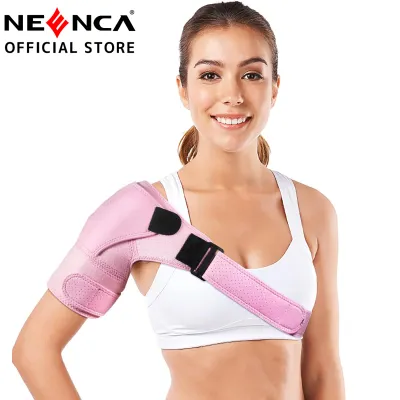
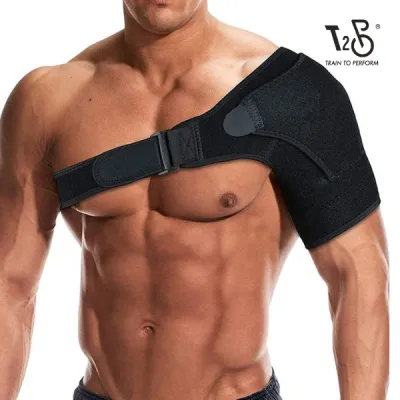
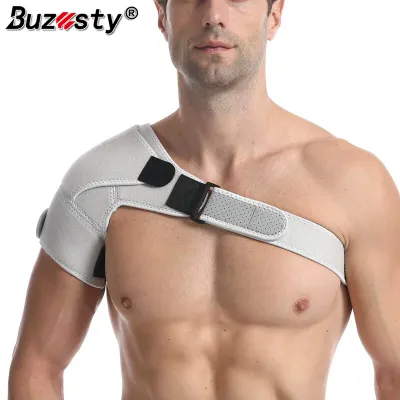
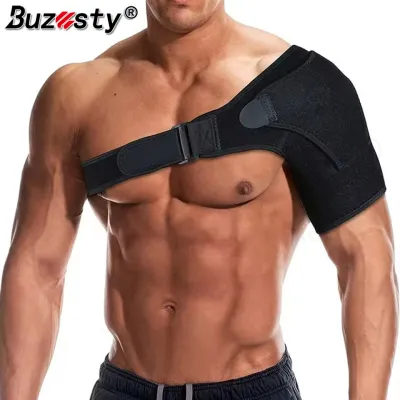
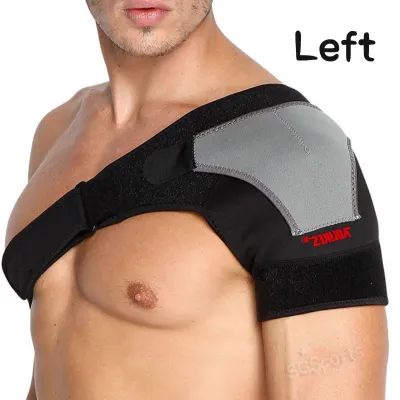
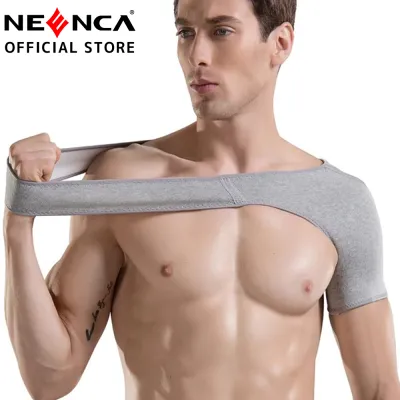
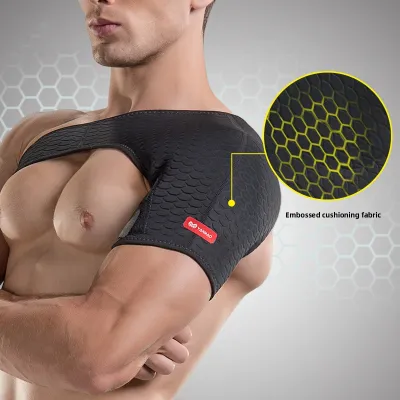
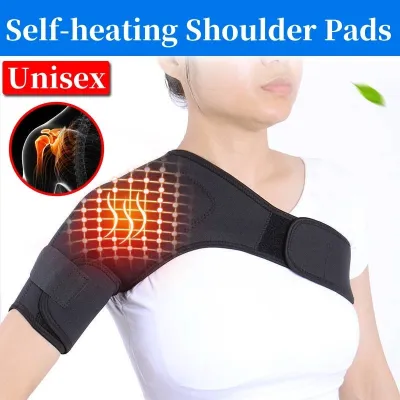
Prices are valid at publication and may change. Please refer to the product page for the latest price.
This pressure serves two primary mechanical functions: enhancing proprioception and retaining therapeutic warmth. Proprioception is your brain’s ability to sense the position and movement of your joint. By stimulating the sensory receptors in your skin, a compression sleeve helps you maintain better posture and alignment during physical activity. Additionally, materials like neoprene trap body heat, which can improve local blood circulation, keep the surrounding muscles pliable, and assist in managing mild, post-exercise swelling.
In contrast, a rigid shoulder guard is a mechanical brace designed to restrict movement and deflect external forces. These supports feature a more complex construction, often incorporating hard plastic shells, molded foam padding, and adjustable straps made of heavy-duty webbing. Some advanced models may also include metal or composite stays that run along the collarbone or upper arm. Rather than relying on simple tissue compression, a rigid guard acts as an external skeleton. It physically limits your shoulder’s range of motion, preventing the joint from entering vulnerable positions, such as extreme abduction or external rotation, where dislocations are most likely to occur.
While these structural designs offer distinct benefits, it is vital to remember a baseline rule of sports safety: protective gear is a tool for symptom management and temporary support, not a substitute for medical healing or proper physical conditioning. A brace or sleeve cannot rebuild torn ligaments or strengthen weak rotator cuff muscles. Relying solely on gear without addressing the root cause of your shoulder issues through targeted rehabilitation can lead to long-term joint weakness and a cycle of chronic instability.
Matching the Support Style to Your Injury or Condition
Aligning your choice of shoulder support with your specific physical condition requires a careful assessment of your symptoms and recovery stage. Flexible compression sleeves are generally best suited for minor, non-structural issues. If you are dealing with mild muscle fatigue after a long training session, minor strains of the rotator cuff, or general joint stiffness, a compression sleeve can provide the comforting warmth and light support needed to keep moving safely. It is also an excellent option for the later stages of rehabilitation, where you no longer need physical stabilization but still benefit from the psychological reassurance and sensory feedback of a wrapped joint.

Rigid shoulder guards, on the other hand, are designed for situations where the structural integrity of the shoulder joint is compromised. If you have a history of chronic shoulder instability, frequent subluxations, or are recovering from a complete shoulder dislocation, a rigid guard provides the physical barrier necessary to keep the humeral head securely within the glenoid cavity. These braces are also frequently utilized during post-surgical recovery phases, under the strict guidance of a medical professional, to prevent accidental movements that could disrupt healing tissues or surgical repairs.
Because the shoulder is a highly complex, multi-directional ball-and-socket joint, self-diagnosing a serious injury can be highly risky. You must establish a strict boundary for when to seek professional help. If you experience sharp, sudden pain during movement, persistent numbness or tingling that radiates down your arm into your fingers, visible structural deformity, or an inability to bear any weight or lift your arm, stop using any retail support immediately. These symptoms indicate potential nerve compression, severe ligament tears, or fractures that require immediate evaluation by a physiotherapist, sports physician, or orthopedic specialist.
Selecting the Right Gear for Your Sport and Activity
The physical demands of your chosen sport play a decisive role in determining which support style is appropriate. For high-mobility and overhead sports, such as swimming, volleyball, tennis, and badminton, maintaining an unrestricted range of motion is essential for proper athletic mechanics. Wearing a rigid shoulder guard in these scenarios can be highly counterproductive. The stiff materials and restrictive straps will block your ability to serve, smash, or stroke effectively, which can alter your natural movement patterns and potentially cause secondary injuries in your elbow or neck. Furthermore, the repetitive, high-velocity movements of overhead sports combined with a rigid brace can lead to severe skin chafing and discomfort, making a low-profile, breathable compression sleeve the preferred choice.
Conversely, contact and collision sports present a completely different set of physical challenges. In activities like rugby, martial arts, basketball, or ice hockey, your shoulders are constantly exposed to direct impacts from opposing players, the ground, or equipment. In these high-impact environments, a compression sleeve offers virtually no protection against structural trauma. A rigid shoulder guard, equipped with impact-deflecting plastic plates and dense foam padding, is necessary to absorb and redistribute the force of direct blows. This physical shielding helps protect the acromioclavicular joint and the collarbone from separation or fracture during hard tackles or falls.
For heavy loading activities, such as powerlifting, weightlifting, or intensive gym workouts, the decision requires a careful cross-reference of your stabilization needs with the specific lift’s range of motion and competition rules. If you are performing heavy bench presses or overhead presses, a compression sleeve can help keep the shoulder joint warm and stable throughout the lift. However, if you are recovering from an injury and require the extreme stabilization of a rigid guard, you must verify whether the brace allows you to safely complete the lift’s required range of motion without compromising your spine or wrist alignment. Additionally, if you plan to compete, always check the official rulebook of your sport’s governing body, as many powerlifting and weightlifting federations strictly prohibit the use of rigid braces or mechanical supports on the platform.
Fit, Comfort, and Safety Checks Before Use
Regardless of the style you choose, a shoulder support can only perform its job effectively if it fits correctly and is worn safely. Before purchasing or wearing any gear, you must perform a thorough sizing verification. Do not rely on your standard clothing size, as protective gear sizing varies significantly between manufacturers. Use a flexible measuring tape to measure your chest circumference, upper arm circumference, and the distance across your shoulders. Compare these precise measurements against the manufacturer’s specific size chart to select the correct size. A support that is too loose will slip out of place and fail to provide any benefit, while one that is too tight can restrict blood flow and cause muscle cramping.
Once you have the support, pay close attention to strap and closure adjustments during your initial fitting. For rigid guards, adjust the chest and arm straps so that the brace feels secure and firmly anchored against your body, but ensure it does not restrict your breathing, compress your neck, or pinch your underarm area. You should be able to take a deep breath and move your neck freely without feeling restricted by the straps. For compression sleeves, ensure the fabric lies flat against your skin without bunching up in the armpit, which can cause painful friction during movement.
Continuous skin and nerve monitoring is essential whenever you wear sports protective gear. This is especially important in warm, humid climates, such as Singapore, where sweat buildup under synthetic materials like neoprene can quickly lead to skin irritation, heat rashes, or allergic reactions. Regularly inspect your skin for signs of redness, chafing, or blisters. More importantly, monitor the neurological sensations in your arm. If you experience any tingling, numbness, or sudden weakness in your arm, hand, or fingers, it is a clear sign that the support is compressing a nerve or restricting blood circulation.
Establish a clear and non-negotiable stop condition for your safety. If you experience any restricted blood flow (indicated by cold fingers or pale skin), nerve compression, or if your underlying shoulder pain worsens while wearing the support, remove it immediately. Do not attempt to push through the discomfort, as prolonged compression of compromised nerves or blood vessels can lead to serious, long-term tissue damage.
Final Decision Framework: Which Style Should You Choose?
To finalize your decision, evaluate your current physical needs against these clear, conditional guidelines:
Choose a flexible compression sleeve if:
- Your primary goals are maintaining maximum joint mobility, enhancing muscle warmth, and improving movement awareness.
- You are managing mild muscle soreness, minor strains, or general stiffness.
- You participate in overhead, high-mobility, or non-contact sports like tennis, volleyball, or running.
- You want a low-profile support that fits easily under standard athletic clothing.
Choose a rigid shoulder guard if:
- Your primary goals are physical impact protection, structural joint stabilization, and restricting dangerous ranges of motion.
- You have a history of shoulder instability, subluxations, or are recovering from a dislocation.
- You participate in contact or collision sports like rugby, martial arts, or hockey where direct shoulder impacts are common.
- You require a physical barrier to prevent accidental joint hyperextension or rotation.
Verify with a medical professional first if:
- You are experiencing undiagnosed, sharp, or persistent shoulder pain.
- You are recovering from recent shoulder surgery and must follow a specific post-operative protocol.
- Your symptoms include numbness, tingling, visible joint deformity, or an inability to lift your arm.
Before wearing your chosen support for the first time, always read the manufacturer’s specific product label, weight limits, and care instructions. Proper maintenance, such as hand washing and air drying, ensures the materials retain their elasticity and structural integrity over time, providing reliable protection whenever you step onto the field or into the gym.
Frequently Asked Questions (FAQ)
Can I wear a shoulder support all day for prevention?
Wearing a shoulder support all day for preventive purposes is generally not recommended unless specifically directed by a healthcare provider. Relying on external support during normal, low-impact daily activities can lead to muscle laziness, where your body’s stabilizing muscles stop working actively. Over time, this can cause muscle atrophy and physical dependency, making your shoulder weaker and more prone to injury when the support is removed. It is best to limit wear to active sports sessions, targeted rehabilitation exercises, or specific high-stress timeframes.
Do I need to wear the support on both shoulders for balance?
No, you do not need to wear a support on both shoulders unless both joints are actively injured or at risk. The general principle of sports protection is to treat and support only the affected or vulnerable joint to avoid unnecessary restriction and muscle fatigue on your healthy side. Wearing a rigid guard on a healthy shoulder can unnecessarily alter your athletic mechanics. While some athletes use bilateral compression sleeves for symmetrical warmth or specific postural cues, this should be done strictly subject to professional advice.
Community discussion
Share your experience or ask a question. Comments are reviewed before publication.