
Selecting the right elbow support brace depends on matching the mechanical design of the gear to your physical demands and discomfort. A mismatch can lead to restricted performance, wasted expense, or inadequate joint protection. Whether you are managing mild muscle fatigue from a weekend racquet session, dealing with sharp tendon pain during office work, or recovering from a joint injury, understanding how these supports function is the first step toward recovery. By evaluating your symptoms and movement patterns, you can identify whether a compression sleeve, a targeted counterforce strap, or a rigid hinged brace is the appropriate tool.
Identifying Your Elbow Condition and Activity Level
To choose the correct elbow support brace, observe how and when your discomfort occurs. General muscle fatigue typically presents as a dull, diffuse ache across the forearm or upper arm after prolonged physical exertion. This is distinct from localized tendon pain, which usually manifests as a sharp, burning sensation at a specific point—most commonly on the outer side of the elbow (lateral epicondylitis) or the inner side (medial epicondylitis)—and is triggered by gripping, twisting, or lifting. Structural joint instability feels like a loose, shifting sensation within the joint itself, sometimes accompanied by a clicking sound or a sudden loss of weight-bearing capacity.
Your daily activities also dictate the level of support required. Repetitive, high-velocity movements in racquet sports, climbing, or weightlifting place high eccentric loads on the tendons, requiring targeted tension management. In contrast, general fitness routines or low-impact daily tasks may only require mild warmth and muscle support to maintain comfort. If your routine involves heavy lifting, the physical demands on your joints increase, making structural reinforcement a priority over simple compression.
Products mentioned in this guide
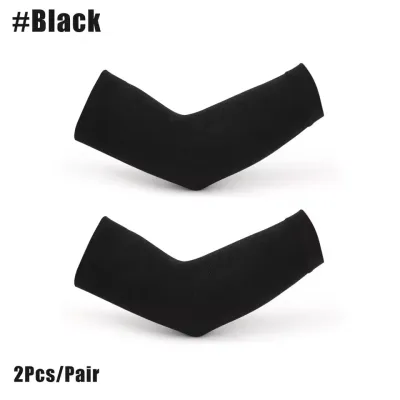
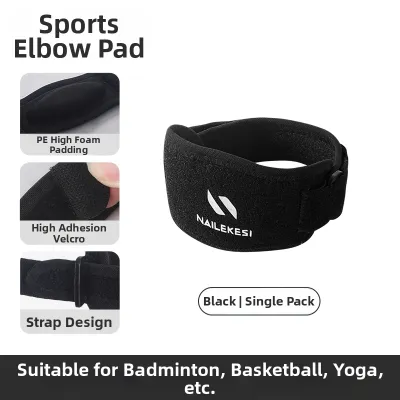
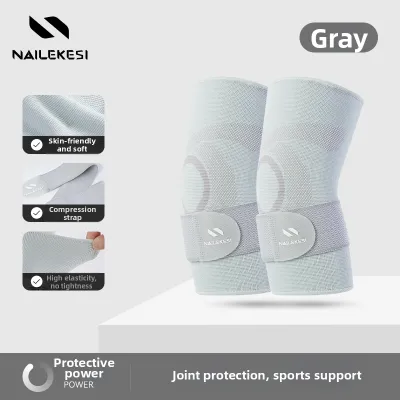
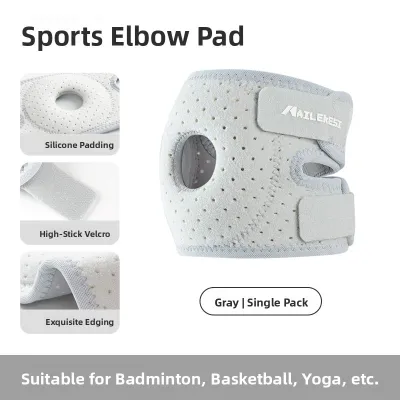
![[NEW] EBENE Bio-Ray Compression Elbow Support 1 Piece - 3 Sizes: S / M / L](https://img.lazcdn.com/g/p/578a7f01fd76296f333615fa96cdbae5.jpg_400x400q80.jpg_.webp)
Prices are valid at publication and may change. Please refer to the product page for the latest price.
While over-the-counter supports are highly effective for managing minor strains, certain red-flag symptoms demand immediate professional medical evaluation. If you experience severe swelling, visible joint deformity, an inability to bend or straighten your arm, or a distinct “locking” sensation within the joint, do not attempt to self-treat with a brace. Acute trauma from a fall or sudden impact should always be assessed by a qualified healthcare provider to rule out fractures or complete ligament tears before any support is applied.
Compression Sleeves: Mild Support and Muscle Recovery
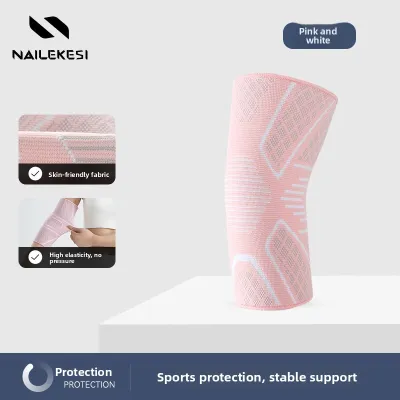
Compression sleeves are lightweight, elasticized tubes designed to slide over the arm and sit snugly across the elbow joint. Their primary function is to provide continuous, mild compression to the surrounding musculature, which helps promote local blood flow and retain body warmth. This localized heat retention is particularly beneficial in air-conditioned gyms or during cooler outdoor training sessions, keeping the muscles and tendons pliable. Additionally, the constant pressure provides valuable proprioceptive feedback, enhancing your brain’s awareness of the joint’s position and movement during exercise.

These sleeves are ideal for managing minor muscle soreness, mild swelling, or as a preventive measure during light to moderate activities. Runners, cyclists, and fitness enthusiasts often use them to maintain comfort during long training sessions where repetitive motion can lead to low-grade fatigue. Because they are typically made from breathable, moisture-wicking knit fabrics or thin neoprene, they fit easily under clothing and do not interfere with your natural range of motion.
However, it is critical to recognize the functional limitations of a compression sleeve. They do not provide targeted compression to specific tendon attachment points, meaning they offer minimal relief for active cases of tennis or golfer’s elbow. Furthermore, because they lack rigid structural components, they cannot restrict harmful joint movements, prevent hyperextension, or stabilize a structurally compromised joint. Relying on a sleeve for a moderate-to-severe ligament sprain can leave the joint vulnerable to further injury.
Tennis Elbow Straps: Targeted Tendon Relief
A tennis elbow strap, also known as a counterforce strap, is a narrow band that wraps around the forearm just below the elbow crease. Unlike a sleeve, its mechanism is highly localized, utilizing a small gel pad or foam cushion to apply direct pressure to the extensor or flexor muscle belly. This targeted pressure acts as a secondary anchor point, effectively shortening the muscle’s working length and altering the angle of tendon pull. By absorbing and redistributing the mechanical forces before they reach the sensitive tendon attachment point at the elbow, the strap significantly reduces localized strain.
This design is specifically engineered for individuals experiencing lateral epicondylitis (tennis elbow) or medial epicondylitis (golfer’s elbow). It is highly effective during activities that involve repetitive gripping, wrist extension, or forearm rotation, such as playing racquet sports, typing at a desk, or performing manual labor. Because the strap only covers a small portion of the forearm, it allows the elbow joint itself to bend and straighten completely, preserving full mobility while protecting the vulnerable tendon.
Achieving the correct placement is critical to the effectiveness of a counterforce strap. The pressure pad must sit precisely over the muscle belly, approximately two fingers’ width below the painful bony prominence on the side of your elbow. If the strap is placed directly over the joint line or on the bone itself, it will fail to relieve tendon strain and may cause localized bruising or nerve compression. Users must adjust the tension so that it feels firm and supportive during muscle contraction, without restricting blood flow when the arm is at rest.
Hinged Braces: Maximum Stability and Joint Protection
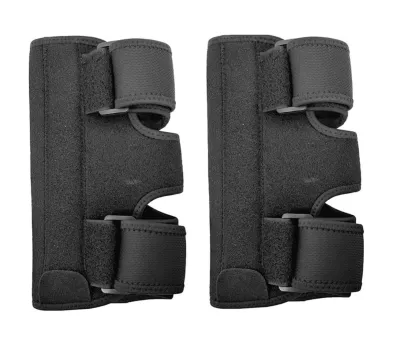
Hinged braces represent the highest level of external joint support, featuring rigid side bars made of lightweight metal or composite materials integrated with mechanical hinges. This structure is designed to align precisely with the elbow’s natural axis of rotation, allowing controlled bending and straightening while completely blocking lateral (varus or valgus) movement. Many hinged designs also include adjustable dials or stops that allow users to lock the joint at specific angles or restrict the range of motion to prevent painful hyperextension.
These braces are reserved for severe joint issues, including moderate-to-severe ligament sprains, joint instability, or post-surgical recovery phases. When a ligament is stretched or torn, the joint loses its natural structural integrity; a hinged brace acts as an external skeleton, absorbing lateral forces and protecting the healing tissues from accidental twisting or sudden impacts. They are also utilized during rehabilitation programs where gradual, controlled reintroduction of joint movement is required under clinical supervision.
The primary trade-offs of a hinged brace are its bulkiness, weight, and significant restriction of natural mobility. Because of their rigid construction, they cannot be easily worn under tight clothing and can feel cumbersome during high-velocity sports. Given the complexity of joint mechanics and the risk of muscle atrophy from prolonged immobilization, a hinged brace should generally be used under the guidance of a medical professional who can prescribe the correct range-of-motion settings and usage duration.
Decision Framework: Matching the Support to Your Needs
To simplify your selection, compare the primary characteristics of each elbow support type to match your specific physical requirements.
| Support Type | Primary Target Area | Mobility Restriction | Ideal Use Case |
|---|---|---|---|
| Compression Sleeve | Entire elbow joint & surrounding muscles | None (Full range of motion) | Mild muscle soreness, general warmth, and recovery |
| Tennis Elbow Strap | Localized forearm tendons (extensors/flexors) | Minimal (Allows full joint bending) | Tennis/golfer's elbow, repetitive gripping, typing |
| Hinged Brace | Medial/lateral ligaments & joint alignment | High (Restricts lateral movement & hyperextension) | Ligament sprains, post-surgical recovery, joint instability |
When choosing your support, apply these conditional decision rules to guide your purchase:
- Choose a compression sleeve if your primary goal is to manage general muscle fatigue, maintain joint warmth in air-conditioned or humid environments, or seek mild reassurance during low-impact sports.
- Choose a tennis elbow strap if you experience sharp, localized pain on the inner or outer side of your elbow during gripping or lifting tasks, and you require full joint mobility for your activity.
- Choose a hinged brace if you have been diagnosed with a ligament injury, experience a sensation of the joint giving way, or require strict physical limits on your elbow's range of motion.
Verify first if you experience overlapping symptoms, such as localized tendon pain accompanied by joint instability. In such cases, a hybrid support—such as a sleeve with integrated strap elements—may be appropriate, but you should consult a physical therapist to ensure you do not inadvertently mask a more serious structural issue. If your pain persists or worsens after two weeks of consistent brace use, discontinue use and seek a professional diagnosis.
Verifying Fit, Placement, and Safe Usage
An improperly fitted elbow support brace can be counterproductive, potentially restricting circulation or failing to provide the necessary stabilization. To ensure a correct fit, always measure your arm circumference at the specific points designated by the manufacturer’s sizing guide. For sleeves, this typically involves measuring around the widest part of your forearm and the mid-bicep; for straps, you will need the circumference of your upper forearm just below the elbow. Never guess your size based on clothing dimensions, as sizing standards vary significantly between brands.
Once you have the correct size, verify the placement and tension of the support before beginning any physical activity. A compression sleeve should slide on smoothly, sitting flat against the skin without bunching in the elbow crease or rolling down at the cuffs. If you are using a strap, ensure the pressure pad is aligned over the muscle belly and that you can slide one finger comfortably under the band when your muscles are relaxed. The support should feel snug and secure, but it must never pinch the skin, cause localized throbbing, or leave deep, painful indentations.
Safety must remain your primary concern when using any orthopedic support. You must immediately remove the brace and consult a qualified professional if you experience numbness, tingling, coldness in your fingers, increased pain, or skin irritation such as redness or itching. Remember that an elbow support brace is a temporary aid designed to assist your recovery or manage symptoms; it cannot replace proper physical conditioning, technique adjustments, or adequate rest.
Frequently Asked Questions (FAQ)
Can I wear an elbow support all day?
Continuous, all-day wear is generally not recommended for most elbow supports unless specifically directed by a healthcare professional. Compression sleeves can typically be worn for extended periods during active hours, provided they do not restrict circulation or cause skin irritation. However, counterforce straps and hinged braces are designed for targeted use during specific activities that trigger pain or require joint stabilization. Wearing any support continuously can lead to muscle weakness and joint stiffness over time, as the surrounding muscles rely on the brace rather than performing their natural stabilizing functions. It is best to take regular breaks, remove the support during rest or sleep, and monitor your skin for signs of moisture buildup or chafing, especially in warm, humid climates.
Does the brace go on the dominant or non-dominant arm?
Elbow supports are designed to be worn on whichever arm is experiencing symptoms or requiring protection, regardless of whether it is your dominant or non-dominant side. Most compression sleeves and tennis elbow straps are fully ambidextrous, meaning they can be worn interchangeably on either the left or right arm. However, certain specialized hinged braces or highly contoured sleeves may have asymmetrical designs tailored specifically to the anatomy of a single side. Always check the product packaging or manufacturer’s specifications before purchasing to verify if the model is side-specific or universal.
Community discussion
Share your experience or ask a question. Comments are reviewed before publication.