
Quick Answer: Which Yoga Block Material Lasts Longest?
When investing in a high-quality yoga block set, durability is rarely a single, uniform metric. The lifespan of your blocks depends heavily on how you define structural integrity versus surface wear. If your primary goal is absolute structural rigidity that resists compression over decades of daily practice, bamboo stands out as the most durable option. However, if your practice demands a balance of natural slip-resistance, moderate weight, and resilient edge durability, a high-density cork block is often the superior choice. For practitioners prioritizing impact absorption, lightweight portability, and complete moisture resistance, high-density EVA (Ethylene-Vinyl Acetate) foam offers excellent longevity, provided it is sourced from a manufacturer that uses dense, closed-cell formulations.
To select the right block for your routine, you must match the physical properties of these materials to your specific practice environment, joint health, and maintenance habits. A block that excels in a climate-controlled home studio may degrade rapidly if subjected to the high humidity of a tropical climate or the heavy-duty wear of a commercial fitness space. Understanding the structural differences between cork, EVA foam, and bamboo will help you avoid premature wear, structural failure, and unnecessary replacements.
Core Material Comparison: Cork, EVA Foam, and Bamboo
The baseline material composition of a yoga block set dictates its physical limits, weight, and response to mechanical stress. While two blocks may look identical in online product photos, their internal construction, density, and manufacturing processes determine whether they will last for years or crumble within months. High-quality manufacturers design blocks with specific density targets, using specialized binding agents and surface finishes to enhance durability.
Products mentioned in this guide
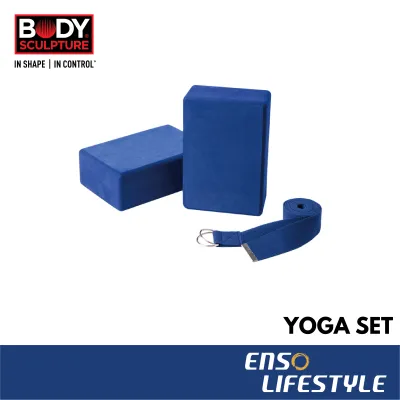
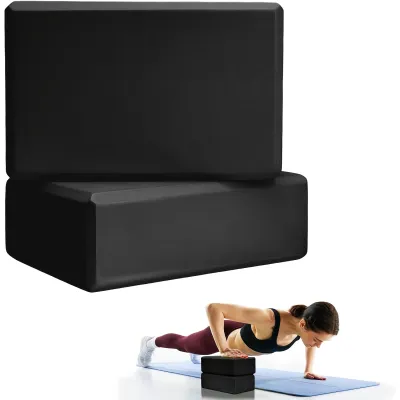
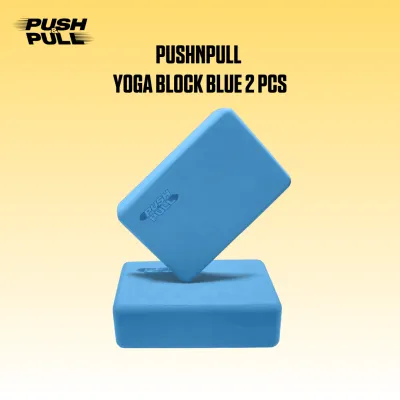
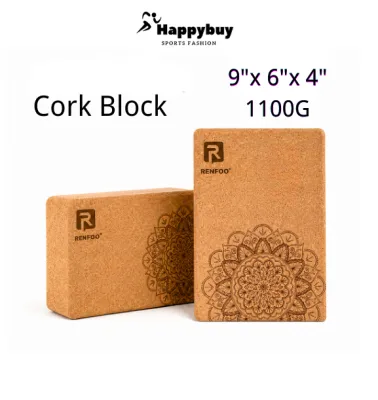
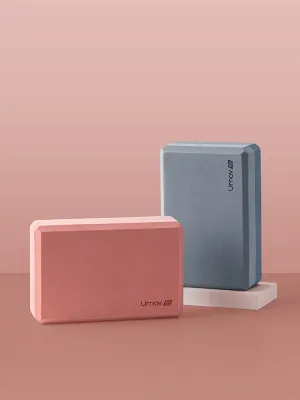
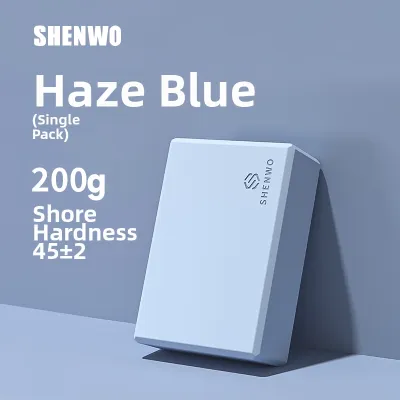
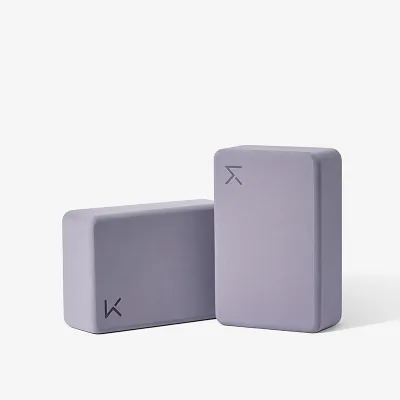
Prices are valid at publication and may change. Please refer to the product page for the latest price.

When comparing materials, it is helpful to look beyond the surface aesthetics and evaluate how each substance handles compression, moisture absorption, and abrasion. Each material has inherent vulnerabilities that can be accelerated by friction, sweat, and improper storage. By analyzing the physical properties of cork, EVA foam, and bamboo, you can make an informed decision based on the specific physical demands of your yoga practice.
Cork Yoga Blocks: Density and Natural Grip
Cork is harvested from the outer bark of the cork oak tree, making it a highly sustainable and naturally textured material. The durability of a cork block is determined almost entirely by its granule density and the quality of the binding agents used to compress the raw cork into a solid shape. High-density cork blocks feature tightly packed, fine granules that resist chipping and crumbling, even when subjected to intense pressure during advanced arm balances or deep backbends.
One of the unique performance benefits of cork is its reaction to moisture. Unlike synthetic materials that become slick when wet, cork contains a natural substance called suberin, which provides a reliable, slip-resistant grip that actually improves as you sweat. This makes cork an exceptional choice for dynamic, high-sweat practices like Ashtanga or hot yoga.
However, the natural porosity of cork introduces specific maintenance requirements. Lower-grade cork blocks with larger granules and weaker binders are highly susceptible to flaking and edge erosion, particularly when repeatedly packed into tight gear bags or dragged across abrasive mats. Additionally, because cork is semi-porous, it can absorb sweat, body oils, and environmental moisture. In humid climates, failing to wipe down and thoroughly air-dry your cork blocks can lead to deep-seated odors, structural softening, and mold growth. To preserve the integrity of a cork block, always check the manufacturer’s care instructions, and ensure the block is allowed to dry completely in a well-ventilated space away from direct sunlight.
EVA Foam Yoga Blocks: Firmness and Shock Absorption
EVA foam is a synthetic copolymer prized for its lightweight, soft texture, and excellent shock absorption. It is the most common material used in modern yoga block sets, but its durability varies dramatically depending on the foam’s density and firmness rating. High-density EVA foam blocks are manufactured with a tight, closed-cell structure that provides stable support for standing poses while remaining gentle on sensitive joints, such as the knees, elbows, and wrists.
The primary durability challenge for foam blocks is a phenomenon known as “compression set.” Over years of heavy weight-bearing use, lower-density foam blocks can permanently lose their shape, developing flat spots or indentations that compromise their stability. When a block suffers from compression set, it can tilt unexpectedly during balancing poses, increasing the risk of wrist strain or falls.
Furthermore, EVA foam is vulnerable to surface damage. Fingernails, jewelry, and rough studio floors can easily scratch, gouge, or peel the outer skin of a low-density foam block. Once the protective outer skin is punctured, the inner foam cells are exposed to dirt and friction, accelerating the breakdown of the block’s edges. To maximize the lifespan of an EVA foam block, look for manufacturers that specify a high shore hardness rating or high-density construction, and avoid dragging the blocks across rough, uncarpeted surfaces.
Bamboo Yoga Blocks: Rigidity and Edge Durability
Bamboo is a fast-growing woody grass that, when processed and laminated, offers unparalleled structural rigidity and compression resistance. A bamboo yoga block will never compress, dent, or lose its shape, regardless of the user’s weight or the intensity of the pose. This absolute stability makes bamboo highly favored by Iyengar practitioners and those who require unyielding support for alignment adjustments and advanced inversions.
While bamboo is virtually immune to compression, its long-term durability depends heavily on its outer finish and construction quality. Most bamboo blocks are hollow to reduce weight, which means their structural integrity relies on the strength of the laminated joints. If a hollow block is dropped repeatedly on hard concrete floors, or if it is subjected to extreme lateral force, the joints can split or crack.
Additionally, the protective lacquer or sealant applied to the bamboo is critical. If this finish wears off or is chipped, the underlying bamboo fibers can splinter when exposed to friction or moisture. Splinters not only ruin the block’s surface but also pose a direct safety hazard to your hands and feet. It is also important to note that bamboo is the heaviest and hardest material of the three. It is highly unforgiving if dropped on bare toes or sensitive joints, and it can scratch delicate hardwood flooring if dragged without care.
Durability Factors: What Actually Causes Wear and Tear?
A yoga block set does not exist in a vacuum; its actual operational lifespan is shaped by a combination of environmental conditions, physical handling, and the style of yoga you practice. A block that remains pristine in a dry, private home studio might degrade within a single season in a busy, high-humidity commercial gym.
By understanding the mechanical and environmental stresses that act upon your blocks, you can implement preventive care and choose a material that naturally resists the specific hazards of your practice space. Let us examine how climate and physical handling accelerate the aging process of different block materials.
Climate and Humidity Impact
Singapore’s tropical, high-humidity climate presents a challenging environment for natural yoga gear. High ambient moisture levels can slowly degrade the structural integrity of organic materials if proper storage and maintenance protocols are ignored. For laminated bamboo blocks, persistent humidity can weaken the adhesives holding the bamboo strips together, leading to warping or delamination. Similarly, cork blocks stored in damp, poorly ventilated areas can become breeding grounds for mold and mildew, which break down the natural binders and cause the cork to crumble.
In contrast, EVA foam is entirely non-porous and waterproof, making it highly resistant to humidity-induced rot or mold growth. However, this non-porous nature means that heavy sweat will not be absorbed; instead, it will pool on the surface of the block, creating a slick, slippery barrier. This can compromise your grip during active transitions, potentially leading to slips and joint hyperextension.
To mitigate climate-related wear, natural cork and bamboo blocks should never be stored in damp gear bags, car trunks, or unventilated storage closets. If you practice in a hot, humid environment or use your blocks during high-intensity hot yoga, wipe them down with a dry cloth immediately after your session. Store them in a cool, air-conditioned, or well-ventilated space where air can circulate freely around all sides of the block.
Edge Chipping and Surface Degradation
The edges and corners of a yoga block are its most vulnerable points, as they bear the brunt of the impact when a block is dropped, stacked, or adjusted quickly mid-flow. When a block is placed under uneven pressure—such as when a practitioner rests their full weight on only one edge of the block—the material experiences concentrated shear stress.
Under these conditions, low-density cork blocks are highly prone to edge chipping, where small chunks of cork break away, gradually rounding the corners and reducing the block’s flat surface area. Foam blocks, while resilient to chipping, can suffer from deep scratches, tears, or seam splitting along the edges if they are dragged across textured yoga mats or rough floors. Bamboo blocks are highly resistant to chipping but can sustain cosmetic dents and scratches, and their hard edges can easily damage softer flooring materials.
To combat edge wear, high-quality manufacturers design blocks with beveled edges. Beveling rounds off the sharp 90-degree corners, distributing mechanical stress more evenly across the surface and significantly reducing the risk of chipping, tearing, or peeling. When shopping for a block, always inspect the edges to ensure they are smoothly contoured and structurally reinforced.
Evaluating Brand Construction and Material Quality
When shopping for a durable yoga block set, looking at brand names or marketing claims is rarely enough to guarantee longevity. Instead, you should evaluate the physical properties and manufacturing details of the blocks, whether you are inspecting them in a local retail store or analyzing technical specifications online.
Use the following practical checklist to evaluate the construction quality of any yoga block before making a purchase:
- Check the Weight-to-Size Ratio: Weight is an excellent proxy for density. If you are comparing two cork blocks of the same dimensions, the heavier block almost always features a higher granule density, which translates to better compression resistance and a lower risk of crumbling. For EVA foam, a heavier block indicates a denser, closed-cell structure that will resist compression set and surface tearing over years of use.
- Inspect the Edge Finishing: Look closely at the corners and edges of the block. High-quality cork and bamboo blocks should have smooth, seamlessly beveled edges with no rough patches, loose granules, or splintered fibers. Foam blocks should have clean, heat-sealed seams with no visible gaps or peeling edges.
- Examine the Surface Uniformity: For cork, look for a tight, consistent grain with minimal gaps between the granules. Large, irregular cork chunks often indicate a lower-density, budget construction that is prone to flaking. For foam, the surface cell structure should be uniform and smooth to the touch, indicating high-quality extrusion.
- Review the Binding Agents and Sealants: Reputable brands will often specify the use of non-toxic, eco-friendly binders for cork blocks and water-based, solvent-free protective sealants for bamboo blocks. These high-quality finishes protect the underlying material from moisture and friction without emitting chemical odors.
- Analyze User Feedback for Wear Patterns: When reading online reviews, ignore initial impressions and focus on long-term usage reports. Look for specific mentions of edge chipping, seam splitting, or permanent flattening after three to six months of regular use. If multiple users report that a block began to flake or lose its shape quickly, it is likely manufactured with low-density materials or weak binders.
Decision Framework: Choosing the Right Yoga Block Set
To select the ideal yoga block set for your practice, you must balance your physical needs, practice environment, and maintenance preferences against the inherent strengths and weaknesses of each material. No single block is perfect for every yogi, so matching the material to your specific training style is key to ensuring both performance and longevity.
Use this conditional framework to guide your final decision:
- Choose Cork if: You practice dynamic, high-sweat styles like Vinyasa, Ashtanga, or Hot Yoga, where natural slip-resistance is essential. Cork is also ideal if you want a firm, stable support that is eco-friendly and biodegradable, and you are willing to perform basic maintenance, such as wiping the blocks down and storing them in a well-ventilated, dry environment to prevent mold.
- Choose EVA Foam if: You prioritize lightweight portability for travel or commuting to studios, require gentle joint cushioning for restorative or Yin yoga, and prefer a low-maintenance, waterproof surface that is easy to sanitize. It is the best choice for practitioners who want a soft, forgiving texture that will not bruise sensitive skin or scratch delicate home flooring.
- Choose Bamboo if: You require absolute, unyielding structural rigidity for advanced alignment, Iyengar yoga, or intense balancing poses where any block compression could cause instability. Bamboo is perfect for dedicated home studios with protective flooring, provided you practice in a controlled, dry environment and can handle the heavier weight of the blocks.
- Verify first if: You have pre-existing joint sensitivities, wrist pain, or balance limitations. If you experience discomfort when putting weight on your hands, a hard bamboo block may exacerbate the issue; in this case, a high-density cork or firm EVA foam block is a safer starting point. Always consult your yoga instructor or a physical therapist if you are unsure which level of support is safe for your body, and check the manufacturer's weight capacity limits before attempting advanced weight-bearing poses.
Frequently Asked Questions (FAQ)
Can I leave my cork or bamboo yoga blocks in a hot car or direct sunlight?
No, you should avoid exposing natural cork or bamboo blocks to extreme heat or prolonged direct sunlight. High temperatures and UV radiation can dry out the natural binders in cork, causing the block to become brittle, fade, and eventually crumble. For bamboo, intense heat and rapid temperature fluctuations can dry out the wood fibers, leading to warping, cracking, or splitting along the laminated seams. To preserve the structural integrity and finish of your natural blocks, always store them in a cool, dry, and shaded space.
How do I clean and sanitize an EVA foam block without degrading it?
To clean an EVA foam block safely, wipe the surface with a damp microfiber cloth and a few drops of mild dish soap or a dedicated, gentle yoga mat spray. Avoid soaking the block completely in water, and never place it in a washing machine or dryer. Do not use harsh chemical cleaners, bleach, or abrasive scrubbing pads, as these can break down the closed-cell foam structure, cause the material to lose its firmness, and degrade the outer skin, leaving it vulnerable to tearing.
Do beveled edges actually make a yoga block last longer?
Yes, beveled edges significantly extend the lifespan of a yoga block. By rounding off the sharp 90-degree corners, beveled designs eliminate the precise points where mechanical stress is most concentrated during use. This simple design feature prevents cork from chipping, keeps foam from peeling or tearing, and protects bamboo from splintering when the block is dropped or placed under heavy, uneven pressure. Additionally, beveled edges provide a much more comfortable, ergonomic grip for your hands.
Community discussion
Share your experience or ask a question. Comments are reviewed before publication.