
Quick Answer: Which Yoga Block Material Fits Your Practice?
Choosing between cork and EVA foam yoga blocks depends primarily on your yoga style, your need for structural stability versus joint cushioning, and how often you transport your gear. Both materials offer distinct physical properties that can either enhance your alignment or provide much-needed comfort during deep stretches.
To make an immediate decision, you can use this conditional framework:
- Choose Cork if you practice alignment-heavy styles like Iyengar, Hatha, or Yin yoga, require an unyielding and heavy base that will not tip over, and prefer a natural, textured surface that actually becomes grippier when your hands get sweaty.
- Choose EVA Foam if you practice fast-paced Vinyasa flows, commute frequently to local studios, need lightweight props that fit easily into a travel bag, or require soft, forgiving support under sensitive joints like the spine, knees, or sacrum.
- Neither may fit if you require highly specialized, ergonomically curved, or heated props. Before purchasing, verify whether your local Singapore yoga studio already provides high-quality blocks for public use, as this may eliminate the need to carry your own props to class.
Key Material Differences: Cork vs EVA Foam Yoga Blocks
To understand which block will better serve your practice over the long term, it is essential to examine the underlying material science. Cork and ethylene-vinyl acetate (EVA) foam behave very differently under weight, moisture, and daily wear.
Products mentioned in this guide
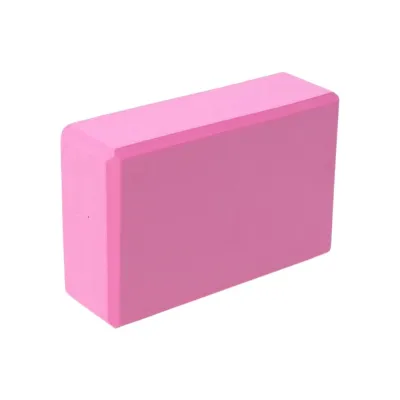
![[SG STOCK] Yoga Block Brick Rectangular Eva High Density 120 gram](https://img.lazcdn.com/g/p/15ec430f3b7931dd5cfe164aa0ece65a.jpg_400x400q80.jpg_.webp)
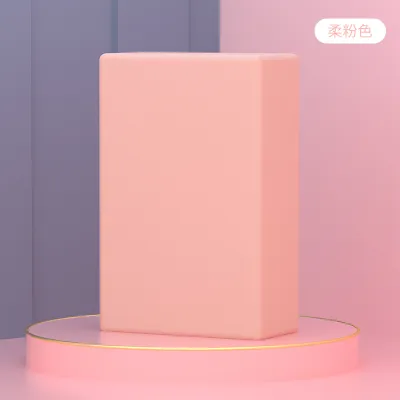
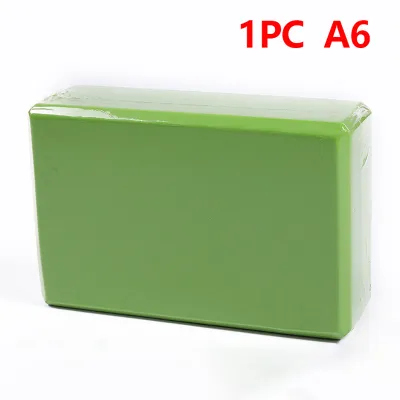
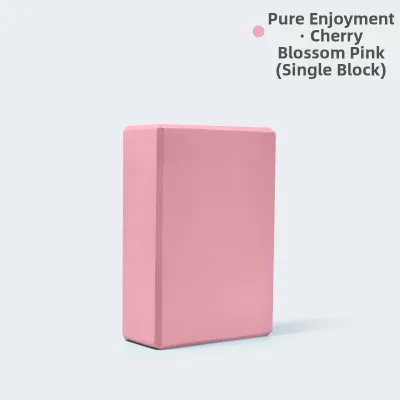
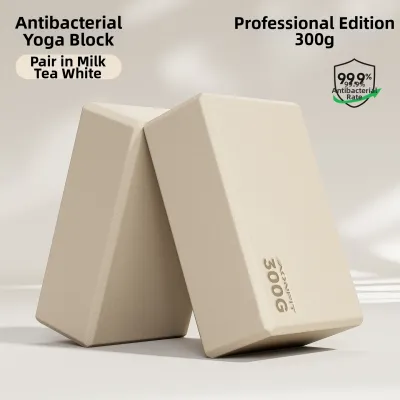
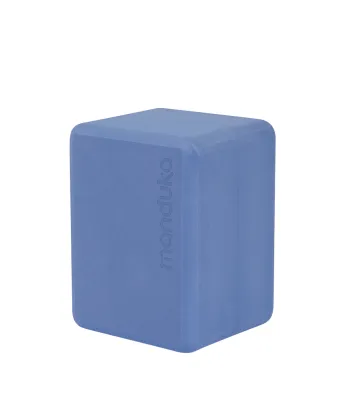
Prices are valid at publication and may change. Please refer to the product page for the latest price.

Firmness, Density, and Joint Support
Cork is a natural material harvested from the bark of the cork oak tree (Quercus suber). Its cellular structure consists of millions of microscopic, air-filled pockets sealed with a natural waxy substance called suberin. This unique composition makes cork incredibly dense and highly resistant to compression. When you place your full body weight onto a cork block during demanding balancing poses, the material compressed only minimally. This unyielding firmness provides a solid, reliable extension of the floor, preventing wrist hyperextension and helping you maintain proper joint stacking.
In contrast, EVA foam is a synthetic copolymer of ethylene and vinyl acetate. The density of EVA foam blocks can vary significantly depending on the manufacturer’s formulation, typically measured in kilograms per cubic meter (kg/m³) or assessed via the Shore C durometer hardness scale. High-quality, high-density foam blocks offer respectable structural integrity, but they will always exhibit more “give” than cork. While lower-density foam blocks are comfortably soft, they can easily buckle or compress unevenly under heavy loads. This compression can compromise your balance in standing poses, making it crucial to check product specifications for density ratings rather than assuming all foam blocks perform equally.
Grip, Texture, and Moisture Resistance
Singapore’s tropical, humid climate makes moisture management a primary concern for any yoga practitioner. Cork blocks feature a natural, micro-textured surface that is inherently hydrophobic, meaning it does not absorb large pools of liquid. However, the suberin present in cork reacts favorably to moisture; as your hands sweat, the friction between your skin and the block actually increases. This makes cork blocks exceptionally slip-resistant during sweaty Vinyasa or hot yoga sessions, providing a secure grip without the need for additional accessories.
EVA foam blocks feature a closed-cell structure, which makes them completely waterproof and easy to wipe clean. However, because moisture cannot penetrate the surface, sweat tends to pool on top of the block. In a humid environment, this pooling can turn a smooth or lightly textured foam block into a slippery surface, increasing the risk of your hands sliding out of position. If you opt for EVA foam and tend to sweat during practice, you may need to drape a microfiber yoga towel over the block to maintain adequate traction. When shopping, look for foam blocks with embossed or cross-hatched surface textures, and test the tactile grip in-person whenever possible.
Weight, Portability, and Durability
The physical weight of your props directly influences how practical they are for your lifestyle. A standard-sized cork block typically weighs between 700 and 1,000 grams. This substantial weight is a major advantage for home practices where the block remains stationary, as it anchors the prop to your mat. However, carrying two cork blocks in a tote bag while commuting on the MRT or bus can quickly become physically tiring.
EVA foam blocks are incredibly lightweight, usually weighing between 150 and 300 grams. This featherlight quality makes them the undisputed choice for yogis on the move. However, this portability comes with a trade-off in long-term durability. While EVA foam is flexible and will not crack if dropped, it is highly susceptible to superficial damage. Over time, foam blocks can accumulate fingernail scratches, dents from storage, and permanent compression marks. Cork blocks, while prone to minor chipping around the edges if dropped onto hard condo balcony tiles or concrete floors, will retain their overall shape, density, and structural integrity for many years without warping.
Aligning Material Properties with Your Yoga Style
Your choice of yoga block should directly complement the specific physical demands of your preferred yoga style. Matching the material’s mechanical properties to your movement patterns ensures both safety and comfort.
When to Choose Cork for Stability and Alignment
Alignment-focused practices like Iyengar and Hatha yoga place a heavy emphasis on precision, structural integrity, and holding poses for extended periods. In these disciplines, the block acts as a crucial foundation. For example, in Half Moon Pose (Ardha Chandrasana), you place a significant portion of your body weight onto one hand resting on the block. A heavy cork block provides an unyielding, stable base that resists tipping, allowing you to focus on rotating your torso and aligning your hips without fear of the prop sliding away.
Furthermore, the weight of a cork block is highly beneficial when using it as a spacer between your thighs or shins in poses like Mountain Pose (Tadasana) or Bridge Pose (Setu Bandha Sarvangasana). The physical feedback of a heavier block helps engage the adductor muscles of the inner thighs more effectively. The natural, earthy texture of cork also provides superior proprioceptive feedback to your nervous system, helping you feel more grounded and connected to the floor during meditative or slow-paced practices.
When to Choose EVA Foam for Cushioning and Travel
For dynamic, fast-paced styles like Vinyasa Flow or Ashtanga, lightweight props are highly advantageous. During these practices, you often need to quickly reposition your blocks between transitions, such as moving them from the front of your mat to the back, or lifting them during jump-throughs. Handling a heavy cork block at high speeds can disrupt your flow and increase the risk of stubbing a toe or dropping the block mid-sequence. EVA foam blocks can be repositioned effortlessly with a single hand, keeping your transitions seamless.
Additionally, restorative and Yin yoga practices involve holding passive stretches for five to ten minutes, often with the block placed directly under bony prominences. Placing a hard cork block under your sacrum in Supported Bridge Pose or under your thoracic spine in Supported Fish Pose (Matsyasana) can compress nerves and cause bruising or discomfort. The soft, yielding nature of EVA foam provides the perfect amount of cushioning for these sensitive areas, allowing your muscles to fully relax into the pose. For commuters navigating Singapore’s bustling transport network, the ability to toss two foam blocks into a backpack without adding noticeable weight makes daily travel to the studio highly manageable.
How to Evaluate Yoga Block Brands and Quality
Not all yoga blocks are manufactured to the same standards. To ensure you invest in a safe, durable, and environmentally responsible product, you must look beyond brand names and closely evaluate material certifications and physical construction.
Verifying Material Sourcing and Eco-Claims
Because cork is a natural material, it is often marketed as highly sustainable. However, you should verify these claims by looking for the Forest Stewardship Council (FSC) certification. This certification ensures that the cork was harvested from responsibly managed forests that preserve biodiversity and support local communities. Additionally, inspect whether the manufacturer uses non-toxic, food-grade binders or polyurethane glues to hold the cork granules together, as cheap binders can off-gas volatile organic compounds (VOCs) or cause the block to degrade prematurely.
For EVA foam blocks, environmental considerations are more complex since the material is petroleum-derived. To ensure your safety, look for independent certifications such as OEKO-TEX Standard 100, RoHS, or REACH compliance. These certifications guarantee that the foam is free from harmful chemical additives, including formamide, phthalates, heavy metals, and toxic plasticizers. Some progressive brands now offer eco-conscious alternatives, such as closed-cell EVA foam made from recycled materials or bio-based EVA derived from sugarcane. Avoid products that rely on vague, unverified marketing terms like “eco-friendly” or “green foam” without displaying third-party certification logos.
Inspecting Build Quality and Edge Finishing
The physical design details of a yoga block can make a significant difference in your comfort during weight-bearing poses. When evaluating blocks, pay close attention to the following physical attributes:
- Beveled Edges: Ensure the block features generous, rounded, or beveled edges. A sharp, 90-degree corner will dig painfully into your palms, wrists, or back when you apply pressure, whereas a beveled edge distributes your body weight more evenly.
- Dimension Uniformity: Check that the block is perfectly rectangular and sits completely flat on a hard surface. Standard block dimensions are typically 9 x 6 x 4 inches (approximately 23 x 15 x 10 centimeters). Any warping or unevenness in molding will cause the block to wobble, compromising your safety during balancing poses.
- Surface Finish: For cork blocks, run your hand over the surface to ensure it has been finely sanded to a smooth, non-abrasive finish that will not irritate your skin. For foam blocks, inspect the surface for a consistent, high-density feel with no soft spots, air bubbles, or uneven seams from the molding process.
Quick Comparison: Cork vs EVA Foam Yoga Blocks
This table summarizes the core differences between the two materials to help you quickly weigh your priorities:
| Feature | Cork Yoga Blocks | EVA Foam Yoga Blocks |
|---|---|---|
| Average Weight | Heavy (approx. 700g – 1kg) | Very Lightweight (approx. 150g – 300g) |
| Firmness & Support | Extremely high; unyielding under heavy loads | Moderate to high; offers cushioning and slight give |
| Grip (Dry) | Excellent, natural texture | Good, but can feel slick if completely smooth |
| Grip (Sweaty) | Superior; traction increases with moisture | Slippery; often requires a yoga towel |
| Durability | Highly durable; resists compression; may chip | Moderate; prone to scratches, dents, and compression |
| Portability | Low; heavy to carry during commutes | High; ideal for travel and daily commuting |
| Best Suited For | Iyengar, Hatha, Yin, and home practices | Vinyasa, Restorative, travel, and sensitive joints |
Care and Maintenance for Longevity
Proper maintenance is essential to prevent hygiene issues and extend the lifespan of your yoga blocks, especially in Singapore’s humid environment which can encourage the growth of mold and mildew.
To clean EVA foam blocks, wipe them down after each practice with a soft cloth dampened with water and a drop of mild dish soap. Wipe away any soapy residue with a clean, damp cloth, and allow them to air dry completely. Because EVA foam is non-porous, it dries quickly and is highly resistant to bacteria buildup.
Cleaning cork blocks requires a gentler touch. Cork is naturally antimicrobial, which helps resist mold, but it still accumulates dirt and body oils over time. Wipe the surface with a very lightly damp cloth. Avoid soaking cork blocks in water or placing them under running taps, as excessive moisture can degrade the natural binders holding the cork granules together, causing the block to crumble. Never use harsh chemical cleaners, bleach, or abrasive scrubs on either material.
For both cork and foam blocks, store them in a cool, dry, and well-ventilated space away from direct, prolonged sunlight. Continuous exposure to UV rays can dry out cork, making it brittle, and can cause EVA foam to warp, discolor, or lose its structural elasticity.
Final Verdict: Make Your Choice
There is no single “best” yoga block material; the ideal choice depends entirely on your personal practice goals and physical needs. If your priority is rock-solid stability, precise alignment, and a natural feel for a home-based Hatha or Iyengar practice, investing in a pair of high-quality cork blocks is the logical decision. If you prioritize joint cushioning during restorative poses, dynamic movement transitions, and lightweight portability for your daily commute to a studio, EVA foam blocks will serve you far better.
To make your final decision, take a moment to assess your current practice gaps. If you frequently find yourself wobbling or losing balance in standing poses, you likely need the heavy stability of cork. If you experience discomfort or bruising in your spine or hips during seated postures, the soft cushioning of EVA foam is the remedy. If possible, visit a local sports equipment store or ask to borrow different blocks at your local studio to physically test the weight, grip, and edge comfort of both materials before making your purchase.
Community discussion
Share your experience or ask a question. Comments are reviewed before publication.