
Quick Answer: Which Pilates Block Material is Right for You?
When selecting a pilates block, the ideal material depends on your specific physical needs, practice environment, and workout style. High-density foam blocks offer lightweight cushioning and exceptional portability, making them perfect for beginners or those who frequently commute to studios. Natural cork blocks provide a balanced mid-ground, offering robust stability, an excellent grip that improves with moisture, and eco-friendly durability. Bamboo blocks represent the most rigid and durable option, delivering unyielding support for advanced weight-bearing movements, though they lack cushioning and are significantly heavier.
Because no single material excels in every scenario, your choice should align with your joint sensitivity, budget, and whether you practice at home or on the go. Practitioners who require gentle joint support will find foam more forgiving, while those focusing on precise alignment and wrist stability often prefer the solid foundation of cork or bamboo.
Core Comparison Dimensions: What Matters in a Pilates Block?
To choose the right pilates block, you must evaluate how different materials perform under pressure, contact, and moisture. Unlike yoga, where blocks primarily assist with reaching the floor, Pilates often utilizes blocks as tools for resistance, alignment correction, and deep core engagement. Understanding these core dimensions helps you select a block that enhances your form without causing discomfort or instability.
Products mentioned in this guide
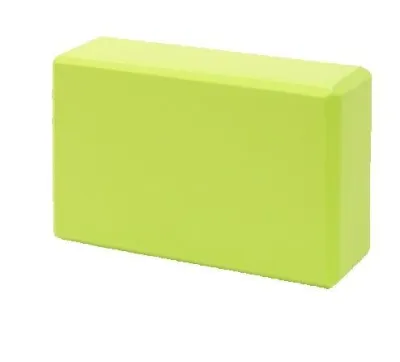
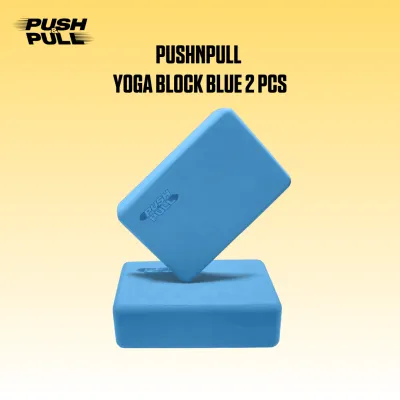
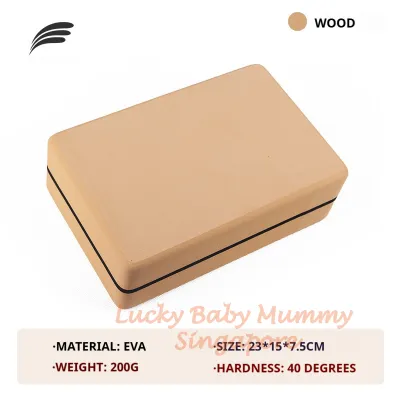
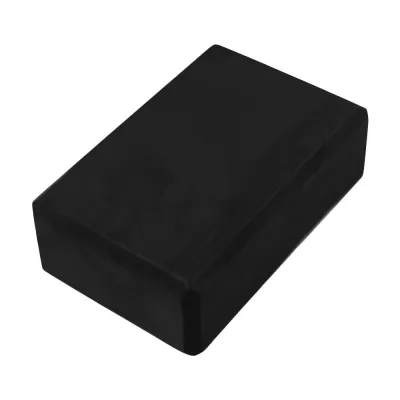
![[SG STOCK] Yoga Block Brick Rectangular Eva High Density 120 gram](https://img.lazcdn.com/g/p/15ec430f3b7931dd5cfe164aa0ece65a.jpg_400x400q80.jpg_.webp)
Prices are valid at publication and may change. Please refer to the product page for the latest price.

Stability and Support
Firm support is crucial for Pilates, especially during weight-bearing exercises and precise alignment work. When you place your full weight on a block—such as during modified planks, push-ups, or pelvic lifts—the block must maintain its structural integrity to keep your joints properly aligned.
Bamboo blocks offer absolute rigidity, meaning they will not compress even under maximum body weight, ensuring a completely stable foundation. Cork blocks are highly dense and offer a solid feel with only a microscopic amount of give, making them exceptionally stable for balancing exercises. Foam blocks, while dense, are inherently compressible; under high pressure, they can yield or tilt slightly, which may challenge your balance or alter your joint angles during precise movements.
Comfort and Joint Protection
Your comfort during a workout directly affects your ability to maintain proper form and hold positions. Pilates frequently requires placing the block under sensitive areas of the body, such as the sacrum, head, thoracic spine, or palms.
Foam blocks excel in joint protection, offering a soft, cushioned surface that minimizes pressure on bony prominences and sensitive wrists. Cork blocks provide a firm yet natural texture that has a slight, forgiving yield, making them comfortable for most practitioners once they adapt to the density. Bamboo blocks are completely hard and unyielding; placing your spine or head directly onto a bamboo block can cause discomfort, meaning you may need to drape a folded towel over the block to provide necessary padding.
Grip and Moisture Management
Slipping during an exercise can disrupt your flow and lead to muscle strain. In warm, humid climates, managing sweat and humidity is essential for maintaining a safe grip on your equipment.
Cork is naturally slip-resistant due to suberin, a waxy substance inherent in the wood that actually becomes grippier when exposed to moisture or sweat. Foam blocks can become slippery when wet, as sweat tends to pool on the closed-cell surface rather than absorbing, which can cause your hands or feet to slide during dynamic movements. Bamboo blocks feature a smooth, polished surface that feels pleasant but can become slick when wet; they generally require a textured finish or must be paired with a high-grip mat to prevent sliding.
Weight and Portability
If you regularly attend classes outside your home, the physical weight of your gear is a major practical consideration. Carrying heavy equipment during a daily commute can quickly become a hassle.
Foam is by far the lightest material, typically weighing under 150 grams, making it effortless to toss into a backpack or tote bag. Cork is significantly heavier, often weighing between 500 grams and 1 kilogram depending on its density, which adds noticeable weight to your gear. Bamboo is the heaviest option, often exceeding 1 kilogram per block, making it best suited for stationary home setups rather than daily travel.
Material Breakdown: Foam, Cork, and Bamboo
Foam Pilates Blocks
Foam pilates blocks are typically constructed from high-density EVA (Ethylene-Vinyl Acetate) foam, a synthetic material known for its lightweight and resilient properties. These blocks are highly popular in commercial studios and home gyms alike due to their versatility and low cost. They provide a soft, tactile surface that is gentle on skin and joints, making them an excellent entry-point accessory for those new to the practice.
The primary advantage of foam is its superior cushioning, which absorbs impact and reduces pressure on the wrists, knees, and tailbone. This makes foam blocks highly effective for restorative exercises or gentle spinal support. Additionally, they are virtually impervious to damage if dropped, and their feather-light weight makes them incredibly easy to transport.
However, foam blocks have notable long-term drawbacks. Over time and under repeated heavy loads, foam can compress permanently, losing its flat shape and compromising stability. The material can also develop permanent indentations from fingernails or storage straps. Furthermore, cheap or low-quality foam can absorb body oils and sweat over time, leading to odor retention if not cleaned thoroughly after every session.
Cork Pilates Blocks
Cork pilates blocks are manufactured from the harvested bark of cork oak trees, making them a natural, renewable, and biodegradable choice. They offer a distinct tactile experience, combining a solid, grounding weight with a slightly textured, matte surface. For intermediate and advanced practitioners, cork is often considered the gold standard for balancing stability and comfort.
The standout feature of cork is its natural grip. Unlike synthetic materials that become slick under wet conditions, cork maintains its traction even when your hands are sweaty. It is also naturally antimicrobial and hypoallergenic, resisting the growth of mold, bacteria, and odors—a significant benefit for those practicing in humid environments. The weight of cork provides a reassuringly solid anchor that will not slide or tip easily during complex transitions.
On the downside, cork blocks are heavier and bulkier to carry than foam. They are also susceptible to physical wear over time; if dropped repeatedly on hard surfaces or packed tightly against sharp objects, the edges and corners of a cork block can begin to chip or crumble. While they are highly durable under normal use, they require gentler handling than synthetic alternatives.
Bamboo Pilates Blocks
Bamboo pilates blocks are crafted from compressed bamboo grass fibers, resulting in an incredibly dense, solid structure. Bamboo is a highly sustainable material that grows rapidly, making these blocks an environmentally friendly alternative to hardwoods. With their clean lines and natural grain patterns, bamboo blocks offer a premium, minimalist aesthetic that complements any modern home studio.
The primary benefit of bamboo is its absolute rigidity and structural strength. It does not compress, warp, or bend under any amount of human body weight, providing a level of stability that foam and cork cannot match. This makes bamboo blocks exceptional for advanced practitioners who perform high-intensity weight-bearing exercises, handstands, or deep alignment adjustments where a completely flat, solid surface is required. They are also incredibly durable, virtually lasting a lifetime if properly maintained.
However, bamboo blocks offer zero shock absorption or cushioning. This hardness can make them uncomfortable when placed directly under bony areas of the body, such as the pelvis or shoulder blades, without additional padding. They are also heavy and cold to the touch initially, and you must ensure the manufacturer has sanded the edges perfectly smooth to prevent splinters or damage to your exercise mat.
Side-by-Side Material Comparison
| Material | Firmness/Density | Grip (Dry vs. Sweaty) | Relative Weight | Best For |
|---|---|---|---|---|
| Foam | Low to Moderate | Fair (Dry) / Slippery (Sweaty) | Very Lightweight | Beginners, joint cushioning, and studio commutes |
| Cork | High | Good (Dry) / Excellent (Sweaty) | Moderate to Heavy | Intermediate/advanced practice, sweaty hands, and eco-conscious users |
| Bamboo | Extremely High | Moderate (Dry) / Slippery (Sweaty) | Heavy | Advanced weight-bearing, maximum durability, and home studios |
Price, Durability, and Maintenance in Humid Climates
Price Tiers
Pilates blocks vary in price based on material sourcing and manufacturing complexity. Foam blocks are highly budget-friendly, typically retailing between S$10 and S$25, making them an accessible option for beginners. Cork blocks occupy the mid-range tier, generally priced between S$25 and S$50 due to the natural harvesting process of cork bark. Bamboo blocks sit in the premium price bracket, often ranging from S$40 to S$80 or more, reflecting their long-term durability and aesthetic appeal. You can check local sports and wellness retailers in Singapore for current pricing in SGD.
Durability and Lifespan
When it comes to longevity, bamboo is the clear winner, as it is virtually indestructible under normal indoor conditions and will not degrade over time. Cork blocks offer excellent durability but can experience minor chipping along the edges after years of use. Foam blocks have the shortest lifespan; they are prone to scratching, denting, and losing their structural firmness after a few years of consistent, heavy use.
Maintenance in Humid Climates
Singapore’s high humidity requires careful maintenance of natural materials to prevent mold and mildew growth.
- Foam: Clean foam blocks by wiping them down with a soft cloth dipped in a mild soap and warm water solution. Dry them thoroughly with a clean towel before storing.
- Cork: Never submerge cork in water or expose it to harsh chemical cleaners. Wipe the surface with a damp cloth and a drop of mild, non-toxic soap if necessary. Always allow the block to air dry completely in a well-ventilated, shaded area before storing it away.
- Bamboo: Wipe bamboo blocks with a damp microfiber cloth to remove dust and sweat. Avoid soaking the wood or using abrasive scrubbers that could scratch the protective sealant. Store them in a dry, ventilated space, keeping them out of direct, prolonged sunlight to prevent the wood from cracking or warping.
Final Decision Framework: Match the Block to Your Practice
Choose Foam if:
- You suffer from sensitive joints, wrist pain, or require extra cushioning under your spine and tailbone.
- You frequently travel or commute to local studios and need a feather-light block that won't weigh down your gym bag.
- You are new to Pilates and want an affordable, low-risk entry into using props.
- You primarily use blocks for restorative poses, gentle stretching, or head support.
Choose Cork if:
- You want a versatile, eco-friendly block that offers a balanced combination of firm support and subtle comfort.
- Your hands and feet tend to sweat during workouts, and you require a reliable grip that won't slip.
- You practice regularly and want a durable, natural prop that resists odors and bacteria.
- You want a stable base for standing balances and alignment corrections without the weight of bamboo.
Choose Bamboo if:
- You require absolute rigidity and zero compression for advanced weight-bearing movements and strength training.
- You want a highly durable, premium prop that will last indefinitely and look elegant in your home studio.
- You primarily practice at home and do not need to carry your blocks during a daily commute.
- You do not mind using a towel or mat as extra padding when placing the block under sensitive joints.
Verify first if:
- You attend a specific Pilates studio that has strict rules regarding outside equipment or requires specific block dimensions.
- You have known allergies to synthetic materials, latex, or specific wood finishes.
- You need a block that fits precisely within the frame or shoulder rests of a specialized Pilates Reformer or Cadillac apparatus.
Frequently Asked Questions (FAQ)
Can I use standard yoga blocks for Pilates?
Yes, you can use standard yoga blocks for basic Pilates exercises, such as elevating your hips during seated work or supporting your head. However, Pilates often involves more dynamic weight-bearing movements and precise alignment adjustments than standard yoga.
Because of this, standard soft yoga blocks may compress too much under your body weight, which can compromise your balance and strain your wrists or spine. If you choose to use a yoga block for Pilates, ensure it is made of a high-density material—such as dense cork or firm, high-quality foam—to provide the structural support necessary for safe execution.
How should I clean and store cork or bamboo blocks?
To clean natural cork or bamboo blocks, wipe them down after each session with a slightly damp microfiber cloth and a mild, non-toxic soap solution. Avoid using harsh chemical disinfectants, bleach, or abrasive scrubbers, as these can strip the natural protective oils from cork or damage the sealant on bamboo.
After wiping, always allow the blocks to air dry completely in a well-ventilated, shaded indoor area before putting them away. To prevent cracking, warping, or fading, store your natural wood and cork blocks in a dry place out of direct, prolonged sunlight and away from damp, unventilated cupboards.
Community discussion
Share your experience or ask a question. Comments are reviewed before publication.