
Choosing the right yoga block is a highly personal decision that directly impacts your stability, alignment, and comfort on the mat. When deciding between a cork block and a foam block, there is no universal winner that suits every practitioner. The ideal choice depends on your specific practice style, the environments where you flow, and your physical needs.
A cork block excels in providing a high-density, rock-solid foundation, outstanding natural grip under wet conditions, and excellent environmental sustainability. These characteristics make it a favorite for hot yoga, vigorous vinyasa, and advanced balancing postures where stability is non-negotiable.
Conversely, a foam block prioritizes lightweight portability, cushioning softness, and affordability. It is highly suited for beginners who need a forgiving surface, practitioners focused on restorative or yin yoga, and those who frequently commute with their props. By evaluating how these material properties align with your routine, you can select the prop that best supports your wellness journey.
Products mentioned in this guide
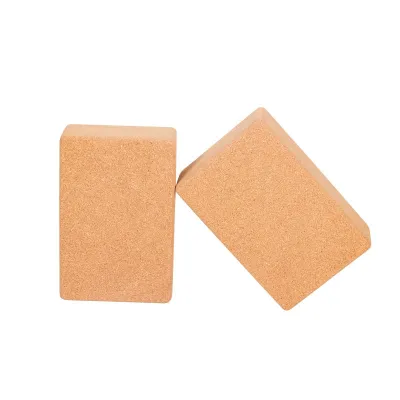
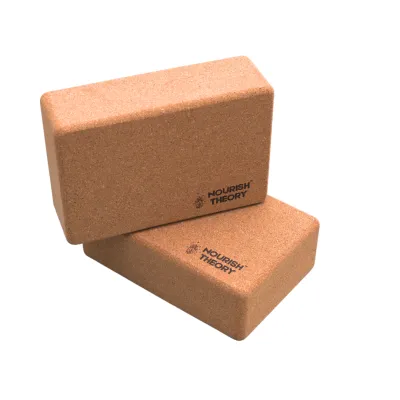
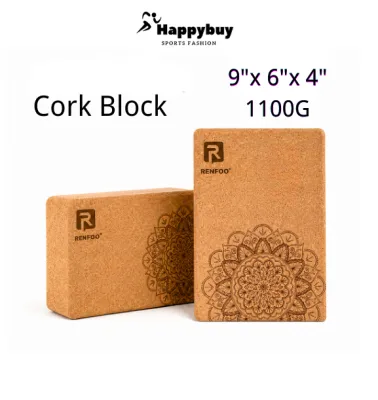
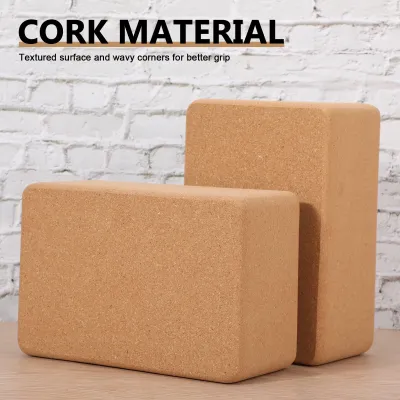

Prices are valid at publication and may change. Please refer to the product page for the latest price.
Grip and Sweat Resistance: How a Cork Block Performs in Hot Yoga
In a humid tropical climate like Singapore’s, managing moisture on the mat is a constant challenge for yogis. Whether practicing in an outdoor park or a heated indoor studio, sweat can rapidly turn a stable pose into a slipping hazard. A cork block offers a distinct advantage in these conditions due to the cellular structure of natural cork. The material contains suberin, a waxy substance that prevents water penetration while maintaining a high coefficient of friction. As your hands sweat, the moisture actually increases the surface traction of the block, creating a secure grip that prevents unexpected slips during demanding sequences.
Standard ethylene-vinyl acetate (EVA) foam blocks perform very differently when exposed to moisture. Because foam is non-porous and synthetic, sweat pools on the surface rather than being dispersed or absorbed. This creates a slick layer that can cause your hands or feet to slide during weight-bearing postures like downward-facing dog or half-moon pose. To maintain safety and stability on a foam block during a sweaty session, practitioners often must drape a specialized yoga towel over the block, adding an extra step to their setup.
For those who regularly attend hot yoga, Bikram, or fast-paced power vinyasa classes, this difference in moisture management is critical. A slippery block compromises your alignment and increases the risk of joint strain or muscle pulls. Investing in a cork block provides peace of mind, allowing you to focus on your breath and posture rather than worrying about your hands sliding off the edge of your prop.
Density and Support: Stability for Weight-Bearing Poses
The primary function of a yoga block is to bring the floor closer to you, helping you maintain proper alignment when flexibility is limited. To do this effectively during weight-bearing poses, the block must offer reliable structural integrity. Cork blocks are highly dense and rigid, meaning they do not compress or deform under the weight of your body. This solid construction is essential when executing advanced arm balances, deep lunges, or inversions where a wobbly foundation could lead to a fall.

Foam blocks, by contrast, are engineered to be soft and pliable. While this makes them comfortable to sit on, it can be a disadvantage when you need to transfer significant body weight onto the prop. Under heavy loads, a foam block can compress unevenly, causing your wrist or ankle to bend at an awkward angle. This lack of stability can make balancing poses feel more tentative and may hinder your ability to build confidence in challenging postures.
However, the compressibility of foam is not always a drawback. In gentle stretching or passive floor poses, a slightly yielding surface can be highly beneficial, allowing your body to sink into the support without feeling blocked by a hard barrier. For active, alignment-focused styles like Iyengar or power yoga, the unyielding density of a cork block remains the gold standard, ensuring that your foundation remains perfectly level and secure throughout your practice.
Durability and Lifespan: Resistance to Wear and Indentation
When investing in yoga gear, durability is a key factor in determining long-term value. Cork blocks are renowned for their exceptional longevity and resistance to physical wear. Because cork is harvested from the bark of mature trees, it possesses a natural resilience that allows it to withstand heavy compression without retaining permanent indentations. Even after years of supporting full body weight, a high-quality cork block will retain its shape, flat surfaces, and sharp, supportive edges.
Foam blocks are far more susceptible to the visible signs of aging and wear. Over time, the soft synthetic material can easily scratch, chip, or suffer punctures from fingernails or jewelry. Additionally, foam blocks can develop permanent dents in areas where concentrated pressure is repeatedly applied, such as under the sit bones or heels. This degradation not only affects the aesthetic appeal of the block but can also compromise its structural flatness, making it less stable over time.
To maximize the lifespan of both materials, basic care and environmental awareness are essential. While cork is naturally resistant to mold and rot, keeping both cork and foam blocks out of direct, prolonged sunlight is crucial to prevent premature degradation. UV exposure can dry out cork, leading to flaking or cracking, while it can cause foam to become brittle and lose its rebound capacity. Storing your blocks in a cool, dry place inside your home ensures they remain in peak condition for years to come.
Weight, Portability, and Tactile Comfort
The physical weight of your yoga props plays a major role in how practical they are for your lifestyle. Cork blocks are substantially heavier than their foam counterparts, typically weighing between 500 grams and 1 kilogram depending on their size and density. If you are commuting via public transit to a studio in Singapore’s downtown core, carrying two heavy cork blocks in your gear bag can add significant physical strain to your daily journey, making them less ideal for mobile yogis.
Foam blocks are incredibly lightweight, often weighing less than 150 grams. This featherweight quality makes them exceptionally portable and easy to toss into a backpack or travel suitcase without a second thought. For practitioners who enjoy traveling, practicing outdoors, or simply want to keep their commute as effortless as possible, the portability of foam is a compelling benefit that often outweighs other material considerations.
Tactile comfort is another area where these two materials diverge sharply. Foam blocks feature soft, rounded edges and a smooth texture that feels gentle against sensitive areas of the body, such as the spine, sacrum, or ribs during restorative postures. Cork, while smooth to the touch, has a firm, unyielding surface and hard edges that can press uncomfortably into bony areas. If you are using a cork block for passive chest openers or supported bridge poses, you may need to place a folded yoga blanket or towel over the block to cushion the contact points.
Sustainability and Environmental Footprint
As environmental awareness grows within the global wellness community, the ecological footprint of yoga gear has become a primary consideration for many practitioners. Cork is widely regarded as one of the most sustainable materials available for fitness equipment. It is harvested by carefully stripping the outer bark of the cork oak tree, a process that does not harm the tree and allows it to regenerate its bark over a nine-year cycle. This harvesting process actually increases the tree’s carbon absorption, making cork production a highly eco-friendly industry that supports biodiversity in Mediterranean forests.
In contrast, traditional foam blocks are manufactured using ethylene-vinyl acetate (EVA), a petroleum-based synthetic plastic. The production of EVA foam is energy-intensive and relies on non-renewable fossil fuels, contributing to carbon emissions. Furthermore, at the end of its useful life, a standard foam block is difficult to recycle and does not biodegrade, meaning it will likely persist in a landfill for centuries, contributing to long-term plastic pollution.
Fortunately, the fitness industry is evolving, and some brands now offer recycled or bio-based foam alternatives that aim to reduce this environmental impact. When shopping for foam blocks, look for products that carry certifications such as OEKO-TEX or are explicitly labeled as being made from recycled materials. However, if minimizing your environmental footprint is a top priority, a natural, biodegradable cork block remains the most ecologically sound choice for your practice.
Price and Value: Evaluating the Investment
When comparing the financial aspect of your purchase, cork blocks generally command a higher upfront price than standard foam options. In Singapore, a basic foam block can often be purchased for as little as S$5 to S$15, making it an accessible entry point for those who are new to yoga or practicing on a strict budget. A high-quality cork block typically ranges from S$15 to S$40 or more, representing a larger initial investment.
To make an informed decision, it is helpful to frame this cost difference around long-term value and cost-per-use rather than just the initial price tag. Because cork blocks are highly durable and resistant to wear, a single cork block can easily outlast several foam blocks. If you practice regularly, the higher upfront cost of cork is quickly offset by its extended lifespan, making it a more economical choice over several years of continuous use.
When preparing to buy, it is wise to check current retail prices and bundle deals on local online marketplaces or specialty yoga boutiques. Many retailers offer discounts when purchasing blocks in pairs, which is highly recommended since many poses require two blocks for symmetrical support. By evaluating your commitment level and budget, you can decide whether to opt for the immediate savings of foam or the long-term value of cork.
How to Choose: Decision Framework for Your Practice
To help you decide which material is best suited for your personal yoga journey, use this conditional framework to guide your choice.
Choose Cork if:
- You primarily practice hot yoga, power vinyasa, or other vigorous, sweat-inducing styles where maximum grip is essential for safety.
- You require a rock-solid, non-compressible foundation to support advanced balancing poses, arm balances, or inversions.
- You prioritize natural, sustainable, and biodegradable materials in your lifestyle products.
- You primarily practice at home or do not mind carrying heavier props to your local studio.
Choose Foam if:
- You are a beginner who needs a gentle, forgiving support as you develop your flexibility and strength.
- Your practice consists mainly of restorative yoga, yin yoga, or gentle stretching where comfort against the joints and spine is paramount.
- You travel frequently or commute long distances and need lightweight, highly portable gear.
- You are working within a limited budget and want an affordable entry-point prop.
Consider a Hybrid Approach if:
- You want to experience the benefits of both materials. Many practitioners find value in owning one of each: using a dense cork block to provide unwavering stability during standing and balancing poses, and a soft foam block to cushion the body during restorative floor work and deep, passive stretches.
Frequently Asked Questions (FAQ)
Can I use cork yoga blocks for restorative yoga?
Yes, you can certainly use cork yoga blocks for restorative yoga, but you may need to make minor adjustments to ensure comfort. Because cork is dense and unyielding, its hard edges and firm surface can press uncomfortably into sensitive bony areas like the sacrum, spine, or shoulder blades during long, passive holds. To enjoy the stability of cork without the discomfort, simply drape a folded yoga blanket or a thick towel over the block to provide a soft, cushioned barrier. If your practice is exclusively focused on restorative or yin styles, a foam block or a dedicated yoga bolster will offer a more naturally comfortable experience without the need for extra padding.
How do I safely clean and maintain cork yoga blocks?
To safely clean and maintain your cork yoga blocks, always prioritize gentle, non-abrasive methods to protect the natural fibers. Start by wiping the surface of the block with a soft cloth dampened with water and a few drops of mild, natural soap. Avoid soaking the blocks in water, placing them under a running tap, or using harsh chemical cleaners, as excessive moisture and chemicals can break down the natural organic binders holding the cork together. After wiping them down, allow the blocks to air-dry completely in a well-ventilated indoor area away from direct sunlight before storing them. This simple routine prevents mold growth and ensures your blocks remain clean, hygienic, and structurally sound for your next practice.
Community discussion
Share your experience or ask a question. Comments are reviewed before publication.