
Quick Answer: Assessing Crossing vs. Competitor Insulation
When selecting a sports water bottle, temperature retention is often the deciding factor between a refreshing drink and a lukewarm disappointment mid-workout. Evaluating how the Crossing water bottle compares to other popular sports brands requires looking beyond marketing buzzwords and examining concrete design specifications. Because actual hot and cold retention times vary based on bottle capacity, lid configurations, and external environmental factors, a direct comparison must focus on verifiable engineering standards.
To determine how any Crossing model stacks up against competitors, start by checking the manufacturer’s official thermal retention ratings. These ratings provide a baseline expectation for performance under controlled conditions. For active individuals, double-wall vacuum insulation serves as the essential standard. Any bottle lacking this feature will struggle to maintain temperature when exposed to direct sunlight or high ambient heat during intense training sessions.
Key Insulation Features to Inspect
To make an informed comparison, you must examine the physical construction of the bottle. The primary mechanism behind modern thermal retention is the vacuum barrier.
Products mentioned in this guide
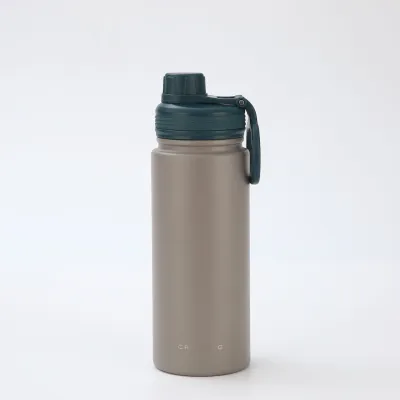
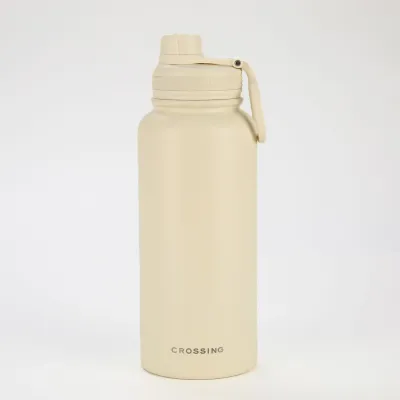
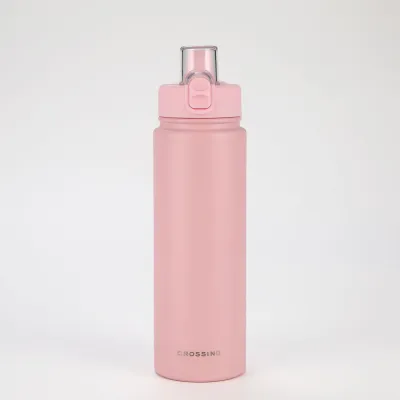
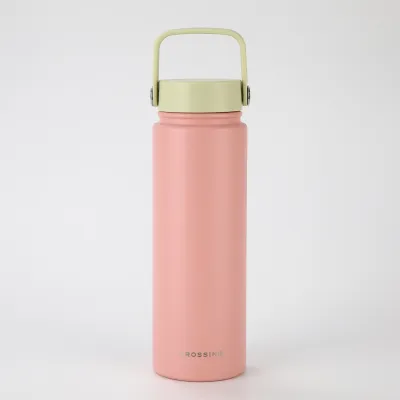
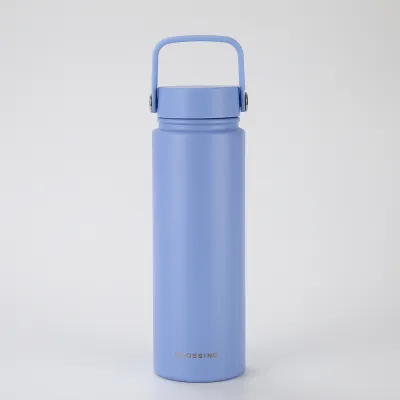
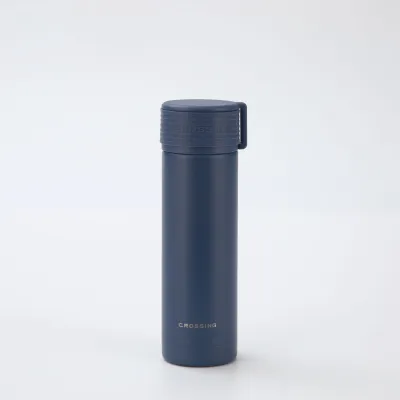
Prices are valid at publication and may change. Please refer to the product page for the latest price.

Wall Construction
Verify whether the specific Crossing bottle model utilizes double-wall or triple-wall vacuum insulation. In a double-wall setup, the air between two layers of stainless steel is evacuated, creating a vacuum that prevents heat transfer via conduction or convection. Some premium sports bottles introduce a copper lining or a third wall to further reflect radiant heat. Single-wall bottles, by contrast, offer no insulation and are unsuitable for keeping beverages cold in warm climates.
Lid Design and Thermal Bridging
The lid is often the weakest link in any insulated bottle’s thermal defense. While a solid, insulated screw cap provides the tightest seal and minimizes heat escape, it is less convenient for quick sips during a run or cycling session. Straw lids and spout lids offer excellent one-handed operation but introduce plastic components and air vents where thermal bridging can occur. When comparing the Crossing bottle to other sports brands, evaluate how the lid design balances convenience with temperature preservation.
Material Grade and Durability
High-quality sports bottles are typically constructed from food-grade stainless steel, such as 18/8 (304 grade) or 316 grade. This material is crucial not only for structural durability but also for preventing flavor transfer. A dented outer wall can compromise the vacuum seal, rendering the insulation useless. Ensure the bottle you choose has a robust exterior finish, such as a powder coating, which protects the steel and provides a secure grip when your hands are sweaty.
Matching Insulation to Your Workout Scenarios
Your choice of bottle should align directly with your typical exercise environment and hydration habits. No single bottle design is perfect for every activity.
Short, High-Intensity Indoor Gym Sessions
For workouts lasting under an hour in an air-conditioned gym, maximum thermal retention is rarely the top priority. In these settings, a lighter bottle with a quick-access spout lid may be preferable to a heavier, highly insulated model. If you are primarily training indoors, a standard double-wall bottle will easily keep your water sufficiently chilled without the need for bulky, multi-layered insulation systems.
Long-Duration Outdoor Endurance Training
When exercising outdoors in hot, humid climates—such as running along coastal paths or hiking through nature reserves—insulation demands increase dramatically. High ambient temperatures rapidly warm unprotected liquids. For these scenarios, prioritize maximum cold retention, larger fluid capacities, and sweat-resistant exterior coatings. A larger volume of cold water naturally retains its temperature longer than a smaller volume, helping you stay hydrated throughout extended endurance sessions.
Hot Beverage Requirements
If you plan to use your bottle for warm drinks during early morning training or cold-weather outdoor activities, safety must be your primary concern. Not all sports lids are rated for hot liquids. Pressurized steam can build up inside a sealed container, leading to sudden sprays or leaks when opened. Always verify that both the bottle body and the specific lid mechanism are explicitly rated by the manufacturer for hot beverages before filling them with heated liquids.
How to Verify Thermal Claims Before Purchase
With numerous brands claiming superior performance, smart consumers must verify these assertions before making a purchase.
Cross-Reference Official Specifications
Begin by consulting the official product manuals or the manufacturer’s website. Look for the specific testing parameters used to establish their thermal claims. Reliable brands will state the starting temperature of the liquid and the ambient temperature of the testing environment. If a brand claims “24 hours cold” without providing context, treat the claim with caution and look for standardized testing data.
Analyze Detailed User Feedback
When reading online reviews, look past generic praise or complaints. Focus on feedback from users who describe specific real-world conditions, such as using the bottle during outdoor sports in high-heat environments. Consistent reports of ice remaining solid over several hours provide a more reliable indicator of performance than marketing copy. Be cautious of reviews on unverified platforms or social media channels where promotional bias may exist.
Review Return Policies and Warranties
A manufacturer’s warranty can be a strong indicator of build quality. Look for brands that offer warranties covering the loss of vacuum insulation. If a bottle’s thermal performance degrades rapidly after a few weeks of use, a robust return policy or warranty ensures you can secure a replacement or refund without financial loss.
Decision Framework: Choosing Your Sports Bottle
To make your final decision, use a structured approach that matches your physical requirements with the bottle’s verified features.
When to Choose the Crossing Bottle
Select the Crossing bottle if its verified insulation specifications, lid options, and capacity match your daily routine. If the model fits securely in your bicycle cage, backpack side pocket, or gym bag, and its weight is manageable for your carrying method, it represents a practical choice for standard fitness activities.
When to Consider Alternative Brands
Look to alternative sports brands if your activities demand specialized features. This includes extreme-weather ratings, integrated carry loops designed for climbing harnesses, or specific ergonomic shapes for running belts. If another brand offers a lid system better suited to your specific sport—such as a high-flow bite valve for cycling—it may be the wiser investment despite similar thermal performance.
The Capacity Factor
Always ensure you are comparing bottles of equivalent volume. A larger volume of liquid has greater thermal mass, meaning a 1-liter bottle will naturally keep drinks cold longer than a 500ml bottle of identical construction. When evaluating insulation efficiency between Crossing and other brands, always compare models of the same size to ensure a fair assessment.
Frequently Asked Questions (FAQ)
Does pre-chilling a sports bottle improve its cold retention?
Yes, pre-chilling the inner wall of an insulated bottle can noticeably extend its cold retention. When you pour a cold drink into a room-temperature bottle, some of the beverage’s cold energy is immediately absorbed by the inner steel wall. By filling the bottle with cold water or ice for a few minutes beforehand, you lower the temperature of the internal steel, reducing the initial thermal load on your actual workout drink.
Can I put boiling water in any insulated sports bottle?
No, you should never put boiling water into a sports bottle unless the manufacturer explicitly states it is safe to do so. Many sports bottles utilize plastic lids, straws, or silicone seals that can degrade or warp when exposed to extreme heat. Furthermore, sealing boiling liquid inside a bottle creates pressure that can cause hot liquid to spray out violently upon opening, posing a serious burn risk.
How should I clean an insulated bottle to maintain its performance?
To preserve the vacuum seal and exterior finish, hand-washing with mild dish soap and a soft bottle brush is highly recommended. Avoid placing insulated bottles in the dishwasher unless the manufacturer explicitly labels them as dishwasher-safe, as high heat and harsh detergents can damage the vacuum seal. Never use bleach or abrasive scrubbers, which can degrade the protective inner lining and outer powder coating.
Community discussion
Share your experience or ask a question. Comments are reviewed before publication.