
Knee pain or instability can significantly disrupt your daily routine and athletic performance. Choosing between a Cryocure knee guard and other standard knee braces depends entirely on your primary physical objective: do you require active thermal recovery, rigid structural stabilization, or flexible compression during movement?
A Cryocure-style knee guard is highly suitable if your main goal is combining compression with targeted hot or cold therapy to soothe mild joint aches or accelerate post-activity recovery. Conversely, if your sport demands maximum joint stabilization, lateral support, or post-injury immobilization, alternative braces—such as hinged braces or heavy-duty strap systems—are more appropriate.
Before making a final decision, always verify the specific product labels for intended use and consult a qualified physiotherapist or doctor for severe, persistent, or undiagnosed knee conditions.
Products mentioned in this guide
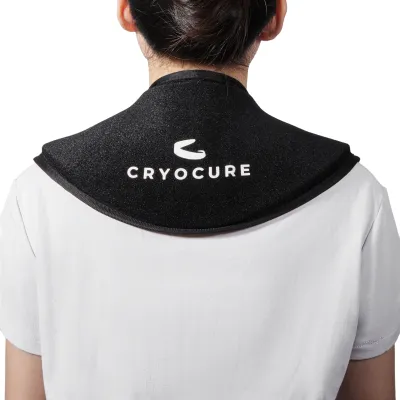
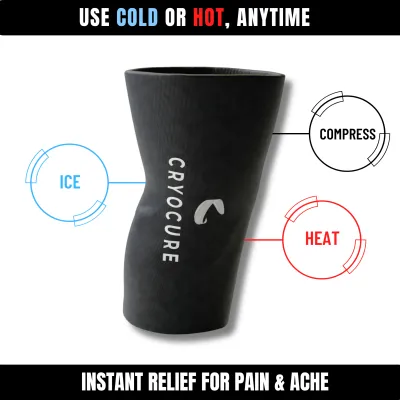
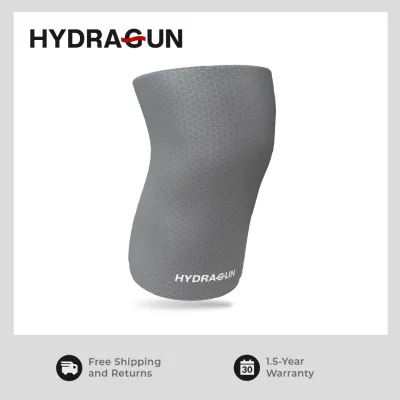
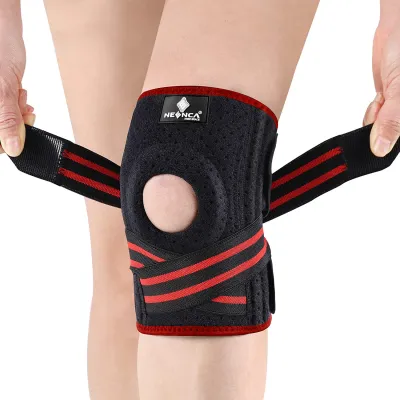
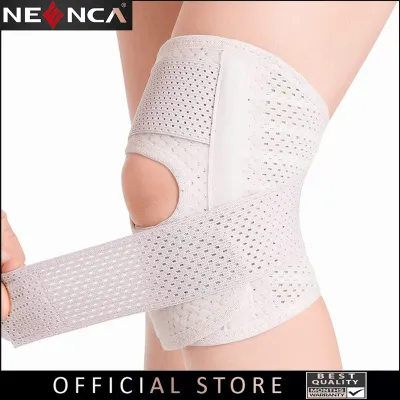
Prices are valid at publication and may change. Please refer to the product page for the latest price.
Core Design Differences: Cryocure vs. Standard Knee Braces
To make an informed choice, it is essential to understand how the physical architecture of a Cryocure knee guard differs from standard knee braces. Cryocure guards are specifically engineered with built-in pockets designed to hold removable gel packs. This unique design allows users to apply cryotherapy (cold therapy) or thermotherapy (heat therapy) directly to the knee joint while maintaining a baseline level of compression. The integration of these pockets typically requires a slightly thicker, more structured fabric layer to secure the gel packs in place during use.
In contrast, standard knee sleeves are minimalist, pull-on elastic or neoprene tubes designed primarily to retain body heat, improve proprioception, and provide mild, continuous compression. They lack the specialized compartments for thermal inserts.
Hinged knee braces represent another category altogether, featuring rigid plastic or metal side stays connected by mechanical joints. These are designed to restrict lateral movement and prevent harmful ranges of motion, such as hyperextension, making them significantly bulkier and stiffer than thermal guards.
Finally, patellar straps are narrow, low-profile bands worn just below the kneecap. They apply targeted pressure to the patellar tendon to relieve localized tension without covering the rest of the joint. Understanding these structural variations helps you match the brace’s physical profile to your specific functional requirements.
Key Dimensions to Compare When Choosing Knee Support
Selecting the right knee support requires evaluating specific physical attributes rather than relying on broad marketing claims. To find a model that aligns with your physical needs, compare different options across three primary pillars: support structure, thermal therapy features, and material properties.

Support Level and Joint Stabilization
- Mechanical Reinforcements: When evaluating a brace's ability to stabilize the joint, inspect the product packaging or technical specifications for built-in structural elements. Look for terms like flexible spring stabilizers, lateral stays, or polycentric hinges. These components provide mechanical resistance against lateral twisting, which is crucial for protecting compromised ligaments.
- Compression and Adjustability: Compare the compression mechanism of the braces. Cryocure-style guards often rely on a combination of elastic sleeve tension and adjustable hook-and-loop straps to secure the thermal packs. While this offers customizable compression, it may not provide the rigid, unyielding stabilization found in dedicated sports braces designed specifically for high-impact lateral movements.
- Bulk and Leverage: Consider how the physical volume of the brace affects its mechanical function. The addition of thermal gel packs in a Cryocure guard introduces extra bulk around the patella. This added thickness can alter how the brace fits under tight athletic apparel and may slightly modify the mechanical leverage of the support during deep knee bends.
Thermal Therapy and Compression Features
- Thermal Insert Verification: Examine the specifications of the thermal inserts included with the guard. Verify whether the gel packs are designed for both freezing and microwaving, and check the manufacturer's stated temperature retention limits. High-quality packs should maintain their flexible state even when frozen to contour smoothly around the curves of your knee.
- Dual-Function Compression: Assess how the brace performs when the thermal packs are removed. A versatile thermal guard should function as a high-quality compression sleeve on its own. Compare the thickness and elasticity of the base sleeve against standard compression-only sleeves to ensure it still provides adequate joint warmth and proprioceptive feedback without the inserts.
- Thermal Safety Protocols: Always check the manufacturer's instructions regarding safe skin contact and application durations. Direct contact with frozen or heated gel packs can cause thermal skin damage. Verify if the guard's fabric pocket acts as a sufficient barrier, or if the manufacturer recommends using an additional thin cloth layer between the pack and your skin. Limit thermal applications to the recommended timeframes—typically 15 to 20 minutes per session.
Breathability, Mobility, and Sports Compatibility
- Fabric Composition: In Singapore's hot and humid climate, sweat management is a critical factor for comfort and skin health. Inspect the material label for breathable, moisture-wicking fabrics such as perforated neoprene, nylon, or advanced 3D knit blends. These materials facilitate airflow and help transport sweat away from the skin, reducing the risk of chafing and bacterial buildup during prolonged wear.
- Range of Motion: Evaluate how the brace's profile affects your mobility. Lightweight, highly elastic sleeves offer maximum flexibility, making them ideal for high-flexion activities like cycling or running. Conversely, the added thickness of a thermal-pocket guard may restrict deep knee flexion, making it less practical for active use during sports that require constant, rapid bending of the joint.
- Anti-Slip Mechanisms: Intense physical activity and heavy sweating can cause knee braces to slide down the leg. Look for design features such as integrated non-slip silicone wave strips along the inner top cuff or robust, multi-directional velcro straps. These elements help maintain the brace's position on your thigh and calf, preventing the need for constant manual adjustments during your workout.
Matching the Brace to Your Specific Activity and Condition
- Running and Cycling: For endurance activities characterized by repetitive, linear motion, your primary needs are lightweight comfort, high breathability, and unrestricted joint movement. Standard compression sleeves or targeted patellar straps are highly effective here, as they support patellar tracking without adding unnecessary weight. Bulky thermal guards are generally impractical to wear during a long run or cycle; however, they serve as excellent post-activity recovery tools once you have finished your workout and are resting.
- Weightlifting and Court Sports: High-impact activities, heavy lifting, and court sports like badminton or basketball involve sudden directional changes, rapid acceleration, and heavy axial loading on the knees. For these movements, prioritize braces that offer robust compression, patellar tracking rings, and secure strap systems. These features help stabilize the kneecap and provide lateral support during sharp cutting movements. While a thermal guard can be worn during light training, the physical bulk of the gel packs may interfere with your technique during deep squats or explosive jumps.
- Post-Workout Recovery and Mild Ache Management: If your primary struggle is post-exercise soreness, chronic mild joint stiffness, or swelling after a workout, a Cryocure-style guard is exceptionally valuable. The ability to secure cold packs directly over the joint while maintaining gentle compression helps manage localized swelling and numbs acute soreness. Alternatively, applying heat therapy via the same guard before light stretching can help relax tight muscles and improve joint flexibility.
- The Limits of Support Gear: It is crucial to remember that no knee guard or brace can replace fundamental physical conditioning. Protective gear is designed to assist your joints, not substitute for muscle strength or proper biomechanics. Ensure you maintain a balanced training routine that includes targeted strengthening of the quadriceps, hamstrings, and calves, alongside proper warm-up protocols. If you experience sharp, sudden pain, joint locking, or persistent swelling, stop the activity immediately and seek professional medical evaluation rather than relying on a brace to mask the symptoms.
How to Verify Fit, Sizing, and Safety Limits
To ensure your knee guard provides the intended level of compression and support, you must obtain accurate physical measurements. Avoid relying on your standard clothing sizes (such as Medium or Large), as sizing charts vary significantly between manufacturers. Use a flexible measuring tape to measure the circumference of your leg at the specific points indicated by the brand—typically around the center of the patella, 10 centimeters above the kneecap (lower thigh), and 10 centimeters below (upper calf).
Once you put on the brace, perform a few basic movements like walking, bending, and squatting to assess the fit. A brace that is too tight can restrict blood circulation, leading to symptoms such as numbness, tingling, coldness in the foot, or deep red indentations on your skin. Conversely, a brace that is too loose will slide down repeatedly, failing to provide any meaningful compression or stabilization.
Knee braces are supportive aids, not cures for structural joint damage. Discontinue use immediately and consult a healthcare professional if you experience increased pain, worsening swelling, skin rashes, or if your knee feels completely unstable. Never use a compression sleeve or thermal guard to mask severe pain in order to continue playing through an acute injury, as this can lead to long-term joint damage.
Frequently Asked Questions (FAQ)
Can I wear a Cryocure knee guard all day?
It is generally not recommended to wear a knee guard with active thermal inserts for extended periods. While you can wear the base compression sleeve for several hours during activity or recovery, thermal applications (either hot or cold) should strictly be limited to 15 to 20 minutes per session to prevent skin damage or circulatory issues. Always refer to the specific product manual for the manufacturer’s maximum recommended wear times and skin safety guidelines.
How do I wash a knee brace with removable gel packs?
To maintain the hygiene and structural integrity of your knee guard, always remove the gel packs or thermal inserts before washing. Hand-wash the fabric sleeve in cool or lukewarm water using a mild detergent, gently squeezing out excess water without wringing the fabric. Allow the sleeve to air-dry completely in a well-ventilated area away from direct sunlight or high heat sources, as machine washing and tumble drying can degrade the elastic fibers and velcro closures.
Community discussion
Share your experience or ask a question. Comments are reviewed before publication.