
Quick Answer: Which Mouthguard Type Should You Choose?
Selecting the right mouthguard is a critical decision for any athlete looking to protect their teeth, gums, and jaw from sports-related impacts. The choice between a custom-fit mouthguard and a boil-and-bite mouthguard ultimately depends on your specific sport, your budget, and your individual dental anatomy. There is no single universal winner that suits every athlete, as each type serves distinct needs and athletic environments.
Boil-and-bite mouthguards are highly accessible, budget-friendly options that are widely available at sporting goods stores. They are particularly well-suited for recreational athletes, beginners, and growing children whose dental structures are constantly changing. On the other hand, custom-fit mouthguards, fabricated by dental professionals, offer the highest level of protection, superior comfort, and a secure fit. These are highly recommended for athletes participating in high-impact collision sports or those with complex dental needs, such as orthodontic braces or dental restorations. By evaluating your personal athletic situation against these key factors, you can make an informed decision that balances cost, comfort, and safety.
Custom-Fit vs Boil-and-Bite: Key Differences Explained
To understand which mouthguard is right for you, it is essential to examine how each type is manufactured and fitted. Boil-and-bite mouthguards are made from thermoplastic materials, such as ethylene-vinyl acetate, which soften when submerged in hot water. Once the material is pliable, the athlete places the guard in their mouth and uses their fingers, tongue, and biting pressure to mold the plastic around their teeth. This at-home customization process is quick and convenient, but it often results in an uneven distribution of material, as the biting force can thin out critical protective areas.
Products mentioned in this guide
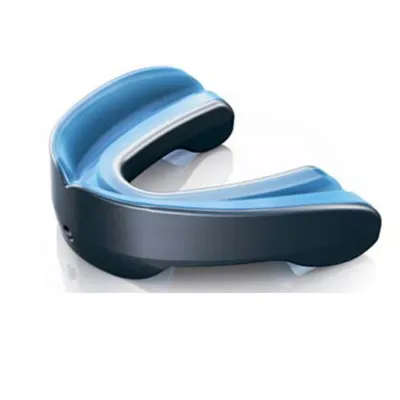
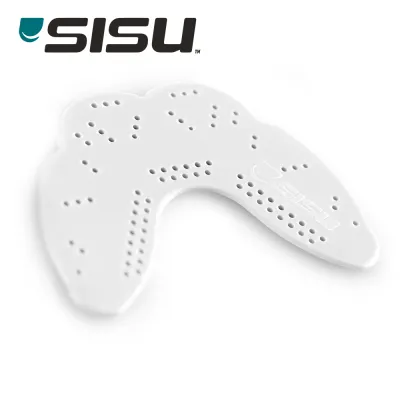
![🇸🇬 [READY STOCK] Mouth Guard Sports Mouth Guard for Football Basketball Lacrosse Hockey MMA Boxing](https://img.lazcdn.com/g/p/3ef37da03a1f90b056b7798926f02399.jpg_400x400q80.jpg_.webp)
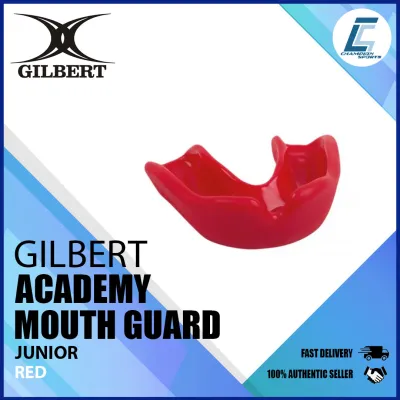
Prices are valid at publication and may change. Please refer to the product page for the latest price.

In contrast, a custom-fit mouthguard is fabricated in a professional laboratory using a precise impression of your teeth. This impression is typically taken by a dentist using physical molding putty or a digital 3D scanner. The resulting model of your dentition is then used to vacuum-form or pressure-laminate multiple layers of professional-grade materials. This meticulous manufacturing process ensures that the mouthguard conforms perfectly to every contour of your teeth and gums, establishing a baseline fit, uniform material thickness, and superior retention that cannot be replicated by at-home molding methods.
Fit, Comfort, and Breathing
The fit of a mouthguard directly influences both your comfort and your athletic performance on the field. Because boil-and-bite mouthguards rely on a generalized mold, they are inherently bulkier and require more material to accommodate a wide range of mouth shapes. This excess bulk can lead to rapid jaw fatigue during long training sessions, as you must constantly bite down to keep the guard in place. Furthermore, a loose or bulky guard can easily slide back in the mouth, triggering the gag reflex and distracting you from the game.
A custom-fit mouthguard, however, features a highly streamlined, low-profile design. Because it is molded precisely to your teeth, it clings securely to your upper arch without requiring any conscious effort or biting pressure. This secure fit allows you to speak clearly to your teammates, drink water, and breathe deeply during intense physical exertion. To evaluate the fit of your mouthguard, perform a simple check: place the guard on your upper teeth and open your mouth wide. A properly fitted guard should remain firmly in place on your upper teeth without slipping, dropping, or requiring you to hold it with your tongue.
Protection Level and Impact Absorption
The primary function of any mouthguard is to absorb and dissipate the force of a sudden impact, protecting your teeth and jaw from trauma. A precise fit is the foundation of this protection; if a mouthguard dislodges during a collision, it cannot perform its job, leaving your teeth completely vulnerable to secondary impacts. Custom-fit mouthguards excel in this area because their secure retention ensures they remain firmly in place even during severe physical contact.
Material thickness and density also play a vital role in impact absorption. A high-quality mouthguard must have sufficient thickness in high-risk zones, such as the front teeth, to cushion blows and distribute the force evenly across the entire dental arch. While boil-and-bite guards can thin out significantly during the home-molding process, custom-fit guards maintain a consistent, professionally calibrated thickness. When choosing a mouthguard, always check the manufacturer’s specifications and product labels for recognized impact standards or endorsements from dental associations, rather than relying solely on vague marketing claims of superior protection.
How to Match the Mouthguard to Your Sport and Needs
Matching the right mouthguard to your specific athletic activities requires a careful assessment of the risks involved in your sport. High-contact collision sports, such as rugby, martial arts, boxing, and ice hockey, carry a high probability of direct facial impacts and require the robust protection of a custom-fit guard. Conversely, limited-contact or non-contact activities, such as basketball, floorball, or cycling, still present a risk of accidental collisions but may only require a standard boil-and-bite guard for basic protection.
Special physical considerations must also be factored into your decision. For instance, athletes with orthodontic braces or complex dental restorations require specialized protection to avoid damaging their hardware or teeth. To streamline your purchasing decision, you can use the following decision framework:
- Choose a boil-and-bite mouthguard if: You are a recreational athlete in a moderate-contact sport, a beginner exploring a new activity, or a parent purchasing gear for a growing child whose teeth are actively shifting.
- Choose a custom-fit mouthguard if: You participate regularly in high-impact collision sports, require clear communication and easy breathing on the field, or have experienced discomfort and poor retention with over-the-counter options.
- Verify first if: You wear orthodontic braces, have dental bridges, or suffer from chronic jaw pain, as these conditions require specialized designs or professional dental guidance before use.
When to Choose a Boil-and-Bite Mouthguard
For young athletes, teenagers, and growing children, a boil-and-bite mouthguard is often the most practical and logical choice. Because children shed primary teeth and develop permanent ones rapidly, their jaw structures and dental alignments are constantly changing. A custom-fit mouthguard fabricated at the beginning of a season may no longer fit comfortably or safely just a few months later. The lower cost and easy adaptability of boil-and-bite guards allow parents to replace them frequently as the child’s mouth grows, without incurring substantial professional fees.
Recreational athletes, beginners, and those operating on a strict budget also benefit from the accessibility of boil-and-bite options. These guards provide a reasonable level of protection for moderate-contact sports without requiring a significant upfront financial commitment. However, to ensure the guard provides adequate protection, you must follow the manufacturer’s molding instructions with extreme care. Overheating the thermoplastic material can cause it to shrink or warp, while biting down too hard during the molding process can push the material away from the biting surfaces, leaving your teeth with insufficient cushioning.
When to Invest in a Custom-Fit Mouthguard
Investing in a custom-fit mouthguard is highly recommended for anyone participating in high-impact collision sports where direct blows to the face are a regular occurrence. In sports like rugby, boxing, and mixed martial arts, the risk of dental trauma is exceptionally high, and the superior impact dissipation of a custom guard can prevent costly and painful dental emergencies. The precise fit of a custom guard ensures that the force of a blow is distributed evenly across your entire jaw, minimizing the risk of localized tooth fractures or soft tissue lacerations.
A custom-fit mouthguard is also essential for athletes with complex dental work, such as bridges, crowns, or dental implants. A professional dentist can design the guard to accommodate these restorations, ensuring they are protected without being subjected to excessive pressure. Furthermore, if you have struggled with over-the-counter mouthguards due to a strong gag reflex, breathing difficulties, or constant slipping, the low-profile, professionally tailored design of a custom guard will provide the comfort and security you need to focus entirely on your athletic performance.
Cost, Durability, and Daily Maintenance
When comparing mouthguards, it is important to weigh the initial cost against the long-term durability and value of the product. Boil-and-bite mouthguards offer a very low initial price point, making them highly accessible for casual players. In contrast, custom-fit mouthguards require a higher professional investment due to the clinical time, dental impressions, and laboratory fabrication involved. However, a high-quality custom guard often outlasts multiple boil-and-bite guards, provided it is cared for properly.
Regardless of the type of mouthguard you choose, several universal factors will degrade the material over time. Habitual chewing on the guard, exposure to high temperatures, and the natural accumulation of bacteria from saliva will gradually break down the structural integrity of the plastic. In Singapore’s warm and humid climate, proper hygiene and storage are especially critical to prevent the growth of mold and harmful bacteria on your protective gear.
To maximize the lifespan of your mouthguard, establish a consistent daily maintenance routine:
- Rinse immediately: Always rinse your mouthguard with cool water immediately after every use to remove saliva, plaque, and debris.
- Clean gently: Wash the guard periodically using a soft-bristled toothbrush and mild soap, or use a dedicated non-abrasive mouthguard cleanser. Avoid using hot water, toothpaste, or harsh chemicals, as these can warp the thermoplastic material or scratch the surface, creating microscopic crevices where bacteria can thrive.
- Dry thoroughly: Allow the mouthguard to air dry completely before storing it. Moisture trapped inside a closed container is a breeding ground for mold and bacteria.
- Store properly: Keep your dry mouthguard in a sturdy, ventilated storage case to protect it from physical damage and dust while allowing air to circulate. Keep the case away from direct sunlight and heat sources, such as hot cars or sunny windows, which can warp the material.
Regularly inspect your mouthguard for observable signs of wear and tear. If you notice visible tears, thinning sections in high-impact areas, sharp edges that irritate your gums, or a permanent loss of shape that affects the fit, the guard’s protective capabilities are compromised. When these signs appear, or if the guard develops a persistent unpleasant odor or discoloration that cannot be cleaned, it is time to replace it immediately to ensure your teeth remain fully protected.
Frequently Asked Questions (FAQ)
Can I use a standard boil-and-bite mouthguard if I have braces?
Using a standard boil-and-bite mouthguard when you have braces carries significant risks. The warm thermoplastic material can easily flow into the spaces around your brackets and wires, locking the guard onto your orthodontic hardware. Attempting to remove a locked guard can damage your braces, loosen brackets, or cause severe pain. Instead, look for specialized orthodontic mouthguards designed specifically to fit over braces without requiring boiling, or consult your orthodontist to have a custom guard fabricated that accommodates ongoing tooth movement.
How do I know when it is time to replace my mouthguard?
You should replace your mouthguard immediately if you notice physical signs of wear, such as visible tears, thinning material in high-impact areas, sharp edges that irritate your gums, or a loose fit that no longer clings to your teeth. Hygiene issues, including a persistent unpleasant odor or deep discoloration that does not wash away, are also clear indicators that bacteria have penetrated the material. Additionally, young, growing athletes should have their mouthguards checked regularly and replaced as their jaw structures expand and new teeth emerge, even if the guard itself shows no physical damage.
Community discussion
Share your experience or ask a question. Comments are reviewed before publication.