
Quick Answer: How Decathlon Yoga Blocks Stack Up
Decathlon yoga blocks, primarily sold under their Domyos brand, are the go-to choice for budget-conscious practitioners in Singapore who need lightweight, accessible, and functional support. Primarily manufactured from standard Ethyl Vinyl Acetate (EVA) foam, these blocks excel in providing basic cushioning and height modification at an exceptionally low price point.
However, when compared to premium brands that specialize in high-density foam or natural cork, Decathlon’s entry-level models show clear limitations in firmness and slip resistance. While a premium block offers the rigid stability required for advanced inversions and remains grippy during sweaty hot yoga sessions, Decathlon’s foam blocks can compress under heavy load and become slick when wet.
Ultimately, Decathlon is highly recommended for beginners, restorative yoga enthusiasts, and those who commute regularly to local studios and want a featherlight block. Advanced practitioners, or those who frequently practice in heated rooms, will find better long-term support and safety in high-density foam or natural cork alternatives from specialized premium brands.
Products mentioned in this guide
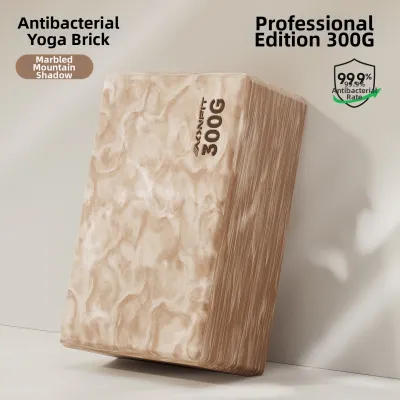
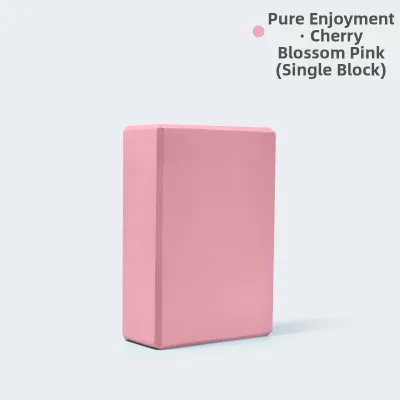
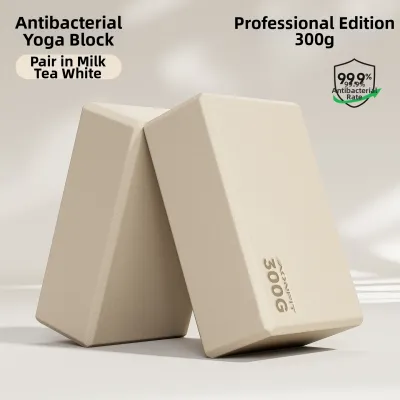
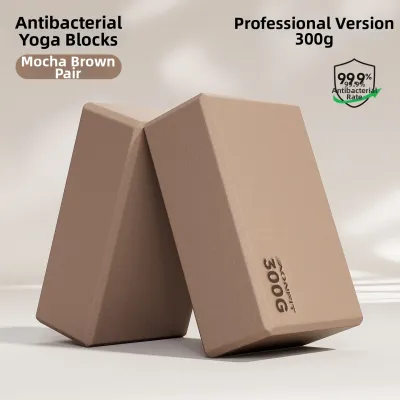
![[✅Sg Ready Stock] Yoga Block Brick RectangularHigh Density 200gram](https://img.lazcdn.com/g/p/c37c451a612d50ff7a0349e72a1d8116.jpg_400x400q80.jpg_.webp)
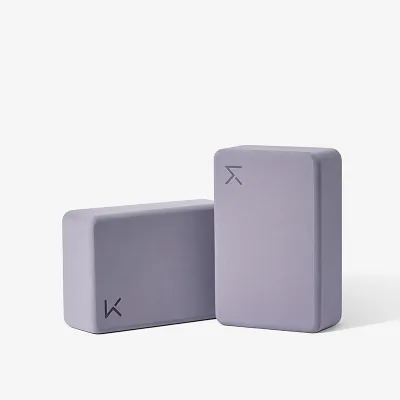

Prices are valid at publication and may change. Please refer to the product page for the latest price.
Key Dimensions to Compare: Material, Density, and Design
Choosing a yoga block involves more than picking a color or a recognizable brand logo. The block serves as an extension of your body, altering your alignment, reducing the distance to the floor, and supporting your joints in challenging postures. To make an informed comparison, you must evaluate three foundational elements: the material composition, the structural density, and the physical design characteristics.

Material and Density (EVA Foam vs. Cork vs. High-Density Foam)
The core material of a yoga block directly dictates its weight, durability, grip, and firmness. Standard EVA foam is the most common material found in budget-friendly blocks. It is incredibly lightweight, soft to the touch, and offers a gentle yield that makes it comfortable for restorative poses where you rest your spine, head, or pelvis on the block. However, standard EVA foam is susceptible to compression; under substantial body weight, it can deform, potentially compromising your balance.
High-density EVA foam represents a step up in structural integrity. These blocks undergo a manufacturing process that packs more material into the same volume, resulting in a firmer block that resists compression while remaining relatively light. They offer a reliable middle ground for practitioners who want stability without the heavy weight of natural materials.
Natural cork is a highly stable option for those prioritizing structural rigidity and eco-friendliness. Cork blocks are dense, heavy, and virtually incompressible, providing rock-solid support for advanced arm balances and standing poses. Furthermore, cork possesses natural traction properties that actually improve when exposed to moisture, making it highly effective for sweaty practices. The trade-off is weight; a cork block is significantly heavier than its foam counterparts, making it less convenient to carry around.
When comparing brands, do not rely solely on the material label. Always check the manufacturer’s technical specifications for density ratings or user weight limits. A low-density block that buckles under pressure is not just ineffective; it can lead to sudden wrist or ankle misalignment, increasing the risk of joint strain.
Size, Weight, and Edge Design
Physical dimensions and ergonomics play a vital role in how a block performs in your hands. The standard industry size for a yoga block is approximately 4 x 6 x 9 inches (roughly 10 x 15 x 23 cm), though thinner 3-inch blocks are also widely available. Thicker blocks provide more height and are generally more stable when stood vertically, which is highly beneficial for individuals with tight hamstrings or limited hip mobility.
Weight is a crucial factor for yogis in Singapore who commute via public transport to studios in busy areas like the Downtown Core or Orchard. Carrying two heavy cork blocks in a tote bag on the MRT can quickly become tiring. In contrast, lightweight foam blocks, which often weigh less than 300 grams, offer effortless portability.
Edge design is another critical safety and comfort feature. High-quality blocks feature beveled or rounded edges. When you rest your full body weight on a block during poses like Bridge or Half Moon, a sharp, un-beveled edge can dig painfully into your palms, wrists, or sacrum. Inspecting the radius of the beveling is an excellent way to gauge the design quality of a block before making a purchase.
Decathlon Yoga Blocks: Strengths and Limitations for Your Practice
Decathlon has built a formidable reputation in Singapore for delivering functional sporting goods at highly competitive prices. Their yoga blocks, offered under their dedicated fitness and yoga product lines, are designed to lower the barrier to entry for wellness practices. Understanding their specific strengths and limitations will help you determine if they align with your personal practice goals.
The primary strength of Decathlon yoga blocks is their exceptional value proposition. For a fraction of the cost of a premium studio block, you receive a functional tool that effectively assists with basic alignment and stretching. They are widely accessible, with multiple large-format retail stores across Singapore, allowing you to physically inspect the blocks before buying.
From a performance standpoint, Decathlon’s standard foam blocks are incredibly lightweight, making them an excellent travel companion for outdoor sessions at East Coast Park or Singapore Botanic Gardens. They are also highly resilient to superficial damage, do not absorb water easily, and can be wiped clean in seconds, which is highly hygienic for shared household use.
However, these blocks have notable limitations that advanced practitioners will quickly notice. The standard EVA foam used in Decathlon’s entry-tier blocks lacks the extreme rigidity required for demanding arm balances like Crow Pose (Bakasana) or handstand press-ups. When you place your entire body weight onto a single block, you may feel a slight flexing or squishiness, which can introduce instability into your foundation.
Additionally, the smooth surface texture of Decathlon’s basic foam blocks offers limited traction when wet. In Singapore’s naturally warm and humid climate, even a standard indoor practice can cause sweaty palms. If you tend to sweat heavily, you may find your hands slipping off the block during downward-facing dog modifications, requiring the addition of a yoga towel to maintain safety.
Because product lines and manufacturing specifications can change over time, it is always wise to verify the density and surface texture of the specific model currently on display in-store. Testing the block’s resistance to a firm squeeze will give you an immediate sense of whether it offers the rigidity you need.
How Premium and Alternative Budget Brands Compare
To fully appreciate where Decathlon sits in the market, it is helpful to contrast its offerings with both premium, specialized yoga brands and the unbranded alternatives commonly found on online marketplaces.
Premium Brands (Cork and High-Density Specialists)
Premium brands—such as Manduka, Lululemon, and Jade Yoga—command a higher price for several distinct reasons. These brands heavily invest in proprietary materials, such as ultra-high-density closed-cell foam or sustainably harvested Portuguese cork.
The primary advantage of these premium blocks is their uncompromising stability. A premium cork block provides a completely rigid foundation that behaves exactly like the floor, giving you absolute confidence during complex inversions. Furthermore, the textured surfaces of premium foam blocks are engineered to maximize grip, even when drenched in sweat during a high-intensity hot yoga session.
The durability of premium blocks is also significantly higher. They resist flaking, denting, and structural degradation over years of daily use. However, these blocks are a serious investment, often costing four to five times as much as a Decathlon block, and their substantial weight makes them less practical for yogis who prefer to bring their own props to various studios.
Other Budget and Mid-Tier Brands
On the other end of the spectrum are the countless unbranded or generic yoga blocks available on local e-commerce platforms. While these options can sometimes match or slightly undercut Decathlon’s pricing, they carry substantial consistency risks.
Generic budget blocks frequently suffer from poor quality control. It is common to receive blocks with unevenly cut edges, asymmetrical dimensions that wobble on flat surfaces, or a strong, persistent chemical odor that is highly distracting during pranayama (breathing exercises). Many of these cheap blocks are made from very low-density foam that compresses completely under minimal pressure, rendering them useless for active support.
Decathlon holds a significant advantage over these unbranded alternatives. When you buy from Decathlon, you benefit from consistent manufacturing standards, non-toxic material certifications, and a reliable return and exchange policy. If a block exhibits a manufacturing defect, you can easily visit a local store to resolve the issue, a convenience that online-only marketplace sellers rarely match.
Evaluating Price and Long-Term Value in Singapore
When shopping for yoga gear in Singapore, understanding the pricing landscape helps you calculate the true long-term value of your purchase. The market can generally be divided into three distinct price tiers:
- Budget Tier (Under S$15): This tier is dominated by Decathlon’s entry-level foam blocks and generic online marketplace brands. These are highly economical and represent minimal financial risk.
- Mid-Tier (S$15 to S$35): Here you will find Decathlon’s higher-end offerings (such as their cork blocks), along with mid-range fitness brands. These blocks offer improved density, better materials, and enhanced durability.
- Premium Tier (S$35 to S$60+): This tier consists of specialized, globally recognized yoga brands. These blocks feature premium natural cork, recycled materials, or high-density proprietary foams designed for lifelong durability.
To determine which tier offers the best value for you, consider your “cost per use.” If you are a beginner who practices once a week in a gentle Hatha class, a S$10 Decathlon foam block will easily meet your needs for several years, making it an incredibly high-value purchase. Spending S$50 on a premium block in this scenario would result in a low return on investment.
Conversely, if you are a dedicated yogi practicing five times a week in heated Vinyasa classes, a cheap, low-density foam block will degrade quickly, lose its shape, and likely slip out from under you. In this case, investing S$45 in a durable, slip-resistant cork block from a premium brand is far more cost-effective in the long run, as it ensures your safety and prevents the need for frequent replacements.
Additionally, consider the convenience of acquisition. Ordering premium blocks from overseas often incurs high international shipping fees to Singapore, whereas Decathlon blocks can be picked up instantly at local hubs or delivered quickly via local shipping channels. Always check official brand websites or authorized local distributors for seasonal promotions or bundle deals that can lower the cost of premium gear.
Decision Framework: Which Yoga Block Should You Buy?
To finalize your decision, match your personal practice style, budget, and logistical needs to the most suitable category of yoga block. Use the structured guidelines below to guide your purchase:
- Choose Decathlon if:
- You are a beginner or casual practitioner building up your flexibility and strength.
- You practice gentle, Yin, or restorative yoga where the block is used primarily for passive, cushioned support.
- You commute frequently on public transport and require an ultra-lightweight block that won't weigh down your bag.
- You want a reliable, quality-controlled product without spending more than S$15.
- Choose Premium Brands if:
- You practice hot yoga, power Vinyasa, or Ashtanga, where heavy sweating requires maximum surface traction.
- You regularly perform advanced inversions, arm balances, or standing balances that demand absolute structural rigidity.
- You prefer eco-friendly, sustainably sourced materials like natural Portuguese cork or recycled non-toxic foams.
- You view your yoga gear as a long-term investment and want a block that will maintain its shape and hygiene for years.
- Choose Other Budget Brands if:
- You specifically require an extra-soft, highly yielding foam block for therapeutic or restorative exercises where firm support is not needed.
- You are purchasing blocks in bulk for a temporary home setup and are comfortable buying online without physical inspection.
- Verify First if:
- You suffer from wrist pain or carpal tunnel syndrome; in this case, physically test the block's edge beveling to ensure it does not place concentrated pressure on your joints. Always consult your yoga instructor or a physical therapist if you are recovering from an injury before using props for weight-bearing support.
Frequently Asked Questions (FAQ)
Can I use a standard EVA foam block for hot yoga?
While you can physically use a standard EVA foam block in a hot yoga class, it is not highly recommended for safety reasons. Standard EVA foam has a closed-cell, smooth surface that does not absorb moisture. When sweat accumulates on the block, it can become highly slippery, which increases the risk of your hands or feet slipping during load-bearing poses. If you regularly practice hot yoga, opting for a textured high-density foam block or a natural cork block is a much safer choice, as these materials offer far superior traction under wet conditions.
How do I clean and maintain different yoga block materials?
Proper maintenance varies significantly depending on the material of your block. For standard EVA foam blocks, simply wipe them down after each practice with a damp cloth and a drop of mild dish soap, then allow them to air dry completely out of direct sunlight. For cork blocks, avoid soaking them in water or using harsh chemical cleaners, as this can degrade the natural wood fibers. Instead, wipe the surface gently with a damp cloth and a very diluted vinegar-water solution, then let them air dry in a well-ventilated space. Always check the manufacturer’s care label for specific maintenance instructions to preserve the longevity of your props.
Community discussion
Share your experience or ask a question. Comments are reviewed before publication.