
Decathlon yoga blocks are highly cost-effective, accessible, and reliable for beginners and intermediate practitioners in Singapore. Typically priced between S$5 and S$20, they offer an approachable entry point for those building a home practice or looking for lightweight gear to carry to local studios. While they excel in affordability and widespread local availability, practitioners seeking specialized wet grip for hot yoga, strict organic eco-certifications, or artisan-level durability may find premium brands more aligned with their long-term needs.
Choosing the right yoga block in Singapore involves balancing performance against the challenges of a humid tropical climate. Sweat and humidity directly impact how different materials perform, making your choice of material just as important as the brand logo stamped on the side. By examining how Decathlon’s offerings stack up against premium and mainstream alternatives, you can make an informed decision that supports both your alignment and your budget.
Understanding Yoga Block Materials: EVA, Cork, and Wood
To evaluate any yoga block, you must first understand the raw materials that dictate its weight, stability, and tactile feedback. The three most common materials on the market are ethylene-vinyl acetate (EVA) foam, cork, and wood or bamboo. Each material serves a distinct purpose in a yoga practice, and understanding their physical properties helps you look past brand marketing to assess actual utility.
Products mentioned in this guide
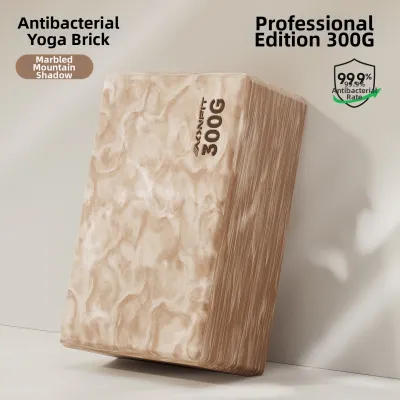
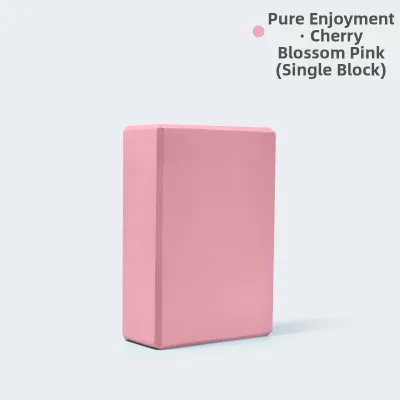
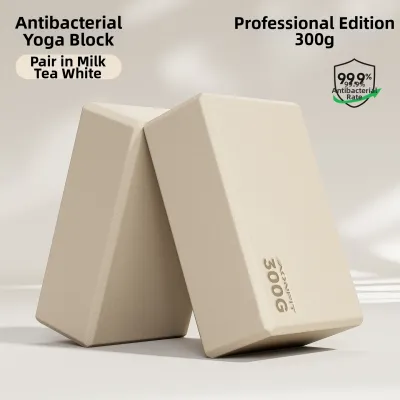
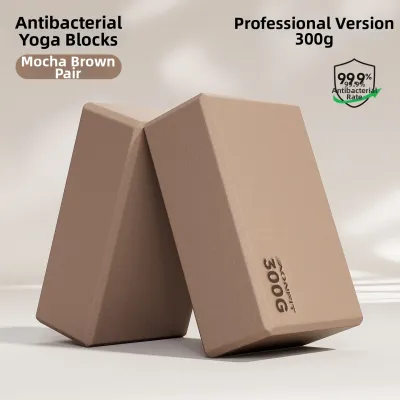
![[✅Sg Ready Stock] Yoga Block Brick RectangularHigh Density 200gram](https://img.lazcdn.com/g/p/c37c451a612d50ff7a0349e72a1d8116.jpg_400x400q80.jpg_.webp)

Prices are valid at publication and may change. Please refer to the product page for the latest price.
EVA foam is the most common material used for entry-level yoga blocks. It is incredibly lightweight, making it the preferred option for yogis who commute to studios via the MRT or bus. Foam blocks provide a forgiving surface that is gentle on sensitive joints, such as the knees, elbows, or spine during restorative poses. However, low-density foam can compress excessively under heavy body weight, which compromises stability during standing balances. Additionally, standard EVA foam can become slippery when exposed to heavy sweat, a common issue in Singapore’s humid environment.
Cork blocks offer a middle ground, providing a much firmer and more stable foundation than foam. Naturally harvested from the bark of cork oak trees, cork is inherently antimicrobial and resistant to odors, which is highly beneficial in warm climates. The material is heavier than foam, giving it a grounded feel that does not wobble during advanced arm balances or deep inversions. Cork also offers a unique textural advantage: its grip actually improves when slightly damp, making it highly reliable for moderately sweaty practices.
Wood and bamboo blocks represent the traditional, premium end of the spectrum. These blocks are virtually indestructible, highly aesthetic, and offer absolute firmness with zero compression. They are excellent for alignment-focused practices like Iyengar yoga, where structural precision is paramount. However, wood blocks are heavy, lack cushioning, and can feel uncomfortably hard against bony areas of the body. They also present a slipping hazard if your hands are sweaty and the surface lacks a specialized matte finish.
Regardless of the brand, evaluating a block requires checking its density and edge finishing. High-quality blocks feature beveled edges—sides that are gently sloped rather than cut at a sharp 90-degree angle. Beveled edges prevent the block from digging painfully into your hands, back, or thighs during deep stretches, ensuring a safer and more comfortable practice.
Decathlon Yoga Blocks: Features, Value, and Limitations
Decathlon has established a strong presence in Singapore by offering accessible sports gear, and their yoga range—often branded under their Kimjaly label—is no exception. Their product lineup typically spans ultra-budget foam blocks to mid-range cork options. This tiered approach allows practitioners to select a block that matches their budget and physical requirements without committing to premium prices.

The primary appeal of a Decathlon yoga block is its exceptional value. With prices starting at the lower end of the market, these blocks make yoga accessible to anyone curious about the practice. The standard dimensions of their blocks align closely with international standards, usually measuring around 22 x 12 x 7 cm or slightly larger. This sizing ensures that the blocks provide adequate height variations depending on which side you rest them on.
In terms of performance, Decathlon’s high-density foam blocks offer reliable structural integrity for standard Hatha, Yin, or Vinyasa flows. They are designed with functional beveled edges that distribute pressure evenly across the hands. For those seeking more stability, Decathlon’s cork blocks provide a solid, eco-friendlier alternative that resists sliding on standard studio floors. Furthermore, purchasing from Decathlon in Singapore comes with the reassurance of straightforward local warranty coverage and an easy return policy, which minimizes the risk of buying online.
However, Decathlon blocks do have limitations that advanced practitioners might find restrictive. The color palettes and aesthetic designs tend to be basic and utilitarian compared to lifestyle-focused brands. The foam blocks, while functional, may show cosmetic wear such as fingernail dents, scratches, and minor compression marks more quickly than high-density premium foam. Additionally, while their cork blocks are sturdy, they may lack the ultra-fine, smooth finish found on artisan blocks, occasionally shedding tiny cork particles during the first few weeks of heavy use.
How Decathlon Compares to Premium and Mainstream Brands
To understand where Decathlon fits in the wider Singapore fitness landscape, it is helpful to compare their products against premium yoga brands and mainstream lifestyle retailers. This comparison highlights the trade-offs between cost, material refinement, and specialized performance.
Premium Yoga and Wellness Brands
Premium brands like Manduka, Lululemon, and Jade Yoga cater to dedicated practitioners who view their gear as a long-term investment. These brands typically price their blocks between S$30 and S$60 or more. For this premium, buyers receive advanced material technologies, such as closed-cell foam that resists moisture absorption, or sustainably harvested, FSC-certified cork that supports global conservation efforts.
The primary difference lies in the density and surface texture. Premium foam blocks are significantly denser than budget alternatives, meaning they support your full body weight without squishing or warping over years of daily use. They also feature proprietary grip textures that remain slip-resistant even during intense, sweaty sessions. If you practice daily, teach yoga, or prioritize strict ecological certifications and manufacturing transparency, paying the premium for these specialized brands is often justified.
Mainstream Sports and Lifestyle Retailers
Mainstream sports chains and lifestyle department stores in Singapore also offer yoga blocks, often packaged as part of aesthetic home-workout sets. These blocks frequently prioritize visual appeal, featuring trendy pastel colors, marble patterns, or motivational quotes. However, they are often sold at a markup that reflects their lifestyle branding rather than their structural quality.
When compared to these generic lifestyle blocks, Decathlon’s sports-first engineering generally offers superior functional value. Decathlon designs its gear with athletic performance in mind, ensuring that even their budget foam blocks maintain a minimum density standard required for safety. Lifestyle blocks, by contrast, are sometimes made from low-density foam that easily buckles under pressure, offering poor support during active poses. Decathlon also provides a clearer path for customer service and returns through their dedicated physical stores across Singapore.
Feature Comparison Checklist: What to Verify Before You Buy
Before purchasing a yoga block online or in-store, it is essential to verify its physical specifications. The following checklist and comparison table outline what you should look for to ensure the block meets your specific training needs.
| Feature | Decathlon Standard | Premium Brand Standard | How to Verify |
|---|---|---|---|
| Material Density | Moderate to high; foam has slight give; cork is firm and solid. | Very high; foam resists compression; cork is highly compressed and dense. | Press your thumb firmly into the block; high-quality foam should resist deep indentation. |
| Edge Beveling | Standard functional bevels; comfortable for general use. | Deep, smooth, ergonomic bevels that reduce joint pressure. | Run your hand along the edges to ensure there are no sharp, uncomfortable corners. |
| Surface Grip | Good dry grip; foam can become slippery when wet; cork performs better with sweat. | Advanced dry and wet grip; textured surfaces or closed-cell designs prevent slipping. | Rub your palm across the surface; look for a matte, non-slip texture that does not feel slick. |
| Weight & Portability | Foam is ultra-light (~100-150g); cork is heavier (~500-700g). | Optimized weights; some premium foam blocks are weighted for stability. | Check the product specifications for weight if you plan to carry it in your commute. |
| Eco-Certifications | Basic recycled material options; standard environmental compliance. | Verified certifications (e.g., FSC-certified cork, non-toxic manufacturing). | Look for official certification logos or detailed material sourcing information on the packaging. |
Always check the product label or online specifications for exact dimensions before buying. While standard blocks are typically 4 x 6 x 9 inches (approximately 10 x 15 x 23 cm), some brands offer slimmer variations (such as 3-inch widths) that may be easier for individuals with smaller hands to grip, or larger sizes that provide extra height for restorative poses.
Decision Framework: Which Yoga Block Should You Choose?
Your final decision should depend on your experience level, the style of yoga you practice, and your budget. By identifying your specific constraints and goals, you can select the block that will best support your practice.
Choose a Decathlon yoga block if:
- You are a beginner building your initial gear set and want to minimize upfront costs.
- You practice gentle styles of yoga, such as Yin, Restorative, or basic Hatha, where extreme grip and high-density support are less critical.
- You commute frequently and need an ultra-lightweight foam block that will not add unnecessary weight to your bag.
- You value the convenience of local Singapore retail outlets where you can physically inspect the product and easily manage returns.
Choose a premium brand block if:
- You practice hot yoga or sweat heavily, requiring advanced wet-grip technology or dense cork that resists moisture buildup.
- You are an advanced practitioner performing complex arm balances, inversions, or deep backbends that require absolute structural stability.
- You want to invest in a highly durable tool that will retain its shape, density, and clean edges over several years of daily use.
- You prioritize strict environmental standards, organic materials, and transparent supply chains.
Verify first if:
- You have existing wrist, elbow, or knee injuries. In this case, test the block's hardness in person to ensure it offers enough cushioning without sacrificing stability.
- You have smaller or larger hands than average. You may need to measure the block's width and thickness to ensure you can grip it securely during active transitions.
Frequently Asked Questions (FAQ)
Can I use a standard EVA yoga block for hot yoga?
Using a standard EVA foam yoga block for hot yoga is generally not recommended because the material can become slippery when wet. When sweat accumulates on the smooth surface of a standard foam block, your hands or feet may slide during poses, increasing the risk of joint strain or falls. If you must use a foam block in a hot yoga class, it is highly recommended to place a slip-resistant yoga towel over the block to absorb moisture and secure your grip. Alternatively, opting for a cork block or a premium foam block with a textured, closed-cell surface will provide much safer traction in humid, sweaty conditions.
How do I safely clean and maintain my yoga block?
To clean an EVA foam or cork yoga block safely, wipe the surface down with a damp cloth and a small amount of mild, diluted dish soap. Avoid using harsh chemical cleaners, bleach, or abrasive scrubs, as these can degrade the material and ruin the surface texture. Never submerge your blocks in water or put them in a washing machine, as excessive soaking can cause foam to warp and cork to crumble or mold. After wiping them down, allow the blocks to air dry completely in a well-ventilated indoor space away from direct sunlight, which can cause colors to fade and materials to dry out prematurely.
Community discussion
Share your experience or ask a question. Comments are reviewed before publication.