
When shopping for camping tents, the millimeter (mm) rating on the specification sheet is often the first detail that catches your eye. This number, which typically ranges from 1,000mm to over 5,000mm, represents the fabric’s resistance to water pressure under laboratory conditions. Understanding what these ratings actually mean helps you select a shelter that keeps you dry without carrying unnecessary weight or overspending on features you do not need.
To choose the right level of protection, you must look beyond the raw numbers. A high rating on paper does not guarantee a dry night if the tent’s seams, zippers, and floor design are not built to withstand the elements. Matching the rating to your expected weather conditions and understanding how to maintain the fabric’s integrity over time are the real keys to a successful outdoor experience.
Understanding the Hydrostatic Head (mm) Test
The millimeter rating on a tent fabric is determined by a standardized laboratory procedure known as the hydrostatic head test. During this test, a column of water is held against a taut piece of the tent fabric, and the height of the water column is increased until water begins to penetrate the material. If a fabric can withstand a column of water 2,000mm high before three drops pass through, it receives a 2,000mm rating.
Products mentioned in this guide
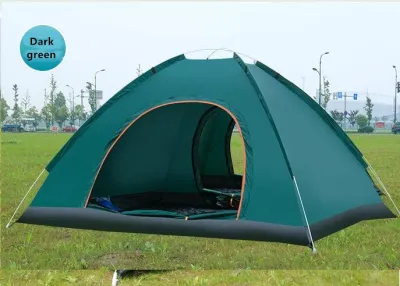
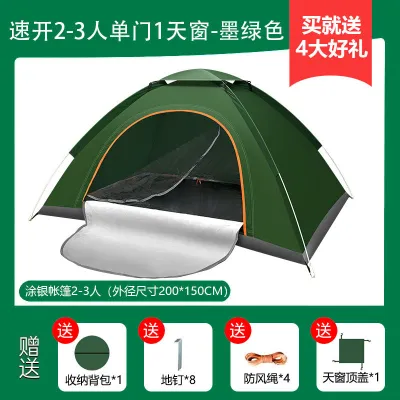
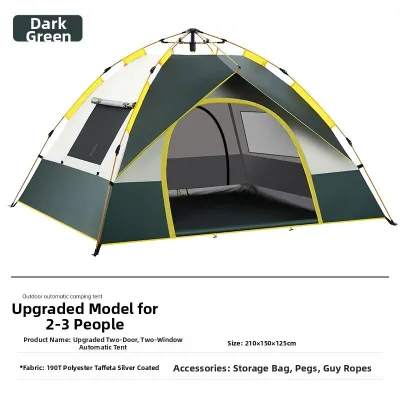
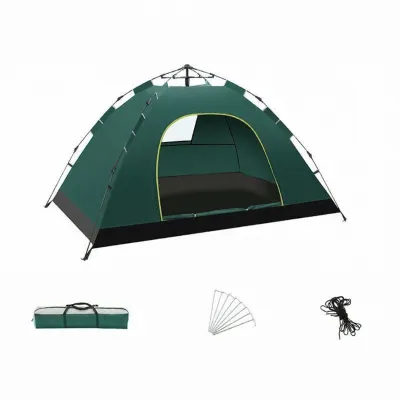
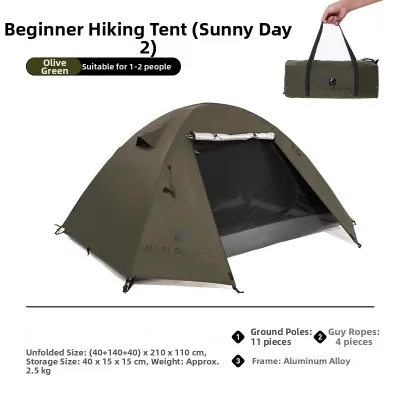
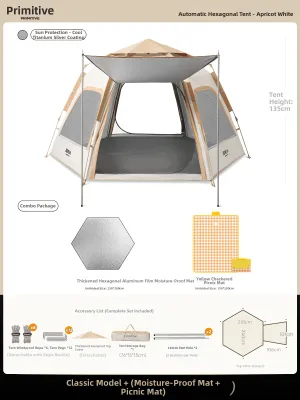
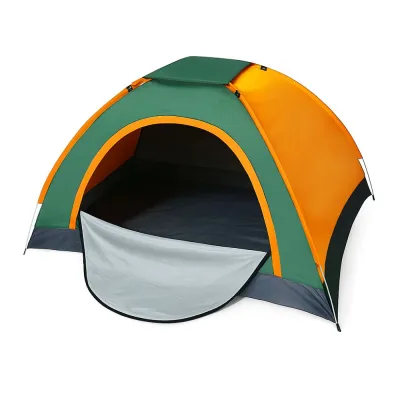
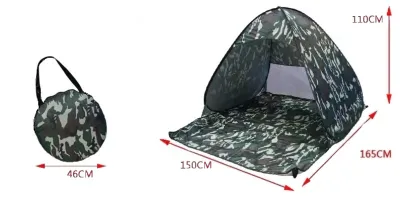
Prices are valid at publication and may change. Please refer to the product page for the latest price.
While this test provides a reliable baseline for comparing fabric density and coating thickness, it does not perfectly replicate real-world weather. In the field, rain does not sit statically on your tent; wind-driven rain, falling droplets, and physical contact with the fabric all exert dynamic pressure that can exceed the static pressure of the laboratory test. Therefore, a 1,000mm rating does not mean the tent can handle exactly one meter of rainfall in a storm.
It is also important to recognize that this rating applies strictly to the specific fabric panels tested, such as the rainfly or the floor. The rating does not account for the overall structural design of the shelter. A tent made of highly waterproof fabric can still leak if water pools in sagging areas, seeps through unprotected mesh panels, or blows under a poorly fitted rainfly.
Critical Waterproofing Features Beyond the Fabric Rating
To ensure a dry camping experience, you must evaluate the construction details that support the fabric’s waterproof rating. A common failure point in any tent is not the fabric itself, but the seams where different panels are sewn together. Needle holes created during manufacturing will let water in unless they are sealed. Look for tents with factory-taped seams, where a waterproof tape is thermally applied over the stitching, or plan to apply a liquid seam sealer yourself before your first trip.

The waterproof specifications for a tent floor are typically higher than those of the rainfly. While the rainfly only needs to shed falling rain, the floor must withstand the physical pressure of your body weight, sleeping pads, and gear pressing down against wet ground. This pressure can force moisture through fabrics with lower ratings, which is why a tent with a 1,500mm rainfly might feature a 3,000mm or 5,000mm floor to prevent ground moisture from seeping inside.
Additionally, most tents are treated with a Durable Water Repellent (DWR) coating on the exterior surface. This chemical treatment causes rainwater to bead up and roll off the fabric rather than soaking into the fibers. While DWR does not increase the hydrostatic head rating, it prevents the fabric from becoming saturated, which maintains breathability and prevents the tent from sagging under the weight of absorbed water.
Matching Tent Specifications to Your Camping Conditions
Selecting the right waterproof rating requires a realistic assessment of where and when you plan to camp. For fair-weather camping, summer trips, or light weekend outings with minimal wind, a basic tent with a rating of 1,000mm to 1,500mm is generally sufficient. These shelters prioritize ventilation and lightweight packability, making them comfortable for warm, dry climates where heavy downpours are unlikely.
When you expect heavy rain, sustained winds, or multi-day storms, you should look for a rainfly rating of at least 2,000mm to 3,000mm. These conditions require robust pole structures to keep the fabric taut, preventing water from pooling on the roof. In areas prone to sudden tropical downpours or prolonged wet weather, a comprehensive rainfly that extends all the way to the ground is essential to protect the inner tent body from splashing mud and wind-blown rain.
Ground conditions also dictate your choice of floor specifications. If you frequently camp on damp grass, muddy terrain, or uneven ground where water might pool beneath your shelter, prioritize a heavy-duty bathtub-style floor with a rating of 3,000mm or higher. Using an additional waterproof footprint or ground tarp underneath the tent can also protect the floor fabric from abrasions and reduce the direct water pressure on the material. Consult the manufacturer’s specific guidelines to verify the recommended seasonal limits and intended environments for your specific model.
Maintaining Your Tent’s Waterproof Integrity
Proper care and maintenance are vital to preserving your tent’s waterproof capabilities over its lifespan. Avoid packing away a wet or damp tent for extended periods, as trapped moisture promotes the growth of mold and mildew. These organisms can damage the polyurethane coatings that provide the waterproof barrier, leading to a sticky, peeling residue and a distinct musty odor. Pitch your tent at home to dry completely in a shaded, well-ventilated area before storing it.
Regular visual inspections will help you catch potential leaks before they ruin a trip. Set up your tent in the yard and check the interior seams for signs of peeling or flaking tape. You can perform a gentle water test with a garden hose on a light spray setting to observe if water beads up on the rainfly or if moisture begins to weep through the seams.
If you notice water soaking into the fabric instead of beading, or if the seams are starting to leak, you can restore the protection at home. Apply a specialized tent seam sealer to the inside of the seams according to the product instructions. For the exterior fabric, wash away dirt with mild soap and water, then apply a spray-on DWR treatment designed for outdoor gear to restore the water-beading performance.
Frequently Asked Questions (FAQ)
Is a higher mm rating always better for camping tents?
Not necessarily, as higher waterproof ratings often come with practical trade-offs. To achieve a higher rating, manufacturers must use thicker fabrics or apply multiple layers of polyurethane coatings, which increases the overall weight and packed size of the tent. Furthermore, heavy coatings can reduce the fabric’s breathability, leading to increased condensation buildup inside the tent on humid nights. You should balance your need for water resistance with your carrying capacity and the climate of your camping destination.
Does the waterproof rating degrade over time?
Yes, all tent waterproofing materials degrade naturally with age, use, and environmental exposure. Ultraviolet (UV) radiation from the sun gradually breaks down fabric fibers and coatings, while friction from folding and packing can wear away the protective layers. Additionally, polyurethane coatings can undergo hydrolysis—a chemical breakdown caused by prolonged contact with moisture—which makes the coating sticky and less effective. Regular maintenance and proper dry storage are essential to slow this degradation process.
Community discussion
Share your experience or ask a question. Comments are reviewed before publication.