
When you walk into a tackle shop or browse online, the sheer variety of monofilament fishing line spools can be overwhelming. Each spool is printed with numbers, abbreviations, and technical terms that dictate how the line will perform. To make an informed purchase, you must learn to read the two most critical specifications: pound test and line diameter.
These two metrics do not exist in isolation; they work in tandem to dictate how much line your reel can hold, how far you can cast, and how the line behaves under the strain of a fighting fish. While many beginners focus solely on the pound test, ignoring the diameter is a common mistake that can lead to poor casting performance, line twists, or a spool that empties far too quickly. Understanding how these specifications interact is the first step toward rigging your setup for success.
Decoding Pound Test: Breaking Strength vs. Fish Weight
Pound test, often abbreviated as “lb test,” measures the line’s breaking strength. Specifically, it represents the amount of dead weight the line can support under a steady, controlled pull before it snaps. For example, a 10 lb test line is rated to hold 10 pounds of static weight.
Products mentioned in this guide
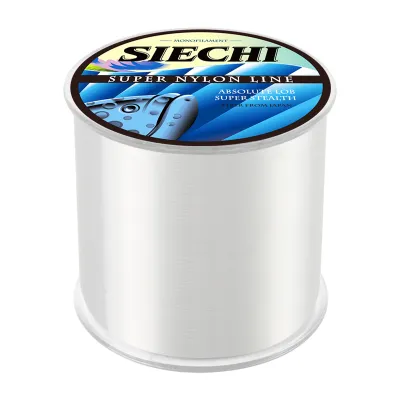
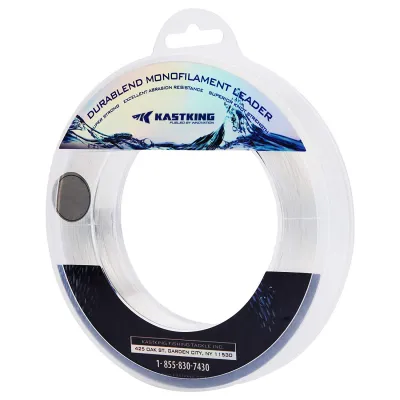
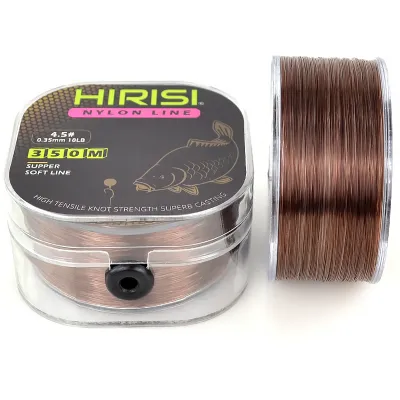
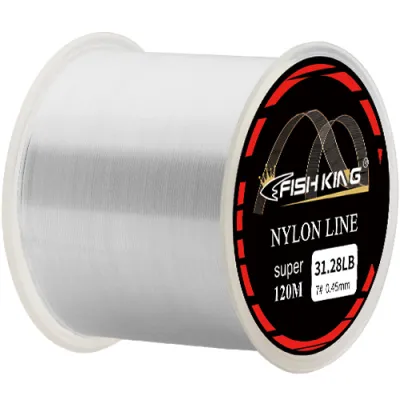
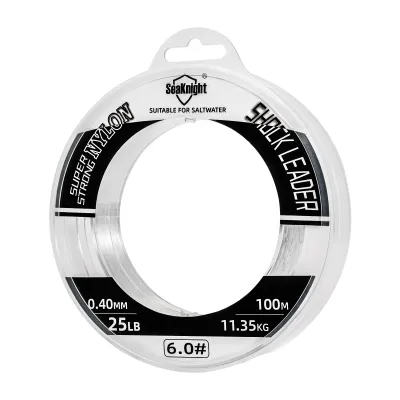
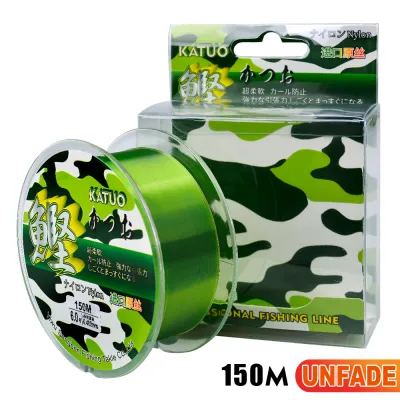
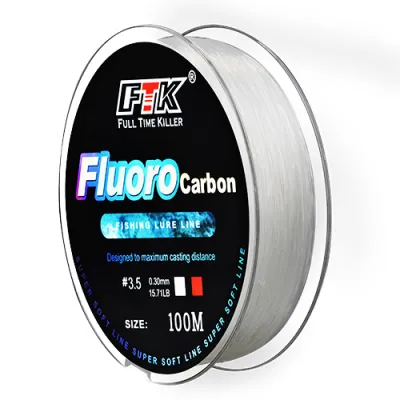
Prices are valid at publication and may change. Please refer to the product page for the latest price.
However, this does not mean you are limited to catching fish that weigh less than 10 pounds. In a real fishing scenario, water buoyancy supports a massive portion of the fish’s physical weight. Furthermore, your fishing rod bends to absorb sudden lunges, and your reel’s drag system is designed to slip and let out line when the tension approaches the breaking point. With a properly set drag and a flexible rod, you can successfully land a fish that weighs far more than your line’s rated pound test.
Choosing a higher pound test might seem like an easy way to prevent lost fish, but it comes with distinct trade-offs. Heavier lines are physically thicker, which means they take up more space on your reel spool, reducing your total line capacity. They also create more resistance in the water, making it harder to sink light lures or detect subtle bites.
To select the right strength, evaluate your target species and environment. If you are targeting small peacock bass in reservoirs, a light 4 lb to 8 lb test line offers excellent sensitivity and casting distance. If you are fishing near heavy structures like concrete jetty pilings or mangrove roots where fish can easily rub and fray your line, stepping up to a 15 lb to 30 lb test line provides the necessary pulling power and safety margin.
Line Diameter: How Thickness Affects Casting and Visibility
Line diameter refers to the physical thickness of the monofilament strand, typically measured in millimeters (mm) or fractions of an inch. While diameter generally increases alongside pound test, it can vary significantly between different brands and product lines. A premium 10 lb line from one manufacturer might be noticeably thinner than a budget 10 lb line from another.

The thickness of your line directly influences its aerodynamic and hydrodynamic properties. Thinner lines experience less air resistance, allowing you to cast lighter lures much further. Once in the water, a thin line cuts through strong currents with minimal drag, preventing your bait from drifting out of the strike zone and ensuring a more natural presentation. Additionally, thinner lines allow you to pack more yardage onto your reel, which is crucial if a large fish decides to make a long, uninterrupted run.
On the flip side, thicker lines offer superior abrasion resistance. When a hooked fish dives under a rock, wraps around a barnacle-encrusted piling, or rubs against coral, the physical friction can quickly slice through a thin line. Thicker monofilament has more material to wear through, giving you a precious few seconds to steer the fish away from danger before the line fails.
Visibility is another critical factor affected by diameter. In clear, heavily fished waters, fish can become highly line-shy. Thicker lines are much easier for fish to spot, which can dramatically lower your bite rate. Opting for the thinnest diameter possible for your target pound test helps keep your presentation stealthy and natural.
Secondary Specs: Stretch, Memory, and UV Resistance
Beyond the primary numbers, several secondary physical characteristics define how monofilament performs on the water. These specs are highly dependent on the material’s quality and the manufacturing process.
- Stretch (Elongation): Monofilament is known for its high elasticity, often stretching up to 25% or more under heavy loads. This natural stretch acts as a valuable shock absorber when a fish strikes aggressively close to your position, preventing the hook from ripping out of the fish's mouth. However, this elasticity reduces your sensitivity, making it harder to feel faint nibbles at long distances, and requires a more emphatic sweep of the rod to set the hook.
- Memory: Line memory refers to the tendency of the monofilament to retain the coiled shape of the plastic spool it was stored on. High-memory lines will come off your reel in tight spirals, which increases friction against the rod guides, severely shortens your casting distance, and increases the risk of frustrating wind knots and tangles. Look for lines labeled "low memory" or "limp" for smoother handling and trouble-free casting.
- UV Resistance: Monofilament is made of nylon polymers that naturally degrade when exposed to ultraviolet (UV) light and heat. In tropical climates with intense year-round sun, unshielded monofilament can become brittle, discolored, and lose up to half of its breaking strength in just a few weeks of heavy use. When purchasing, check the packaging for mentions of UV-inhibitor coatings or specialized polymer blends designed to resist sun damage.
Matching Monofilament Specs to Your Fishing Scenario
To simplify your decision, match your line specifications directly to your fishing environment, skill level, and target species.
For light freshwater setups in local reservoirs targeting peacock bass, a monofilament line between 6 lb and 10 lb test (typically 0.20 mm to 0.28 mm in diameter) offers a great balance of casting distance and strength. For general inshore saltwater fishing from popular spots like coastal jetties, a 12 lb to 20 lb test line (0.30 mm to 0.40 mm) provides the necessary abrasion resistance against structure and barnacles. If you are targeting larger species around deep-sea structures or offshore reefs, step up to a 25 lb to 40 lb test line.
Before buying, always check the line capacity specifications printed directly on your reel’s spool. These markings indicate how many meters of line your reel can hold at specific diameters or pound tests. To prevent bird nests and casting issues, ensure you do not overfill the spool past its beveled edge, and always check the physical spool label rather than relying solely on the outer cardboard box marketing.
Safety Warning: Monofilament can easily cut skin when wrapped tightly around your hand under tension. Always use a dedicated line cutter rather than your teeth to cut the line, and test your knots carefully before casting. If you notice any fraying or nicks along the first few meters of your line, cut that section off immediately and re-tie your rig.
Frequently Asked Questions (FAQ)
Does a 20 lb pound test mean I can only catch fish up to 20 lbs?
No, you can successfully land fish well over 20 pounds on a 20 lb test line. A fish’s weight is significantly supported by water buoyancy, meaning the line does not support its full dead weight. The dynamic forces of the fish’s runs are managed by your rod’s flexibility and a properly adjusted reel drag system rather than raw line strength alone.
How often should I replace my monofilament fishing line?
Because monofilament absorbs water and degrades from UV exposure and heat, you should inspect it regularly. For casual anglers, replacing the line every six months is a safe practice. If you fish frequently under intense tropical sun, or if you notice visible nicks, stiffness, or heavy coiling, strip off the damaged section or spool fresh line immediately to avoid losing a fish.
Community discussion
Share your experience or ask a question. Comments are reviewed before publication.