
When shopping for an outdoor tent canopy, the technical specifications can quickly become overwhelming, especially when confronted with numbers like 1000mm or 3000mm. Simply put, these ratings measure the water pressure a fabric can withstand before moisture begins to seep through. A 1000mm rating indicates basic water resistance suitable for mild weather, while a 3000mm rating signifies a highly protective barrier designed to endure heavy downpours and stormy conditions.
Choosing the right rating requires balancing your typical camping environment against the physical trade-offs of heavier, more heavily coated fabrics. In tropical climates characterized by sudden, intense rainstorms, understanding these numbers is the key to staying dry and comfortable.
What the "mm" in Waterproof Ratings Actually Measures
The “mm” in a tent’s waterproof specification stands for millimeters, which is the unit of measurement used in a hydrostatic head (HH) test. This laboratory test determines exactly how much water pressure a fabric can resist before it allows water droplets to penetrate. During the test, a column of water is placed over a piece of taut tent fabric, and the water level is gradually increased to build pressure. If a fabric has a 1000mm rating, it means a column of water 1,000 millimeters (or one meter) tall can be stacked on top of the material before three drops of water squeeze through.
Products mentioned in this guide
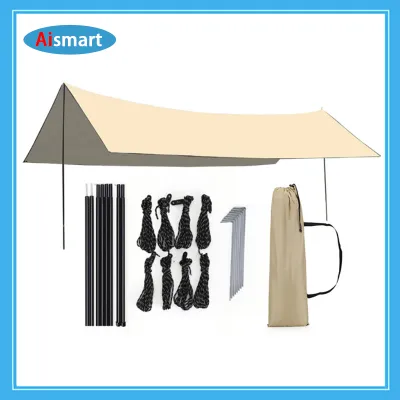
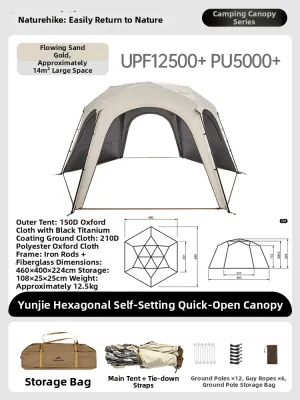
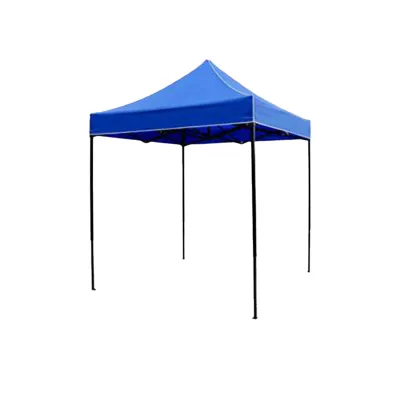
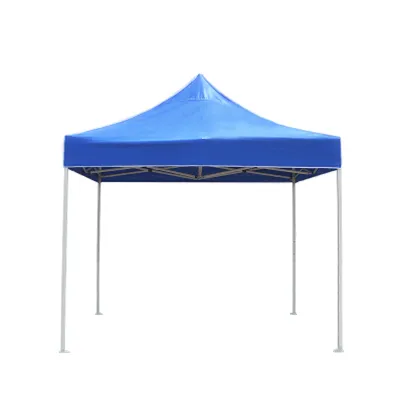
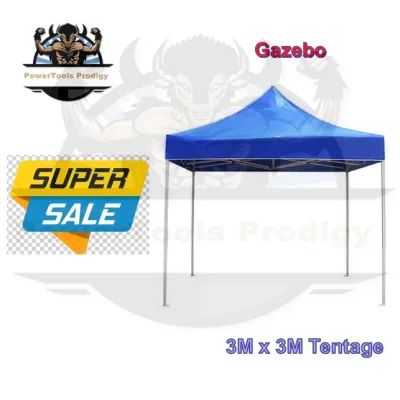
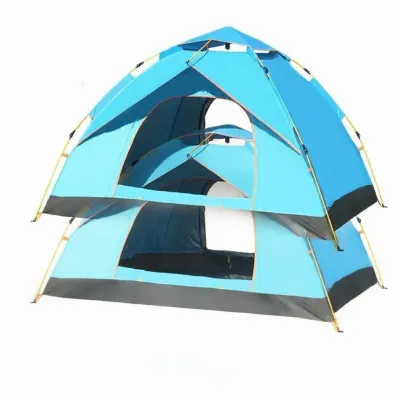
Prices are valid at publication and may change. Please refer to the product page for the latest price.
It is crucial to distinguish between the fabric’s internal waterproof coating and its surface finish. The millimeter rating is determined by an internal coating, typically made of polyurethane (PU) or silicone, which is chemically bonded to the underside of the fabric. This coating acts as a physical barrier that stops pressurized water.
On the other hand, the exterior of the fabric is treated with a Durable Water Repellent (DWR) finish. DWR does not make a fabric waterproof on its own; instead, it lowers the surface tension of the material, causing water to bead up and roll off rather than soaking into the outer fibers. When a DWR finish wears out, the fabric may look wet and heavy—a state known as “wetting out”—but the underlying PU or silicone coating remains the primary defense keeping the interior dry.
Matching Canopy Ratings to Real-World Weather Conditions
To make an informed decision, you must translate these laboratory measurements into real-world weather scenarios. Tent canopy ratings generally fall into three primary categories, each suited to distinct environmental demands.

A rating of 1000mm represents the entry point for water resistance. Canopies in this range are designed for fair-weather camping, light summer showers, or short daytime outings. While they can handle brief, gentle rain, they are highly vulnerable to prolonged wet weather or wind-driven rain, which can easily force water through the fabric fibers.
Ratings between 1500mm and 2000mm serve as the standard for most high-quality three-season tents. These canopies are engineered to withstand moderate to heavy rainfall over extended periods. For general camping in temperate regions, this range offers an optimal balance of protection, packability, and weight.
A rating of 3000mm or higher is reserved for heavy-duty protection, designed to withstand severe downpours, tropical storms, and sustained wet weather. In humid tropical environments like Singapore, where sudden, intense afternoon thunderstorms are common, a higher canopy rating of 3000mm provides a critical safety margin. The tropical monsoon seasons bring heavy, wind-driven rain that exerts significant physical force on tent surfaces.
However, a high rating is not an absolute guarantee of a dry interior. Real-world performance heavily depends on external variables such as wind speed, fabric tension, and the angle of the rain. High winds can drive rain against the fabric with force that exceeds the static pressure of a standard hydrostatic head test. Additionally, if a tent is pitched poorly with loose, sagging panels, water will pool on the canopy, increasing localized pressure and the likelihood of a leak. Proper tensioning and secure staking are just as vital as the fabric’s rating.
The Hidden Trade-Offs of Chasing Higher Waterproof Numbers
While it may seem logical to simply buy the tent with the highest possible waterproof rating, chasing extreme numbers introduces several practical trade-offs. The primary compromise involves weight and packability. To achieve a 3000mm or 4000mm rating, manufacturers must apply multiple layers of thick polyurethane (PU) or heavy silicone coatings to the fabric. This process adds noticeable weight and bulk, making the outdoor tent canopy more difficult to pack, carry, and pitch—a major consideration if you plan to hike or backpack to your campsite.
Another significant challenge is breathability and internal condensation. Highly waterproof coatings create an impermeable barrier that stops water from entering, but they also prevent moisture from escaping. In warm, highly humid climates, the human body releases a substantial amount of moisture through respiration and sweat. If your tent canopy lacks adequate ventilation, this warm, humid air hits the cool, heavily coated fabric and condenses into liquid water. This can leave the inside of your tent feeling damp or dripping wet, even if the canopy successfully blocks every drop of external rain.
Finally, high initial ratings do not guarantee permanent protection. Waterproof coatings naturally degrade over time due to environmental exposure. Ultraviolet (UV) rays from the sun break down the molecular structure of polyurethane, while heat and moisture can trigger a chemical process called hydrolysis, which causes the coating to become sticky and peel. Consequently, an old, poorly maintained 3000mm tent may perform significantly worse than a newer, well-kept 1500mm tent.
Beyond the Canopy: Floors, Seams, and Long-Term Care
A dry camping experience requires looking beyond the canopy to the entire tent system. The tent floor, for example, requires a much higher waterproof rating than the rainfly or canopy. While a canopy only has to shed falling rain, the floor must withstand the concentrated pressure of your body weight, sleeping pads, and heavy gear pressed against wet ground. For this reason, tent floors typically feature ratings of 3000mm to 5000mm or more to prevent moisture from being squeezed through the fabric.
Additionally, the highest-rated fabric in the world will still leak if the construction seams are vulnerable. Every needle hole created during manufacturing is a potential entry point for water. When choosing a tent, verify that the seams are factory-taped or sealed.
To preserve your tent’s waterproof performance, practice proper care and maintenance. Never pack or store a wet tent canopy; always ensure it is completely dry before folding it away to prevent mold, mildew, and hydrolysis. If you notice water stopping to bead on the exterior, clean the fabric according to the manufacturer’s care instructions and apply a compatible aftermarket DWR spray to restore the surface runoff.
Frequently Asked Questions (FAQ)
Is a 1000mm tent canopy waterproof enough for a tropical storm?
No, a 1000mm canopy is not sufficient for a tropical storm. Tropical storms bring high-velocity winds and torrential rain that can easily force water through a low-rated fabric. For tropical conditions, especially in regions prone to sudden monsoonal downpours, a canopy rated at 3000mm or higher is highly recommended to handle the wind-driven water pressure.
How can I tell if my tent canopy needs re-waterproofing?
You can check your tent’s water resistance by performing a simple water bead test. Spray water onto the pitched canopy; if the water beads up and rolls off, the DWR coating is intact. If the fabric absorbs the water and darkens, the DWR has worn off. Additionally, inspect the underside of the fabric: if the PU coating feels sticky, is flaking off, or emits a sour, vinegar-like chemical odor, the internal waterproof barrier has degraded.
Does a higher waterproof rating mean the tent will last longer?
Not necessarily. A higher rating simply indicates a thicker initial coating, but it does not guarantee a longer lifespan. The durability of a waterproof barrier depends on the quality of the materials used (such as silicone-elastomer coatings versus cheap polyurethane), UV exposure, storage conditions, and how well the tent is maintained over its lifetime.
Community discussion
Share your experience or ask a question. Comments are reviewed before publication.