
When shopping for camping tents, you will inevitably encounter a technical specification that looks like a number followed by “mm”—for instance, 1500mm, 3000mm, or 5000mm. This figure represents the tent’s hydrostatic head rating, which is the standard metric used to measure fabric water resistance. In simple terms, this rating tells you how much water pressure the material can withstand before moisture begins to seep through.
Understanding how these laboratory numbers translate to real-world rain protection is essential for selecting the right shelter. A rating that keeps you dry during a mild summer drizzle may fail completely during a sudden tropical downpour. By learning what these ratings mean, how they are measured, and where their limitations lie, you can confidently evaluate camping tents to find the perfect balance between weather protection, weight, and breathability.
What Is a Hydrostatic Head (mm) Rating and How Is It Measured?
The term “hydrostatic head” refers to a laboratory test that measures the waterproofness of a fabric. The unit “mm” stands for millimeters, which represents the height of a theoretical column of water that can be suspended over the fabric before the material allows water to penetrate its fibers. For example, a fabric rated at 2000mm can support a 2000-millimeter (two-meter) column of water resting on its surface before leaking.
Products mentioned in this guide
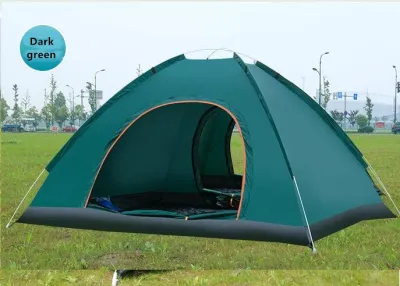
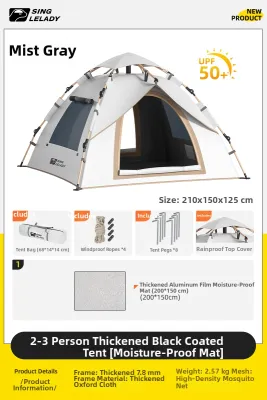
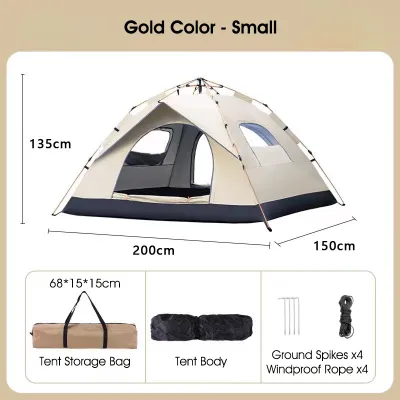
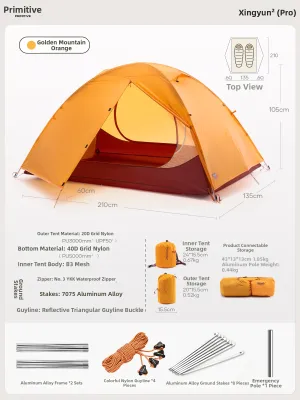
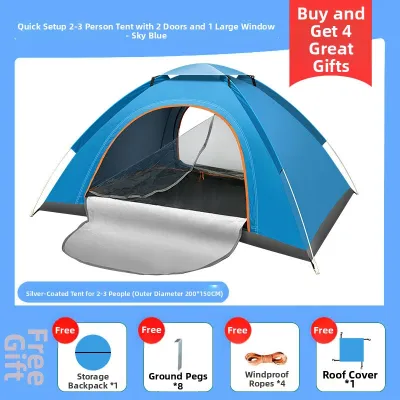
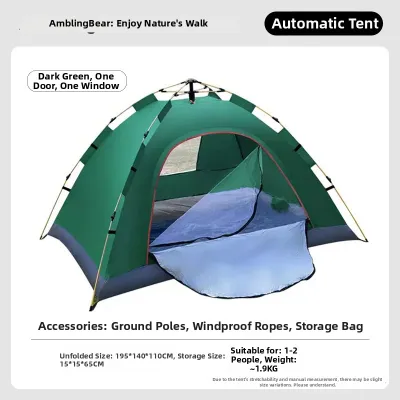
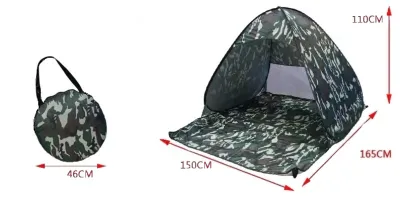
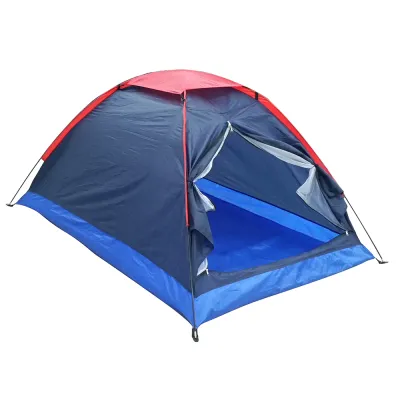
Prices are valid at publication and may change. Please refer to the product page for the latest price.
To determine this rating, technicians perform a standardized test using a specialized testing machine. A sample of the tent fabric is clamped tightly at the bottom of a sealed chamber. Water is then introduced, and pressure is steadily increased to simulate a rising column of water. The test continues until exactly three drops of water manage to penetrate the fabric sample. The pressure level at which this penetration occurs is converted into the equivalent height of a water column, establishing the final millimeter rating.
While this laboratory test provides a reliable baseline for comparing different fabrics, it has a significant limitation. The hydrostatic head test measures water resistance under static, controlled conditions. In the great outdoors, rain is rarely static. Wind-blown rain hits a tent with kinetic energy, which exerts much higher localized pressure on the fabric than a gentle, vertical fall. Consequently, a static rating does not automatically guarantee that a fully assembled tent will remain completely dry when subjected to dynamic, real-world storm conditions.
Translating mm Ratings to Real-World Weather Conditions
To make an informed decision, you need to understand how these laboratory ratings correspond to actual weather scenarios you might encounter in the field.

1000mm to 1500mm: Light Rain and Summer Showers
Fabrics rated between 1000mm and 1500mm are generally considered the minimum threshold for a tent to be classified as waterproof. This range is highly suitable for fair-weather camping, brief summer showers, and weekend trips where clear skies are expected. Ultralight backpackers often prefer tents in this range because thinner coatings keep the overall trail weight to a minimum.
However, these lightweight fabrics have clear limitations. They are not designed to withstand sustained, heavy precipitation or strong winds. If you find yourself in a prolonged storm, the continuous impact of raindrops combined with the pressure of wind pushing against the tent walls can force moisture through the fibers, leading to a damp interior.
2000mm to 3000mm: Heavy Rain and Wind-Driven Storms
The 2000mm to 3000mm range is widely recognized as the reliable standard for three-season camping tents. This level of protection is designed to handle moderate to heavy downpours, as well as the added hydrostatic pressure created when strong winds press wet rainfly fabric against the inner tent structure.
For most recreational campers, a tent in this tier offers the best balance of reliable storm protection and manageable weight. It provides peace of mind when weather forecasts are unpredictable, ensuring that you remain dry even if a passing storm lingers overnight.
5000mm and Above: Extreme Weather and Prolonged Downpours
Ratings of 5000mm and above are typically reserved for extreme weather conditions, alpine expeditions, or heavy-duty basecamp tents. In tropical climates characterized by intense, sudden monsoons—such as the heavy downpours frequently experienced in Singapore—a high rating in this category provides maximum security.
These ultra-high ratings are also standard for tent floors and groundsheets. Because your body weight concentrates significant pressure on a small area when you sit, kneel, or lie down, the floor must withstand much higher physical pressure than the rainfly to prevent ground moisture from soaking through.
Why a Higher mm Rating Doesn't Always Mean a Better Tent
It is a common misconception that a higher millimeter rating automatically makes a tent superior. In reality, increasing a fabric’s waterproof rating involves physical trade-offs that can negatively impact your overall camping experience.
To achieve a higher hydrostatic head rating, manufacturers must apply thicker layers of polyurethane (PU) or silicone coatings to the fabric. While this successfully blocks water, it also adds substantial weight and bulk to the tent, making it harder to pack and carry. Furthermore, heavy coatings drastically reduce the fabric’s breathability. A highly waterproof fabric with poor ventilation will trap the moisture from your breath inside, leading to heavy condensation that can leave you just as wet as if the rainfly had leaked.
Additionally, the fabric rating is only one part of a tent’s overall waterproofing system. A tent made from 10000mm fabric will still leak if its construction details are substandard. Untreated seams, cheap zippers, and poor fabric tensioning are common culprits for water ingress. High-quality tents prioritize factory-taped or welded seams, waterproof zipper flaps, and a robust double-wall design—which features a separate rainfly and an inner mesh tent—to manage both external rain and internal condensation effectively.
Finally, you must differentiate between the rainfly rating and the floor rating. While a rainfly only needs to shed falling rain, the floor must resist the physical force of your body pressing against wet ground. Therefore, a high-quality tent will often pair a highly breathable 1500mm or 2000mm rainfly with a heavy-duty 5000mm to 10000mm floor to maximize protection where it is needed most without adding unnecessary weight to the upper canopy.
How to Choose the Right Waterproof Rating for Your Camping Trips
Selecting the right specifications depends entirely on your typical camping environment, your transportation method, and how you pitch your shelter.
If you are a weekend car camper in a tropical, humid region like Singapore, your primary challenges are sudden, heavy downpours and high humidity. For these conditions, look for camping tents featuring a 2000mm to 3000mm rainfly combined with a high-rated floor (5000mm or more). Crucially, prioritize models with excellent ventilation, such as large mesh panels and adjustable rainfly vents, to allow humid air and condensation to escape.
For backpackers who must carry their gear over long distances, weight is a critical factor. In this scenario, it is often wiser to choose a lighter tent with a 1500mm to 2000mm rainfly, and pair it with a separate, lightweight footprint. This combination provides excellent protection while allowing you to distribute the weight more easily.
Before purchasing, always check the manufacturer’s technical specifications for both the rainfly and the floor materials. Verify whether the seams are factory-sealed with waterproof tape, as unsealed seams will require you to apply a liquid seam sealer manually before your first trip.
Remember that proper setup is just as important as the fabric rating. When pitching your tent, ensure the rainfly is pulled completely taut using the provided guy lines and stakes. Taut fabric allows rainwater to shed quickly and prevents water from pooling in sagging sections, which would otherwise exert localized pressure and eventually cause leaks.
Frequently Asked Questions (FAQ)
Is a 1000mm waterproof rating enough for camping in Singapore?
Generally, a 1000mm rating is not recommended for overnight camping in Singapore. The local tropical climate is prone to sudden, intense monsoon showers that can quickly overwhelm low-rated fabrics. For reliable protection and peace of mind, look for camping tents with a rainfly rating of at least 2000mm to 3000mm.
Does a higher waterproof rating stop tent condensation?
No, a higher waterproof rating does not prevent condensation; in fact, it can sometimes make it worse. Waterproofing prevents liquid water from entering, but heavy coatings also block air and water vapor from escaping. To minimize condensation, choose a double-wall tent with adequate mesh ventilation and ensure the rainfly is pitched tautly to promote continuous airflow.
Community discussion
Share your experience or ask a question. Comments are reviewed before publication.