
Quick Answer: Decoding Thickness Specs for Knee Comfort
For most practitioners seeking to protect their joints, a high-density yoga mat with a thickness of 5mm to 6mm offers the ideal balance between knee cushioning and standing stability. Standard mats typically measure around 4mm, which may feel too thin on hard floors, while travel mats under 3mm offer minimal joint protection. Conversely, extra-thick mats exceeding 8mm often compromise your balance during standing poses.
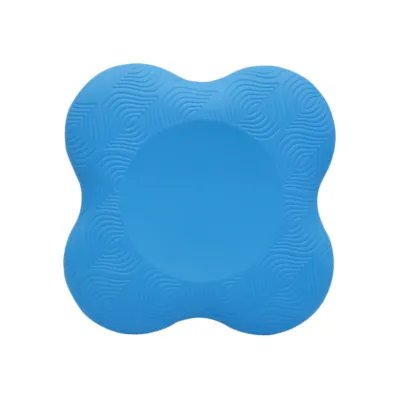
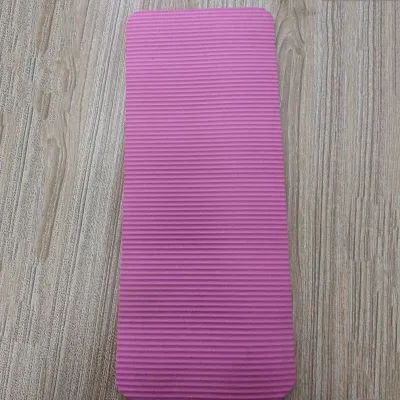
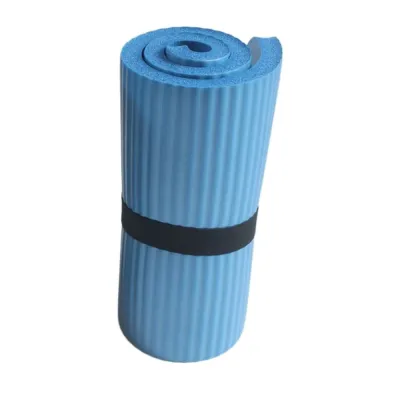
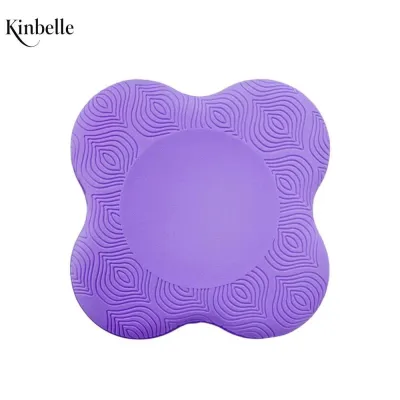
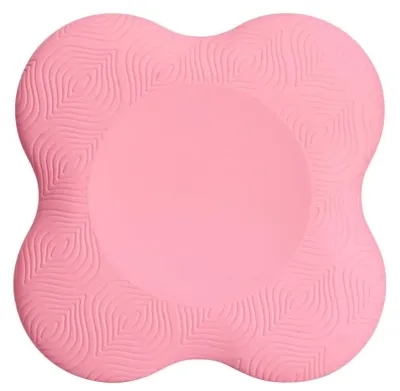
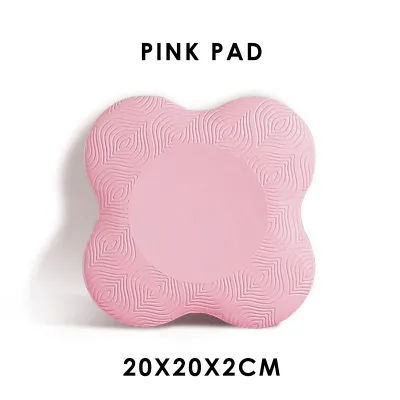
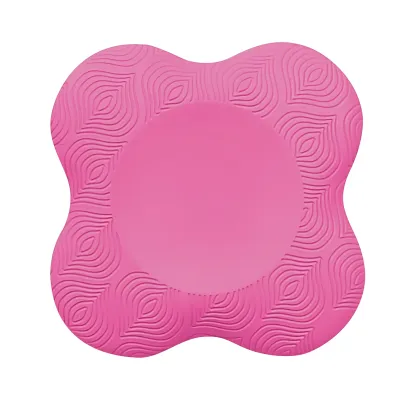
If you frequently experience discomfort during kneeling postures but enjoy dynamic flows, pairing a supportive 4mm mat with a dedicated knee mat for yoga is often more effective than upgrading to an excessively thick, soft mat. This combination allows you to maintain a stable foundation for standing poses while providing targeted cushioning only when needed.
How Millimeters Translate to Joint Support and Stability
The thickness of your yoga mat directly dictates how physical forces are distributed between your body and the floor. When you place your weight on a thin mat (1mm to 3mm), the concentrated pressure on bony areas like the patella can cause immediate discomfort, as there is insufficient material to absorb the impact. A thicker mat provides a deeper physical barrier, allowing the joint to sink slightly and distributing the load across a wider surface area.
Products mentioned in this guide

Prices are valid at publication and may change. Please refer to the product page for the latest price.

However, thickness is a double-edged sword. When a mat exceeds 6mm, the increased distance from the solid floor can destabilize your foundation. During standing or balancing postures, such as Tree Pose or Warrior III, your feet require constant sensory feedback from a stable surface to maintain alignment. An overly thick, squishy surface causes the ankles to wobble and overcompensate, which can transfer strain upward into the knees and hips.
Furthermore, a high millimeter rating does not guarantee that you will not “bottom out.” Bottoming out occurs when a soft, low-density mat compresses completely under concentrated weight, such as during a Low Lunge. In these moments, your knee effectively presses directly against the hard floor despite the mat’s advertised thickness.
Matching Thickness to Your Practice Style and Body Type
Selecting the right mat thickness requires evaluating your preferred yoga style, as different practices place distinct demands on your joints. Floor-heavy, slow-paced disciplines like Yin Yoga or Restorative Yoga involve holding poses for several minutes. For these practices, a thicker 6mm mat is highly beneficial, as balance is rarely tested and sustained joint comfort is the primary goal.
In contrast, dynamic and standing-heavy styles like Vinyasa, Ashtanga, or Power Yoga demand rapid transitions and precise foot placement. For these active flows, a 4mm to 5mm mat is generally preferred. This range provides just enough cushioning for occasional kneeling sequences while ensuring your feet remain firmly grounded during swift movements.
Your physical build and joint sensitivity also play a crucial role. Heavier practitioners naturally exert more downward force, meaning they require a thicker or denser mat to prevent bottoming out. Additionally, if you practice on hard surfaces like concrete, tile, or hardwood floors, you will require more cushioning than if you practice on a carpeted floor or a shock-absorbing studio subfloor.
Material Density: The Hidden Spec Behind True Cushioning
While thickness is measured in millimeters, density is the true measure of a mat’s supportive capability. Two mats of the exact same thickness can perform entirely differently based on their material composition. Understanding these materials helps you make an informed decision when shopping.
Polyvinyl Chloride (PVC) is a traditional choice known for high density and excellent compression resistance. A 5mm PVC mat will feel firm and supportive, preventing your knees from bottoming out. Thermoplastic Elastomer (TPE) is lighter and softer, offering comfortable cushioning but generally compressing more easily than PVC or rubber. Natural rubber mats are exceptionally dense and heavy; a 4mm or 5mm natural rubber mat often provides superior joint protection compared to a much thicker, cheaper synthetic alternative.
Conversely, Ethylene-Vinyl Acetate (EVA) and Nitrile Butadiene Rubber (NBR) are commonly used in inexpensive, extra-thick mats (8mm to 15mm). While these feel incredibly soft to the touch, they lack the density required for yoga. They compress fully under localized pressure and create an unstable, slippery surface.
Beyond cushioning, surface grip is essential for knee safety. In humid tropical climates, sweat can quickly turn a smooth mat into a slipping hazard. When your hands or feet slip, your leg muscles must tense aggressively to keep you in place, placing lateral stress on the knee joints. Opting for a mat with a textured, high-traction surface ensures your joints remain safely aligned.
Frequently Asked Questions (FAQ)
Can I Use a Standard Mat With an Extra Knee Pad?
Yes, combining a standard 4mm mat with a dedicated knee mat for yoga is an excellent, highly customizable solution. This approach allows you to maintain a stable, low-profile foundation for standing poses while providing targeted, high-density cushioning only when your knees are on the floor. When choosing a supplementary pad, ensure it is made of a high-traction material that grips your primary mat securely to prevent slipping during transitions.
Does a Thicker Mat Guarantee Better Knee Protection?
No, thickness alone does not guarantee joint protection. A thick mat made of low-density foam will compress completely under your knee, offering virtually no cushioning against a hard floor. Additionally, excessively thick, soft mats reduce your proprioception—your body’s ability to sense its position in space—which can lead to ankle instability and secondary knee strain during standing postures. Prioritize material density and compression resistance over thickness alone.

Community discussion
Share your experience or ask a question. Comments are reviewed before publication.