
The Short Answer: Which Kite Is Easier for Kids?
When choosing a kids kite for a young beginner, the delta kite is almost always the easier and more rewarding option. Its triangular, swept-wing design provides natural aerodynamic stability, allowing it to catch light breezes easily and remain stable in the air with very little active steering. For parents who want a frustration-free experience where a child can simply hold the line and watch the kite fly, the delta style is the clear winner.
In contrast, the classic diamond kite has a nostalgic appeal and remains a wonderful tool for teaching slightly older children the basics of wind dynamics. Because diamond kites rely heavily on a tail for balance and respond sensitively to every tug on the line, they require more active physical engagement to keep airborne. If your child is a toddler or preschooler, start with a delta; if they are school-aged and eager to learn how to launch and steer actively, a diamond kite can offer a fun, interactive challenge.
Ultimately, the best choice depends on your child’s age, their physical coordination, and the typical wind conditions at your local flying spot. Choosing the right design ensures your family outing is filled with high-flying success rather than constant crashes and tangled lines.
Products mentioned in this guide
![[SG Seller]Kids Octopus Pocket Kite Soft Easy Fly Kite for Kids Foldable Octopus Kite Long Tail Octopus Kite](https://img.lazcdn.com/g/p/ed2be19897f37e554c1c30f74d32f2f7.jpg_400x400q80.jpg_.webp)
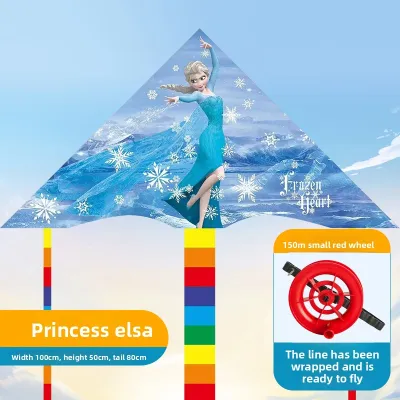
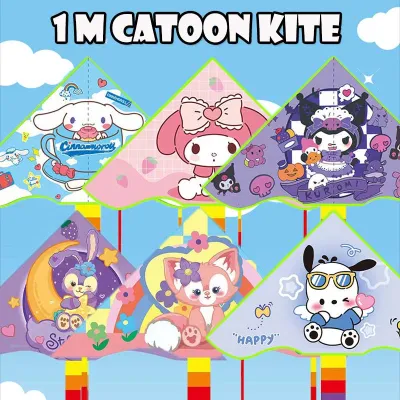
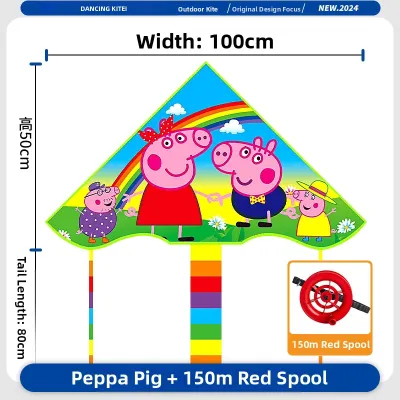
![[SG SELLER] Outdoor Children Kites Flying Game Windspeed with Tail String Line Colorful Large Kite Toy Different Designs](https://img.lazcdn.com/g/p/0bf57f2a5db4baf70319140ec51ab722.jpg_400x400q80.jpg_.webp)

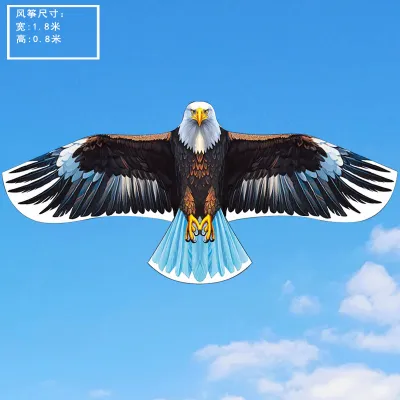
![[SG Seller]Dynamic Simulation Fishing Rod Clamp Ventilated Kite Childrens Kite Plastic Eagle Kite Fishing Kite Fishing Rod Flying Kite](https://img.lazcdn.com/g/p/ecb4ce6e8ff453b521357ba27bb36428.jpg_400x400q80.jpg_.webp)
Prices are valid at publication and may change. Please refer to the product page for the latest price.
Delta vs Diamond Kites: How the Shapes Affect Flight
To understand why these two styles behave so differently in the air, it helps to look at their structural designs. The shape of a kite dictates how air flows over its surface, which directly influences how much lift it generates and how stable it remains when the wind shifts.

Delta Kites (Triangular Design)
The delta kite features a distinct triangular profile reminiscent of a stealth glider or a swept-wing airplane. At its core, the design uses a rigid central spine and two diagonal leading-edge spars that form the sides of the triangle. A fabric keel extends downward from the center spine, acting as a built-in rudder that guides the wind and keeps the kite pointed directly into the breeze.
This triangular geometry creates what aerodynamicists call a dihedral angle, where the wings tilt upward slightly from the center. When a gust of wind hits a delta kite and tilts it to one side, the uneven air pressure naturally forces the lower wing back up, self-correcting its position in mid-air. This self-balancing property means the delta kite can fly reliably without a long tail, though decorative tails are often added for visual flair.
Diamond Kites (Traditional Eddy Design)
The diamond kite is the iconic shape most people picture when they think of kite flying. This traditional design, often called the Eddy style, relies on a simple cross-spar frame where a vertical spine intersects a horizontal spar. The sail material is stretched over this four-cornered frame, creating a flat or slightly bowed surface.
Unlike the delta, a standard diamond kite lacks a built-in central keel to guide the airflow. Because of this flat profile, the kite is naturally less stable and will spin or dive out of control if it encounters a sudden gust of wind. To counteract this instability, a diamond kite requires a long tail to create drag at its base, which pulls the bottom of the kite downward and keeps it upright. This reliance on drag makes the diamond highly sensitive to line tension, allowing the flyer to steer and turn the kite with deliberate tugs.
Head-to-Head Comparison for Young Beginners
To help you decide which style fits your next family park outing, let’s look at how these two designs compare across the most important practical categories.
| Feature | Delta Kite | Diamond Kite |
|---|---|---|
| Ideal Wind Range | Light to Fresh Breezes | Moderate, Steady Breezes |
| Inherent Stability | Very High (Self-Correcting) | Moderate (Requires Tail for Balance) |
| Tail Requirement | Optional (Mainly Decorative) | Mandatory (Essential for Flight) |
| Assembly Difficulty | Extremely Simple (1-2 Spars) | Moderate (Cross-Spars & Tail Rigging) |
| Steering Sensitivity | Low (Stays Centered) | High (Responsive to Line Tugs) |
| Recommended Age | 3 Years and Up | 6 Years and Up |
Wind Requirements and Stability
Delta kites excel in handling unpredictable, gusty winds because their flexible fabric wings can spill excess wind pressure. When a strong gust hits a delta, the wingtips flex outward, reducing the sail area facing the wind and preventing the kite from diving. This makes the delta highly forgiving for young children who may not know how to react to sudden changes in wind speed.
Diamond kites prefer steady, consistent breezes to stay aloft. Because they have a rigid, flat surface, sudden gusts can easily overpower the sail, causing the kite to spin rapidly or plunge toward the ground. If the wind is too light, a diamond kite will struggle to lift; if it is too strong, the kite becomes difficult for a young child to hold. This narrow operating window can sometimes lead to frustration for younger flyers who expect the kite to stay up automatically.
Launching and Steering Control
Launching a delta kite is remarkably straightforward and often requires no running at all. In a gentle breeze, a child can simply stand with their back to the wind, hold the kite up by its keel, and let the wind lift it directly out of their hands. The high lift-to-drag ratio of the delta shape allows it to climb quickly into the sky, even in light air.
Launching a diamond kite typically requires more physical effort and coordination. Because it needs sufficient airflow to generate lift and establish drag on the tail, you often need to run with the kite or have a second person hold it fifty feet away before releasing it. Once in the air, the diamond responds quickly to line tugs, which can be an exciting feature for older kids who want to practice basic maneuvers, but can easily overwhelm a toddler who lacks the motor skills to manage quick movements.
Assembly, Storage, and Durability
Modern delta kites designed for kids are built for quick setup, often featuring a single crossbar that snaps into plastic connectors on the wings. Many models are made from durable ripstop nylon paired with flexible fiberglass spars. This combination is highly resilient, allowing the kite to survive high-velocity nose-dives into the grass without breaking its frame or tearing the sail.
Diamond kites can take a bit more time to assemble, as you must secure the cross-spars, attach the bridle line, and carefully untangle and secure the long tail before launching. While many high-quality outdoor toy brands make diamond kites out of ripstop polyester, some budget options still use thin plastic or paper sails on wooden dowels. These traditional materials are prone to snapping or tearing during rough landings, making material selection a crucial factor when shopping for this style.
Safety, Materials, and Age Recommendations
When shopping for a kids kite, safety and age appropriateness should always be your top priorities. Outdoor toy brands offer a wide range of materials, and selecting the right combination will protect both your child and the equipment.
Look for frames made of flexible fiberglass rather than rigid wood or cheap plastic. Fiberglass rods can bend significantly without snapping, which prevents sharp splinters and keeps the kite intact during crashes. However, always inspect the spars before each flight; if you notice any splintering or cracking along the rods, retire the kite immediately to prevent painful fiberglass splinters in small hands.
Line safety is equally important for young flyers. Always choose a kite that comes with a thick, braided polyester line wound on a child-safe, blunt plastic handle or a simple D-shaped winder. Avoid thin, monofilament nylon lines or high-performance Kevlar strings, as these can easily cut skin or cause severe friction burns if the line slips quickly through a child’s fingers. Ensure the handle is sized appropriately for small hands so your child can maintain a secure grip without straining.
For age guidelines, children aged 3 to 5 do best with small delta kites. At this developmental stage, toddlers enjoy the visual feedback of holding a line but lack the coordination to steer, making the self-flying nature of the delta ideal. Children aged 6 and older have the motor skills to handle diamond kites, as they can understand how pulling the line affects the kite’s altitude and can actively work to keep it stable. Always verify the manufacturer’s specific age, weight, and safety labels on the packaging before making your final purchase.
How to Choose the Right Kids Kite for Your Child
Selecting the perfect kite involves matching the design to your child’s personality, their physical abilities, and your typical flying environment.
- Choose a Delta kite if:
- Your child is a toddler or preschooler who wants an easy, immediate flying experience.
- You want a highly stable, self-correcting kite that stays in the air with minimal adult intervention.
- You plan to fly in coastal areas or parks with gusty, unpredictable wind conditions.
- You prefer a quick, tool-free assembly that takes less than two minutes from bag to sky.
- Choose a Diamond kite if:
- Your child is school-aged and eager to learn the mechanics of active steering and tail-tuning.
- You typically fly in areas with steady, gentle inland breezes.
- You want a classic, nostalgic aesthetic that looks beautiful in family photographs.
- You enjoy spending extra time adjusting the tail length and bridle to customize how the kite flies.
- Neither style may fit if:
- Your child is highly sensitive to minor line tangles or loses patience quickly during setup.
- You are attempting to fly in completely still air (where only specialized foil or stunt kites can stay up) or during stormy, high-wind conditions that present safety risks.
- Verify first if:
- You need to check local municipal or park regulations regarding kite flying zones and altitude limits.
- You need to check the local weather forecast to ensure wind speeds are safe for outdoor recreation.
- The included line length is appropriate for the size of your chosen open space, ensuring you do not drift into restricted areas.
Quick Tips for a Successful First Flight in Singapore
Flying a kite in Singapore requires finding the right balance of open space, steady wind, and safety awareness. Because our urban landscape is dense, choosing the right location is key to a fun afternoon.
Excellent spots for kite flying include the wide grassy roof of Marina Barrage, the open shoreline of East Coast Park (particularly Areas C and D), and the spacious lawns of West Coast Park. These coastal and elevated locations benefit from reliable sea breezes that make launching both delta and diamond kites much easier. If you are flying inland, look for large, unobstructed school fields or neighborhood parks away from tall HDB blocks, which can block the wind and create turbulent, hard-to-fly air currents.
Before launching, always check the wind direction by tossing a few blades of grass into the air or watching nearby flags. Stand with the wind blowing directly against your back, hold the kite up by its frame, and let the breeze catch the sail. If the kite crashes immediately, do not worry; treat the first few attempts as a fun learning experience to help your child understand how the wind works.
Keep safety at the forefront of your outing by strictly avoiding areas near overhead power lines, busy expressways, or MRT tracks. Additionally, be aware of aviation restrictions; kite flying is prohibited near military bases and airports, including Changi Airport and Paya Lebar Air Base. Always supervise your child closely while they hold the spool, ensuring they do not let the line wrap around their fingers or legs, which can cause painful line burns or tripping hazards for other park visitors.
Frequently Asked Questions (FAQ)
Do I need to buy a separate tail for a delta kite?
No, you do not need to buy a separate tail for a delta kite. The built-in fabric keel on the underside of the delta shape provides all the aerodynamic stability and rudder-like control the kite needs to stay upright. While you can attach long, colorful ribbon tails to the wingtips or the spine for visual appeal, they are purely decorative and are not required to keep the kite flying stably.
What is the best wind condition for flying a kids kite?
The ideal wind condition for flying a kids kite is a light to moderate breeze, which you can easily identify without specialized weather instruments. Look for observable signs such as leaves rustling continuously on the trees, flags extending fully from their poles, or a steady, cool breeze that you can feel clearly on your face. If the wind is strong enough to whip branches around or make walking difficult, it is too strong for safe kite flying with children.
Can a toddler fly a kite completely alone?
A toddler should never fly a kite completely unsupervised. While young children can easily hold the plastic handle once the kite is high in the air, they lack the physical strength and reaction time to manage sudden wind gusts, untangle line knots, or avoid hazards. An adult must handle the initial launch, monitor the line tension, and ensure the child remains in a safe, clear area away from other park users.
Community discussion
Share your experience or ask a question. Comments are reviewed before publication.